Technology and philosophy

Showing posts with label money. Show all posts

Sunday, July 12, 2026

The Power of Travel Cards: What Every Explorer Gains

By Kwame OFORI-OFFEI

Every year, millions of individuals journey around the globe for various motivations, yet irrespective of their intent, they typically experience a blend of enthusiasm and nervousness. The thrill of encountering fresh traditions and adventures is frequently accompanied by worries related to finances. Is cash acceptable here? Will my credit card function properly? What will be the total expense? For numerous contemporary travelers, a single remedy has helped alleviate these issues: the preloaded travel card.

In Ghana, where the cedi's instability adds complexity to financial management, this issue becomes even more critical. Suffering losses due to currency fluctuations, concealed transfer charges, or credit card theft can ruin a vacation, put pressure on a business journey, or create challenges for studying overseas. Gaining knowledge about how travel cards function, as well as their development over time, can greatly enhance financial assurance during travels.

From an abandoned purse to a credit card

Payment cards can be traced back to 1950, when an American entrepreneur named Frank McNamara left his wallet behind at a restaurant in New York City. Feeling embarrassed yet motivated, he helped establish Diners Club—the first charge card accepted by multiple merchants—enabling customers to settle bills at eateries and accommodations without needing physical money. By the middle of the 1950s, Diners Club had grown to include air travel companies, lodging facilities, vehicle rental services, and cruise lines, setting the stage for today's electronic transaction systems.

The emergence of pre-paid cards

Prepaid cards became popular in the 1980s within the telecommunications sector, where they were used as telephone cards for payphones. By 1996, U.S. welfare changes substituted paper-based food coupons with Electronic Benefit Transfer (EBT) cards, spurring the growth of reusable and broadly recognized prepaid options. This represented an important change: a payment card could now serve effectively without being connected to a banking account or credit facility.

As time passed, prepaid cards expanded past their initial uses for welfare and gifts. They developed into a secure, manageable, and widely recognized method of carrying funds — known as a Digital Wallet. Modern pre-paid travel cards are usually associated with leading international payment brands that enable digital payments, offer multiple currencies, can be refilled, and come with mobile applications allowing users to track balances, review transaction history, access PIN details, and quickly lock cards when needed.

The unseen price of ease

Carrying out transactions overseas with a regular debit or credit card typically incurs hidden charges. Many financial institutions impose international processing fees, which are generally included within currency conversion rates. In Ghana, such costs may amount to as much as 7.5% for each transaction.

Furthermore, if retailers allow you to pay in your local currency — a method called Dynamic Currency Conversion (DCC) — the additional fee might be greater.

On their own, these expenses might appear minor, yet they can accumulate rapidly. During a two-week journey, a traveler relying on a regular debit card might end up losing the value of multiple hotel stays due to charges they might overlook.

A travel card that is preloaded with the local currency of your destination removes many of these expenses. It incurs no international transaction charges and protects against changing exchange rates. Travelers can be certain about their available funds right from the beginning.

Fiscal restraint and currency stability maintenance

Prepaid travel cards promote controlled spending habits. When a set amount is loaded onto the card, travelers establish an automatic budget cap. In contrast to debit or credit cards connected to a banking account, which may lead to excessive spending, a prepaid card ceases to function once the balance is depleted.

This framework enables tourists to remain within their financial limits and minimizes monetary remorse after their journey.

Travelers visiting countries with unstable economic conditions find the advantage of exchange rates highly significant. When money is added to a travel card, it is fixed at the current exchange rate. This means that even if the local currency becomes weaker prior to or throughout the journey, the traveler remains safeguarded. For instance, if a person from Ghana adds foreign currency to their card three months ahead of time, any decline in the value of the cedi over this period won’t affect their purchasing ability abroad. In contrast, someone using a regular debit or credit card would suffer this financial loss.

Why it is important for travelers from Ghana

Ghanaians frequently journey far — students head to the UK, U.S., Canada, and European countries; business professionals go to major international finance hubs; entrepreneurs venture to China, Turkey, and Dubai; families move throughout West Africa; and individuals seek medical treatment in South Africa, India, and Europe.

Throughout these travels, one recurring issue persists: how can you transport funds securely, conveniently, and cost-effectively, particularly in societies that are becoming more digital?

Although debit and credit cards may act as alternatives, they are often not the best choices for regular use because of international transaction charges, poor currency conversion rates, and the possibility of revealing your full banking amount or available credit.

A pre-paid travel card provides a safer option. By adding foreign currency prior to traveling, via a bank, the traveler removes exposure to fluctuating exchange rates. Any changes in the cedi-dollar rate throughout the journey do not affect the amount available; the value remains fixed.

Another key benefit is enhanced security and ease of use. Should the card be misplaced or taken, the main banking account stays protected. Specialized applications offer instant monitoring and management, along with worldwide customer service to provide help regardless of location.

No matter whether you're paying at a New York hotel, a London supermarket, a Paris restaurant, or online platforms in China, the dependability of a pre-paid card offers reassurance.

Conclusion

The pass has evolved significantly, transitioning from a basic charging card used by New York professionals into an advanced, application-supported, multi-currency financial service available to regular travelers.

In a setting where currency fluctuations are uncertain and global transfer charges may be high, travelers from Ghana merit more efficient monetary options.

With features like budget management, safety, and reliability, prepayment travel cards—like the Stanbic MoneyWallet Prepaid Travel Card, which is currently the sole option of its type in Ghana—are an effective and innovative solution for travelers seeking peace of mind financially.

Supplied by SyndiGate Media Inc. ( Syndigate.info ).

Thursday, July 9, 2026

Pakistan Launches Cashless Passport Services

July 2, Pakistan – On Wednesday, Interior Minister Mohsin Naqvi stated that transactions without cash have become functional in every passport office throughout Pakistan. This move seeks to accelerate passport processing and offer greater ease for those applying across the country. The change removes extended lines for payments and promotes smoother government service provision.

On a post shared via X, Naqvi mentioned that candidates will no longer have to spend long hours finishing the payment process. He noted that this countrywide implementation followed the guidance of Prime Minister Shehbaz Sharif. The minister referred to this move as a significant enhancement in passport service delivery.

Naqvi mentioned that the updated system will expedite passport issuance, enhance transparency, and offer greater ease for residents. He noted that electronic payments would streamline the application procedure and minimize unwarranted holdups. This change is included within the administration's larger initiative aimed at digitizing services.

The interior minister also commended the Directorate General of Immigration and Passports for effectively rolling out the country-wide system. He recognized the team's work in facilitating a seamless shift towards digital payments. Authorities anticipate that the updated process will improve productivity within passport agencies.

The administration stated it will keep implementing changes to enhance public services throughout Pakistan. Officials think digital projects will boost accountability and offer people simpler access to important governmental services. Additional modernization efforts are anticipated in the next few months.

Sunday, July 5, 2026

Everything Changed This Season

A nation featuring a river flowing across it, rich flatlands, and women prepared to cultivate them. Still, it imports four-fifths of its basic food supplies. Three farmers, one growing season, and how things change once funding eventually comes.

In certain seasons, stability is fleeting. Fences collapse, rainfall comes at inappropriate times, and efforts spanning weeks vanish within a single night. For women cultivating in The Gambia’s small-scale farms and rice paddies, such conditions aren’t rare occurrences—they represent the usual cycle they’ve come to expect. This reality makes every instance where things do remain steady far more significant than just a successful crop.

Abibatou Sonko had visited this place previously—rows of onions meticulously cared for, only to be destroyed during the night. At the Tanji Women's Garden Scheme, located 32 kilometers south of Banjul, goats managed to break through the fence and consume all that had been constructed over several weeks. She and her colleagues gathered their strength and began anew; year after year. “There were times when me and my female companions put in such effort yet ended up losing nearly everything,” she remembered. “Honestly, it was disheartening.” There were instances, she acknowledges, where she wondered if keeping going was truly worthwhile.

During the last season, she collected 31 sacks of onions. None were lost, nor diminished. Thirty-one sacks, valued at approximately 1,000 Gambian dalasi ($14) per sack; altogether, the yield amounted to about $435—representing multiple months of steady family earnings in an area where financial stability is uncommon. Positioned next to the land she never gave up on, these sacks served as evidence of a belief she nearly abandoned. She'll openly state that the key change came from using high-quality seeds provided by the P2-P2RS initiative. “In the previous year, goats ruined my crops,” she mentioned, standing near her successful harvest, “but this time, the superior seeds inspired me to keep going with farming. Now I'm feeling driven once more since I can witness the outcomes of our efforts.”

Her narrative reflects a contradiction that characterizes The Gambia. This nation features a river stretching along its full extent, millions of hectares of land suitable for irrigation, and rich farmland, all tended by women eager to cultivate it. Nevertheless, The Gambia imports approximately 81 percent of the rice it consumes—a basic food item eaten at an annual rate of 117 kilograms per individual, nearly double the world average. The problem has never lay in the quality of the earth itself but rather in seeds that fail to thrive, agricultural supplies that never reach their destination, barriers that cannot be maintained, and marketplaces offering no assurance. Abibatou’s goats are not just incidental details—they symbolize every obstacle preventing Gambian farmers from achieving a successful yield.

This is what the current projects aim to transform, methodically, on a large scale, throughout the nation. Through Project 2 of the Program for Enhancing Resilience against Food and Nutritional Vulnerability in the Sahel (P2-P2RS), an initiative worth $17.75 million supported jointly by the African Development Fund (ADF), farmers in 19 districts within the Lower River, Central River, and West Coast regions are beginning to receive better quality seeds, mechanical tilling services, solar-driven irrigation systems, and environmentally friendly agricultural supplies. For numerous communities, continuous farming all year round is now emerging as a feasible option.

The P2-P2RS supports 67,200 individuals directly and indirectly. It is among three key AfDB-backed agricultural initiatives operating in The Gambia at present, along with the Regional West Africa Resilient Rice Value Chains Development Programme (REWARD), which was introduced nationwide in July 2025. This initiative aims to assist 8,000 families and reach 120,000 people through advanced irrigation setups, enhanced seed networks, and better access to markets. Collectively, these projects mark the highest level of agricultural funding the nation has experienced.

Why is food insecurity the main issue in The Gambia?

In The Gambia, rice goes beyond being just sustenance—it represents the stability of a family’s well-being. When there isn’t enough rice, all aspects of life become more challenging: kids stop attending school, women accumulate loans, and households face breakdown due to lack of resources. The difference between what the nation uses and what it generates creates an ongoing stressor influencing choices made daily in most rural homes.

The architectural difficulty stems from overlapping limitations: reliance on farming without irrigation in a nation where precipitation is both seasonal and becoming more unpredictable; restricted availability of verified seeds and materials that truly work in regional environments; insufficient facilities for handling crops after harvest, leading to loss of worth from farm to marketplace; and the lack of consistent purchasers, which hinders preparation.

Binta Ceesay, a farmer and vegetable grower from Buiba Village, expressed it like this: "The climate-resistant verified seeds, fertilizers, and farming techniques training I obtained through the initiative have entirely transformed how I cultivate crops. Even with shifting weather patterns, my production has increased, and I'm currently yielding more than ever before." This statement, which notes that although the weather changed, the harvest didn’t decline, precisely captures the resilience that decades of insufficient investment previously prevented from being developed.

Every one of the three initiatives targets a distinct aspect of the same issue. P2-P2RS provides small-scale farmers with improved seeds and free tilling, eliminating the input barriers that have traditionally limited productivity despite their efforts. REWARD develops irrigation systems that enable continuous farming throughout the year, breaking away from reliance on just one wet season. Meanwhile, the Global Agriculture and Food Security Program (GAFSP completes the cycle by ensuring market access: linking what farmers cultivate directly to school meal programs, allowing 39,397 students to enjoy daily lunches made from locally grown food, and enabling farmers to make long-term plans.

What a stable market undergoes What a consistent marketplace experiences What a dependable economic environment faces What a steady commercial sector encounters What a trustworthy financial system goes through

Improved seeds address one issue. A dependable buyer tackles another, often more significant challenge. A farmer capable of producing more yet unable to sell consistently remains someone without stability. The GAFSP initiative confronts this head-on by linking small-scale farming production with The Gambia’s school meal program, ensuring that crops grown by local farmers are bought within the country and used to provide food for 39,397 students. There is a clear purchaser. Prices have been set. Farmers can now prepare for the upcoming season based on certainty rather than uncertainty.

"Prior to this program, I grew crops not knowing who would buy them or if they'd receive a reasonable price. Now, I am able to organize my farming activities confidently, make investments to grow my land, and regularly provide fresh produce to schools. The consistent earnings I have gained have enhanced my family’s quality of life and restored my optimism for what lies ahead," said Satou Hata, an aggregrator and farmer from Mamud Fana Village, The Gambia.

This term, "plan," holds significant importance. Abibatou can now structure her upcoming season using seeds she has confidence in. Binta Ceesay can make plans based on the weather forecast; she no longer feels the same level of fear regarding it. Satou Hata Ceesay can base her planning on a solid agreement rather than taking risks. Beyond achieving improved crop yields, what unites these three women is a future they can envision sufficiently to commit to. This reflects how agricultural change appears from within—a farmer who sleeps assured about what she'll sow the following day.

  • 67,200 primary and secondary recipients of P2-P2RS within 19 regions
  • 120,000 individuals who benefit from the REWARD initiative indirectly
  • 39,397 students being provided with daily food supplies made from ingredients grown nearby on local farms
  • $17.75M Investment P2-P2RS jointly funded by the African Development Fund

© 2026 African Development Bank. All rights reserved. Published by AllAfrica Global Media (Ants).

Tagged: Economy, Business and Finance, Gambia, Women and Gender, Food and Agriculture, West Africa

Supplied by SyndiGate Media Inc. ( Syndigate.info ).

Wednesday, July 1, 2026

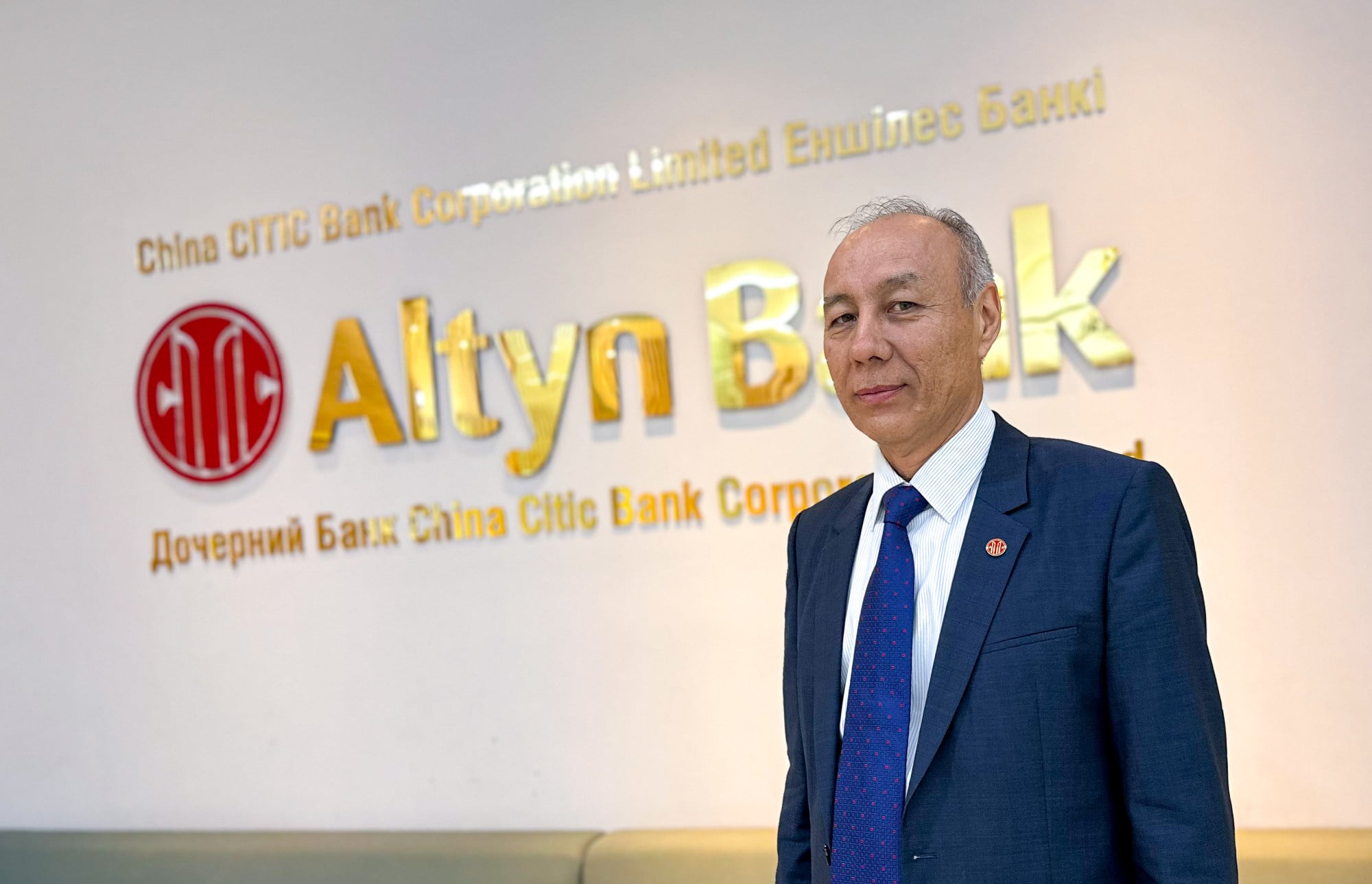
Kazakhstan Banks on Hong Kong for Offshore RMB Access

A bank supported by China, Altyn Bank, states that Kazakh investors are increasingly looking towards Hong Kong's dim sum bonds to secure long-term funding for local infrastructure projects.

A commercial bank based in Kazakhstan, supported by China Citic Bank, is looking to partner with financial organizations and investors from Hong Kong to establish innovative funding avenues for the Central Asian nation via Hong Kong's growing offshore RMB market.

Murat Baisynov, head of Altyn Bank, stated to the South China Morning Post that three customers from the bank based in Almaty are now considering issuing dim sum bonds in Hong Kong, a movement he anticipates will persist.

"Hong Kong continues to be the global leader in offshore yuan liquidity, connecting the biggest group of investors, banks, and systems involved in issuing yuan-denominated bonds," he stated.

Are you curious about the major issues and developments happening globally? Find your answers here with SCMP Knowledge Our latest platform featuring carefully selected content, including explanations, frequently asked questions, analyses, and visual graphics, presented by our acclaimed team.

In Central Asia, this creates broader chances to draw in lasting investment for infrastructure, transportation, energy, and environmentally friendly development initiatives.

He mentioned that the bank, which is part of China Citic Bank, seeks to form strategic alliances with investment companies and institutional investors in Hong Kong in order to open up fresh funding avenues for the area via the offshore yuan market.

Since 2018, Altyn Bank has been under the control of China Citic Bank Corporation, following the acquisition of a 50.1 percent share from Kazakhstan's leading financial entity, Halyk Bank.

Baisynov emphasized the potential of Hong Kong under the leadership of the Chief Executive John Lee Ka-chiu Led a top-tier team to Kazakhstan and Uzbekistan recently to investigate fresh commercial opportunities against the backdrop of political instability.

A seasoned banker anticipates a significant increase in RMB-based transactions as economic and commercial relations between Kazakhstan and China, along with Hong Kong, grow stronger over the next few years.

He referenced the Development Bank of Kazakhstan’s first issue of a 2 billion yuan (US$280.8 million) dim sum bond in Hong Kong last September as proof of increasing enthusiasm for the currency.

"With increasing two-way trade with China, there is an rising need for financial transactions and payments carried out in [Chinese yuan]. For numerous companies, this method aids in lowering operational expenses and enables better handling of exchange rate fluctuations," he stated.

Enhancing the application of the Chinese yuan involves improving market liquidity and risk management tools—especially for the Yuan-Tenge exchange rate—as well as drawing in a wider range of global investors to collaborate with Central Asian entities.

He mentioned that Hong Kong, serving as a funding hub and entry point to the global financial network, plays an important part in enhancing these links.

Baisynov further mentioned that there is an increasing interest from Kazakhstan-based investors in spreading their assets across overseas markets, making global investments, and utilizing personal banking solutions.

He stated that Hong Kong has all the essential qualities required to address these changing demands.

He highlighted the significant opportunities for cooperation between Hong Kong, a global financial center, and Kazakhstan, a major economic and transportation hub in Central Asia.

Hong Kong signed 96 agreements worth $1.65 billion for Kazakhstan and Uzbekistan during Lee's five-day trip to Central Asia last week, spanning areas such as finance, technology, commerce, and media.

Cathay Pacific Airways The city's national airline has revealed intentions to start services to Almaty in the coming year. At the same time, the Hong Kong authorities have signed a deal with Uzbekistan, opening the door for carriers from both regions to establish a fresh non-stop connection.

More Articles from SCMP

Hong Kong seeks a heart-lung donor to rescue a seriously injured 13-year-old female

World Cup trophy filled with gold sees its value increase by 157% — what is the current worth of the metal?

Advance-registration for the Hong Kong Bridge Half-Marathon begins this Thursday.

A competitor of Starlink called Qianfan achieves a satellite breakthrough, yet faces questions about speed and expense.

The article was first published on the South China Morning Post (www.scmp.com), a top-tier news outlet covering stories about China and Asia.

© 2026 South China Morning Post Publishers Ltd. All rights reserved.

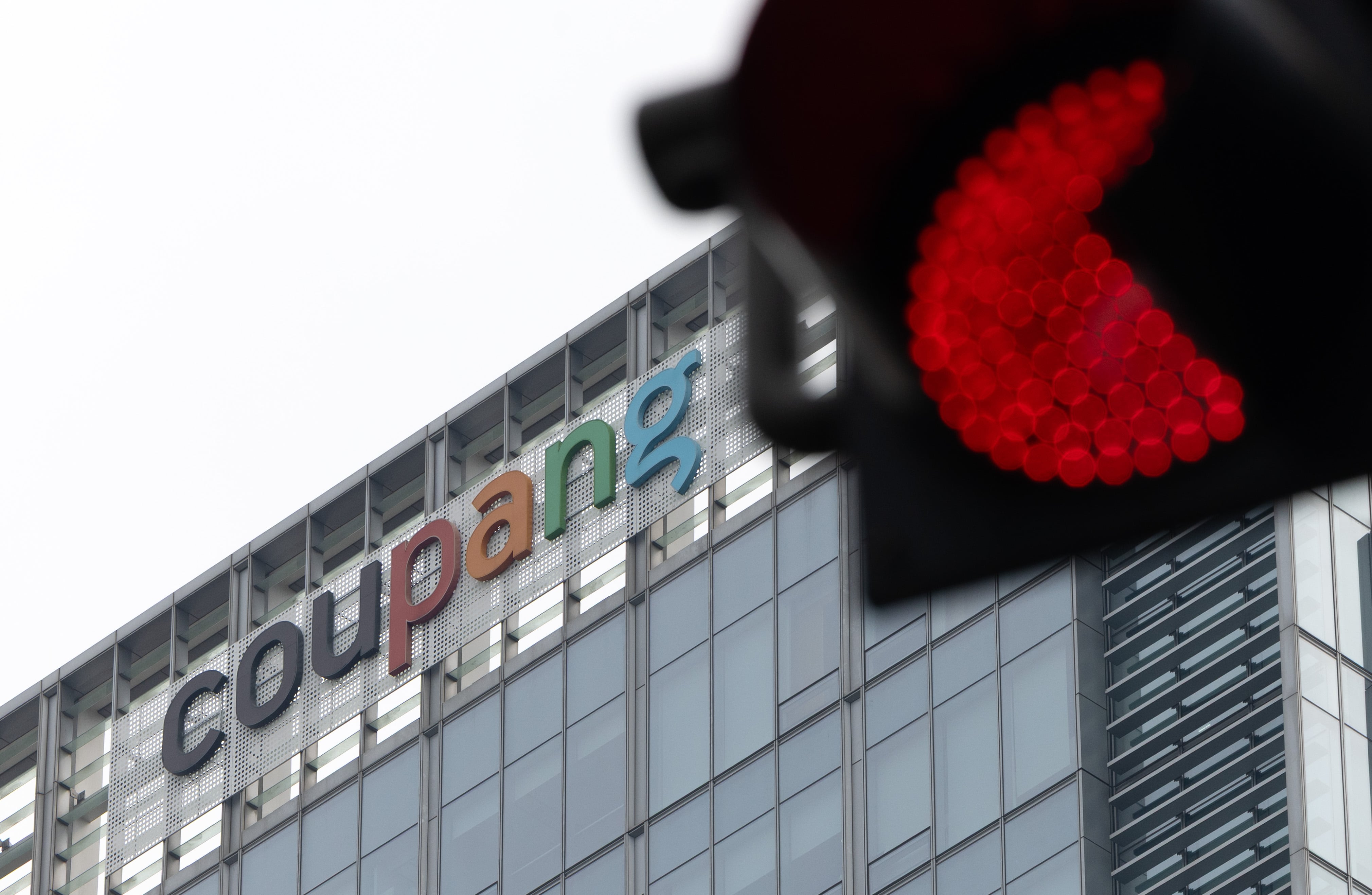
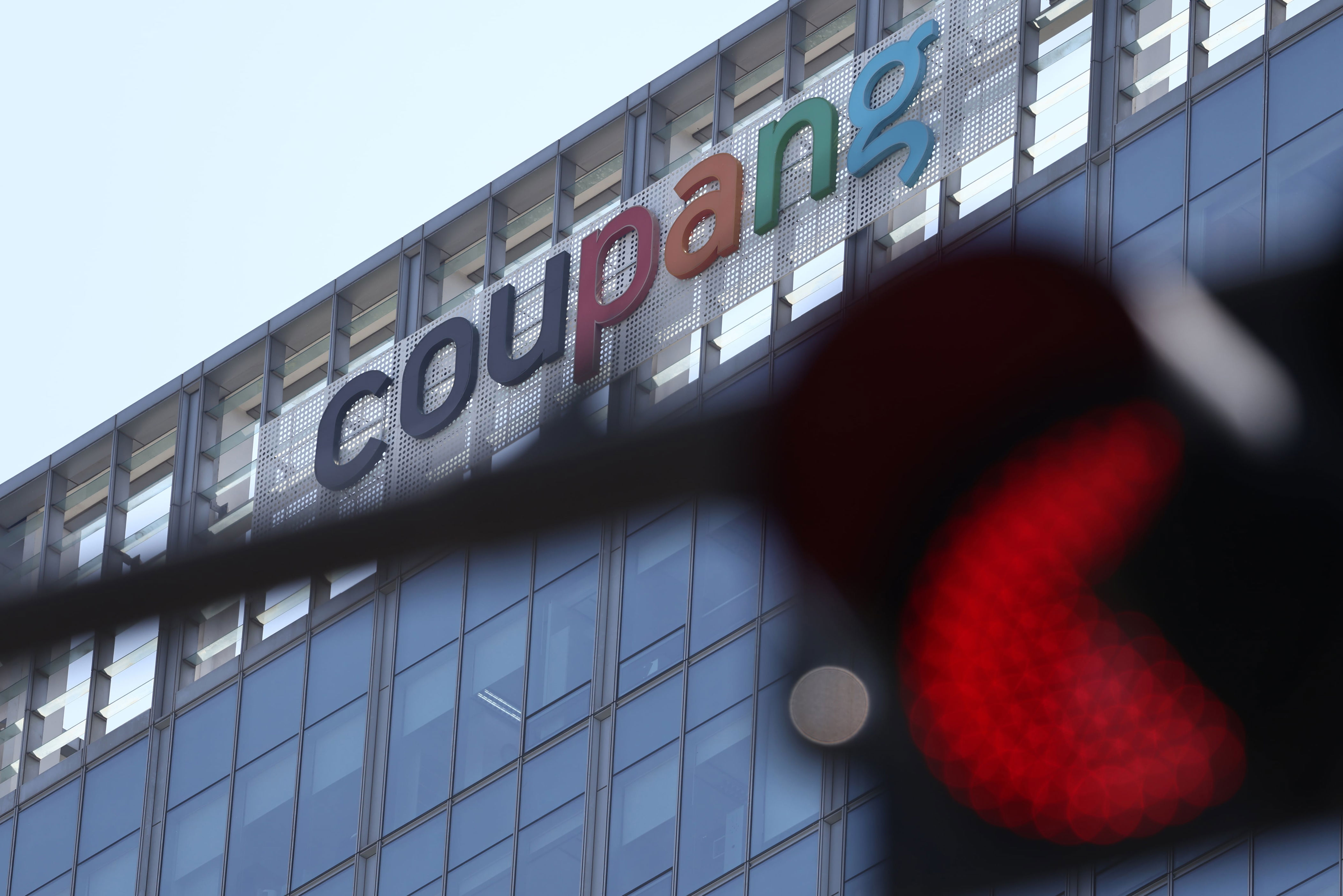
Coupang Fined Record 624.6 Billion Won Over Data Leak

Coupang faced a data breach impacting 37.55 million consumers in November, leading to a penalty exceeding 600 billion South Korean won. On the 11th, the Personal Information Protection Commission (PIPC) stated that it had determined a fine of 624.681 billion won against Coupang during a session held on the 10th, due to violations of the Personal Information Protection Act. This amount exceeds the prior highest penalty of 134.791 billion won given to SK Telecom in August of the previous year. Additionally, the commission opted to charge an extra fine of 16.8 million won.

The committee said, "The inquiry verified that this event happened because of Coupang's failure in handling personal data security," and mentioned, "Additional instructions were provided to enhance protective protocols to avoid such occurrences."

In November of last year, the PIPC initiated an inquiry following a complaint from Coupang, establishing a collaborative task force alongside the Korea Internet & Security Agency.

A former employee at Coupang, who departed in late 2024, was discovered to have carried out a data leakage experiment in January of the previous year, methodically extracting personal details between April and November of that same year by gaining access to member profile editing sections, delivery address controls, and purchase history records.

A cybercriminal created fake authorization tokens to gain entry into the delivery address administration section roughly 148 million times starting from April 14 of the previous year, resulting in the exposure of names, phone numbers, and residential addresses. On June 24 of the same year, they entered the user profile editing area 34.966812 million times, causing leakage of names and electronic mail identifiers. Starting from September 26 of the prior year, they logged into the delivery address update segment 50,474 instances and reviewed the purchase record interface 85,213 times, also leading to disclosure of common access codes and transaction specifics.

Using these techniques, the hacker exposed personal details of 33.22472 million members and at least 4.338368 million individuals who were not members. This involved 33.057012 million names along with email addresses, 63.986351 million shipping address entries (including names, addresses, and common access codes) for a minimum of 22.375359 million members and 4.338368 million non-members, as well as purchase records from 58,349 members.

The committee verified that the event occurred due to Coupang's insufficient security management framework and carelessness. It stated, "Coupang was unable to effectively control access rights for authentication signature keys, and even though there were unusual surges in access during the attack timeframe, it didn’t identify these anomalies."

Coupang learned about the further exposure of 160,000 customers' private details from the delivery address section approximately on January 30 this year, yet reported it to officials just on February 5, which was six days after discovery. Moreover, despite being asked four times by the committee to inform non-member individuals affected by the breach, Coupang failed to take action.

The committee mentioned, "Individuals who were not members could not implement protective actions against additional harm because they did not know about the leakage."

In addition, Coupang had internal policies requiring the destruction of user data 90 days after an account was removed and immediate removal of addresses along with account numbers. However, it did not erase 2,465,592 delivery address details (including names, phone numbers, and addresses) belonging to deactivated accounts, resulting in these being exposed. Moreover, it was discovered that 318,499 account numbers from terminated users were not promptly erased.

Not long after the committee started its inquiry, it instructed Coupang to retain evidence like website access records connected to the event. Nevertheless, Coupang manually erased five months' worth of online activity logs spanning from July through November 2024, making it harder to establish the precise sequence of events surrounding the first data breach. Still, the committee mentioned, "There was no proof discovered indicating that the exposed personal details were shared unlawfully."

Additionally, the committee expressed disapproval towards Coupang for collecting consumers' internet browsing data without permission.

The inquiry found that Coupang gathered and kept track of online behavior data from 11.17613 million consumers between December 23, 2024, and February 4 of this year, encompassing 15.645338 million website and application accesses, which were utilized for personalized ads.

As a result, the committee chose to charge a penalty amounting to 423.575 billion won and a fine of 16.8 million won concerning the data breach, along with an extra penalty of 201.16 billion won related to the illicit gathering of internet usage information.

Penalties were assessed according to Coupang's online shopping service income. According to the Personal Information Protection Act, fines may be as high as 3% of revenue. The committee said, "The ultimate fine was decided taking into account the seriousness of the breach and the extent of the harm caused."

The committee independently chose to charge a fine of 248 million won against Coupang Fulfillment Services, which is part of Coupang.

The inquiry revealed that Coupang Fulfillment Services gathered and handled the names of 71 media representatives from the National Police Agency, despite these individuals never having worked at their distribution facilities, and added them to a confidential employee list. The committee considered this action a breach of guidelines for collecting and utilizing personal data. Furthermore, Coupang Fulfillment Services provided staff weight details to the court during a legal case involving an workplace injury, which the committee viewed as a violation of protocols concerning handling private information.

Tuesday, June 30, 2026

Dollar Climbs in Black Market Amid Turmoil

The American currency increased slightly compared to the Vietnamese đồng in the unofficial market early Thursday.

unofficial currency exchanges priced the dollar at 0.15% more, reaching VND26,400. Vietcombank maintained its rate steady at VND26,410.

The U.S. dollar experienced fluctuations on Thursday due to fresh American military actions in the Middle East, which affected market confidence. Additionally, a rise in May’s U.S. consumer inflation to a three-year peak left investors concerned about the Federal Reserve's approach to monetary policy. Reuters reported.

This week, the foreign exchange market has remained calm, with traders considering the unstable truce in the Middle East alongside an ongoing series of retaliatory attacks between the United States and Iran, which has weakened expectations for a short-term resolution.

The euro reached $1.1553, moving slightly away from the 10-week low it recorded last week, although it has lost much of its increase following an agreement for a truce at the beginning of April. Attention will focus on the European Central Bank’s monetary policy meeting later today as it appears set to increase interest rates to address rising prices.

Sterling stood at £1.33905. The dollar index, used to gauge the U.S. currency versus six key rivals, dropped to 99.903 following reports from U.S. forces stating they have finished attacks on several locations in Iran.

Sunday, June 28, 2026

Sudan's Pound Plummets to Record Low Amid War-Driven Crisis

June 10, 2026 (KHARTOUM) – The Sudanese currency has reached an all-time low compared to international money because of heavy betting and increased requests for imports as there is a critical lack of foreign cash reserves.

The native currency has seen a continuous drop due to the ongoing conflict and an expanding trade imbalance, characterized by declining exports and increasing imports.

From the start of this year, currency exchange rates have increased substantially, as the U.S. dollar went up from 3,750 pounds to a range of 4,200 to 4,300 pounds.

Traders operating in the parallel market informed Sudan Tribune on Tuesday that the local currency dropped to 4,400 against one U.S. dollar due to increased demand for dollars and other foreign exchange.

The Saudi riyal climbed to 1,140 Sudanese pounds, the UAE dirham touched 1,171 Sudanese pounds, the euro was being exchanged for 5,058 Sudanese pounds, and the British pound rose to 5,810 Sudanese pounds, with the Egyptian pound standing at 90 Sudanese pounds.

A merchant, who requested to remain unnamed, mentioned that there is strong interest in foreign exchange to support the purchase of fuels, along with betting actions from forex dealers aiming to obtain significant amounts of dollars.

Financial analyst Waleed Dalil stated that the decline in the value of the currency presents significant economic difficulties impacting people's everyday experiences, highlighting that inflation has hit unprecedented levels because of the war's impact on buildings and banking systems.

The burden of finance has completely moved to the informal sector since formal banks cannot supply foreign exchange for importers and residents, causing exchange rates to be influenced by intense speculation and rush purchases, Dalil said.

Economic specialist Haitham Mohamed Fathi stated that Sudan is facing significant decline in key production areas such as manufacturing, mining, petroleum, and farming, with this situation deteriorating throughout the conflict.

Merchants, illegal traders, and gamblers have taken advantage of the nation's changing economic system, with a commerce and services-based economy growing while manufacturing and farming decline, Fathi noted.

The stability of the Sudanese currency relies on the transitional government's capacity to carry out essential structural changes, such as overhauling banking systems, controlling price increases, and boosting industries to rejuvenate the economic situation, according to Fathi.

Fathi pointed out that the increasing discussion about importing critical supplies, especially fuel, has had a direct impact on price levels throughout the manufacturing and transportation networks, with conditions further deteriorating due to the loss of oil-producing regions and unstable revenue streams from South Sudan's petroleum exports.

The Sudanese economy is trapped in a complicated crisis where economic, monetary, and political factors overlap, according to Fathi, who added that this situation has been worsened by insufficient global collaboration and the suspension of external financial support.

The drop in the value of the pound has increased market anxieties, causing the currency to be stuck in a harmful loop of falling exchange rates and rising prices, which leaves the central bank with few options for dealing with today's financial situation, said Fathi.

Supplied by SyndiGate Media Inc. ( Syndigate.info ).

Friday, June 26, 2026

CIMB & China CITIC Bank Boost China-ASEAN Linkages

The collaboration will facilitate international banking, commerce, and financial services along the route.

CIMB Bank has entered into an agreement with China CITIC Bank aimed at enhancing financial links between China and ASEAN .

The collaboration will primarily concentrate on Malaysia and Indonesia, while also promoting wider commercial, financial, and investment activities throughout the China-ASEAN region.

The partnership will integrate China CITIC Bank's domestic network within China with CIMB's presence across Southeast Asia.

Both bank clients are anticipated to receive access to financial services encompassing trade activities, payment processes, and international funding options.

The collaboration will further enhance the ability to process payments and clear transactions involving both the Chinese yuan and foreign currencies.

This could involve possible access to China's Cross-Border Interbank Payment System, internal RMB banking fund mechanisms, and offshore loans directed towards ASEAN economies.

Both financial institutions will examine collaboration regarding international treasury and liquidity management, covering services such as account setup, upkeep, and administration for businesses operating locally.

CIMB and China CITIC Bank will further assist clients' growth via reciprocal recommendations and consulting services.

Advisory assistance will include guidance on entering new markets, meeting legal standards, handling international deals, and exploring possibilities for business combinations.

Banks will further investigate collaborative efforts in syndicated loans within both global primary and secondary markets to enhance clients' availability of local and overseas funding.

Tuesday, June 23, 2026

A Lucky Aussie Thought He Won $1,600—Then His Son Spotted the Mistake

  • An Australian believed he had won $1,600
  • The reward amounted to $1.6 million.

A Australian dad experienced an unexpected surprise when he first thought he had won $1,600, only to later find out it was actually $1.6 million.

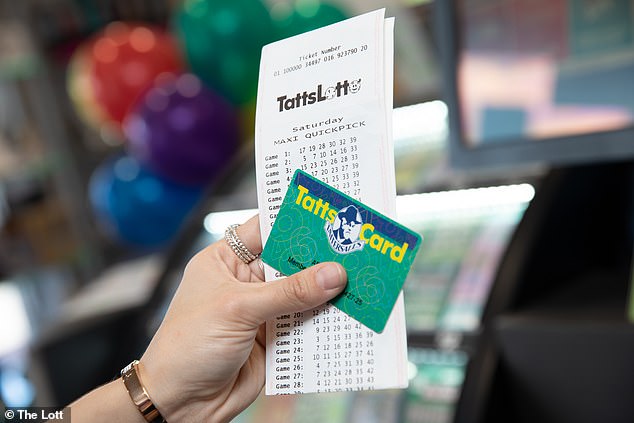
The Melbourne A man was among the four Division One winners in the TattsLotto draw held on Saturday.

He remembered the instant when he understood his reward was significantly larger than $1,600.

"IT STILL HASN'T SETTLED IN!" he chuckled. "It's still not clicking!" he grinned. "It's still not hitting me!" he laughed. "It's still not registering!" he said with a smile. "It's still not making sense!" he joked.

It was Saturday evening, and I was spending time with my grown children when I looked at my TattsLotto ticket.

"I looked at them and exclaimed, 'I've earned $1,600! Yay!'”

Then my son looked at the ticket and exclaimed, 'No Dad, you've won $1.6 million! You've hit the top prize!' I kept repeating, 'No! I've only won $1,600!'

The fortunate recipient stated he was in 'disbelief'.

"I have often envisioned how I would respond to winning the big award, but when it finally occurred, I simply felt stunned," he stated.

I have been using the same lottery numbers for two and a half years. I'm not sure why I picked them, but I have continued with them from the start.

I didn't think I'd ever get to see the interior of the Lott Building!

Many thanks. This is a wonderful award.

The successful lottery ticket was bought at Moomba Park Authorized News Agency in Fawkner.

Owner Kevin Liu mentioned it was his eighth time selling a winning ticket for the first-tier draw.

"This year marks our tenth anniversary of overseeing the company since 2016, and this is our eighth Division One-winning submission sold within the past decade," he stated.

We are extremely happy to have sold yet another Division One champion and our clients have also shown their enthusiasm over the last week.

We have adorned the shop with numerous balloons and banners to mark this remarkable achievement.

We hope the champion from our department has tremendous success in the days ahead!

Out of the four recipients, two are situated in Victoria, with one each in Queensland and South Australia.

Read more

Tuesday, June 16, 2026

Mortgage Rates Near 8%, Credit Loans Hit 7%

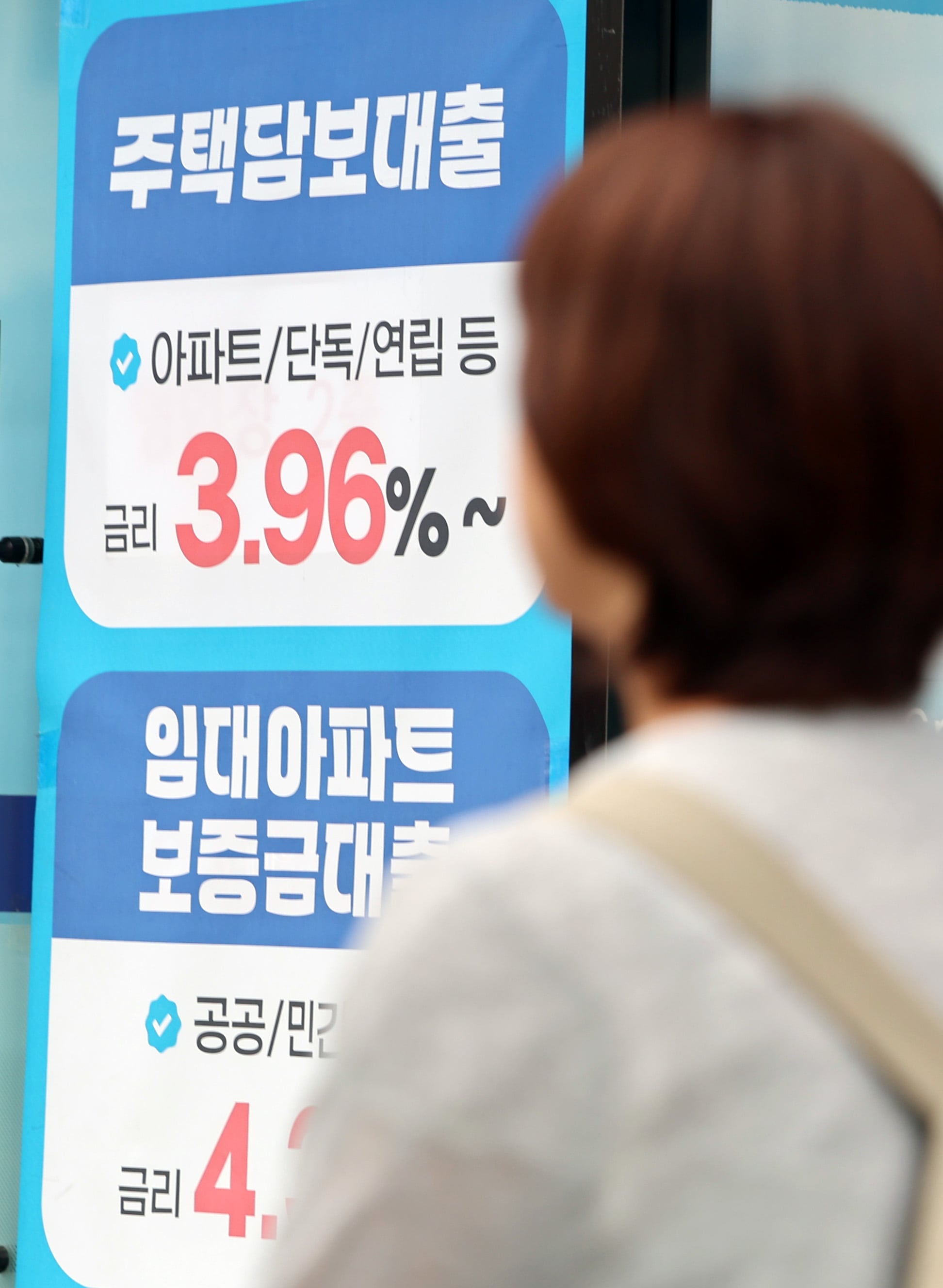
With rising bond market interest rates, bank lending rates are also climbing. As reported by the banking industry on the 11th, the fixed-rate (5-year) mortgage loans from the five largest banks—KB Kookmin, Shinhan, Hana, Woori, and NH Nonghyup—are now ranging between 4.51% and 7.5% annually as of the day before.

Only at the close of last month, the maximum interest rate stood at 7.1% per annum, yet it increased by 0.4 percentage points within just two weeks. The fixed-rate home loan rate has gone up by 1.2 percentage points since the start of this year. Following the point where the cap surpassed 7% annually towards the end of March, it is currently nearing the 8% bracket.

The yield on 5-year financial bonds, used as the standard for fixed-rate home mortgages, increased by 0.187 percentage points to an annual rate of 4.394% from the previous month’s close.

◇Banks Reducing Preferential Rates

With fixed-rate mortgage interest rates rising sharply, there has been an increase in demand for adjustable-rate mortgages, which experience more modest rate hikes. To address this trend, financial institutions are increasing their minimum lending rate requirements.

Lately, KB Kookmin Bank has lowered the favorable interest rate for its 'KB Star Apartment Mortgage Loan' (which uses a new balance COFIX-linked six-month floating rate) by 0.2 percentage points. The lending rates are calculated by combining different spreads with the benchmark rate and then deducting the favorable rate. Reducing the favorable rate leads to a higher overall loan rate.

This month, NH Nonghyup Bank increased both the 6-month floating interest rate and the 5-year fixed rate by 0.2 percentage points respectively.

If someone takes out a loan of 500 billion won with an annual interest rate of 6%, repayable over 30 years through fixed monthly payments, they would have to pay roughly 3 million won each month. But if the interest rate goes up to 8% yearly, the monthly payment jumps to approximately 3.6 million won, leading to an extra cost of about 600,000 won every month.

◇ Increasing Credit Card Balances, Higher Interest Rates

With an increase in money entering the stock market, outstanding credit loan amounts, such as those from overdrawn accounts, are growing, along with the interest rates for these loans.

The one-year credit loan interest rates offered by the five largest banks ranged between 4.35% and 6.15%, according to data from the prior day. This represents a rise of 0.29 percentage points at the higher end and 0.23 percentage points at the lower end compared to the end of the previous month, when the range was 4.36% to 5.89%.

Taking a credit loan of 100 million won, a rise in the annual interest rate from 6% to 7% increases the yearly interest cost from 6 million won to 7 million won, resulting in an additional payment of about 80,000 won per month.

This month, the overdraft account balances at the five leading banks surpassed 42 trillion won, reaching the highest point in three years and seven months since late November 2022.

Banks have raised their bond offerings this year, exceeding 100 trillion won.

A representative from the financial industry stated, "With banks boosting their bond offerings to stop deposits from moving into the stock market, financing expenses have gone up, which is now evident in lending interest rates. The pressure on 'debt-to-invest' and 'yeongkkul (soul-extended loan)' categories may intensify."

Saturday, June 13, 2026

HabariPay Unveils First "Impact Report 2025," Tracing Its Digital Payments Journey

HabariPay Limited, the financial technology branch of Guaranty Trust Holding Company Plc ( “GTCO” or the “Group” ), has revealed its first-ever HabariPay Impact Report 2025 offering investors a detailed overview of the company's development, path of innovation, financial outcomes, and influence within the digital payment sector.

The document outlines HabariPay's evolution from an emerging fintech startup to one of Nigeria's top payment system operators, emphasizing key achievements, tactical choices, and funding that influenced its development. It demonstrates the firm's role in promoting online trade, assisting enterprises, enhancing payment systems, and increasing financial inclusion via tech-based approaches.

The 2025 HabariPay Impact Report also emphasizes the firm's solid financial and operational achievements, expansion of the Squad platform, and progress in building the infrastructure supporting payment processing, transaction routing, fund transfers, merchant offerings, and additional service enhancements. The report additionally examines how innovation, workforce training, and collaborations within the broader ecosystem contribute to the company's accomplishments.

Commenting on the release of the report, the Managing Director of HabariPay, Eduofon Japhet, stated: "Being a tech-focused organization, we feel that influence goes further than just monetary outcomes. It shows through the enterprises we empower, the vendors we assist, the systems we develop, and the prospects we offer to upcoming creators. The HabariPay Impact Report 2025 outlines this path and highlights our dedication to generating long-lasting benefits for clients, collaborators, and the larger economic landscape."

She also stated: "The HabariPay Impact Report 2025 goes beyond showcasing our accomplishments; it serves as proof of the intentional efforts we've invested in developing lasting payment systems, supporting enterprises, encouraging creativity, and generating enduring benefits for our partners. Moving forward, we continue to focus on enhancing our skills, increasing our influence, and defining the next era of digital transactions with tech-based approaches that are safe, adaptable, and accessible."

The publication further highlights HabariPay's commitment to innovation via programs like the Take on Squad Hackathon and the Squad Hackademy, which are instrumental in nurturing upcoming tech professionals and speeding up the development of effective answers to everyday problems.

In the coming years, the report details HabariPay's aspirations for what lies ahead, encompassing ongoing support for payment systems, tools for merchants, advancements in digital technology, and smart innovations set to influence the evolution of banking services.

To view the HabariPay Impact Report 2025, kindly go to https://squadco.com/impact-report/

About HabariPay

HabariPay Limited operates as the financial technology arm of Guaranty Trust Holding Company Plc (GTCO), which stands among the leading financial service providers in Africa. The company has both direct and indirect investment interests in a range of operational businesses spread across ten African nations and the United Kingdom.

Authorized by the Central Bank of Nigeria (CBN), we aim to assist small and medium enterprises, micro traders, big companies, and other fintech startups (Tech Stars) with the resources required for success within a changing digital landscape and to grow past their present customer base. HabariPay offers several services such as Squad, a comprehensive digital payment system designed to simplify both physical and online transactions, HabariPay Storefront, an e-commerce platform allowing customers to shop online easily, Value-Added Services enabling business owners to obtain affordable and adaptable mobile top-up and internet packages, along with a switch infrastructure helping technology-driven firms reduce expenses and improve transaction efficiency.

The efforts of HabariPay in promoting digital adoption across Africa have been recognized—Mastercard honored it with the Innovative Mobile Payment Solution Award at TIA 2022 for its groundbreaking platform, SquadPOS.

About Squad

Squad offers an all-in-one digital payment system that is dependable, safe, and cost-effective, streamlining both face-to-face and online transactions.

Numerous vendors presently utilize Squad's financial services for their everyday commercial activities. The present range of products and services provided by Squad consists of SquadPOS, Squad Payment Links, Squad Virtual Accounts, USSD, and an E-Commerce Storefront.

Supplied by SyndiGate Media Inc. ( Syndigate.info ).
Olukoyede: Governorship Contenders Spend ₦20B–₦30B to Win Elections

Oscar Okhifo

The head of the Economic and Financial Crimes Commission (EFCC), Ola Olukoyede, has expressed worries about the increasing role of funds in Nigeria's election system, stating that certain candidates for governor invest anywhere from ₦20 billion to ₦30 billion to win elections.

On Wednesday, during the first session of the High-Level Guest Speakers' Series hosted by the Centre for Peace and Strategic Studies (CPSS) at the University of Ilorin, Olukoyede stated that this trend has emerged as a significant factor fueling corruption and poses a risk to the nation's democracy.

The head of the EFCC, who gave a speech entitled "Reducing Risks and Engaging Key Stakeholders for Peaceful and Valid 2027 Elections in Nigeria," pointed out that political figures who spend large amounts during elections frequently face demands to recover their costs once they take up positions.

He stated that the high expense involved in running for office leads to the misuse of public money and weakens responsibility, since chosen representatives focus more on recouping their monetary losses than providing effective leadership and public assistance.

Throughout history, campaign expenditures in Nigeria have stayed significant, yet in recent times they have surged to levels experts refer to as "unprecedented."

Opponents claim that conditions have deteriorated partially due to lenient punishments for those who violate election laws, leading many to wonder why no significant political "fall guy" has been established as an example.

Another increasing worry among Nigerians involves the effects of these enormous campaign costs, as numerous people question how chosen representatives might avoid misappropriating government funds following such huge investments to win their positions.

It has been reported that certain candidates resort to selling private assets or securing substantial loans to fund their election efforts, intensifying concerns regarding potential corruption after the elections and the challenges of economic revival.

"The commodification of votes undermines the basis for effective governance as it affects the selection of political leaders. Politicians who secure their positions through financial means tend to prioritize recouping their expenses over acting in the best interests of the people," Olukoyede stated.

The head of the EFCC emphasized the agency's commitment to combat vote-purchasing and various types of monetary incentives that jeopardize the integrity of electoral processes nationwide.

He revealed that the organization had detained multiple individuals associated with vote-purchasing and other election-related violations in past elections, noting that several convictions have already taken place.

As he stated, individuals found guilty of electoral wrongdoing consist of politicians, election workers, and others involved in undermining the fairness of the voting procedure.

He cautioned that not holding those who violate election rules accountable would promote immunity and continue eroding democratic systems, emphasizing that no person should be protected from facing consequences for breaking election regulations.

Olukoyede further stated that the committee intends to use drones and additional technology to enhance monitoring and identify instances of vote-purchasing and monetary incentives in the upcoming 2027 national elections.

He called on political groups, contenders, and their followers to concentrate on campaign strategies centered around issues and steer clear of provocative remarks that could provoke conflict before, during, and following the voting process.

The head of the EFCC also urged the Independent National Electoral Commission (INEC), law enforcement bodies, non-governmental organizations, the press, and other relevant parties to enhance cooperation in facilitating free, open, and reliable elections.

Previously, the Vice-Chancellor of the University of Ilorin, Professor Wahab Egbewole (SAN), characterized electoral fraud as a major obstacle to Nigeria's democratic growth, emphasizing that free and fair elections are essential for national stability, economic advancement, and public confidence in governance.

During his opening speech, Professor G.A. Animasawun, the head of the Centre for Peace and Strategic Studies, stated that the lecture series aims to promote discussion between decision-makers, security specialists, election administrators, and community organizations regarding effective steps to ensure the fairness of the 2027 national polls.

Supplied by SyndiGate Media Inc. ( Syndigate.info ).