Technology and philosophy

Tuesday, July 7, 2026

Nation Unveils Roadmap and Land Accountability Report for Economic Growth and Climate Resilience

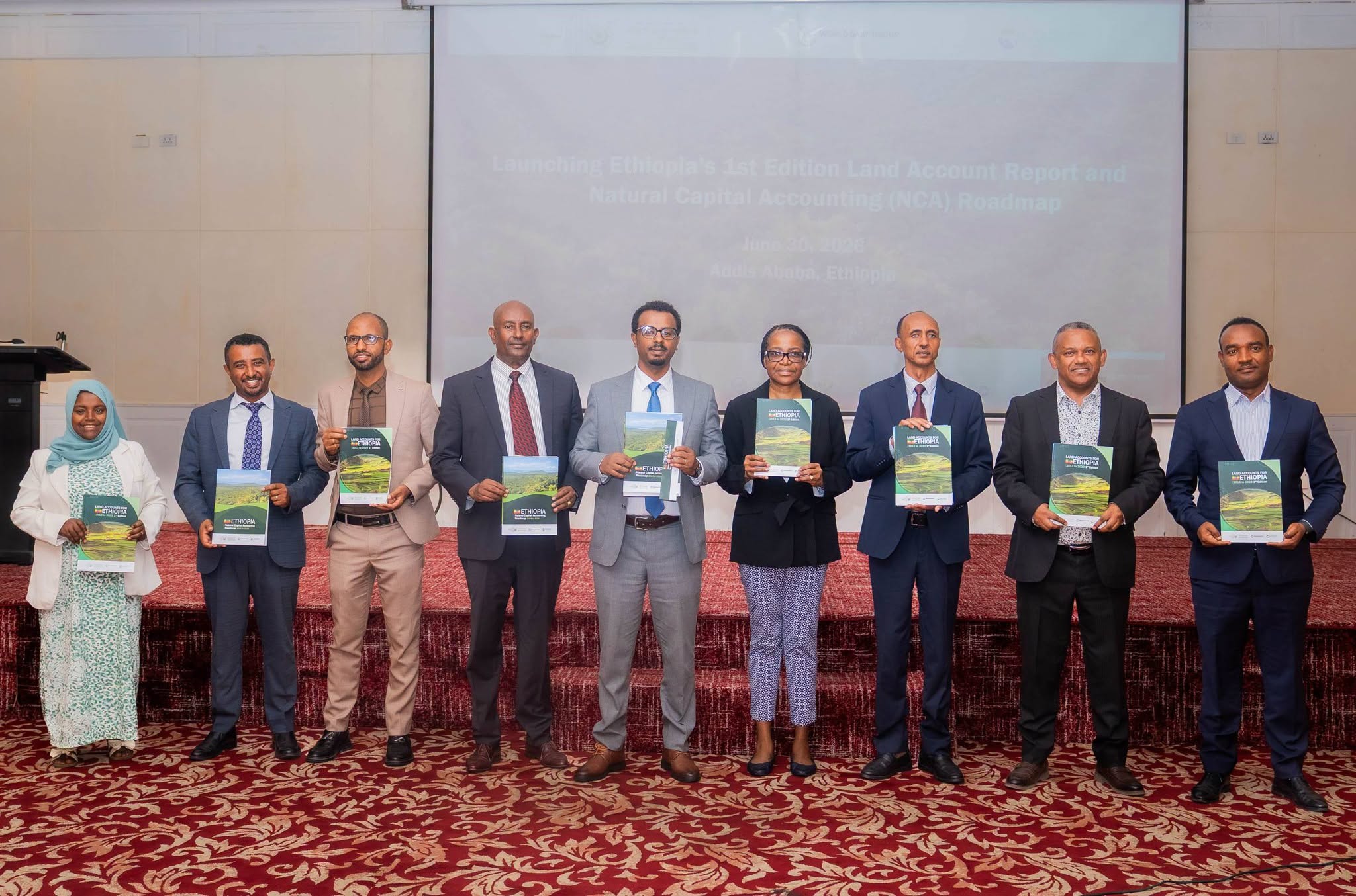
Addis Ababa, June 30, 2026 (ENA) – The National Capital Accounting (NCA) Strategy for Ethiopia and the first edition of the Land Account report were unveiled today.

The Natural Capital Accounting (NCA) Strategy of Ethiopia incorporates natural resources—including land, woodlands, and water—into the nation's economic planning process; this initiative creates a strong structure for evaluating the long-term viability of the country's economic growth.

Another document, Ethiopia's First Edition Land Account, serves as a key achievement in support of the nation's efforts toward climate resilience. These accounts illustrate changes in land use and land cover through the application of satellite images, geographic information systems (GIS), and uniform data categorization.

It has been reported that they are anticipated to establish a physical and economic foundation which enables governmental bodies to monitor the effects of extensive land management initiatives, afforestation efforts, and programs aimed at achieving land degradation neutrality.

At the launch event, Bereket Fesehatsion, State Minister of the Ministry of Planning and Development, stated that the occasion goes beyond simply unveiling two significant reports. It also represents a reaffirmation of a common national objective rooted in data-driven policy formulation, prudent management of natural resources, and a strong dedication to shaping a future where economic growth and ecological balance move forward together.

The land records of Ethiopia will not be the final ones, as institutional capabilities grow and methodologies advance, leading to an enhanced comprehension of the country's total resources, he stated.

He stated that data itself isn't enough to bring about change; successful implementation depends on collaboration. The State Minister emphasized the importance of unified action from all involved parties—government agencies, the business community, non-governmental organizations, research bodies, educational institutions, and global development allies—to work together on this common initiative.

He emphasized that together, we must make sure these reports influence policy, direct investments, and affect decisions at all levels.

Acknowledging the advancements made shows what can be accomplished when organizations work together with clear objectives and mutual dedication, Bereket mentioned that the Ministry continues to strongly support integrating natural capital accounting into the core of Ethiopia's planning processes.

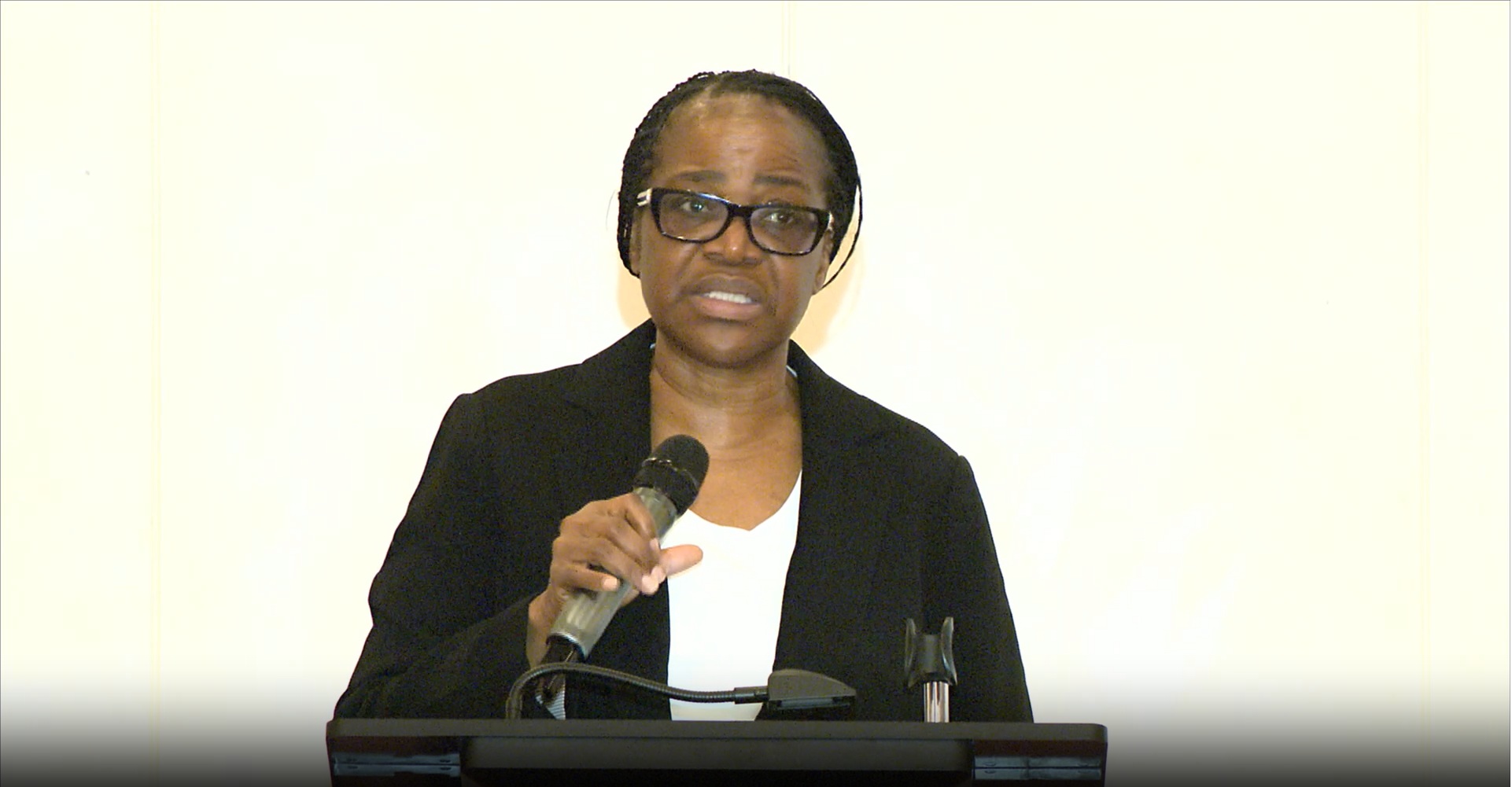
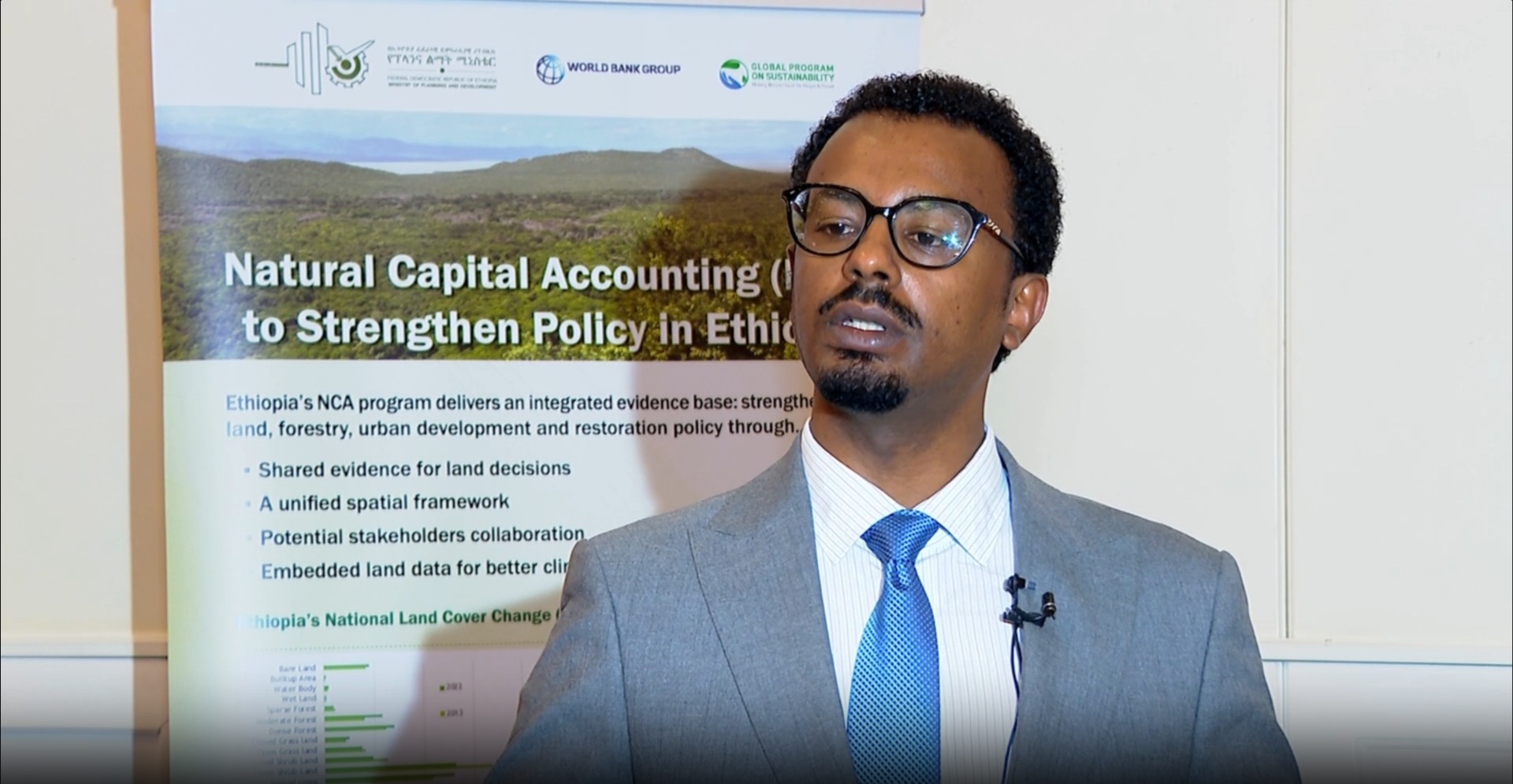
Head of World Bank Operations Juliana Victor stated, in her view, that these initiatives would hold substantial importance for safeguarding and maintaining natural resources.

She pointed out that these launches demonstrate a more robust strategy for growth.

"Natural capital hasn't been adequately considered in our economic choices, and when nature isn't accounted for, it tends to be underappreciated and exploited. Once it's devalued, it becomes difficult to incorporate. Therefore, the roadmap will also assist in addressing this issue," the manager stated.

As she mentioned, this accomplishment highlights several years of collaboration, institutional growth, and technical assistance within the World Bank's local and sustainable development program consulting and analysis initiatives.

Supplied by SyndiGate Media Inc. ( Syndigate.info ).
Cyber Threats Demand Regional Collaboration, Says INSA Deputy Director-General

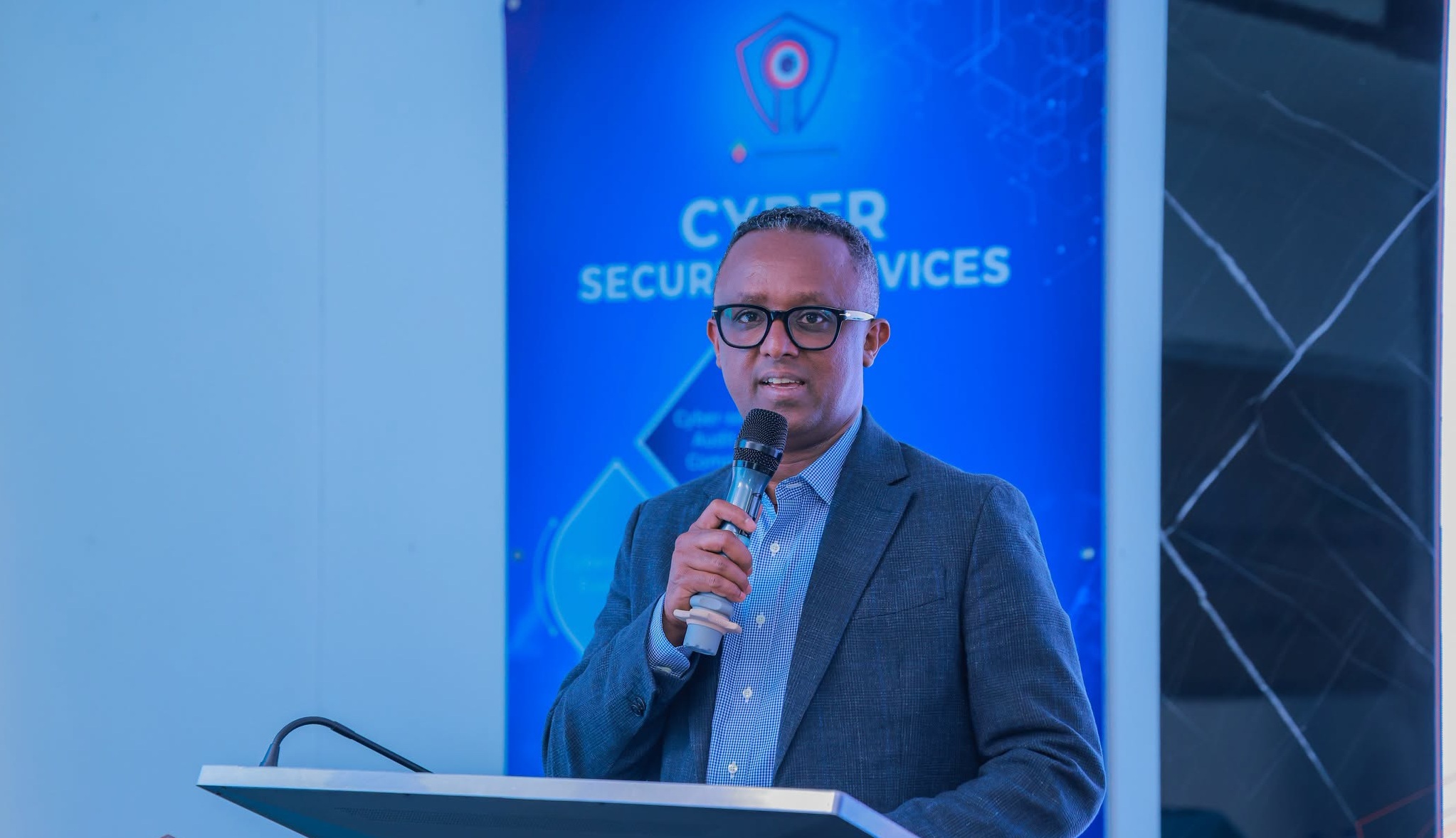
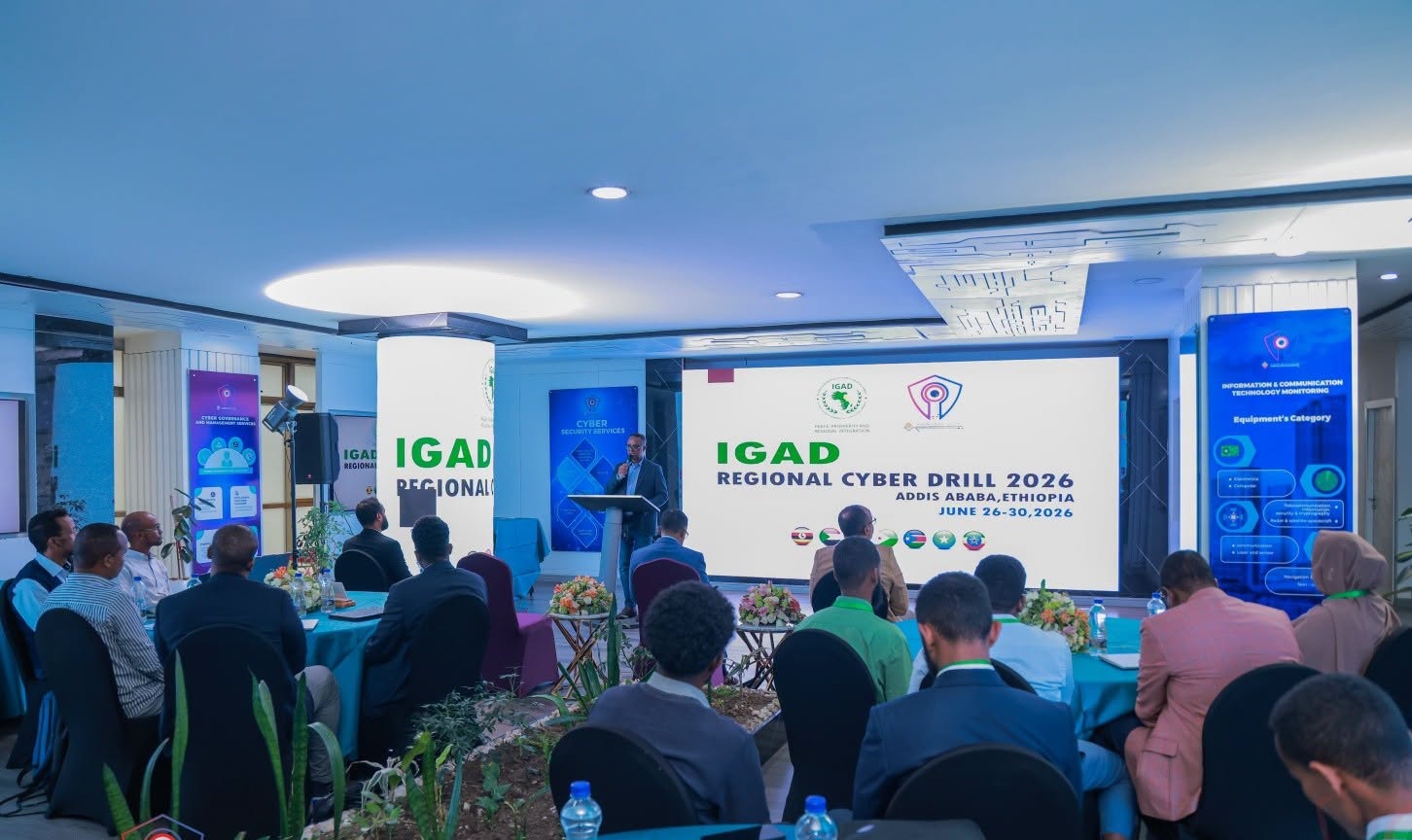
Addis Ababa, June 30, 2026 (ENA) – Cyber dangers have gone past country lines, highlighting the importance of working together within regions to safeguard vital infrastructure, banking networks, communication services, and people’s confidence, stated Daniel Guta, Deputy Director-General of the Information Network Security Administration (INSA), during the conclusion of the IGAD Regional Cyber Exercise 2026 held in Addis Ababa today.

Speaking to attendees of the five-day regional cyber security exercise, the Deputy Director-General stated that cyber security has now become more than just a national duty; it is also a key concern at both regional and international levels because of how connected digital networks have become.

"Currently, a cybersecurity threat can easily cross international boundaries. A breach targeting one nation may rapidly impact the whole area. Essential infrastructure, banking networks, communication services, and public confidence extend throughout our region. Therefore, our reaction needs to be strongly coordinated," he mentioned.

The Assistant Director-General emphasized that the completion of the exercise signifies the start of a new stage in regional cyber security collaboration instead of the termination of the program.

"This final event does not signify the conclusion of the path. Instead, it represents the start of the most recent stage in global cyber security collaboration," Daniel mentioned.

He identified six key focus areas for upcoming collaboration aimed at enhancing lasting regional cyber resilience. These involve making routine national and regional cyber simulations an official practice, broadening future exercises to address increasingly sophisticated cyber risks, adopting unified cybersecurity standards nationally, setting up systems for swift exchange of threat information across regions, ensuring consistent funding for cybersecurity efforts, and crafting clear strategies to track development.

On behalf of IGAD's Executive Secretary, IGAD Chief Representative in Ethiopia, Abebaw Belachew, stated that the exercise has greatly enhanced the region's joint cybersecurity abilities.

"Five days back, we launched this initiative with the core belief that within our connected system, our safety depends entirely on our shared determination," he remarked. "Today, our regional cybersecurity has significantly improved compared to what it was five days earlier," he continued.

Abeba observed that the activity started with talks about cybersecurity policy, management, and new dangers, then moved to practical instruction in digital investigation techniques utilizing artificial intelligence-based equipment, finally ending with real-time cyber attack exercises on an online network simulation system.

The Leader highlighted that, in addition to technical abilities, the confidence built between cybersecurity experts from participating countries would be crucial in addressing upcoming digital threats.

"If another significant real-world cybersecurity event happens, you won't be dealing with it by yourself. You'll have access to a local group of professionals you can reach out to," he said.

Abebaw also praised Ethiopia and INSA for organizing the event and recognized the assistance provided by the International Telecommunication Union (ITU), the World Bank, and other partner organizations in promoting regional cyber security collaboration.

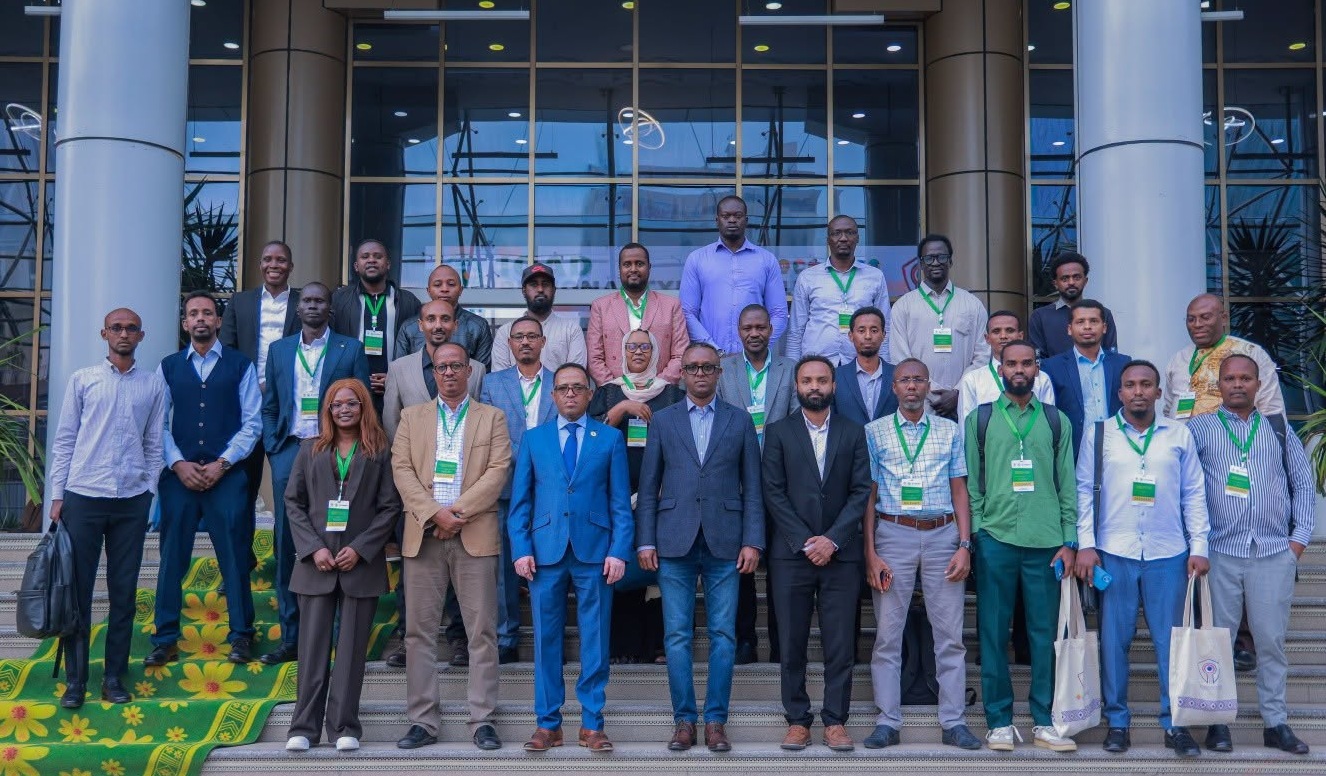
A five-day exercise ended with the distribution of certificates to attendees representing Djibouti, Ethiopia, Kenya, Sudan, South Sudan, Somalia, and Uganda.

Supplied by SyndiGate Media Inc. ( Syndigate.info ).
Monday, July 6, 2026

Spain Must Convert Possession Into Goals vs. Austria in Last 16

July 2, Pakistan -- Spain advances to their World Cup round-of-16 match against Austria thanks to a streak of 34 games without defeat, a defense that remains untouched, but an enduring issue continues to linger — what occurs when excessive ball control meets a firmly closed gate?

The European champions led by Luis de la Fuente will encounter Ralf Rangnick's Austria, who are appearing in their first World Cup knockout stage in 44 years following their second-place finish in Group J, as Spain enters the match with strong momentum but some minor tactical challenges.

Spain finished at the top of Group H with two victories and one draw, earning seven points out of nine following their hard-fought 1-0 victory against Uruguay on Friday. This was advancement, indeed, but far from flawless performance.

Spain has appeared solid defensively, with goalkeeper Unai Simon remaining unbeaten for 429 minutes during the World Cup. However, their initial 0-0 tie against Cape Verde in Atlanta served as an early sign that mere control might not suffice.

Faced with one of the competition's newcomers, Spain managed 74% ball control and took 27 attempts at goal, yet just seven found their way onto the target. Cape Verde remained compact, maintained solid defensive organization, and encouraged Spain to tackle an intricate challenge with very limited openings. The Spanish side struggled to break through.

For Spain, the sight was uncomfortably familiar. Their 2022 World Cup campaign ended on penalties after a 0-0 draw against Morocco, another match in which possession did not bring goals.

Due to hamstring injuries they suffered in April, talented and fast forwards Lamine Yamal and Nico Williams arrived at the World Cup with some physical issues. As a result, De la Fuente opted to start Gavi and Ferran Torres on the wings during the match against Cape Verde, which limited Spain's ability to spread out across the field and led to more predictable attacking moves.

BNP Leader Killed in Football Match Dispute Attack

Dhaka, July 2 – A regional BNP official was killed and another person wounded when they were assaulted with bladed instruments during mediation proceedings in the Adabor neighborhood of the city on Tuesday evening, according to authorities who stated the conflict arose due to a disagreement about viewing a soccer game.

The departed individual has been recognized as Md Badsha Mia, the general secretary of the Nobodoy Housing branch of BNP. The wounded person, Saddam Hossain, who serves as the president of the same BNP group, is currently receiving medical care at a hospital.

As per local reports, an altercation occurred during Monday evening in the Nobodoy Housing neighborhood involving two factions disputing about viewing the Brazil versus Japan soccer game from the current FIFA World Cup. On one side stood Saddam Hossain and Badsha Mia, whereas Ripon and Parvez headed the other faction.

To settle the conflict, representatives from each side participated in an arbitration session on Wednesday night.

Nevertheless, following the unsuccessful meeting without an agreement, Saddam and Badsha were assaulted with sharp objects as they departed the location around 8:00 pm, resulting in severe injuries for both individuals.

They were quickly taken to Shaheed Suhrawardy Medical College Hospital. When Badsha's health worsened, he was subsequently moved to Dhaka Medical College Hospital, where physicians confirmed his death.

Harry Kane Secures England's Spot in World Cup Round of 16

July 2, Pakistan – Harry Kane netted two goals after halftime as England made a comeback to win against Congo with a score of 2-1, securing their place in the Round of 16 at the World Cup on Wednesday.

The highest goalscorer in England's history equalized with a header following Brian Cipenga's unexpected half-time advantage for Congo. Kane later netted the winning goal in the 86th minute, scoring into the upper corner at Mercedes-Benz Stadium.

Throughout most of the match, England appeared set for one of the greatest surprises in World Cup lore.

The winners of the 1966 World Cup will face joint host Mexico in the Round of 16 match taking place in Mexico City this Sunday.

Sunday, July 5, 2026

Lake Chad Basin and AfDB Unveil Major Initiative to Revive the Shrinking Lake

Last May, the African Development Bank Group, the Lake Chad Basin Commission (CBLT), and the commission’s five member nations initiated a $10 million technical assistance initiative aimed at preparing the necessary investments to revive the environmental and economic roles of Lake Chad and enhance the durability of life for millions relying on its resources.

The Project for Technical Assistance in Restoring the Ecological and Economic Functions of the Lake Chad Basin (PARFEBALT) supported by the African Development Fund, along with extra funding from the CBLT which covers 10% of the project’s overall expenses, aims to increase understanding of the basin's water resources and strengthen their management.

At the start of the project initiation workshop, Passalet Kanabé Marcelin, Chad's Minister responsible for Water and Energy and currently leading the CBLT Council of Ministers, highlighted that the Lake Chad region plays a crucial role for millions of individuals, with their daily lives closely tied to access to water, farming activities, fishery, and animal husbandry.

PARFEBALT is a technical support initiative, yet primarily, it focuses on preparing for what lies ahead: its objective is to enhance understanding of water resources, upgrade management practices related to water and ecosystems, and establish the prerequisites needed to secure financing for an impactful regional investment strategy. Minister Marcelin mentioned, emphasizing the critical role of the initiative in addressing the cumulative impacts of climate change, environmental decline, and increasing demands on limited resources.

Participants at the workshop examined technical reports that will inform upcoming investments within the basin. These studies aim to explore methods for enhancing water flow in the Chari-Logone and Komadougou-Yobe river systems, which supply the majority of Lake Chad’s incoming water, while considering environmentally sound approaches to increase the lake's water levels. Additionally, they will analyze ecological, climate-related, economic, and societal aspects to determine the most effective strategies for revitalizing the region.

Acknowledging the increasing effects of climate change, the initiative aims to create a regional early-alert system to enhance predictions of floods and droughts, as well as implement advanced technologies for modeling and managing water resources. These actions will offer CBLT member countries more accurate information to shape their water management strategies and boost community resilience.

On behalf of the African Development Bank Group, Francis Dogo, the Country Manager for Chad, emphasized the critical need to address long-standing environmental damage within the region.

Lake Chad, among Africa’s major sources of fresh water, has experienced a substantial reduction in its size over the past few decades, decreasing from 25,000 square kilometers in 1960 to approximately 2,500 square kilometers at its lowest points, though there have been some improvements recently. Dogo said.

He pointed out that frequent droughts and flooding, excessive use of natural resources, disputes between agriculturalists and livestock keepers, and instability still pose risks to the region, emphasizing that improved cross-border water administration is crucial for promoting regional unity, improving food safety, and strengthening community endurance.

Attendees concurred that the research and instruments created within the PARFEBALT initiative would set the stage for attracting significant funding to revive the lake's water systems, rejuvenate farming, animal husbandry, and fishing activities, lessen populations' susceptibility to climate-related disruptions, and support peace in an area inhabited by over 40 million individuals.

The seminar ended with suggestions aimed at improving dialogue regarding the initiative to aid funding acquisition, speed up the implementation of national contact persons, bolster the Technical Monitoring Committee through added top-tier knowledge, and improve methods for tracking and assessing the project.

Stressing the African Development Bank's ongoing dedication to the project, Dogo stated: "We have an obligation to achieve success, and we will accomplish it."

© 2026 African Development Bank. All rights reserved. Published by AllAfrica Global Media (Ants).

Tagged: Economy, Business and Finance, Central Africa, Oceans and Rivers, International Organizations and Africa, Environment, External Relations

Supplied by SyndiGate Media Inc. ( Syndigate.info ).

Everything Changed This Season

A nation featuring a river flowing across it, rich flatlands, and women prepared to cultivate them. Still, it imports four-fifths of its basic food supplies. Three farmers, one growing season, and how things change once funding eventually comes.

In certain seasons, stability is fleeting. Fences collapse, rainfall comes at inappropriate times, and efforts spanning weeks vanish within a single night. For women cultivating in The Gambia’s small-scale farms and rice paddies, such conditions aren’t rare occurrences—they represent the usual cycle they’ve come to expect. This reality makes every instance where things do remain steady far more significant than just a successful crop.

Abibatou Sonko had visited this place previously—rows of onions meticulously cared for, only to be destroyed during the night. At the Tanji Women's Garden Scheme, located 32 kilometers south of Banjul, goats managed to break through the fence and consume all that had been constructed over several weeks. She and her colleagues gathered their strength and began anew; year after year. “There were times when me and my female companions put in such effort yet ended up losing nearly everything,” she remembered. “Honestly, it was disheartening.” There were instances, she acknowledges, where she wondered if keeping going was truly worthwhile.

During the last season, she collected 31 sacks of onions. None were lost, nor diminished. Thirty-one sacks, valued at approximately 1,000 Gambian dalasi ($14) per sack; altogether, the yield amounted to about $435—representing multiple months of steady family earnings in an area where financial stability is uncommon. Positioned next to the land she never gave up on, these sacks served as evidence of a belief she nearly abandoned. She'll openly state that the key change came from using high-quality seeds provided by the P2-P2RS initiative. “In the previous year, goats ruined my crops,” she mentioned, standing near her successful harvest, “but this time, the superior seeds inspired me to keep going with farming. Now I'm feeling driven once more since I can witness the outcomes of our efforts.”

Her narrative reflects a contradiction that characterizes The Gambia. This nation features a river stretching along its full extent, millions of hectares of land suitable for irrigation, and rich farmland, all tended by women eager to cultivate it. Nevertheless, The Gambia imports approximately 81 percent of the rice it consumes—a basic food item eaten at an annual rate of 117 kilograms per individual, nearly double the world average. The problem has never lay in the quality of the earth itself but rather in seeds that fail to thrive, agricultural supplies that never reach their destination, barriers that cannot be maintained, and marketplaces offering no assurance. Abibatou’s goats are not just incidental details—they symbolize every obstacle preventing Gambian farmers from achieving a successful yield.

This is what the current projects aim to transform, methodically, on a large scale, throughout the nation. Through Project 2 of the Program for Enhancing Resilience against Food and Nutritional Vulnerability in the Sahel (P2-P2RS), an initiative worth $17.75 million supported jointly by the African Development Fund (ADF), farmers in 19 districts within the Lower River, Central River, and West Coast regions are beginning to receive better quality seeds, mechanical tilling services, solar-driven irrigation systems, and environmentally friendly agricultural supplies. For numerous communities, continuous farming all year round is now emerging as a feasible option.

The P2-P2RS supports 67,200 individuals directly and indirectly. It is among three key AfDB-backed agricultural initiatives operating in The Gambia at present, along with the Regional West Africa Resilient Rice Value Chains Development Programme (REWARD), which was introduced nationwide in July 2025. This initiative aims to assist 8,000 families and reach 120,000 people through advanced irrigation setups, enhanced seed networks, and better access to markets. Collectively, these projects mark the highest level of agricultural funding the nation has experienced.

Why is food insecurity the main issue in The Gambia?

In The Gambia, rice goes beyond being just sustenance—it represents the stability of a family’s well-being. When there isn’t enough rice, all aspects of life become more challenging: kids stop attending school, women accumulate loans, and households face breakdown due to lack of resources. The difference between what the nation uses and what it generates creates an ongoing stressor influencing choices made daily in most rural homes.

The architectural difficulty stems from overlapping limitations: reliance on farming without irrigation in a nation where precipitation is both seasonal and becoming more unpredictable; restricted availability of verified seeds and materials that truly work in regional environments; insufficient facilities for handling crops after harvest, leading to loss of worth from farm to marketplace; and the lack of consistent purchasers, which hinders preparation.

Binta Ceesay, a farmer and vegetable grower from Buiba Village, expressed it like this: "The climate-resistant verified seeds, fertilizers, and farming techniques training I obtained through the initiative have entirely transformed how I cultivate crops. Even with shifting weather patterns, my production has increased, and I'm currently yielding more than ever before." This statement, which notes that although the weather changed, the harvest didn’t decline, precisely captures the resilience that decades of insufficient investment previously prevented from being developed.

Every one of the three initiatives targets a distinct aspect of the same issue. P2-P2RS provides small-scale farmers with improved seeds and free tilling, eliminating the input barriers that have traditionally limited productivity despite their efforts. REWARD develops irrigation systems that enable continuous farming throughout the year, breaking away from reliance on just one wet season. Meanwhile, the Global Agriculture and Food Security Program (GAFSP completes the cycle by ensuring market access: linking what farmers cultivate directly to school meal programs, allowing 39,397 students to enjoy daily lunches made from locally grown food, and enabling farmers to make long-term plans.

What a stable market undergoes What a consistent marketplace experiences What a dependable economic environment faces What a steady commercial sector encounters What a trustworthy financial system goes through

Improved seeds address one issue. A dependable buyer tackles another, often more significant challenge. A farmer capable of producing more yet unable to sell consistently remains someone without stability. The GAFSP initiative confronts this head-on by linking small-scale farming production with The Gambia’s school meal program, ensuring that crops grown by local farmers are bought within the country and used to provide food for 39,397 students. There is a clear purchaser. Prices have been set. Farmers can now prepare for the upcoming season based on certainty rather than uncertainty.

"Prior to this program, I grew crops not knowing who would buy them or if they'd receive a reasonable price. Now, I am able to organize my farming activities confidently, make investments to grow my land, and regularly provide fresh produce to schools. The consistent earnings I have gained have enhanced my family’s quality of life and restored my optimism for what lies ahead," said Satou Hata, an aggregrator and farmer from Mamud Fana Village, The Gambia.

This term, "plan," holds significant importance. Abibatou can now structure her upcoming season using seeds she has confidence in. Binta Ceesay can make plans based on the weather forecast; she no longer feels the same level of fear regarding it. Satou Hata Ceesay can base her planning on a solid agreement rather than taking risks. Beyond achieving improved crop yields, what unites these three women is a future they can envision sufficiently to commit to. This reflects how agricultural change appears from within—a farmer who sleeps assured about what she'll sow the following day.

  • 67,200 primary and secondary recipients of P2-P2RS within 19 regions
  • 120,000 individuals who benefit from the REWARD initiative indirectly
  • 39,397 students being provided with daily food supplies made from ingredients grown nearby on local farms
  • $17.75M Investment P2-P2RS jointly funded by the African Development Fund

© 2026 African Development Bank. All rights reserved. Published by AllAfrica Global Media (Ants).

Tagged: Economy, Business and Finance, Gambia, Women and Gender, Food and Agriculture, West Africa

Supplied by SyndiGate Media Inc. ( Syndigate.info ).