Technology and philosophy

Showing posts with label business. Show all posts

Monday, July 13, 2026

Cyber Threat Maps Vary by Region: Japan, Taiwan, Middle East

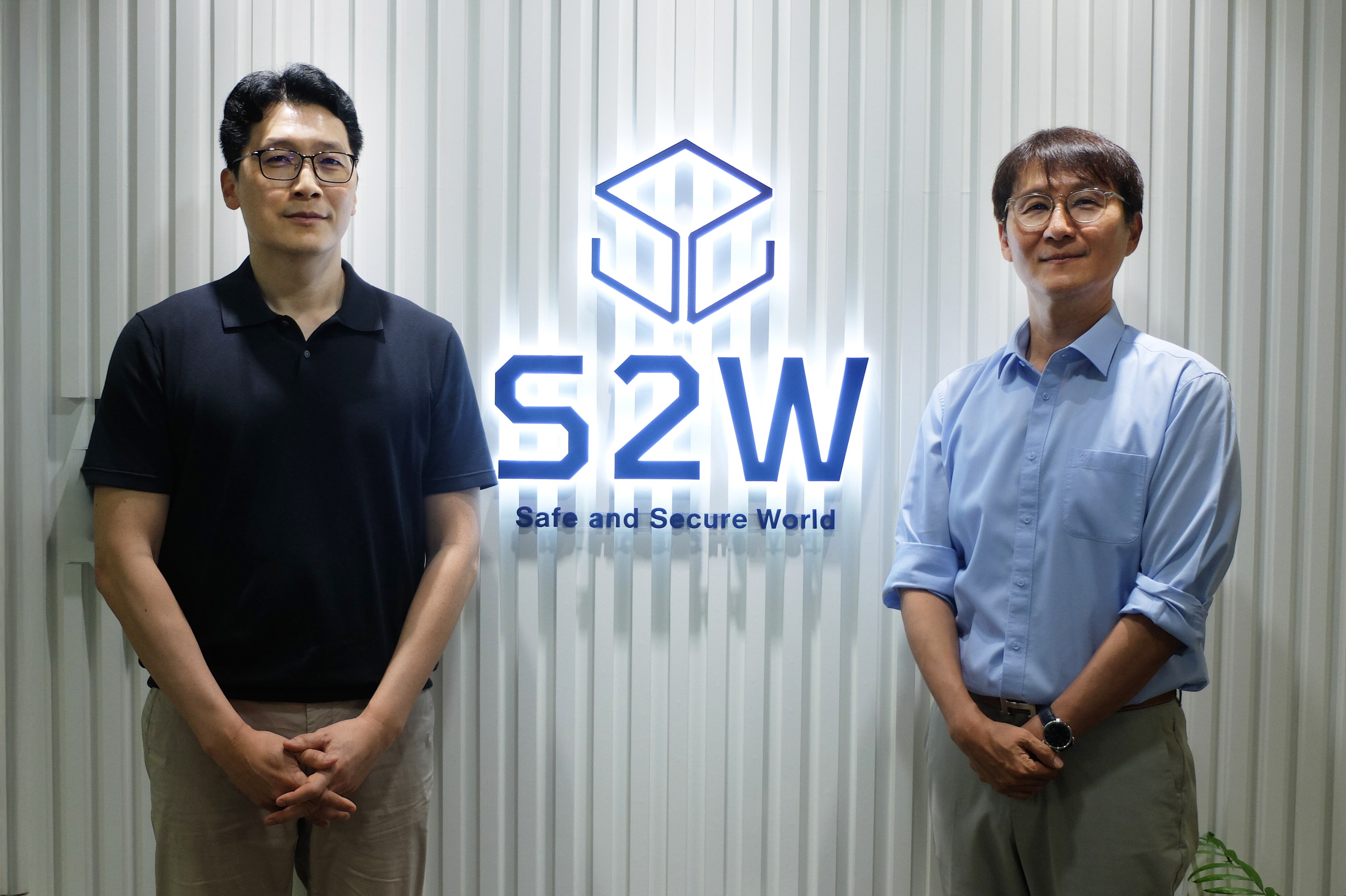
The Interpol organization, responsible for combating international criminal activities, consistently collaborates with a South Korean enterprise when dealing with cybercrime cases. This business entity is known as S2W, an artificial intelligence-driven cybersecurity company specializing in large-scale data analytics, often referred to as the "South Korean equivalent of Palantir." Their main offerings include "Jarvis" and "Quasar," advanced tools designed to process extensive datasets obtained from platforms such as the dark web, Telegram, blockchain, and more, utilizing AI technology to identify and notify governmental bodies and corporations regarding potential security risks and cyberattacks.

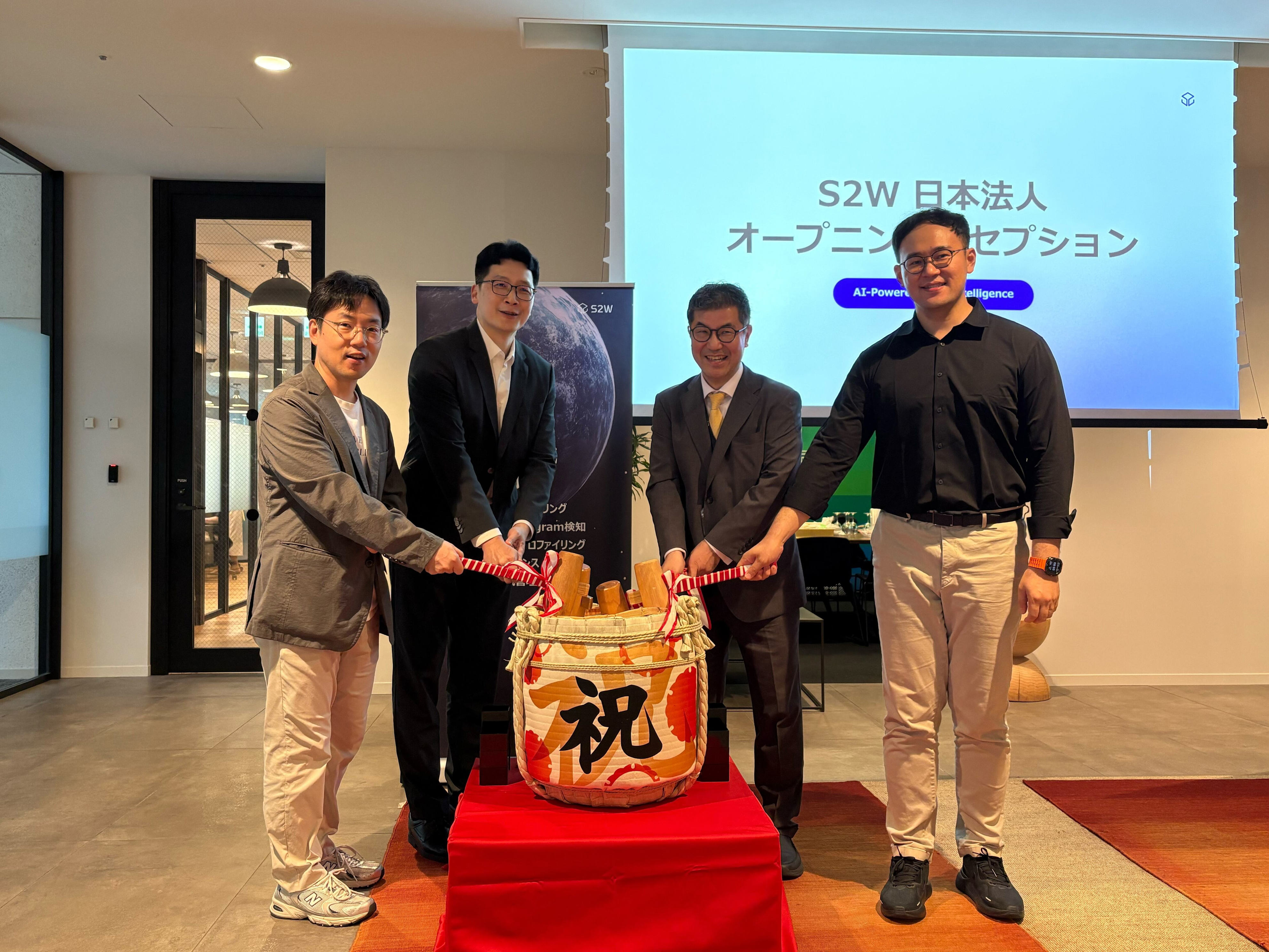
S2W is the sole Korean domestic firm involved in Interpol's public-private collaboration initiative known as the "Gateway Initiative." Due to this engagement, it enjoys greater recognition internationally compared to within South Korea itself. The company distributes its offerings across countries such as Singapore, Taiwan, Indonesia, Saudi Arabia, Greece, and various other regions. On June 23, it established a local branch office in Tokyo, Japan, aiming to expedite its expansion into the Japanese marketplace.

The CEO of S2W, Suh Sang-duk, was interviewed at the firm's office in Seongnam, Gyeonggi Province, on June 18 regarding current cybersecurity challenges across different nations. Suh remarked, "Cyber dangers transcend national boundaries," emphasizing, "It is essential to consistently gather and examine threat information worldwide, while adapting effectively to local conditions."

◇ Japan Braces for Proliferation of "South Korean-Type Cybercrime"

S2W's present emphasis lies on Japan. It extended its agreement with a Japanese governmental body in March, increasing the contract amount threefold. Suh stated, "A traditional society that depended on cash transactions and direct interactions witnessed numerous changes toward contactless systems following the COVID-19 pandemic, resulting in an increase in cybercriminal activities." Specifically, Japan remains vigilant because cybercrime trends initially observed in South Korea—nations undergoing swift digital transformations—are anticipated to appear later. Both nations encounter regular cyberattacks originating from North Korea and China.

A significant market is Taiwan. Being a major center for semiconductors and production, it faces substantial threats from cybercriminals and ransomware organizations. Suh stated, "By the first half of this year, Taiwan experienced the highest number of ransomware incidents in Asia," further mentioning, "Government departments, international technology corporations, maritime businesses, and more are all facing these assaults."

Indonesia encounters substantial security challenges as well. He stated, "Political unrest has resulted in numerous hacktivist groups directing their efforts toward the government, further intensified by strong cyber abilities possessed by nearby nations such as China." Singapore, an international financial center, specifically concentrates on protecting itself from assaults originating from North Korea and China, along with overseeing illicit trafficking pathways that go through the nation.

◇ A 'Cyber Conflict' Between the Middle East and Europe

The present-day digital environment can be described as a "battlefield." Suh highlighted four nations—North Korea, China, Russia, and Iran—as major actors, noting, "These regimes back hacker teams that breach enemy countries in advance of causing severe damage to essential systems such as electricity networks."

This scenario is particularly clear in the Middle East, where disputes involving Israel and instances of Iranian cyberattacks occur regularly. There is a strong demand for analyzing Telegram data. Suh noted, "Telegram is easier to access compared to the dark web, resulting in quicker uploads and greater sharing of information. Following the conflicts in the Middle East, advanced persistent threat (APT) groups and hacktivists have chosen Telegram as their primary platform, greatly boosting local interest." The area tends to prefer offerings from South Korea, Russia, and China rather than American services.

In Europe, rules such as the European Union's General Data Protection Regulation (GDPR) have emerged as a key factor for security firms. Suh mentioned, "Although Western Europe continues to be a bigger market, interest in cyber protection in Eastern Europe has increased consistently since the conflict between Russia and Ukraine began."

Expanding into international markets hasn't been without challenges. After setting up a U.S. branch in 2022, S2W faced difficulties because of powerful regional rivals. This situation highlighted the significance of employing local specialists to manage activities and developing an effective distribution system. As for upcoming objectives, Suh stated, "S2W is shifting from merely gathering and managing data to organizing it within relevant contexts for decision-making purposes, with the aim of becoming a worldwide data analytics firm connecting security and various industries."

Sunday, July 12, 2026

Beijing: China-EU Trade Talks Set for Fall, Held Annually

China and the European Union will conduct high-level trade discussions one or two times annually, according to China's Ministry of Commerce on Thursday, as both parties aim to boost and adjust their commercial relations.

The European Union is experiencing increasing demands to cut down its trade imbalance with China, which expanded to approximately 360 billion euros ($410 billion) in the previous year, equivalent to almost one billion euros daily. Chinese automobiles and battery products are some of the goods being more frequently shipped to Europe.

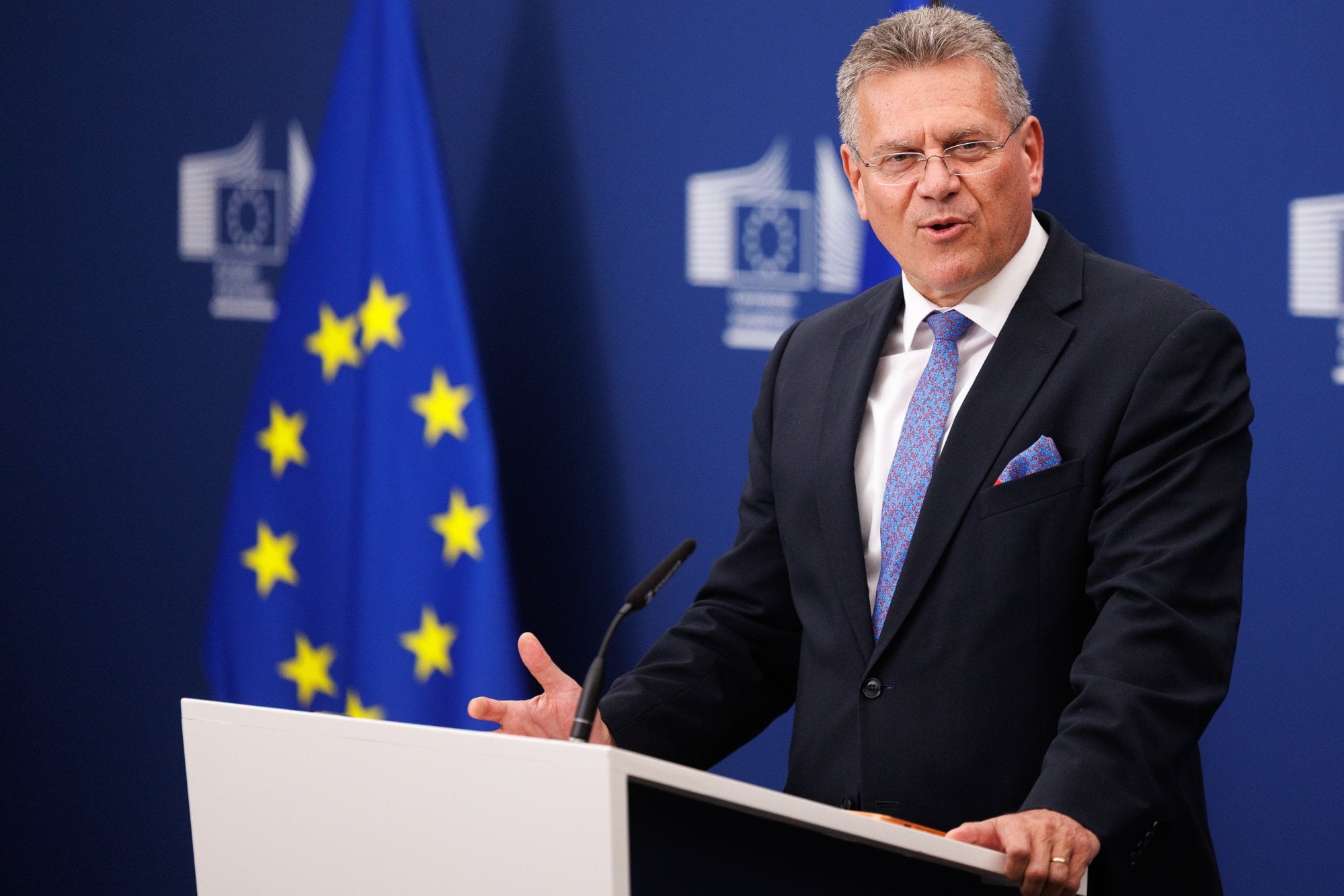
According to a new China-EU trade and investment dialogue framework, Beijing has also extended an invitation for European Union Trade Commissioner Maroš Šefčovič to travel to China during the fall, stated Ministry spokesman He Yadong to journalists.

He mentioned that both parties plan to enhance their cooperation in fields such as artificial intelligence and the shift toward sustainable energy sources.

Beijing's comments came after a discussion held between Šefčovič and Wang Wentao, China's trade minister, on Monday in Brussels. Following the meeting, Šefčovič stated he plans to visit Beijing this autumn.

With the growing trade deficit between China and the European Union, Europe must "protect our manufacturing sector and continue striving for fair competition worldwide," Šefčovič stated. He has established an October deadline for substantial progress on balancing trade relations.

On Wednesday, fresh EU regulations aimed at safeguarding the European steel sector and restricting small online shipments came into force, primarily directed at Chinese companies and imported goods.

A social media account affiliated with Chinese state media, Yuyuantantian, stated in a recent posting that China is open to boosting its purchases from the European Union; however, the EU must ease restrictions on exporting advanced technology goods to China and avoid turning trade and economic matters into tools for confrontation.

In June, heads of state from the G7 countries released a shared statement emphasizing the importance of strengthening their supply networks for essential minerals, which are vital for numerous advanced technology and military industries, as part of efforts to decrease dependence on China.

Supplied by SyndiGate Media Inc. ( Syndigate.info ).

Saturday, July 11, 2026

**"Ennova: Empowering Youth Entrepreneurs – AFA's Spotlight on SMEs Day"** Let me know if you'd like a version with more emphasis on the award nomination!

The ENNOVA platform, which focuses on supporting entrepreneurs within the African Development Bank Group, has received a nomination for a "Salute to Excellence Award" from The National Association of Black Journalists (NABJ).

The Bank designed ENNOVA To encourage an entrepreneurial mindset among young people in Africa. The AI-driven online platform provides resources, training programs, and connections to enhance youth business ventures, improve digital competencies, and link African entrepreneurs with employment and financial support possibilities.

The leading organization for journalists and media professionals from ethnic backgrounds in America presents these awards to honor outstanding reporting and communication efforts that effectively highlight the experiences and topics related to the African and African American diaspora.

The Bank’s ENNOVA initiative and promotional campaign has been shortlisted for the Salute to Excellence Awards in the "PR and Marketing Campaigns: Cause-Related Business" category. The Bank collaborated with five organizations focused on development to introduce ENNOVA, and the communication efforts led to a 58.8% rise in service platform users within less than ten months.

Managed by the Innovation and Entrepreneurship Lab within the Bank’s Human Capital, Youth and Skills Development Department, ENNOVA launched its initiative in February 2025 during a keynote gathering at the Sankalp Africa Summit, which is considered one of Africa's most significant events focused on entrepreneurship and sustainability. The discussion along with the Bank-sponsored exhibition stand highlighted how ENNOVA links entrepreneurs, universities, financiers, and business assistance organizations—groups committed to supporting new ventures, small businesses, and expanding enterprises to grow effectively.

The Bank's Recognition of Outstanding Achievement Awards mention a collection of Bank communications launched during the ENNOVA event and shared until the end of December 2025, including an ENNOVA explanation. videos and launch event summary video , press release exhibition stand promotion, media interaction, social media content highlighting ENNOVA offerings, a youth beneficiary blog and the ENNOVA platform itself .

View here to watch and discover additional information regarding the ENNOVA initiative aimed at young business owners.

"Being nominated for this Salute to Excellence Awards recognizes ENNOVA's role in supporting the African Development Bank Group's mission of improving skill development and employment prospects for young people and women across Africa, and turning these groups into an economic advantage," stated Dr. Martha Phiri, the Bank’s Director for Human Capital, Youth, and Skills Development.

After the event at the Sankalp Africa Summit, over a third of the approximately 1,500 participants signed up for ENNOVA.

"I learned about ENNOVA and believe it's an excellent platform since it facilitates knowledge exchange, allowing investors and entrepreneurs like me to access information all in one place," stated Nelly Ngongoro, a young entrepreneur signing up for ENNOVA.

The advancement of ENNOVA has been facilitated by supportive development partners who align with its mission to promote young entrepreneurial ventures, creativity, and employment opportunities throughout Africa. These include: the Fund for African Private Sector Assistance; the Organization of African, Caribbean, and Pacific States; Korea-Africa Economic Partnership; the European Commission; and the Swiss government.

The recipients of the Salute to Excellence Awards will be revealed at the National Association of Black Journalists Conference & Career Fair taking place in August in Atlanta, Georgia, USA.

For further information regarding ENNOVA's capabilities, click here to view the program's information leaflet.

© 2026 African Development Bank. All rights reserved. Published by AllAfrica Global Media (Ants).

Tagged: Economy, Business and Finance, Africa, International Organizations and Africa, Children and Youth, External Relations

Supplied by SyndiGate Media Inc. ( Syndigate.info ).
Desert to Power: Key Contracts Signed for 1,373 km Transmission Line Between Mauritania and Mali

The African Development Bank observed the signing of three project execution agreements with the Manantali Energy Management Company (SOGEM), representing a significant step forward in advancing the 225 kV Mauritania-Mali Power Connection Initiative.

The agreements were finalized in April 2026 with SOGEM, the division of the Senegal River Basin Development Organization tasked with implementing significant power supply initiatives.

The 225 kV Mauritania-Mali Power Interconnection Initiative focuses on building a 225 kV high-tension electrical network connecting key regions across Mauritania and Mali, aiming to enhance the dependability of electric service, support cross-border energy exchange, and strengthen the consistency of both nations' power systems.

The acquisitions represent a major advancement in the execution of this initiative, which will aid in enhancing regional energy links and promote economic and social growth in both Mauritania and Mali.

Three pacts, finalized by SOGEM’s CEO, Julien Charles Bernard Sagna, along with the involved firms, will support the development of a 225 kV dual-circuit high-tension power line stretching from Kiffa-Tintane-Yélimané, an essential route linking Mauritania and Mali, to promote transnational energy exchange.

The event was attended by Mauritania's Minister of Economic Affairs and Development, Abdallah Ould Souleymane Cheikh Sidiya, Minister of Energy and Petroleum, Mohamed Ould Khaled, and Malinne Blomberg, Country Manager for Mauritania at the African Development Bank Group.

The contracts also encompass the building of the 225 kV dual-circuit high-voltage Tintane-Aioun transmission line, designed to enhance Mauritania's power network and increase electrical accessibility in the specified regions. Additionally, the agreements involve oversight and inspection services for the projects to guarantee adherence to technical requirements, quality benchmarks, and prompt execution of the initiative.

The initiative falls under the umbrella of the African Development Bank Group's Desert to Power Initiative which seeks to produce 10 gigawatts of solar power to bring electrical supply to 250 million individuals in eleven nations within the Sahel area, ranging from Senegal in the western part to Djibouti in the eastern section of Africa. It also supports the goals of Mission 300 - a collaborative effort between the African Development Bank Group and the World Bank Group, seeking to deliver power connectivity to 300 million individuals throughout Africa by 2030.

Praising the initiative as an "electric path of hope," Mohamed Ould Khaled highlighted that the project's initiation establishes the groundwork for a more unified regional power market "able to foster economic development and steadily enhance the quality of life for residents."

" The initiation of the project highlights the African Development Bank's ongoing dedication to aiding Sahel nations in attaining widespread electrical connectivity by 2030," stated Malinne Blomberg.

In total, the project aims to establish a 1,373-kilometer transmission link connecting the electrical networks of both nations. This initiative will enhance regional cooperation, enable the exchange of renewable energy—especially solar power—and contribute to widespread availability of dependable and cost-effective electricity.

In addition to its technological aspects, the initiative aims to lower expenses related to power generation, enhance energy safety, foster industrial and economic growth in the regions it serves, and gradually elevate the quality of life for residents. It is anticipated that the project will be finished by 2030.

© 2026 African Development Bank. All rights reserved. Published by AllAfrica Global Media (Ants).

Tagged: Construction, Mauritania, Mali, Economy, Business and Finance, Energy, Industry and Infrastructure, West Africa

Supplied by SyndiGate Media Inc. ( Syndigate.info ).
Friday, July 10, 2026

Empowering Health Leaders: How Rwanda’s Cebe Project Is Revamping the Nation’s Healthcare System

Many individuals in Rwanda who live with disabilities find that access to assistive devices makes all the difference between relying on others and being self-sufficient, as well as between feeling alone and having chances for growth. These transformative solutions are supported by an increasing number of trained healthcare workers committed to assisting people in recovering movement, respect, and self-assurance.

Among them is Jackline Mupenzi Gatsinzi, whose professional journey has been driven by a dedication to enhancing the quality of life for individuals with disabilities.

Her path started in 2014 when she joined an Advanced Diploma program in Prosthetics and Orthotics at the University of Rwanda, motivated by a wish to support individuals in overcoming physical challenges using assistive devices. This chance was made possible by the East African Regional Center of Excellence in Biomedical Engineering and e-Health (CEBE) funded by the African Development Bank, allowing her to move from a bachelor’s degree to a master’s level. This experience improved Gatsinzi's technical abilities, expanded her knowledge, and increased her capacity to aid those relying on assistive technologies.

Following her graduation in 2017, Gatsinzi began working at the University of Rwanda as a clinical teacher within the Prosthetics and Orthotics Division, playing a role in delivering rehabilitative care and educating upcoming professionals.

This chance went beyond enhancing my academic journey; it broadened my knowledge, improved my abilities, and strengthened my dedication to supporting individuals with disabilities. Gatsinzi stated, "I now possess the resources necessary to create a more significant influence, enhancing people's lives and supporting the health and vitality of our neighborhoods."

While working with patients, Gatsinzi witnessed directly how well-designed prosthetic and orthotic equipment can change people's lives. People who had lost their ability to move found new freedom. Kids could go to school more conveniently. Adults went back to their jobs and active participation in society. However, she also realized the necessity of having more professionals to handle the increasing need for high-quality rehabilitation support.

Currently, Jackline works as a licensed prosthetist and orthotist, along with being an assistant lecturer and head of the department at the College of Medicine and Health Sciences within the University of Rwanda. She develops approaches that enhance movement and daily function for individuals living with disabilities, while also guiding and educating upcoming experts in the field. Her contributions have effects that go well beyond personal patients, influencing families, entire communities, and tomorrow’s medical practitioners.

Her narrative symbolizes a larger shift occurring within Rwanda’s healthcare system. By offering specialized education and skill-building programs, CEBE has cultivated almost 200 proficient graduates in biomedical engineering, e-health, and associated disciplines, with over 400 healthcare workers gaining hands-on experience in managing medical devices and digital health technologies. These individuals are supporting hospitals and clinics in maintaining essential medical tools, enhancing service efficiency, and ensuring that patients get prompt, high-quality treatment.

According to Peter Malinga, chief social economist at the Bank's office in Rwanda And the CEBE project task manager, the project's influence extends far beyond just training people.

CEBE is supporting the development of a new wave of well-trained biomedical engineers and digital health experts who are enhancing medical care throughout Rwanda and the surrounding area. Above all, it is establishing sustainable solutions that will elevate the standard of healthcare provided to local populations.

For Jackline, the initiative goes beyond career growth. It signifies a commitment to individuals—those who receive support and those dedicated to providing it.

"By means of initiatives such as the Centre of Excellence, the African Development Bank is cultivating a new group of experts prepared to address our continent's issues through creativity, empathy, and strength," she stated.

© 2026 African Development Bank. All rights reserved. Published by AllAfrica Global Media (Ants).

Tagged: Economy, Business and Finance, Rwanda, Health and Medicine, Innovation, ICT and Telecom, Central Africa, East Africa

Supplied by SyndiGate Media Inc. ( Syndigate.info ).

Tuesday, July 7, 2026

Nation Unveils Roadmap and Land Accountability Report for Economic Growth and Climate Resilience

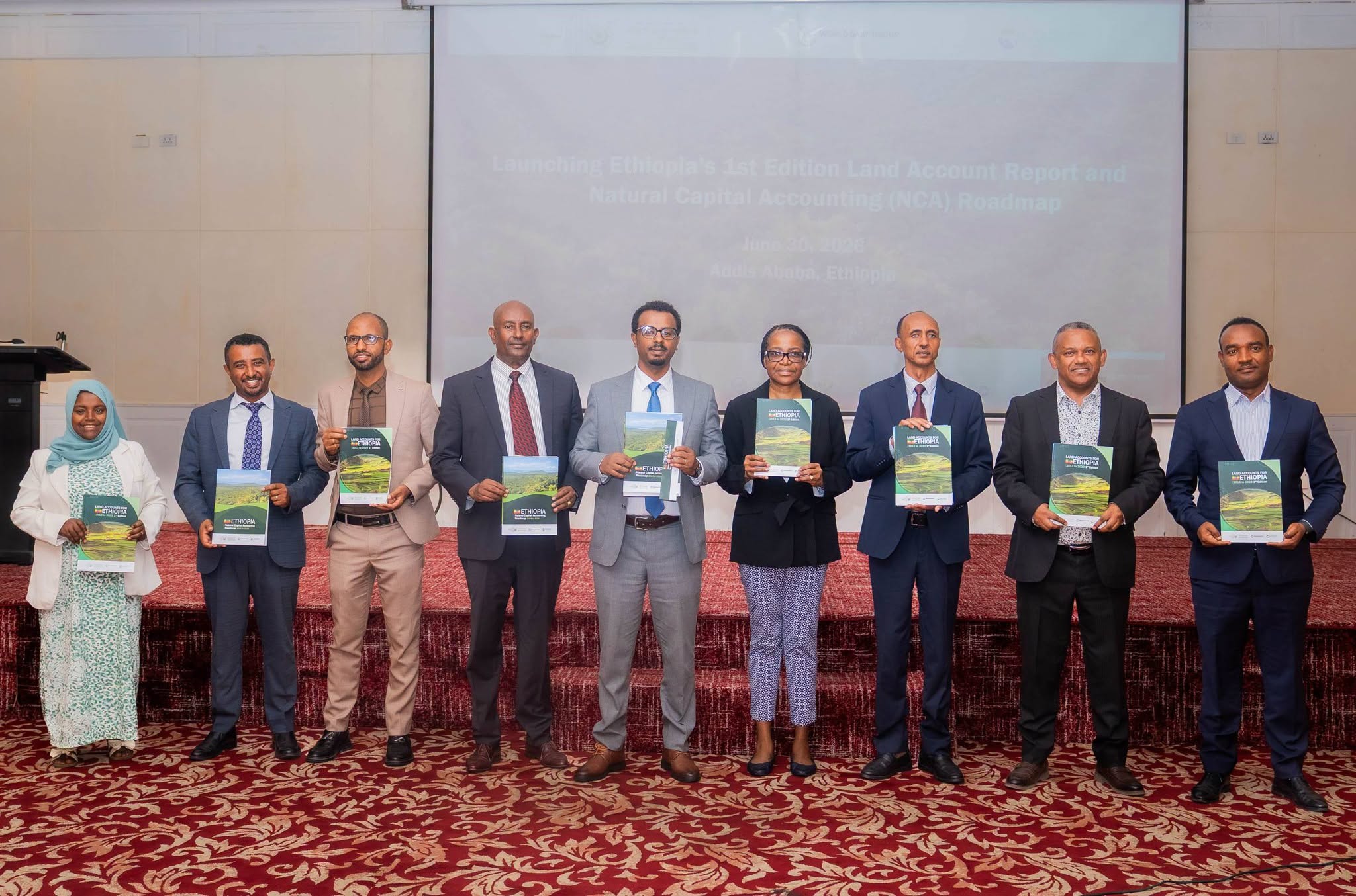
Addis Ababa, June 30, 2026 (ENA) – The National Capital Accounting (NCA) Strategy for Ethiopia and the first edition of the Land Account report were unveiled today.

The Natural Capital Accounting (NCA) Strategy of Ethiopia incorporates natural resources—including land, woodlands, and water—into the nation's economic planning process; this initiative creates a strong structure for evaluating the long-term viability of the country's economic growth.

Another document, Ethiopia's First Edition Land Account, serves as a key achievement in support of the nation's efforts toward climate resilience. These accounts illustrate changes in land use and land cover through the application of satellite images, geographic information systems (GIS), and uniform data categorization.

It has been reported that they are anticipated to establish a physical and economic foundation which enables governmental bodies to monitor the effects of extensive land management initiatives, afforestation efforts, and programs aimed at achieving land degradation neutrality.

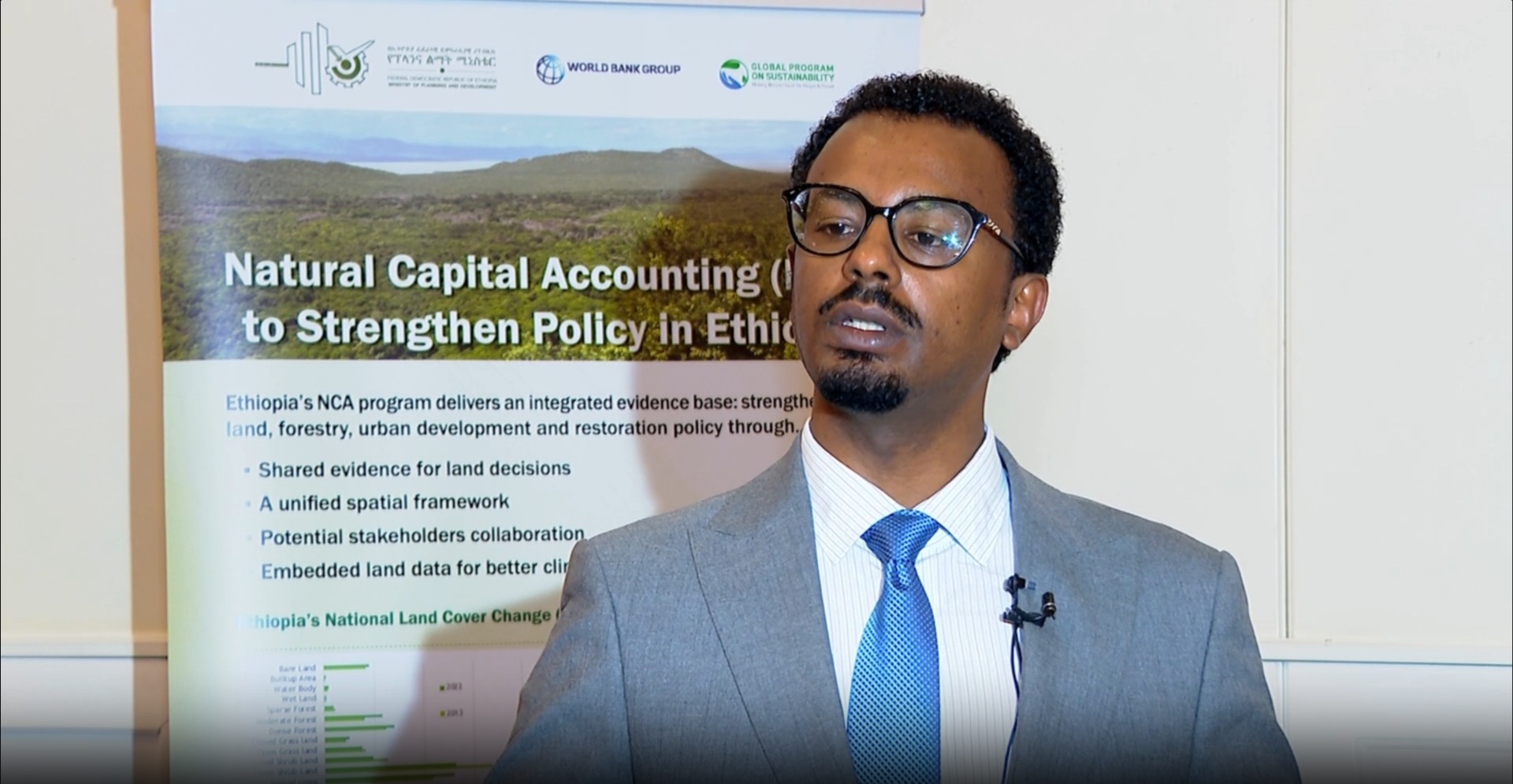
At the launch event, Bereket Fesehatsion, State Minister of the Ministry of Planning and Development, stated that the occasion goes beyond simply unveiling two significant reports. It also represents a reaffirmation of a common national objective rooted in data-driven policy formulation, prudent management of natural resources, and a strong dedication to shaping a future where economic growth and ecological balance move forward together.

The land records of Ethiopia will not be the final ones, as institutional capabilities grow and methodologies advance, leading to an enhanced comprehension of the country's total resources, he stated.

He stated that data itself isn't enough to bring about change; successful implementation depends on collaboration. The State Minister emphasized the importance of unified action from all involved parties—government agencies, the business community, non-governmental organizations, research bodies, educational institutions, and global development allies—to work together on this common initiative.

He emphasized that together, we must make sure these reports influence policy, direct investments, and affect decisions at all levels.

Acknowledging the advancements made shows what can be accomplished when organizations work together with clear objectives and mutual dedication, Bereket mentioned that the Ministry continues to strongly support integrating natural capital accounting into the core of Ethiopia's planning processes.

Head of World Bank Operations Juliana Victor stated, in her view, that these initiatives would hold substantial importance for safeguarding and maintaining natural resources.

She pointed out that these launches demonstrate a more robust strategy for growth.

"Natural capital hasn't been adequately considered in our economic choices, and when nature isn't accounted for, it tends to be underappreciated and exploited. Once it's devalued, it becomes difficult to incorporate. Therefore, the roadmap will also assist in addressing this issue," the manager stated.

As she mentioned, this accomplishment highlights several years of collaboration, institutional growth, and technical assistance within the World Bank's local and sustainable development program consulting and analysis initiatives.

Supplied by SyndiGate Media Inc. ( Syndigate.info ).
Sunday, July 5, 2026

Lake Chad Basin and AfDB Unveil Major Initiative to Revive the Shrinking Lake

Last May, the African Development Bank Group, the Lake Chad Basin Commission (CBLT), and the commission’s five member nations initiated a $10 million technical assistance initiative aimed at preparing the necessary investments to revive the environmental and economic roles of Lake Chad and enhance the durability of life for millions relying on its resources.

The Project for Technical Assistance in Restoring the Ecological and Economic Functions of the Lake Chad Basin (PARFEBALT) supported by the African Development Fund, along with extra funding from the CBLT which covers 10% of the project’s overall expenses, aims to increase understanding of the basin's water resources and strengthen their management.

At the start of the project initiation workshop, Passalet Kanabé Marcelin, Chad's Minister responsible for Water and Energy and currently leading the CBLT Council of Ministers, highlighted that the Lake Chad region plays a crucial role for millions of individuals, with their daily lives closely tied to access to water, farming activities, fishery, and animal husbandry.

PARFEBALT is a technical support initiative, yet primarily, it focuses on preparing for what lies ahead: its objective is to enhance understanding of water resources, upgrade management practices related to water and ecosystems, and establish the prerequisites needed to secure financing for an impactful regional investment strategy. Minister Marcelin mentioned, emphasizing the critical role of the initiative in addressing the cumulative impacts of climate change, environmental decline, and increasing demands on limited resources.

Participants at the workshop examined technical reports that will inform upcoming investments within the basin. These studies aim to explore methods for enhancing water flow in the Chari-Logone and Komadougou-Yobe river systems, which supply the majority of Lake Chad’s incoming water, while considering environmentally sound approaches to increase the lake's water levels. Additionally, they will analyze ecological, climate-related, economic, and societal aspects to determine the most effective strategies for revitalizing the region.

Acknowledging the increasing effects of climate change, the initiative aims to create a regional early-alert system to enhance predictions of floods and droughts, as well as implement advanced technologies for modeling and managing water resources. These actions will offer CBLT member countries more accurate information to shape their water management strategies and boost community resilience.

On behalf of the African Development Bank Group, Francis Dogo, the Country Manager for Chad, emphasized the critical need to address long-standing environmental damage within the region.

Lake Chad, among Africa’s major sources of fresh water, has experienced a substantial reduction in its size over the past few decades, decreasing from 25,000 square kilometers in 1960 to approximately 2,500 square kilometers at its lowest points, though there have been some improvements recently. Dogo said.

He pointed out that frequent droughts and flooding, excessive use of natural resources, disputes between agriculturalists and livestock keepers, and instability still pose risks to the region, emphasizing that improved cross-border water administration is crucial for promoting regional unity, improving food safety, and strengthening community endurance.

Attendees concurred that the research and instruments created within the PARFEBALT initiative would set the stage for attracting significant funding to revive the lake's water systems, rejuvenate farming, animal husbandry, and fishing activities, lessen populations' susceptibility to climate-related disruptions, and support peace in an area inhabited by over 40 million individuals.

The seminar ended with suggestions aimed at improving dialogue regarding the initiative to aid funding acquisition, speed up the implementation of national contact persons, bolster the Technical Monitoring Committee through added top-tier knowledge, and improve methods for tracking and assessing the project.

Stressing the African Development Bank's ongoing dedication to the project, Dogo stated: "We have an obligation to achieve success, and we will accomplish it."

© 2026 African Development Bank. All rights reserved. Published by AllAfrica Global Media (Ants).

Tagged: Economy, Business and Finance, Central Africa, Oceans and Rivers, International Organizations and Africa, Environment, External Relations

Supplied by SyndiGate Media Inc. ( Syndigate.info ).
Tuesday, June 30, 2026

Easy English News: Japanese Firms Block Unwanted Job Hops to Retain Talent

TOKYO — Businesses in Japan have initiated employment evaluations starting June 1 for graduates set to complete their universities in the spring of 2027. Certain companies are ceasing employee transfers unless approved by the employees themselves. They aim for this measure to assist in retaining skilled staff.

Read the complete English article

Please provide the original Japanese article so I can assist you with the paraphrase.

Shifts in work environments and relocation policies have become significant not just for employees, but also for students seeking employment opportunities.

At the headquarters of Daiichi Life Insurance Company in Chiyoda Ward, Tokyo, students attended job interviews on June 1. There was no specific attire required. Some students dressed in formal wear, while others opted for casual shoes.

The organization will discontinue "transfers without permission" for administrative positions starting in fiscal 2027. It mentioned that job applications have increased approximately 20% compared to the previous year. Several students indicated that this policy adjustment was a factor in their decision to apply.

Sota Hosokawa, 21, a final-year student at Yokohama National University, stated, "I aim to embrace opportunities across the country while I am still young. However, in the years ahead, I might require more time for my family. I prefer to remain adaptable, as I also wish to continue progressing in my professional life."

Akiko Nagaya, who leads recruitment at Daiichi Life Group Inc., stated, "The finance sector has traditionally been seen as one that moves employees across the country. However, we must evolve to allow individuals to define their own career journeys."

Several businesses are modifying their transfer policies due to concerns that unnecessary relocations cause employees to quit, and complicate the recruitment process.

Daido Life Insurance Co. halted employee transfers without staff consent in April 2026 for those in managerial positions. These employees have the option to relocate across over 100 locations within Japan. The firm requested employees' preferred destinations. During the April restructuring, over 90% of career path workers were assigned one of their top three choices. Employees who actually relocating could receive as much as 150,000 yen.

Mitsui Sumitomo Insurance Co. introduced a new policy in fiscal year 2026. Employees can now continue working in the prefecture of their choice. The company aims to eliminate unnecessary job rotations and allow staff to shape their own professional journeys.

Additionally, in April 2026, Tokio Marine & Nichido Fire Insurance Company allowed employees to decide whether they would agree to job rotations. Some staff members mentioned that this policy simplifies future planning.

(Akihiro Kawakami's Japanese version, Tokyo City News Department)

Vocabulary

move: to be relocated from one location to another by an organization

assessment: an evaluation or examination used to select individuals

consent: agreement to something

uses: documents or digital applications submitted to apply for employment

financial: about money

sector: a part of the economy, such as automobiles or finance

Management path: a program designed for aspiring leaders

reassign: a shift in roles or locations

Monday, June 29, 2026

Gold Bulls Optimistic About 2026 Outlook – International Edition

By Kizito CUDJOE

Ghana's mining sector anticipates maintaining record-high gold outputs in 2026, with estimates ranging from 6.1 million to 6.9 million ounces, as both major and minor miners boost their activities, reports the Ghana Chamber of Mines.

The chamber predicts significant gold output ranging from 3.2 million ounces to 3.4 million ounces for this year, whereas production from the informal sector is anticipated to fall between 2.9 million ounces and 3.5 million ounces.

Should they be implemented, these forecasts would highlight the increasing significance of artisanal mining within the nation's gold sector, as this part of the industry could match or surpass production levels achieved by major operations.

The forecast comes after a significant year in 2025, during which production from small-scale miners surpassed that of major producers for the first time in over a hundred years.

Speaking to stakeholders at the 98th session of the Ghana Chamber of Mines' event th Annual General Meeting (AGM) held in Accra, former Chamber President Michael Edem Akafia stated that the nation achieved widespread growth in its conventional minerals during 2025 – with significant increases observed in gold output.

The amount of gold produced that can be attributed rose by 23.41% from 4.82 million ounces in 2024 to 5.94 million ounces in 2025, mainly due to a significant rise in output from the artisanal mining industry.

Gold extraction at a smaller level increased by 63.82 percent, moving from 1.90 million ounces to 3.11 million ounces, thanks to initiatives such as the creation of the Ghana Gold Board. Consequently, artisanal mining contributed 52.4 percent of total country output, surpassing major-scale miners for the first time in over a hundred years," he stated.

In comparison, major gold manufacturing fell by 2.98 percent, dropping from 2.92 million ounces in 2024 to 2.83 million ounces in 2025, which decreased its portion of total domestic production from 60.6 percent to 47.6 percent.

Despite the drop in total large-scale output, the member firms affiliated with the chamber produced 2.77 million ounces in 2025, down from 2.86 million ounces in 2024, marking a decrease of 3.08 percent.

Mr. Akafia cited reduced production levels in most facilities, except for the Asanko Gold Mine and AngloGold Ashanti's Obuasi Mine.

The output from the large-scale operation was backed by Newmont's Ahafo Mine, Cardinal Resources Limited's Namdini Mine, and Zijin's Akyem Mine after it was acquired by Zijin from Newmont in 2025.

Additional major open-pit mines saw a slight rise in production, going from 55,000 ounces in 2024 to 57,000 ounces in 2025, indicating an increase of approximately 2 percent. However, their portion of total national output fell from 1.2 percent to 1.0 percent.

The robust showing of the gold industry aligned with one of the most impressive economic expansion periods in recent times.

The actual gross domestic product (GDP) rose from GH¢197.86 billion in 2024 to GH¢209.64 billion in 2025, showing an increase of 5.95 percent, up slightly from 5.85 percent recorded the prior year.

One of the most successful areas within the economy was the gold mining sector, which grew by 19.6 percent, primarily fueled by an increase in artisanal gold output.

The proportion of Gold in GDP rose from 7.97% in 2024 to 9.98% in 2025, becoming the leading component of the economy. Its portion inside the larger manufacturing industry also grew from 13.8% to 14.8%.

In addition to gold, manganese production grew from 5 million tons in 2024 to 5.2 million tons in 2025, marking an increase of 3.83 percent, whereas bauxite output climbed by 21.9 percent.

However, diamond output fell significantly from 332,297 carats in 2024 to 197,233 carats in 2025, representing a decrease of 40.65 percent.

The drop was blamed on lower natural diamond prices, growing rivalry from man-made diamonds, and weak worldwide demand.

In 2026, it is anticipated that manganese will be produced between 5 million metric tons and 6 million metric tons, whereas bauxite output is predicted to fall within the range of 2.5 million metric tons to 3 million metric tons. The estimated diamond production for the same period lies between 150,000 and 250,000 carats.

Mr. Akafia warned that the future of the mining industry hinges on clear policies, changes in regulations, prompt renewal of licenses, better management of artisanal mining operations, and sustained funding throughout the mineral supply chain.

His comments occur during an active discussion about the trajectory of the mining sector, involving the government's policy on contract mining, lingering problems with renewal of mining leases, and growing demands for increased local involvement in owning and managing mineral assets.

The Minister for Lands and Natural Resources, Emmanuel Armah-Kofi Buah, stated that the government remains committed to seeing mining as a key component of economic development and a significant contributor to foreign currency income.

"In line with our mid-term growth plan, the sector has been given priority within our overall strategy aimed at stabilizing the economy, encouraging manufacturing expansion, and enhancing preparedness for worldwide disruptions," he stated.

The official stated that the government is implementing changes designed to increase regulatory clarity and boost operational effectiveness within the industry.

Supplied by SyndiGate Media Inc. ( Syndigate.info ).
CEO of UK AI Firm Found Dead by Stabbing Weeks After Taking Leadership Role

Neil Muller, the recently named CEO of UK tech firm Node4, was discovered fatally injured with stab wounds at his residence in central England only seven weeks after starting the role.

Muller was discovered at his secured, five-bedroom home located on Langley Road in the village of Claverdon, Warwickshire, during the early hours of June 7th. Stratford Herald reported.

Emergency medical personnel notified authorities at 6:15 a.m. regarding a man in his 50s requiring immediate treatment after being stabbed in the chest, as stated by a Warwickshire Police report. The individual was declared deceased at the location at 6:37 a.m.

A 55-year-old woman from Birmingham was taken into custody at 7:33 a.m. on charges related to murder and later granted bail, according to authorities. The police department stated there is no ongoing threat to the general public and that an inquiry is currently being conducted.

Muller was appointed as group CEO of Node4, based in Derby, in April. Node4, which refers to itself as an artificial intelligence business solutions and managed service provider, is among the biggest tech firms in the Midlands. The company is supported by the private equity firm Providence Equity Partners and has approximately 1,100 employees. Muller was hired to refine the company’s approach and grow its AI-enhanced offerings.

A representative from Node4 expressed in a statement that the company was "deeply saddened" by Müller's passing.

Even though Neil has only recently become part of Node4, he created a significant influence within a brief period," the spokesperson stated. "He introduced genuine enthusiasm, drive, and dedication to the company, and his absence will be profoundly missed by everyone at Node4 and beyond in the broader sector.

Muller dedicated over twenty years with the IT solutions company Computacenter, ascending to the position of managing director for the U.K. and Ireland, subsequently holding the role of group chief executive officer at Daisy Group between 2015 and 2018, and later overseeing the cloud technology firm Digital Space for seven years up until 2025.

Messages of appreciation from various parts of the UK tech industry came after word of his passing. John Bearn, the European managing director at Computacenter, commented on LinkedIn That Muller was among the top professionals in the field, according to the trade magazine. Insider Media reported.

Neil Muller, former CEO of Node4. Image courtesy of Facebook

In addition to his professional life, Muller was a prominent presence in Claverdon, having served for six years with the local football club as both assistant manager and manager before retiring from those roles approximately two years ago. He continued to support the club financially, which achieved a league and cup double this season. He was captured joining the team in celebration of their success at Warwick Racecourse earlier this year, the Daily Mail noted. He has a spouse and two offspring.

His father, Brian, aged 81, said to the Daily Mail The family remained eager to find out what had occurred.

I received a phone call from the police at 9 a.m. on Monday morning informing me that Neil had passed away, but they haven’t provided us with any further details. We haven’t met with the police or received any additional information, so we simply don’t have more knowledge about what happened.

He mentioned that he had last talked to his son via telephone the prior week, noting that the family occasionally experienced long periods without communication due to his son's job.

Resident claimed they were shocked by the passing. A nearby resident, who requested anonymity, mentioned that Müller contributed significantly to the local soccer team and that his absence was profoundly missed throughout the community.

Saturday, June 27, 2026

Sudan Importers Accuse Government Bans of Fueling Currency Collapse and Inflation

June 10, 2026 (KHARTOUM) – The Sudanese National Chamber of Importers has accused the government of causing increased inflation and the decline in the value of the national currency, after an April order prohibited the importation of numerous products.

In late April, the Sudanese government banned the importation of more than 40 high-end and unnecessary items. This action was intended to reduce speculative activities in unofficial currency exchange markets, enhance local production, and strengthen the economic situation.

Nevertheless, the Sudanese pound hit a historic low on Wednesday, as the U.S. dollar was exchanged for approximately 4,700 pounds, representing its greatest decline so far. This downturn is fueled by the continuous conflict, declining exports, and a growing import cost.

The traders' association called on the government to quickly lift the restriction, stating that the measure had not succeeded in stabilizing the currency, caused price increases, and lowered public income.

Al-Sadiq Jalal al-Deen Saleh, leader of the National Chamber of Importers, informed journalists on Wednesday that evidence showed the decision did not work. He mentioned that the chamber had earlier advised the prime minister through a letter regarding the financial consequences.

Salih mentioned that the order overlooked the main factors behind the pound's drop, which he pointed out were speculative activities in the market and increased appetite for foreign exchange. He added that the administration addressed the surface issues instead of tackling the underlying reasons for the crisis.

He stated that prohibiting 46 products would not reduce the demand for foreign exchange or steady the local currency. Rather, it could result in monopolistic situations as importers exit the market, causing product scarcity and increased costs.

Banned items made up approximately 11% of overall imports in 2025 yet generated more than 38% of the customs and tax income gathered at port facilities, according to Salih, who cautioned that a decline in such revenue could increase the budget shortfall.

Salih further cautioned that the limitations would push illegal trading and trafficking across Sudan's weakly controlled frontiers to satisfy economic needs. He claimed that the prohibition serves just a limited number of individuals, generating income at the cost of buyers and the national budget.

According to data collected by specialist market departments on May 24, Salih stated that prices have increased significantly following the implementation of the ban. Local cement costs went up by 22 percent, Egyptian pottery by 42 percent, rice by 98 percent, and Egyptian instant noodles by 54 percent.

He attributed the current price hikes to a psychological reaction as traders and consumers stockpile goods in anticipation of shortages. Salih warned that steeper price increases are likely as supply scarcity worsens and market competition decreases.

Additionally, Salih pointed out that the currency rate declined from approximately 4,100 pounds for one dollar at the time of the announcement to roughly 4,770 pounds on Wednesday, which he used as proof that the restriction did not succeed in stabilizing the foreign exchange sector.

Salih once again urged the government to reassess the policy and implement actions aimed at addressing fundamental economic disparities instead of limiting commerce. He stated that the chamber would remain against the decision to safeguard market balance and national income.

The interim government announced Presidential Order Number 174 from 2026 in April aimed at prohibiting the entry of high-end and unnecessary goods.

The prohibition stemmed from suggestions made by a group assigned to halt the drop in the local currency, directives issued by the Senior Economic Panel, and an analysis provided by the Department of Industry and Commerce.

The regulation applied to over 40 products, such as bottled milk, excluding powdered and baby formulas, certain processed goods, cookies, candies, jellies, mineral and fizzy drinks, pre-mixed fruit beverages, pottery, and granite.

As per the Central Bank of Sudan's 2025 foreign trade data report, Sudan's exports reached $2.64 billion, whereas imports amounted to $6.49 billion, leading to a trade gap of $3.86 billion.

Supplied by SyndiGate Media Inc. ( Syndigate.info ).
Firms Let Workers Start Later During World Cup: Bosses Relax Schedules

Companies throughout Britain will let exhausted employees arrive at work later than usual during the World Cup because they intend to view soccer games after midnight.

Fans from England and Scotland are getting ready to adjust their work schedules to remain awake until early morning hours to watch the competition, with matches starting as late as 2 AM in the UK.

Employees who wish to view the games taking place in the United States, Mexico and Canada they are allowed to exchange shifts, begin work later following major games, or compensate for the time missed.

Certain companies have already provided employees with a schedule of events, allowing for half-day bookings ahead of time, whereas others are displaying the matches on a screen in the workplace.

England start their campaign against Croatia in Dallas on June 17 at 9pm UK time, followed by a match against Ghana in Boston on June 23 also at 9pm, and then face Panama in... New Jersey at 10 pm on June 27

Scotland will take on Haiti on June 14 at 2 am, followed by a match against Morocco on June 19 at 11 pm, both held in Boston; after which they will travel to Miami to compete against Brazil on June 24th at 11 PM.

An unconventional approach was taken by Paul Denley, CEO of Oakham Wealth Management based in London, who implemented a World Cup "ticket distribution" system for employees.

He told the Daily Mail, "Each person receives a small amount of electronic vouchers that they can redeem if they wish to watch a night game and then arrive at work slightly later the following day. The concept is straightforward: respect employees as grown-ups."

Major athletic competitions aren't frequent, and some adaptability can greatly boost spirits. Still, each competition requires officials.

Individuals who arrive not functioning properly following an evening of excessive drinking might be issued a yellow card. Those who repeatedly violate this rule could receive a red card and lose their remaining tickets. The majority of attendees act reasonably.

Granting staff some confidence usually leads them to respond with dedication and positive attitude. A little adaptability, a touch of humor, and some logical thinking are much more practical than acting as though no one watched the match late at night.

Samuel Mather-Holgate, the managing director of the Swindon-based consulting company Mather and Murray Financial, has also been thinking about ways to assist employees in viewing games.

He said to the Mail: "There is flexibility available regarding late matches, though considering England's present performance, this approach might not be necessary for much longer."

Staff have the flexibility to exchange shifts, begin work at a later hour following major games, or compensate for lost time reasonably. The objective is to maintain team spirit while ensuring the company doesn’t negatively impact efficiency.

For smaller companies, it revolves around trust rather than chaos. To be honest, if staff can handle additional hours, fines, and the country's emotional ups and downs, they likely deserve a more flexible beginning.

Supporters of the Three Lions are optimistic that their path will conclude with success on July 19, putting an end to six decades of disappointment and securing a World Cup victory for the first time since 1966.

Meanwhile, Scotland has secured qualification for their first World Cup since 1998, as they have failed to advance beyond the group phase in all eight of their prior participations.

An HR specialist named Kate Underwood said to the Daily Mail, "The World Cup is an event that causes even the most dependable worker to come up with imaginative reasons for not being at work, so successful small companies prepare for this in advance. A delayed start time should not result in a delayed employment termination."

Customers who get it correct aren't paying additional money. They allow individuals to begin work an hour later following a late-night event, exchanging shifts so supporters take over from one another, displaying the game on a monitor in the workplace, and distributing a schedule of matches so part-time days are arranged ahead of time and the roster remains free from unexpected issues.

Ms. Underwood, the creator of Southampton-based Kate Underwood HR and Training, stated: "Make sure you have the proper license to show games at work, otherwise your only penalty will be yourself."

Intelligent approaches provide flexibility for all, not only those passionate about sports, ensuring that even colleagues unfamiliar with rules like offside receive equal appreciation for their interests.

That’s how you avoid bitterness and maintain consistent productivity. Prohibiting it won’t encourage more effort. It only leads employees to secretly use their phones in the restroom. Be the manager who sits with them on the couch.

A different company broadening its remote work options as an effort to reduce employees taking time off the next day is the digital agency Pull the Pin, based in Birmingham.

The founder of the organization, Sam Hufton, said to BBC News: "Being an enthusiastic soccer supporter, I have made sure everyone knows that if they wish to view a match and begin slightly later, that's acceptable; our only request is that they remain honest about it."

Each person creates a rough weekly schedule indicating their start and end times for each day, ensuring the entire team is aware of everyone's availability.

Not all people are fans of soccer, yet many will be interested, particularly families looking for something to watch collectively. For anyone who decides to try it, my only hope is that they truly appreciate it.

A study conducted by YouGov revealed that over 50% of individuals in the UK who plan to follow the competition prefer watching games in real-time instead of viewing them at a later time.

As reported by BrightHR, an employer of human resources and absenteeism management software company, the day following England's initial game is the busiest day for bookings among those aged 60 and above during the competition.

The company predicts that businesses will spend over £94 million on sickness benefits throughout the event, with at least 3.6 million sick leave days being used.

England defeated New Zealand 1-0 in a pre-tournament exhibition match held in Tampa Bay on Saturday, followed by a 3-0 victory over Costa Rica in an additional practice game yesterday in Orlando.

They will now get some downtime before heading to their competition headquarters in Kansas City.

Read more

Hong Kong Bus Lovers Face Loss of $1M Classic Double-Decker Restoration

Two companions specializing in restoring old buses in Hong Kong find themselves compelled to discard their HK$1 million initiative aimed at bringing back a historic double-decker.

Terrence, together with his blacksmith companion Chung, who is employed in the automobile sector, had wished to refurbish an old China Motor Bus Company (CMB) vehicle at their workshop located in the northwestern part of the New Territories.

The former owner purchased it from a junkyard when it was decommissioned by New World First Bus approximately 20 years back — we acquired it in 2019," Terrence, who provided only his first name, mentioned to HKFP earlier this week. "The engine and transmission are still functional, but the chassis is severely deteriorated.

It's unfortunate, but unavoidable - I have to cut down on hobby-related costs as I grow older. Additionally, we must conserve our resources for bus restoration projects.

In a Facebook post They stated that "the bus will be considered for recycling if no one shows interest by the end of this month."

Transport revolution

In the 1960s, CMB enhanced its collection of vehicles by adding the Guy Arab, a contemporary model manufactured in Wolverhampton, England.

As per Terrence, a regional firm upgraded part of the fleet from single-level to two-story designs. These vehicles were subsequently put into service to address the increasing number of residents in the city.

CMB was the pioneer in bringing double-decker buses to Hong Kong. Nevertheless, its bus services ceased operation in 1998, and it shifted to property development.

The bus company was acquired by New World First Bus.

The New World First Bus placed the Guy Arab under consideration for the task of conveying tree-felling employees throughout the city. For as long as it remained in service until 1998, personnel utilized its open platform to trim excessively grown vegetation along roadways.

"The bus served as a police observation post at Victoria Park during each Lunar New Year," Terrence said to HKFP.

A 2022 scholarly study from the Education University of Hong Kong, authored by Chiu Chuk-yin, states that the future of CMB became determined in 1981 after Paliburg Investments made an aggressive attempt to acquire the company.

"From that point onward, CMB became more cautious in managing its bus operations, and its shortcomings were fully exposed following a deadly accident in 1982. During the bus drivers' strike in 1989, CMB was intended to be removed from the list of public transportation providers as the Hong Kong government ceased to view CMB as a dependable bus company," the article stated. said .

The decrease in "the number of bus routes in 1993 and 1995 marked the beginning of the conclusion of CMB's transportation services."

Friday, June 26, 2026

CIMB & China CITIC Bank Boost China-ASEAN Linkages

The collaboration will facilitate international banking, commerce, and financial services along the route.

CIMB Bank has entered into an agreement with China CITIC Bank aimed at enhancing financial links between China and ASEAN .

The collaboration will primarily concentrate on Malaysia and Indonesia, while also promoting wider commercial, financial, and investment activities throughout the China-ASEAN region.

The partnership will integrate China CITIC Bank's domestic network within China with CIMB's presence across Southeast Asia.

Both bank clients are anticipated to receive access to financial services encompassing trade activities, payment processes, and international funding options.

The collaboration will further enhance the ability to process payments and clear transactions involving both the Chinese yuan and foreign currencies.

This could involve possible access to China's Cross-Border Interbank Payment System, internal RMB banking fund mechanisms, and offshore loans directed towards ASEAN economies.

Both financial institutions will examine collaboration regarding international treasury and liquidity management, covering services such as account setup, upkeep, and administration for businesses operating locally.

CIMB and China CITIC Bank will further assist clients' growth via reciprocal recommendations and consulting services.

Advisory assistance will include guidance on entering new markets, meeting legal standards, handling international deals, and exploring possibilities for business combinations.

Banks will further investigate collaborative efforts in syndicated loans within both global primary and secondary markets to enhance clients' availability of local and overseas funding.

Thursday, June 25, 2026

Togaraseyi Projects: Crafting a Legacy of Excellence

Starting from modest origins, Togaraseyi Projects has grown into one of Zimbabwe's leading construction and design companies, consistently reinforcing its standing with outstanding craftsmanship, creativity, and top-tier professionalism.

Established in 2011 by business leader Christopher Tafadzwa Togaraseyi, the organization has gradually developed into a well-regarded entity within Zimbabwe's building industry, simultaneously extending its presence throughout neighboring regions and global areas.

Togaraseyi stated that the company's expansion has been fueled by a dedication to delivering high-quality services, maintaining professional standards, and ensuring client happiness even within a fiercely competitive sector.

"we didn't begin on a large scale, but we put in the effort to establish our place by offering dependable and high-quality services. By maintaining professional standards, focusing on details, and delivering projects excellently, we've created long-term connections with our customers and gained their confidence," he stated.

For many years, the company has subtly reshaped homes, businesses, factories, and public buildings, establishing itself as an offering of contemporary, long-lasting, and creative building options.

Their work has not escaped recognition.

The Togaraseyi Projects have been honored with over 25 regional and global accolades for their impact on construction, creativity, project execution, and sector benchmarks.

Lately, the firm's CEO, Christopher Togaraseyi, was honored with the Community Impact Construction and Design Innovation Prize during the Community Builders in Africa Awards taking place in Harare.

"Being an entirely homegrown company, we take pride in gaining acknowledgment at the local level, throughout Africa, and globally. These accolades signify outstanding performance, collaboration, and a well-defined plan for expansion," he stated.

The African Community Builders award followed quickly after Togaraseyi received recognition in the UK through a Global Excellence Outstanding Leadership in Infrastructure and Enterprise Award presented by the Leaders Without Borders Development Centre.

The organization was additionally acknowledged as an Up-and-Coming Multinational Enterprise due to its significant influence throughout Africa via superior project execution in architecture and building.

Additional acknowledgment was received at the Iconic Africa Awards, where Togaraseyi was recognized for remarkable accomplishment and distinguished leadership in contributing to Africa's economic growth and long-term sustainability.

"It was an honor to be acknowledged along with other African leaders driving meaningful progress for the continent. This kind of acknowledgment encourages us to keep improving quality and providing added value to our customers," he stated.

Currently, Togaraseyi Projects provides an extensive array of services, establishing itself as a full-service construction solution company.

The firm offers design and building services for homes, businesses, factories, and public facilities, providing options customized according to customers' financial constraints, daily living needs, and future expansion strategies.

Furthermore, the company delivers construction materials, offers machinery and transportation rental options, and provides earthworks services, land clearing, and supply of crushed stone.

Exclusive services involve building swimming pools, tennis and basketball facilities, water sealing, garden design, installation of ceilings, and contemporary interior decorations.

The company additionally offers consulting services including viability assessments, project development, financial estimation, and guidance during construction phases.

As the number of accolades increases and the range of projects expands, Togaraseyi Projects remains firmly established as one of Zimbabwe's top construction and design firms, guided by a mission to provide high-quality infrastructure and long-term benefits for its customers.

Supplied by SyndiGate Media Inc. ( Syndigate.info ).

Wednesday, June 24, 2026

Mainichi Quiz: Why Are Companies Ditching Document Checks for One-on-One Chats?

How well have you been keeping up with developments in Japan? Take the Mainichi News Quiz from June 11 to assess your understanding of current events. Are you ready?

What prompted Rohto Pharmaceutical Co. to switch from document review to face-to-face conversations when recruiting new graduates?

A) Due to an increase in application submissions generated using generative AI, assessing students' uniqueness has become more challenging.

B) Due to the company's desire to lower travel expenses by decreasing virtual interviews and consolidating hiring processes in Osaka

C) Due to requests from universities, the company was instructed to cease using academic transcripts and instead focus solely on employee recommendations.

D) Due to a lack of personnel in regional offices, the final interview arrangements were postponed.

Click this link for the solution

Sam Altman Meets Samsung and Kakao in Seoul Visit

Sam Altman, the chief executive of OpenAI, is set to arrive in South Korea on Sunday, the 14th, for a brief stay spanning one night and two days. This will be his first visit in eight months, following his previous trip in October. After Jensen Huang, CEO of NVIDIA, recently made a stop in the country where he engaged in discussions about physical AI with several firms, Sam Altman's upcoming visit has sparked assessments that South Korea's impact within the worldwide technology sector continues to increase.

Throughout his brief trip, Sam Altman is set to present an internal talk at Samsung Electronics and hold discussions with Kakao about broadening their AI partnership. Altman is expected to leave on the evening of the 15th.

As per the technology sector, Samsung Electronics is completely implementing three artificial intelligence platforms — ChatGPT, Gemini, and Claude — throughout its business activities, with the broadest implementation of ChatGPT Enterprise. This prompted Sam Altman to visit Samsung Electronics directly for a presentation. An insider in the tech field mentioned, "Of the three AI tools utilized by Samsung’s DX (finished product) department, ChatGPT sees the greatest use. All worldwide staff within the DX unit utilize ChatGPT, approximately 50% employ Gemini, and Claude is accessed solely via APIs."

Sam Altman will subsequently meet with Kakao's leadership team, such as Representative Chung Shin-a, to explore enhancing AI cooperation. In February of last year, OpenAI and Kakao established a strategic alliance centered around incorporating ChatGPT into Kakao's primary services. At this gathering, both parties anticipate concentrating on improving the connection between KakaoTalk's conversation environment and ChatGPT.

Altman is also expected to engage with local businesses utilizing ChatGPT Enterprise and discuss matters with companies involved in AI infrastructure. Nevertheless, he is not likely to meet with Lee Jae-yong, chairman of Samsung Electronics, or Chey Tae-won, chairman of SK Group. Lee is presently traveling for business purposes in Europe, and his schedule does not coincide with that of Chairman Chey.

Tony Elumelu Named Chairman of Seplat Energy

Tony Elumelu has been chosen as the upcoming Chairman of Seplat Energy. He will take over from the present Chairman, Senator Udoma Udo Udoma, starting in January 2027, marking a fresh phase of leadership as the company advances along its path of expansion and evolution, according to a statement from the board.

The board has additionally named Engr. Effiong Okon as Chief Executive Officer starting from 1 August 2026. These board updates were revealed in an announcement submitted to the Nigerian Exchange Limited (NGX), which was signed by the company secretary, Edith Onwuchekwa, on Tuesday, complying with the exchange's regulatory standards.

Mr. Elumelu serves as the Founder and Chairperson of Heirs Holdings, a prominent pan-African investment company, which has stakes in key areas of the African economy such as energy, electricity, banking, insurance and financial services, technology, property and tourism, and medical care.

He is also the leading advocate and originator of Africapitalism, an economic ideology that promotes harnessing Africa's capabilities via sustained investments in critical areas that enhance living standards and reshape the continent.

Currently, Mr. Elumelu holds the position of Chairman at Transcorp Group, which is Nigeria's biggest publicly traded conglomerate. Its affiliated companies consist of Transcorp Power, a major generator and provider of electrical power in Western Africa, and Transcorp Hotels Plc, recognized as Nigeria's top hotel chain. Additionally, he leads the UBA Group, a wide-ranging African financial institution.

The newly appointed Chief Executive Officer, Engr. Effiong Okon, is a seasoned executive boasting more than 35 years of international industry experience, along with a strong history of achieving operational success and implementing effective strategies.

He has extensive knowledge of the organization, having joined the Company in 2018. He began his tenure on Seplat’s Board as Operations Director for four years, later transitioning to the role of New Energy Director, and more recently acting as Managing Director of ANOH Gas Processing Company ('AGPC'), where he effectively oversaw the project's implementation leading to the achievement of first gas in January 2026.

With Seplat moving into its next stage of expansion, Elumelu's extensive resources...

expertise in corporate governance, institutional development, and sustainable growth will provide significant insight as the company enhances its standing as a robust, internationally competitive energy entity.

Supplied by SyndiGate Media Inc. ( Syndigate.info ).

Saturday, June 20, 2026

Bank Household Loans Surge 6.9 Trillion Won Amid Stock and Housing Boom

The bank sector's household loan volume rose by 6.9 trillion South Korean won last month, reflecting an over three-fold increase in the monthly growth rate. This spike was fueled by growing interest in stock investments after the KOSPI climbed and improved activity in real estate deals in the metropolitan area, resulting in higher demand for various types of individual loans such as credit loans and negative balance accounts along with mortgages.

As per the Bank of Korea's publication called *‘May Financial Market Trends,’* issued on the 11th, bank-based household loans rose by 6.9 trillion South Korean won during the previous month. This rise surpassed threefold the increase seen in April (2.1 trillion South Korean won) and also outperformed the figure for the corresponding period last year (5.2 trillion South Korean won). As a result, the total amount of household loans within the banking system climbed to 1,181.8 trillion South Korean won.

The expansion was driven by various types of loans such as personal credit loans, negative balance accounts, and equity-secured loans. These loans shifted from a decline of 600 billion South Korean won in April to a rise of 3.7 trillion South Korean won in May. According to the Bank of Korea, there was a substantial surge in loan requests due to major individual stock investments occurring alongside spending demands during the holiday season.

Certainly, the KOSPI climbed to 8,476 by late May, fueled by a booming semiconductor industry and hopes for better company profits, before reaching an all-time peak of 8,801 on June 2. Nevertheless, it subsequently declined due to growing concerns about potential interest rate increases from the U.S. Federal Reserve. Equity-focused mutual funds saw their balances rise by 58.8 trillion South Korean won, supported by higher valuations resulting from increasing share prices along with fresh investments amounting to 7.6 trillion South Korean won. Total assets managed by investment firms also expanded by 86.4 trillion South Korean won, reflecting a significant influx of capital into the equity markets.

Mortgage lending rose by 3.2 trillion South Korean won, marking an expansion compared to the prior month's rise of 2.7 trillion South Korean won. Although jeonse loans remained downward, this trend was due to higher property dealings focused on medium-to-low cost residences within the metropolitan area as well as greater interest in temporary payments for ongoing pre-owned new construction projects. Apartment transaction volumes in Seoul hit 8,500 units during April, representing a notable jump from the preceding month’s total of 5,500 units.

Corporate lending also kept increasing. In May, bank corporate loans rose by 10.6 trillion South Korean won, staying at a level comparable to the prior month's 10.7 trillion South Korean won. SME loans climbed by 5.4 trillion South Korean won as part of an initiative aimed at broadening productive financing, whereas loans for major corporations went up by 5.2 trillion South Korean won because of demands for working capital to settle corporate bonds.

On the contrary, corporate bond issuing decreased because of the pressure from increasing interest rates. As businesses turned to other financing options like bank loans, corporate bonds experienced a net withdrawal of 1.1 trillion South Korean won, with commercial paper (CP) and short-term bonds also moving toward net withdrawals.

Friday, June 19, 2026

1,600 Families Escaped Extreme Poverty with FXBVillage & The Light Foundation

Within certain families located in the Nyaruguru and Gisagara districts of Rwanda's Southern Province, poverty was an everyday challenge—exemplified by households facing hunger, limited educational opportunities, and lives centered around mere survival. Within a span of three years, these challenges underwent significant changes due to the efforts of the FXBVillage/The Light Foundation program, supporting 1,600 families in building long-term incomes and escaping severe poverty. From struggling to survive to achieving independence, many participants describe profound transformations based on personal experiences—households previously battling hardships now enjoying stability, respect, and new optimism. "My life was entirely shattered; I drank excessively, treated my wife poorly, and my family disintegrated. My kids weren’t attending school, our house was deteriorating, and I felt hopeless," recalled Anastase Gatana, a parent of six residing in the Nyaruguru area. He mentioned that guidance provided by the program enabled him to reconstruct his domestic situation and relationships. Now, he shares a changed lifestyle: "Now, me and my spouse collaborate as equals. Our residence has been restored, we possess animals, our children go to school and remain healthy, and we enjoy harmony. It isn't the conclusion of the project making this permanent—it's realizing what is achievable." Similarly, in the Gisagara region, another participant recounted moving from distress to steadiness. "I joined this initiative feeling extremely helpless. My offspring couldn't enroll in schools because we lacked funds for tuition or attire. Hunger was constant..." explained Anastasie Nyirantore, who raised five children. She emphasized that instruction, group saving initiatives, and farm assistance allowed her family to become more stable. Currently, she notes consistency in agriculture output and academic involvement: "At present, I’m an inspiration to others in my neighborhood. My garden consistently yields produce all year round. My children stay fit and rarely fall ill. They're enrolled in school and performing well. With earnings and deposits, I've reconstructed my dwelling… even after this endeavor concludes, I'll carry forward—as I’ve confirmed to myself that I'm capable.” These accounts mirror achievements observed among the 1,600 families aided by the FXBVillage/The Light Foundation campaign. Achieving departure from destitution The initiative wrapped up earlier this month with celebrations held in Nyaruguru (on June 2nd) and Gisagara (on June 3rd), drawing participation from governmental representatives, collaborators, and residents alike. Throughout a period of thirty-six months, it offered: - Support to 800 direct recipient type one (DB1) homes requiring intense aid. - Assistance to 800 direct recipient two (DB2) homes via savings collectives and financial growth activities. This strategy aimed towards transitioning individuals away from deep deprivation toward being independent. "What we’re passing along today transcends merely a document—we are transferring a revitalized society. These people no longer depend upon us—they hold reserves, enterprises, robust young ones studying, and assurance needed to shape their destiny," remarked Emmanuel Kayitana, executive director of FXB Rwanda during the transfer event. Five core elements driving change The framework tackled indigence through several interconnected domains: Home inspections concerning cleanliness, nourishment, and caregiving; Economic advancement using village-based loan systems alongside entrepreneurial learning; Nourishment improvement and sustenance availability via horticulture and animal husbandry; Educational backing coupled with technical skill development; Healthcare and water-sanitation improvements. Those involved emphasize that combining various strategies led to enduring modifications. Major accomplishments Across both regions, notable advancements occurred: Total value saved under VSLA increased beyond RwF263 million (up from RwF33.5 million). Eight hundred homes established ventures valued at RwF212 million. Social enterprise investment totaled approximately RwF96 million. Supporting education cost Rsf393 million benefiting 1,738 pupils altogether. Training programs funded for 154 youths costing roughly Rsf123.2 million. Investments related to water-safety-hygiene and dwellings added up to nearly Rsf102.6 million. Grants allocated to DB2 recipients reached RwF1.232 billion. In Nyaruguru, accumulations hit about RwF114 million whereas Gisagara documented over RwF149 million. Enhanced quality of existence Initially, numerous families subsisted solely on single daily meals. Eventually, almost everyone claimed having three nutritious meals per day, attributed partly to enhanced cultivation practices and backyard vegetable plots. Nutritional variety grew better, leading to reduced cases of childhood malnourishment. Attendance rates and scholastic achievement saw enhancements too, with comprehensive help extended to 1,738 learners covering costs, supplies, and continuous monitoring. Medical benefits became stronger owing largely to widespread insurance inclusion combined with superior hygienic measures lowering instances of avoidable illnesses. Local governments committed to maintaining the positive developments Authorities in each locality highlighted the significance of continuing advances made thus far. “FXB’s triumph showcases much more than noble aspirations—it indicates genuine systemic evolution regarding familial perspectives about the future... There’s absolutely nothing left behind,” noted Assumpta Byukusenge, deputy mayor responsible for social affairs in Nyaruguru district. Meanwhile, in Gisagara zone, Jean-Paul Habineza, vice-mayor overseeing economic expansion, expressed admiration for FXB Rwanda demonstrating practical implementation of unified, family-focused developmental models. “Starting off as externally-funded projects evolve into communal abilities forming valuable resources locally,” he pointed out. Additionally, he affirmed that those completing the process currently act as role models inside neighborhoods. Turning former clients into community champions Closing functions included site visits, displays showcasing progress such as deposit documentation, agricultural yield data, and skilled labor contributions. Volunteers, scholars, and collective-saving associations got acknowledgment, accompanied by distribution of planting material enabling continued productivity. This wasn't closure yet rather commencement By concluding the scheme, families exhibited capacity to generate ongoing revenue streams, uphold disciplined savings habits, ensure student enrollment, obtain medical care, enhance dietetics and sanitization standards, plus manage liveliness autonomously. Executed by FXB Rwanda—an organization active since 1995 associated globally—with replication attempts elsewhere notably in Burundi. Upon wrapping up festivities, a common sentiment surfaced—that overcoming poverty becomes feasible whenever households gain systematic, cohesive support. For the 1,600 families concerned, alterations manifest clearly throughout routine routines—and according to them personally—"there's truly no return."

Supplied by SyndiGate Media Inc. Syndigate.info ).