Technology and philosophy

Showing posts with label education. Show all posts

Monday, November 23, 2026

LASU VC, Badejo, congratulates predecessor, Olatunji-Bello, on appointment as pro-chancellor of Redeemer’s University

The Vice-Chancellor of Lagos State University (LASU), Professor Ayodeji Olawunmi Badejo has congratulated her predecessor, Distinguished Professor Ibiyemi Ibilola Olatunji-Bello, on her appointment as the Pro-Chancellor and Chairman, Governing Council of Redeemer’s University, Ede, Osun State, Western Nigeria.

The appointment of Olatunji-Bello was conveyed in a letter dated 1 November and signed by the General Overseer of the Redeemed Christian Church of God (RCCG), Pastor Enoch Adejare Adeboye.

In the letter, Adeboye described the appointment as “a product of the trust which is reposed in you”, even as he expressed confidence in her ability to justify the confidence placed in her by contributing to the University’s pursuit of “the lofty vision set for it”.

The appointment, which takes effect from 1 November , is for an initial tenure of three (3) years.

Olatunji-Bello, a professor of Physiology, served as the 9th uubstantive Vice-Chancellor of LASU from September to September .

Her new appointment places her at the helm of the governing council of the university owned by the RCCG, where she is expected to bring to bear her wealth of experience in academic leadership, institutional governance and administration on the growth and development of the institution.

Prof Badejo on behalf of the management, staff, students and the entire Lagos State University community, celebrates Distinguished Prof Olatunji-Bello on this well-deserved appointment and wishes her a successful and impactful tenure.

Badejo expressed confidence that Olatunji-Bello’s wealth of experience, proven leadership capacity and commitment to excellence would make significant contributions to the continued growth and development of Redeemer’s University.

Provided by SyndiGate Media Inc. ( Syndigate.info ).

Sunday, November 22, 2026

LASU VC receives NAEAP delegation on international academic engagements

The Vice-Chancellor of Lagos State University (LASU), Professor Ayodeji Olawunmi Badejo, on Friday, 6 November 2026, received a delegation led by the Director of the university’s Centre for General Nigerian Studies (CGNS), Professor Mubashiru Olayiwola Babatunde Mohammed, (MOB) who briefed the VC on the outcomes of his international engagements in Malaysia and Indonesia, alongside preparations for the 4th CGNS Education Summit.

The meeting took place at the Vice-Chancellor’s Office, Senate Building, Main Campus, Ojo.

Receiving the delegation, Professor Badejo expressed delight at the engagements and commended the Centre for its efforts to strengthen LASU’s international academic relationships.

She particularly acknowledged Professor Mohammed’s role in facilitating collaborative opportunities with foreign universities, describing such partnerships as important to institutional development, knowledge exchange and global competitiveness.

During the briefing, Mohammed, who also serves as the Coordinator/President of the Nigerian Association for Educational Administration and Planning (NAEAP) – LASU branch, informed the Vice-Chancellor of engagements with Sultan Idris University of Education, Malaysia, and Universitas Brawijaya, Indonesia.

He highlighted proposed Memoranda of Understanding (MoUs) with both institutions, which would provide opportunities for joint research, faculty exchange programmes and other forms of academic collaboration.

Prof. Mohammed also briefed the Vice-Chancellor on preparations for the 4th CGNS Education Summit scheduled to hold from 1 to 3 December 2026 at the Aderemi Makanjuola Lecture Theatre, Campus Ojo Main Campus.

The theme of the summit is: Harnessing Nigeria’s Blue Economy Potential Through Higher Education , and it is expected to bring together academics, government officials and industry experts to brainstorm on the role of higher education in Harnessing Nigeria’s blue economy potential.

Prof. Badejo commended the level of preparation, noting that she had reviewed the summit’s publicity materials and programme.

She expressed her readiness to support the University’s participation and accommodate the event in her official schedule.

The briefing also addressed the growing demand for the GNS Compendium, the Centre’s prescribed learning resource for General Nigerian Studies.

The Centre sought Management’s approval for the procurement of an additional 2,000 copies of the 615-page publication, representing its 24th tranche, to meet the needs of students across the University’s academic programmes and campuses.

The additional copies are expected to enhance students’ access to the learning material and support the Centre’s academic activities, including student training and Direct Entry processing.

Members of the delegation also presented gifts brought back from their trip to the Vice-Chancellor.

.

A clock was presented to Professor Badejo from Sultan Idris University of Education, Malaysia.

Earlier, the Vice-Chancellor received a separate courtesy visit from the Executive Director of China Civil Engineering Construction Corporation (CCECC) Nigeria Limited, Eric Eshen.

The visit formed part of the University’s engagements with external organisations.

The engagements underscore LASU’s continued commitment to strengthening international academic partnerships, promoting institutional collaboration and advancing its educational objectives.

Provided by SyndiGate Media Inc. ( Syndigate.info ).

Saturday, November 21, 2026

Parents to pay Sh20 per meal as Embu mulls cashless school feeding system

Embu county is planning to introduce smart wristbands in public ECDE centres to improve accountability in its school feeding programme, with parents expected to pay Sh20 per meal through digital accounts.

The Tap to Eat system will allow learners to access meals by tapping smart wristbands linked to individual accounts on electronic readers at designated serving points.

County Executive Committee Member for Education Monica Munyasya said the technology would streamline meal distribution, improve monitoring and seal loopholes in the management of the programme.

“The system will help us improve accountability and efficiency in the school feeding programme by ensuring that every meal served is recorded and accounted for,” Munyasya said.

She spoke during the opening of a stakeholder engagement and validation meeting on the draft Embu County Pre-Primary School Feeding Policy, 2026, organised by the Department of Education in partnership with Food4Education.

Under the proposed arrangement, parents will deposit Sh20 for every meal into their children's digital accounts, with the smart wristbands enabling learners to access food without carrying cash to school.

Every transaction will be electronically recorded, with the system automatically deducting the cost of the meal from the learner's account.

This is expected to improve tracking of meals served while giving programme managers accurate data for planning and monitoring.

The proposed technology is modelled on the Tap2Eat system developed by Food4Education, a Kenyan non-profit organisation that uses digital payments and technology-driven meal distribution to support school feeding programmes.

The organisation's model has expanded to 15 counties, including Embu, serving more than 1,500 schools through a network of centralised and decentralised kitchens.

Food4Education founder and CEO Wawira Njiru has previously explained that the system allows parents to make small, regular contributions towards their children's meals rather than having to raise large amounts at once.

The technology also allows parents to monitor meal consumption while providing programme managers with transaction records to minimise discrepancies.

The proposed adoption comes as the county moves to strengthen its existing school feeding initiative, which currently benefits more than 20,000 learners in 404 public Early Childhood Development Education (ECDE) centres.

Under the Embu Uji Programme, learners receive a daily cup of fortified porridge aimed at improving their nutrition, health and concentration in class.

The county is now seeking to establish a comprehensive policy to guide the implementation, financing and expansion of the initiative while addressing challenges related to coordination and long-term sustainability.

The draft Embu County Pre-Primary School Feeding Policy, 2026 seeks to improve children's nutritional status, promote access to safe and nutritious meals, strengthen accountability and ensure that learners from vulnerable households are not left behind.

The policy also aims to improve school enrolment, attendance, retention and transition rates while enhancing children's health, hygiene and learning outcomes.

To strengthen implementation, the framework proposes closer collaboration between departments responsible for education, health, agriculture and finance, particularly in food sourcing, preparation, distribution and programme financing.

It also recognises the role of parents, development organisations, schools and local communities in supporting the sustainability of the feeding initiative.

Governor Cecily Mbarire introduced the Embu Uji Programme in 2024 to address nutritional challenges among young learners, particularly those from economically disadvantaged households.

During its unveiling, Mbarire explained that the initiative was intended to improve children's well-being while reducing absenteeism and increasing school enrolment.

“This is a programme that will also give some of the young ones from poverty vulnerable families a lifeline,” Mbarire said.

Food4Education's participation in the policy development process is expected to provide technical support, drawing from its experience in implementing technology-driven school feeding programmes in different parts of the country.

The stakeholder engagement brought together representatives from various county departments and development partners to review and validate the draft policy before it undergoes further consideration.

Provided by SyndiGate Media Inc. ( Syndigate.info ).

Wednesday, November 11, 2026

Quiet revolution in Nigeria’s tertiary education: A case study of Federal University Oye-Ekiti (FUOYE)

I n the often-chaotic theatre of Nigerian public discourse, genuine transformation rarely makes headlines until the results become impossible to ignore. Yet, under President Bola Ahmed Tinubu’s administration, a silent but profound transformation has been unfolding in our tertiary education system, one that deserves commendation.

Far removed from the familiar cycle of strikes, protests, and policy reversals that defined previous eras, Nigeria is gradually entering a period of greater stability, increased access, and forward-looking reforms that are already reshaping the future of millions of young Nigerians.

For decades, brilliant young Nigerians from low-income families watched their dreams fade at the gates of our universities simply because they could not afford the fees. At the Federal University, Oye Ekiti (FUOYE), one of the fastest growing universities in the country, no fewer than 3,500 students are currently beneficiaries of the NELFUND intervention. This has enabled many of them to pursue their academic aspirations without the burden of severe financial constraints.

The Tinubu administration’s decision to revive and strengthen the student loan scheme, through genuinely interest-free loans covering both tuition and living stipends, has significantly altered the educational landscape. By early 2026, hundreds of thousands of students across numerous institutions had reportedly benefited from the scheme, with over N180 billion already disbursed.

This is more than welfare; it is a strategic investment in human capital development. It gives hope where there was once despair. It assures indigent students across the country that their future need not be determined solely by their parents’ financial circumstances. For the first time in many years, access to higher education is gradually becoming more inclusive and less dependent on privilege or personal connections.

Equally noteworthy is the relative stability currently being experienced in public universities. The prolonged strikes by the Academic Staff Union of Universities (ASUU), which once crippled academic activities for months at a time, are becoming less frequent. Through sustained dialogue, the waiver of the “No Work, No Pay” policy, and efforts to address inherited obligations, the administration has helped restore a greater measure of predictability to the academic calendar.

This is a remarkable achievement. Four-year programmes are increasingly being completed within the stipulated period, while parents and students now speak more confidently about the reliability of the university system. Institutions such as FUOYE, which had already maintained relatively stable academic calendars, now benefit from improved national consistency across the tertiary education sector.

The current administration has also invested significantly in the infrastructure required for quality education. Billions of naira channelled through TETFund have gone into the construction of hostels, laboratories, ICT facilities, and the rehabilitation of key academic structures. Indeed, FUOYE stands as a strong example of the administration’s growing commitment to research, innovation, and institutional development.

Rather than continuing the old practice of establishing new universities without adequate infrastructure or funding, the government wisely imposed a seven-year moratorium on the creation of additional federal tertiary institutions. This approach reflects a commitment to consolidating, strengthening, and improving existing institutions before expanding the system further.

The emphasis on skills development and entrepreneurship is equally commendable. Incubation centres, venture capital opportunities for student startups, and a deliberate shift toward a more practical curriculum are helping to produce graduates who are increasingly prepared to become job creators rather than job seekers.

Similarly, the recent policy initiative encouraging enrolment into education and Agriculture related programmes is aimed at addressing the growing national need for teachers and agricultural professionals while broadening access to critical areas of national development. Technical and Vocational Education and Training (TVET) programmes have also received substantial support, with over ₦30 billion reportedly committed to equipping young Nigerians with practical skills in areas such as solar technology, fashion, digital services, and other emerging sectors.

The gradual push for greater university autonomy, particularly financial autonomy, is another important reform. By encouraging institutions to generate and manage their own resources more effectively, the administration is reducing excessive dependence on central government allocations.

Once again, FUOYE has emerged as a notable example of how a relatively young university can pursue institutional growth and financial sustainability within a short period. These reforms have also benefited from the open-door leadership style of the Minister of Education, Dr Tunji Alausa. His accessibility, responsiveness, and willingness to engage stakeholders have contributed significantly to the progress being recorded in the sector.

I recall my first interaction with him shortly after my appointment as Chairman of the FUOYE Governing Council. At the time, the university was facing internal challenges, and the Minister had already initiated certain administrative measures aimed at restoring stability. Following my preliminary findings upon assumption of duty, I considered it important to discuss my observations directly with him. Although our initial telephone conversation was affected by poor network connectivity because I was travelling abroad at the time, he nonetheless made efforts to reconnect and listen attentively. That disposition towards consultation and stakeholder engagement reflects an important leadership quality that has contributed positively to ongoing reforms within the education sector.

Critics will naturally point to implementation gaps, lingering challenges, and the pace of change. Such concerns are legitimate in any reform process. However, it is difficult to ignore the fact that, within a relatively short period, the Tinubu administration has addressed key issues relating to funding, academic stability, infrastructure, and institutional relevance that previous administrations struggled to resolve.

These reforms may not yet be perfect, but they are deliberate and potentially far-reaching. If sustained, they could help restore the prestige once associated with Nigerian universities, a period when institutions such as the University of Ibadan, Universities of Lagos & Ife and Ahmadu Bello University attracted staff and students from across the world. Universities such as FUOYE are already positioning themselves to participate meaningfully in that future. We already have MoUs with foreign Universities in this regard.

This is Renewed Hope in action: pragmatic, people centred, and future oriented.

As a Nigerian who believes deeply in the potential of our youth, I commend President Tinubu and his team, particularly the leadership of the Federal Ministry of Education, TETFUND and NELFUND, for choosing reform over stagnation and progress over decline.

The work is not yet finished, but an important foundation has been laid. If sustained, these reforms could produce a generation of graduates equipped to compete globally and contribute meaningfully to Nigeria’s long-term development.

Nigeria is rising, one improved classroom, one empowered student, and one stable academic session at a time.

Senator Victor Ndoma Egba, OFR, CON, SAN, was Leader of the 7th Nigerian Senate and is now Chairman, Governing Council and Pro Chancellor, Federal University, Oye Ekiti (FUOYE).

Provided by SyndiGate Media Inc. ( Syndigate.info ).

Tuesday, November 10, 2026

My Score Card As Senator Representing Ondo South – Faduyilem

Senator Dayo Faduyile, a Professor of Pathology, is the Senator representing Ondo South Senatorial District. In this interview with EJIKEME OMENAZU, he speaks on his representation so far since he replaced Senator Jimoh Ibrahim in the Red Chamber. Excerpt:

Since succeeding Senator Jimoh Ibrahim in June 2026, what substantive legislative interventions have you made, and what measurable outcomes have they produced?

My approach to representation is that the Senate must be a platform for solving problems, not merely making speeches. Since assuming office, I have brought urgent public health preparedness and the survival of vulnerable coastal communities to the attention of the Senate. My motion on Ebola preparedness resulted in Senate resolutions seeking emergency funding, mandatory health screening at international airports, seaports and designated land borders, and stronger disease surveillance. Another motion secured Senate attention for comprehensive shoreline protection in Ayetoro, where ocean incursion has destroyed a substantial proportion of the community’s buildings and infrastructure. These are concrete legislative outcomes. However, I recognise that resolutions must translate into implementation before we can claim the full benefits. My responsibility is to sustain the pressure until the relevant authorities act.

What concrete steps have followed your motion on Ebola preparedness?

The Senate adopted resolutions calling for emergency funding from the Service-Wide Vote, enhanced surveillance and mandatory screening at Nigeria’s international entry points. We also highlighted the need for adequate staffing, protective equipment, thermal scanners, isolation facilities and stronger coordination among the NCDC, Port Health Services and other relevant agencies. My concern is that epidemic preparedness cannot depend on reacting after an infection has crossed our borders. Nigeria must invest in early detection, rapid response and effective contact tracing. The resolutions establish a legislative mandate for action. The next stage is to obtain implementation reports from the responsible agencies, establish whether emergency resources have been released and determine whether screening capacity has improved. Public health security must be judged by operational readiness, not announcements alone.

Have you advanced the modernisation of the Quarantine Act of 1926?

Yes, the need to modernise the Quarantine Act was raised as part of the Senate’s response to the Ebola threat. The existing framework must be brought into line with contemporary public health realities and the International Health Regulations. Modern legislation should clearly define responsibilities, provide enforceable procedures for surveillance and emergency response, support coordination across agencies and protect citizens’ rights while safeguarding public health. The Senate has resolved to engage the executive and relevant health authorities on the proposed reform. The immediate task is to develop appropriate amendments and advance them through the legislative process. I would not describe the law as amended until that process is completed. My objective is to ensure that Nigeria possesses a modern, effective and accountable legal framework for managing public health emergencies.

Beyond raising the alarm over Ayetoro, what commitments and implementation timelines have you secured?

Ayetoro is a humanitarian, environmental and economic emergency. Reports before the Senate indicated that approximately 80 per cent of its buildings had been lost to ocean incursion. Families, fishing livelihoods, public facilities and the community’s cultural heritage are all threatened. My motion called for a comprehensive shoreline protection programme involving the Federal Ministry of Environment, the NDDC, the Ondo State Government and OSOPADEC. It also sought a transparent review of previous and ongoing shoreline protection contracts, including their funding, implementation status and outstanding obligations. The Senate directed its relevant committees to monitor implementation and report back within four weeks. It also called for emergency humanitarian assistance and exploration of international climate adaptation financing. The next test is delivery. We must establish what has been funded, what remains outstanding and when affected residents can expect protection. I will continue to press for that accountability.

As a Professor of Pathology and former National President of the Nigerian Medical Association (NMA), how have you brought your professional expertise to bear on legislation?

My medical training has taught me that decisions must be informed by evidence, risk assessment and the consequences of inaction. My experience leading the Nigerian Medical Association also gave me insight into the challenges facing health professionals and the institutions responsible for public health. These experiences influenced my intervention on epidemic preparedness. I understand the importance of surveillance, laboratory capacity, trained personnel, adequate equipment and coordinated emergency response. However, professional knowledge must be translated into sound public policy. My responsibility in the Senate is to ask the right questions, challenge inadequate preparedness, scrutinise government commitments and insist on measurable results. I believe Nigeria benefits when professional competence strengthens legislative debate and oversight.

What development projects and programmes have you facilitated for Ondo South since assuming office?

My understanding of constituency development goes beyond distributing immediate benefits. It includes protecting lives, defending livelihoods, attracting public investment and ensuring that communities receive the services to which they are entitled. My intervention on Ayetoro is directly connected to the survival of our coastal communities. Protecting homes, fishing activities, schools and healthcare facilities is fundamental to development. Beyond this intervention, I believe the people deserve a transparent account of constituency projects, budgetary allocations, employment opportunities and infrastructure commitments. Such claims should be supported by project records, funding information and evidence of delivery. I will not substitute announcements for completed work. The ultimate objective is to ensure that Ondo South receives tangible and verifiable development benefits.

What oversight activities have you undertaken, and what corrective actions have resulted?

Legislative oversight must connect policy decisions to implementation. My interventions have drawn attention to gaps in public health preparedness and longstanding difficulties surrounding shoreline protection in Ayetoro. In the health sector, the Senate’s resolutions provide a basis for examining emergency funding, screening arrangements, equipment, staffing and agency preparedness. On Ayetoro, the call for a review of previous and ongoing contracts is particularly important because citizens deserve to know what was approved, what was spent, what was delivered and what remains unfinished. The relevant committees must obtain evidence from responsible agencies and report their findings. Where failures or irregularities are established, appropriate corrective measures should follow. Oversight is meaningful only when it improves public administration and protects public resources.

Apart from Ebola preparedness and Ayetoro, what other national policy questions have you placed before the Senate?

My legislative approach is guided by the relationship between national policy and the everyday welfare of citizens. Public health security and environmental protection demonstrate that local problems can have national implications. The Ebola motion addressed the vulnerability of Nigeria’s international entry points and the need for a stronger national emergency response framework. The Ayetoro motion raised broader questions about coastal erosion, climate adaptation financing, environmental accountability and the protection of vulnerable settlements. The adoption of these motions shows that the issues received the Senate’s attention and resulted in formal resolutions. Their wider influence must ultimately be assessed through executive action, budgetary commitments, legislative follow-through and measurable improvements. I intend to keep these issues alive until the required results are achieved.

What evidence demonstrates that your professional background and contributions offer distinctive value to the Senate?

Institutions are strengthened when experience, competence and institutional memory inform decision-making. My background in medicine, university teaching and professional leadership gives me a perspective that complements the political experience of other legislators. The Senate’s response to the Ebola threat illustrates how specialist knowledge can help identify risks, propose preventive measures and stimulate action before a public health emergency becomes more difficult to contain. Similarly, my intervention on Ayetoro demonstrates the importance of connecting environmental problems to engineering, funding, humanitarian needs and public accountability. I appreciate the Senate President’s emphasis on recognising legislators who contribute professional and institutional value. Ultimately, competence must be demonstrated through the quality of our interventions and the outcomes they produce, not through titles alone.

What verifiable achievements would you present to an independent performance audit today?

I would begin with the formal Senate resolutions arising from my interventions on Ebola preparedness and Ayetoro’s shoreline protection. These provide documentary evidence of issues raised and actions adopted by the chamber. I would then submit the relevant motions, proceedings, committee reports and available records of follow-up engagements. An independent audit should also examine constituency projects, budgetary commitments, expenditure, implementation timelines and the actual benefits delivered to citizens. I do not believe that representation should be assessed by political visibility alone. It should be evaluated against clear indicators: legislative productivity, policy influence, oversight effectiveness, constituency development and public accountability. My outstanding commitments include pursuing the implementation of the Senate’s health preparedness resolutions, advancing the modernisation of public health legislation and ensuring sustained attention to Ayetoro and other vulnerable coastal communities. The people of Ondo South deserve a representative who understands their problems, can articulate them effectively at the national level and remains accountable for the results. That is the standard by which I expect my service to be judged.

Provided by SyndiGate Media Inc. ( Syndigate.info ).

Thursday, July 30, 2026

PM Pushes for Rapid Completion of Danish Schools

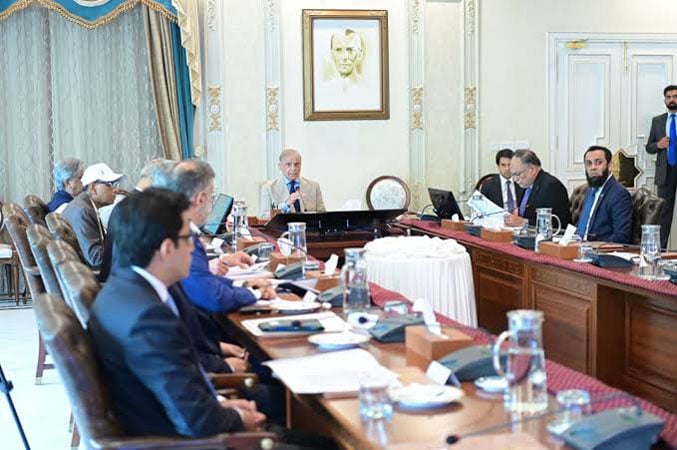
July 2, Pakistan - On Wednesday, Prime Minister Muhammad Shehbaz Sharif instructed the appropriate agencies to speed up the construction of Danish schools throughout the nation. He also stated that a technological (Tech) campus for Danish University will be set up in Muzaffarabad, calling these educational projects a significant contribution to the country's future.

Leading a discussion on the development of Danish schools and universities, the prime minister described these organizations as some of the nation's key national treasures.

The Prime Minister's Office Media Wing stated in a press release that he instructed officials to guarantee the timely completion of Danish schools across all four provinces: Gilgit-Baltistan, Azad Jammu and Kashmir, and Islamabad.

Additionally, he requested that the architectural style of the schools embody the cultural legacy of each area.

The gathering included Ministers Azam Nazeer Tarar, Ahsan Iqbal, Attaullah Tarar, Khalid Maqbool Siddiqui, along with high-ranking officers from the respective departments.

Stressing openness, the prime minister stated that hiring of teaching personnel and other employees at both Danish Schools and Danish University should occur solely based on qualifications.

He further praised the Ministry of Federal Education and Vocational Training for the speed at which construction projects for Danish schools are progressing.

At the meeting, authorities updated the prime minister on the development of 27 Danish-funded schools being built across Khyber Pakhtunkhawa, Sindh, Balochistan, Gilgit-Baltistan, Azad Jammu and Kashmir, and Islamabad, along with the ongoing work on the Danish University located in the national capital.

As per the report, the Danish School located in Kurri, Islamabad, has been finalized and has commenced educational programs, whereas work at the Danish Schools in Bagh, Bhimber, Sultanabad, Ghanche, and Astore is nearing completion, with lessons anticipated to begin in April 2027.

Officials further notified the gathering that the selection procedure for the teaching staff at Danish University has commenced.

The institution is set to begin educational activities in 2027 and will enroll students throughout Pakistan based on their abilities, with special attention given to offering chances to gifted young people from underdeveloped regions.

Friday, July 17, 2026

First Public University to Launch Islamic Theology Faculty

The University of Münster has become the initial public institution in Europe to create a department dedicated to Islamic theological studies, drawing global interest.

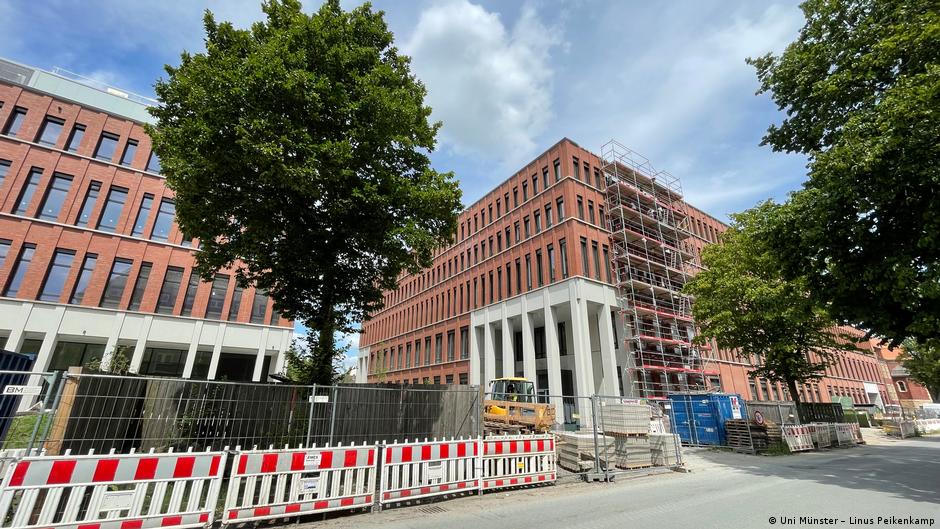
Work on the new "Campus of Religions" in the western German city of Münster has been ongoing since 2021. A significant portion of the area remains under development. Set to open in 2027, this facility will house the departments of Catholic, Protestant, and Islamic Theology along with the Religious Studies division within one building.

The academic community celebrates a significant achievement: for the very first time in Germany—and throughout all of Europe—a state-funded university houses a separate School of Islamic Theology.

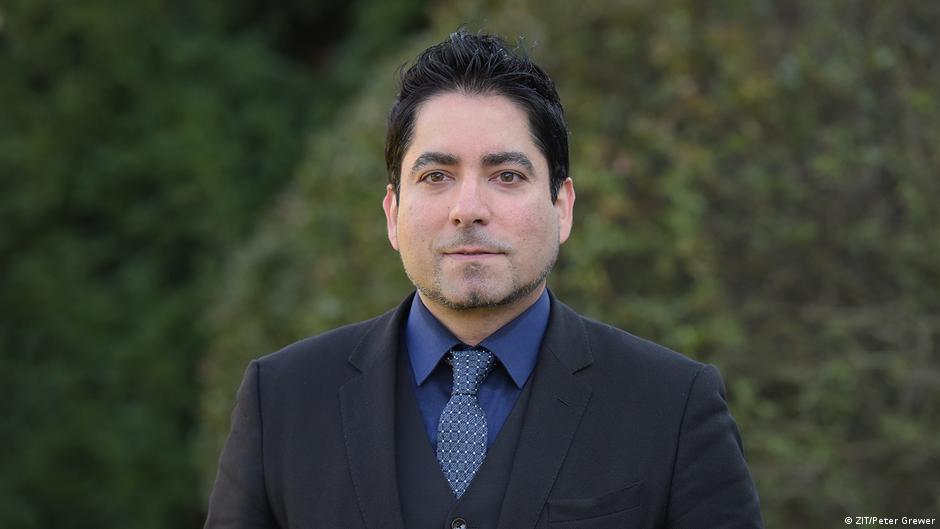
"It’s an honor for me to be involved in a special period of history," scholar Mouhanad Khorchide shared with Ants. Reflecting on 15 years of efforts at the University of Münster, he mentioned that this accomplishment brings him immense appreciation. However, the 54-year-old also highlighted the duty associated with such recognition.

"Our aim is to fully utilize this distinctive chance and promote a flexible, progressive interpretation of Islam," said Khorchide, adding that the department's efforts will influence not just Europe but also the broader Islamic community.

A new chapter

Starting July 1, a fresh phase commences for Khorchide. For now, though, he will keep operating out of the interim university facilities close to Münster's Paulus Cathedral. Up until this point, the sociologist and religious instructor headed the Center for Islamic Theology (ZIT) at the University of Münster. He is currently serving as the inaugural dean—the first head of the recently created Faculty of Islamic Theology.

Promoting Islamic Theology to full faculty membership elevates its position inside the university and marks an important development in academic policies. Previously, the ZIT did not have independent faculty status and thus relied on another department for key academic activities.

A rise in Islamic religious instruction

Being an autonomous department, Islamic Theology is now able to award doctoral degrees and postdoctoral qualifications independently, aiding in developing a fresh wave of academics and building a long-term scholarly tradition. This updated position is anticipated to simplify obtaining external research financing.

Khorchide remembers the initial phase of the ZIT in 2012, which started with only 15 students and three employees. Now, the center has eight faculty members and over 50 staff personnel, with Khorchide anticipating that the number of students will surpass 500 in the near future.

He anticipates significant interest. Throughout Germany, The teaching of Islamic religion is now being incorporated into public school curricula. , leading to an increasing demand for skilled educators.

For instance, in North Rhine-Westphalia, Germany's largest state which includes Münster, as many as 3,000 teachers are needed, yet approximately 330 are currently employed. This presents a straightforward professional opportunity for graduates.

Islam and Social Work

Beginning in 2027, Khorchide intends to introduce a master’s degree called "Islam and Social Work." He mentions that there is significant interest in this area, especially within sectors like youth support, hospital religious counseling, and senior care.

The faculty outlines its core values by stating that belief and democratic ideals can coexist, encourages an academic and modern interpretation of the Quran, and highlights the importance of communication between different religions. Additionally, it clearly denounces radicalism, anti-Semitism, and Islamic fundamentalism. The statement reads: "We stand against all types of violence driven by religion and intellectual exploitation."

Connections with Asia and Africa

Khorchide mentions that he has been profoundly struck by the extent of attention sparked after the announcement of the new faculty was made public. News organizations located as distant as Africa and Asia have covered this advancement. He particularly highlights Indonesia, which houses the world's biggest Muslim community.

"Individuals desire a more open interpretation of Islam," states Khorchide. He thinks that over time, Münster may contribute to the larger discussion about the evolving direction of Islam, extending well beyond Germany.

Traditionally, Münster has had a strong presence in theology," said Norbert Robers, the university's representative, during an interview with Ants. For the first time ever, the two Christian theological departments and the Department of Islamic Theology will now be housed together, utilizing shared facilities such as a library and a dining area. "This holds significant symbolic value.

The first Department of Islamic Theology in Europe at a state-funded university

An academic department dedicated to Islamic theology has been present in Sarajevo for a long time, yet it does not belong to a state-run university system. Therefore, Münster now hosts the initial Faculty of Islamic Theology within a public university in Europe.

Robers, t The university representative states that the promotion to faculty status might seem like a "simple administrative action," yet it holds considerable legal and organizational importance. A symbolic inauguration is planned for September 24 in the university’s central hall.

Annette Schavan, a member of the center-right Christian Democratic Union (CDU), was Germany's federal minister of education between 2005 and 2013. She was instrumental in introducing Islamic theology programs at German universities and refers to this recent development as a "major milestone." Writing from Cologne-based Catholic sources Domradio In her portal during mid-June, she stated that the establishment of the Faculty of Islamic Theology marked "an enhancement of academic theology overall" and anticipated that the new department would gain recognition throughout Europe.

This article has been translated from German.

Author: Christoph Strack

Sunday, June 21, 2026

Severe Storms Shut Schools, Flood Provinces in International Edition

  • All schools in the Nelson Mandela, Sarah Baartman, Buffalo City, Eden, and Central Karoo areas will be closed on Wednesday and Thursday because of extreme weather conditions.
  • High-level alerts have been issued for the coastline of the Eastern Cape and the Garden Route area, anticipating incidents such as floods, landslides, and traffic disruptions.

Six school districts in the Eastern Cape and Western Cape have shut down due to an intense winter storm sweeping through the nation, causing floods, snowfall, and hazardous weather in many areas of South Africa.

Schools in the Nelson Mandela, Sarah Baartman, and Buffalo City areas of the Eastern Cape will be closed on Wednesday and Thursday, June 3rd and 4th, 2026. Similarly, the Western Cape has also closed institutions in the Eden and Central Karoo regions. In certain areas of the Eastern Cape, homes and structures are currently experiencing damage.

The South African Meteorological Agency has released an Orange Level 8 alert regarding intense rainfalls across the eastern Garden Route and along the Eastern Cape coastline extending to East London. Significant heavy rains are anticipated to lead to extensive road and bridge inundation, rapidly flowing rivers, and potential shutdowns of key transportation corridors.

An independent Orange Level 5 alert applies to the area from East London to Morgan Bay, where intense rainfall may lead to landslides, harm to buildings and systems, and compel people living in at-risk neighborhoods to evacuate their houses.

Heavy snow is predicted in elevated regions of the Eastern Cape and mountain summits in the central and eastern parts of the Western Cape. A Yellow Level 2 alert regarding severe snow conditions applies to the higher elevations in the north of the Eastern Cape, where frozen roadways could pose significant risks for drivers.

High sea conditions pose additional risks. A Yellow Level 4 alert regarding severe coastal gales and wave action applies from Cape Point to Plettenberg Bay, while a Yellow Level 2 notice extends as far as East London.

Nabeel Rylands, serving as the interim director of the Western Cape Disaster Management Centre, stated that emergency crews throughout the province have been put into action.

"Additionally, we have made sure that every one of our municipalities is on high alert, and both our national and local municipal and provincial partners are involved within our groups," Rylands stated.

Rain is forecasted in southern KwaZulu-Natal, the Free State, and certain regions of Gauteng. People living in these areas are advised to remain vigilant and adhere to all official alerts.

© 2026 Scrolla. All rights reserved. Published by AllAfrica Global Media (Ants).

Tagged: South Africa, Education, Environment, Climate, Southern Africa

Supplied by SyndiGate Media Inc. ( Syndigate.info ).
Monday, June 15, 2026

Students' Unions Praise Gov. Zulum for Reviving Borno's Education Sector Amidst Adversity

Mohammed Abubakar

A strong demonstration of backing has come from multiple student unions throughout Borno State, who have praised Governor Professor Babagana Umara Zulum for his continuous attempts to revive the education system, even amidst major challenges brought about by violence in the area.

In conversation with our correspondent, one of the student leaders from Maiduguri conveyed appreciation for the governor's dedication to bringing back hope and prospects for the young people of Borno, who have endured significant difficulties in obtaining good education because of prolonged conflict and instability.

A notable voice, Abba Ali, who was once a well-known student activist, stressed the administration's commitment to establishing an educational system that serves every citizen. "Governor Zulum recognizes the vital part education plays in changing people's lives. His team has consistently worked towards ensuring our right to education remains protected, even amidst challenges," said Ali. He pointed out the substantial efforts made in improving school facilities, professional development for teachers, and various initiatives designed to motivate students to continue their academic pursuits.

In recent years, Governor Zulum has launched multiple initiatives aimed at restoring schools affected or demolished due to hostilities, as well as focusing on boosting student registration across different educational establishments. These actions involve setting up study hubs and hiring more educators to address the rising demands from learners.

Student organizations have observed that these efforts are starting to produce favorable outcomes, marked by a significant rise in class attendance and involvement in academic activities. "It is clear that the Zulum government is dedicated to keeping education at the forefront," stated Fatima Ibrahim, another student representative who contributed her perspective on the state's approach to education.

With the state gradually recovering from previous hardships, the backing provided by students reflects a shared hope for a more promising tomorrow in Borno. Unions have appealed to all involved parties to collaborate with the government in maintaining these educational changes, emphasizing a commitment to academic quality as a route toward harmony and security.

The governor, Zulum, has once again expressed his dedication to the young people of Borno, vowing to keep working towards improving the education system within the state. "Education serves as the foundation for progress," he stated at a recent community gathering, sparking renewed hope among pupils and those who back them.

Through united effort and resolve, Borno State stands at the threshold of an encouraging revival in education, guaranteeing that young people are prepared to make constructive contributions to their community.

Supplied by SyndiGate Media Inc. ( Syndigate.info ).
Security Alert: Plot to Kidnap Students Forces Three Schools in Edo to Close

Oscar Okhifo

The administration of Edo State has mandated the urgent shutdown of three high schools within the Akoko-Edo Local Government Area after receiving information from the Department of State Services (DSS) indicating a potential kidnapping plot targeting pupils.

The shutdown, revealed on Wednesday, came after intelligence reports suggested that armed offenders were supposedly planning a large-scale abduction of students in the Edo North Senate Area, leading officials to implement precautionary measures.

Intelligence officials characterized the danger as genuine, noting that security organizations acted quickly to prevent what might have become a significant security incident in the region.

Even though the names of the impacted schools remained undisclosed, authorities verified that the establishments have been closed permanently as monitoring and safety measures are stepped up throughout Akoko-Edo and surrounding areas.

A government representative who has knowledge of the matter stated that the move was made for the sake of public security.

"The shutdown is solely a preventive action designed to safeguard the safety of students and staff as law enforcement deal with the danger," the official stated.

Amid increasing concerns about the worsening safety conditions in Edo North, especially within the Etsako East Local Government Area, locals have consistently expressed worries regarding widespread abductions and assaults by armed groups.

Gov. Monday Okpebholo recently faced backlash after comments were linked to him stating, "Even if you abduct all of us, there is no opening at Aso Rock."

The remark triggered extensive discussion, as numerous locals argued that more focus needs to be placed on tackling crime throughout the region.

Several groups such as Agenebode and others within the Weppa/Wanna tribes, along with Okpekpe, Itsukwi, Imiakebu, and Okpella, have experienced multiple instances of kidnapping, murders, and extortion requests reaching into the millions of naira.

Numerous residents have left their agricultural lands due to concerns over assaults, intensifying financial struggles and hunger within the impacted areas, particularly in northern Ivie.

A senior member of the Itsukwi community recently expressed concern over the current circumstances, stating, "We now reside in continuous anxiety. Our individuals are no longer able to reach their fields without hesitation. We rest with one eye alert since we have no idea who might become the next target," he mentioned.

Last month, 80-year-old Michael Arekhayemhe was taken from his home in Itsukwi together with a woman who is the mother of five from an adjacent area.

Even though a ransom of ₦11 million was paid for the kidnapped individual, the old man was still murdered by his abductors.

The woman and others who had been taken from different locations were freed in distant Obajana within Kogi State after she endured 24 days of imprisonment.

Authorities and local people have been advised to stay composed yet watchful with increased security checks taking place near educational institutions, main highways, and remote neighborhoods within the impacted regions.

Officials state that educational programs will restart solely following confirmation from law enforcement authorities that the surroundings are secure for pupils and employees.

Experts point out that recent school shutdowns highlight the critical importance of improved safety protocols, cautioning that closing educational institutions might prevent short-term threats but cannot replace addressing the gangs that still intimidate populations throughout Edo North.

Supplied by SyndiGate Media Inc. ( Syndigate.info ).
Sunday, June 14, 2026

Barau Challenges Nigerian Universities: Turn Research Into Wealth

The Vice President of the Senate, Senator Barau Jibrin, has called on universities and other post-secondary schools across the nation to focus more on research and turning it into marketable products, similar to what is practiced by educational establishments in advanced countries.

Senator Barau issued the statement upon receiving the leadership of the Northwest University, Kano—headed by Vice Chancellor Professor Amina Salihi Bayero—at the National Assembly in Abuja.

According to a declaration from Ismail Mudashir, the Special Advisor for Media and Public Relations, he called upon the leadership of the nation's tertiary educational establishments to expand their income streams via the monetization of academic studies.

Senator Barau, who led the Senate Committee for Higher Education Institutions and TETFUND during the Eighth Senate session, stated, "Don't let inventions remain confined to labs or shelves. Secure patents for them and derive profit from them."

Prominent international organizations such as Harvard, MIT, and Cornell utilize research, partner with businesses, and earn income via technological advancements. I recommend that you implement this approach.

He pointed out that maintaining and advancing higher education is an endeavor that demands collaboration rather than the efforts of one individual.

"Running and advancing a university cannot be guaranteed solely by one organization or individual. It requires the help, involvement, and collaboration of everyone," he stated, noting that even entities created and supported by the federal government often look for outside aid.

Emphasizing the significance of human resources, the Senate Vice President stated that education should continue to be a primary focus.

"Human capital serves as the primary engine for global development. It's not just about natural resources such as oil or precious minerals anymore. The most crucial element of production in any country today is human capital," he stated.

Complimenting the Deputy Chancellor's forward-thinking strategy and the university's swift expansion since its founding in 2012, he revealed the gift of a tour bus to the organization.

Previously, the Vice Chancellor, Professor Amina Salihi Bayero, who took up her position in December 2025, stated that the visit aimed to examine opportunities for cooperation between the university and the office of the Deputy President of the Senate.

She praised the efforts of the Senate Vice President in advancing the nation's education system via various initiatives such as scholarships and funding, along with the development of essential facilities for tertiary educational establishments.

She mentioned that the university, which began with one faculty, currently consists of ten faculties and serves a student body of thirty thousand.

Supplied by SyndiGate Media Inc. ( Syndigate.info ).

Lagos Students Shine with Sharp Thinking at JAYEF 2026 Debate Championship

OLORUNDARE ENIMOLA

On Wednesday, 10 June, secondary school pupils from various parts of Lagos State’s Education District I showcased outstanding debate abilities and analytical thinking during the 2026 Inter-Secondary Schools Debate Tournament held at the State Schools Complex in Alimosho.

Hosted and funded by the Joseph Adewole Youth Empowerment Foundation (JAYEF), in collaboration with the Lagos State Ministry of Basic and Secondary Education, the gathering had the theme "Brain Task" and aimed at motivating pupils to enhance their cognitive abilities, leadership qualities, and sense of civic responsibility.

In the under-18 division, six educational institutions discussed the topic: "Social media causes more damage than benefit for high school pupils in Lagos State."

Schools that took part were Abesan Junior High School, State Junior High School Alimosho, Alimosho Junior Grammar School, State Comprehensive Junior College, Shasha Community Junior Grammar School, and Community Junior Grammar School, Akowonjo.

In conclusion, Shasha Community Junior Grammar School was declared the top victor with 73.5 marks, whereas Community Junior Grammar School, Akowonjo, came in second place with 69 points.

The senior division included six schools discussing the subject: "Substance misuse among pupils stems from poor parental guidance rather than negative peer influence."

The rival institutions included Community Senior Grammar School, Ipaja; Jakande Estate Community Senior College, Abesan; Alimosho Senior Grammar School; State Senior High School, Alimosho; State Senior College, Alimosho; and Millennium Senior Secondary School, Egbeda.

Alimosho Senior Grammar School took top position, with Millennium Senior Secondary School coming in second.

Awards, participation certificates, and honors were given to the successful institutions as acknowledgment for their exceptional achievements.

During the inauguration event, Ambassador Joseph Olaoluwa Adewole, Chairman and Founder of JAYEF, referred to the discussion as one of the organization's key programs aimed at fostering young people's growth.

As he mentioned, the program extends past rivalry by offering a space for interaction, strengthening, and cultivating leadership skills within youth.

"We have toured over 400 educational institutions within Lagos State during the past four and a half years. During these interactions, we've acquired important understanding about the issues affecting youth and effective ways to guide their thoughts toward achievement, triumph, and meaningful life." he stated.

Adewole encouraged the students taking part to see themselves as upcoming leaders, emphasizing that their thoughts and efforts could make a beneficial impact on society.

On behalf of the Permanent Secretary of the Ministry of Basic and Secondary Education, Mrs. Abisola Dokunmu-Adegbite, Assistant Director of Education, Dr. Omoniyi Bolaji, praised the organizers for fostering value-driven learning and encouraging analytical skills in pupils.

She urged pupils to adopt what he referred to as the three fundamental elements of achievement: integrity, skill, and perseverance.

Your personality can unlock opportunities that credentials alone cannot," she stated. "Skill adds worth, whereas persistence enables you to tackle obstacles and reach your objectives.

Giving the keynote speech entitled "My Journey: From Modest Origins to Meaningful Leadership," Dr. Emmanuel Audu Ohwavborua, Chairman and Managing Director of Emmppek Farms Limited, recounted his personal journey of ascending from a humble beginning to achieving recognition as an engineer, businessman, and leader.

Based on his personal encounters, he encouraged pupils to harness the potential of their thoughts, emphasizing that each significant accomplishment starts as a concept.

"The most valuable resource a young individual has is neither wealth nor social ties, but their intellect. Your mental attitude shapes your future," he stated.

Ohwavborua also cautioned against exam fraud, online crimes, and substance misuse, encouraging pupils to adopt honesty, self-control, and lifelong education.

During individual conversations, Adewole and Ohwavborua highlighted the importance of an educational framework that encourages analytical reasoning, creativity, and real-world issue resolution.

They showed hope that programs like the yearly speech contest would foster a group of accountable and problem-solving leaders who can significantly impact Nigeria's growth.

The speech contest is an integral component of continuous initiatives undertaken by JAYEF along with its collaborators aimed at enhancing young people's involvement and promoting scholarly achievement within high schools throughout Lagos State.

Supplied by SyndiGate Media Inc. ( Syndigate.info ).

Friday, June 12, 2026

Rivers to Shut Down Unapproved Private Schools by June 15

Itode Akari

PORT HARCOURT – The Rivers State Administration, via the Department of Education, has revealed intentions to launch a citywide operation targeting unauthorized private educational institutions throughout the region, starting on Monday, June 15, 2026. This information was shared in an open communication document signed by the Education Commissioner, Dr. Peters Nwagor, and released by the Head of Information and Public Relations, Tochi Abinye Pepple, on Wednesday. The department highlighted that this initiative seeks to enhance quality control and guarantee conformity with educational guidelines within the state. As per the declaration, private schools functioning without authorization or formal recognition from the Ministry, along with those not meeting necessary academic and infrastructure requirements, will face closure according to the rules outlined in the State's Private Educational Institutions Act and relevant laws. Dr. Nwagor mentioned that this action aims to provide students in Rivers State access to high-quality education in secure and suitable learning settings. He further instructed all licensed private schools still owing annual renewal charges to clear these debts promptly, cautioning that solely establishments possessing current licenses and updated financial records would be permitted to remain active. The Commissioner reiterated the government’s dedication to maintaining standards in the educational field, stating that this step is meant to protect student interests while enhancing management practices among privately run schools throughout the area. He encouraged owners who require more details to go to the State Quality Assurance Services (SEQAS) office located inside the Government Girls' Secondary School (GGSS), Rumuokwuta, Port Harcourt, or reach out directly to the Director of SEQAS, Dr. Chinedu Wordu. The Department affirmed that this regulatory activity represents one component of wider initiatives undertaken by the Rivers State Government to elevate educational excellence and enforce rigorous operational norms throughout the state.

Supplied by SyndiGate Media Inc. ( Syndigate.info ).

UBTH CMD Engages NNPC in Partnership Talks

The Head of Medicine at the University of Benin Teaching Hospital (UBTH), Professor Idia Ize-Iyamu, visited the Nigerian National Petroleum Company’s Exploration and Production division in Benin City, Edo State, on Tuesday, to explore possible partnerships.

While visiting, Professor Ize-Iyamu highlighted UBTH's dependability in delivering prompt, specialized, and patient-focused care to business entities and their staff.

The CMD also highlighted the hospital's major accomplishments and progress throughout the years, suggesting joint initiatives between UBTH and NNPC regarding the provision of high-quality medical services.

Mr. Tosin Olakiigbe, Executive Director of Business Services at NNPC (E & P), thanked them for the visit and acknowledged UBTH's active effort in promoting medical collaborations.

The trip underscores UBTH's commitment to collaborating with important business partners to improve affordable, effective, and top-notch medical care in the South-South area.

Supplied by SyndiGate Media Inc. ( Syndigate.info ).