Technology and philosophy

Showing posts with label commerce. Show all posts

Monday, November 23, 2026

Onion price surge hits households

The sharp rise in the price of onions has significantly limited the ability of many families to buy the commodity in reasonable quantities for consumption.

Weekend Trust reports that the situation has become a source of concern for households, restaurants, food vendors and traders. What was once considered as one of the cheapest and most readily available condiments in Nigerian kitchens is now attracting unusual attention in the markets as consumers struggle to cope with its rising cost.

Earlier in the year, onions were available at a relatively affordable price - N25,000 per bag, but in recent times, it has risen to over N200,000 in cities like Jos, Kano and other states, significantly limiting access.

Since last month (October), the average cost of a kilogram of onion bulbs in Nigeria has surged to N3,100, according to data from the National Bureau of Statistics (NBS). This increase followed an earlier trend where the average price rose to N1,180.01 per kilogram in May 2026.

Nigeria’s local demand for onions reaches 2.4 million metric tonnes annually. However, the National Onion Producers, Processors and Marketers Association of Nigeria reveals that the country’s annual production hovers around 2.1 million metric tonnes. But global data sources, such as Selina Wamucii, an international agrifood company, suggest a lower output, approximately 1.67 million metric tonnes, creating a shortfall of between 300,000 and 700,000 tonnes.

Despite this, the country holds the second highest position in onion production in Africa, trailing behind Egypt.

In 2024, Nigeria exported 1,530 metric tonnes of onion, with a total value of US$103,171. However, according to Selina Wamucii, Nigeria’s export of onion has experienced a significant decline of 75.6 per cent compared to the previous year.

As the leading producer in West Africa, the country supplies onions to markets in both West and Central Africa, as well as some European countries.

Domestic production

Most production activities in Nigeria are predominantly concentrated in the northern part of the country. States such as Sokoto, Kebbi, Kano, Zamfara, Kaduna and Katsina are particularly influential in this sector.

Other states like Bauchi, Borno, Jigawa, Gombe and Nasarawa states also contribute significantly to national production. But Sokoto alone accounts for a substantial portion of the country’s onion output, with estimates ranging from approximately 20 per cent to 70 per cent, as reported by various data.

The Nigerian onion industry holds an estimated value of N1.17 trillion, according to figures provided by the National Onion Producers, Processors and Marketers Association of Nigeria (NOPPMAN).

Despite its robust production, the country faces a critical issue of substantial post-harvest losses, which are estimated to range between 45 per cent and 50 per cent. These losses are primarily attributed to inadequate storage facilities, exposure to heat, pest infestations and a lack of local processing infrastructure.

Declining harvest pushes farmers away

Farmers in Kano said poor harvest and losses recorded during dry season farming discouraged many farmers from engaging in wet season production, leading to subsequent scarcity and rise in price.

They said the price of onions crashed after dry season farming following poor harvest, leading to lack of enthusiasm to engage in production during the rainy season.

Ibrahim Rufai, a Kano-based farmer, said many people were discouraged by the losses they suffered after dry season farming, occasioned by poor harvest and fall in price. Subsequently, very few farmers grew onions during the rainy season.

Rufai said the current scarcity and rise in price were a function of supply and demand, noting that low production created the scarcity, which explains the high price.

“What happened was that farmers suffered poor harvest during dry season farming and the price subsequently crashed. This affected rainy season farming of onions as farmers were not enthusiastic. Those who used to preserve the commodity for the price to appreciate even suffered losses because it crashed instead.

“They used to target the period between wet and dry seasons when the supply would likely reduce and demand would become high and they would make profit, but due largely to poor harvest and lack of storage facilities, most traders suffered.

“At Karfi town, which is the hub for onions in Kano, its price rose as high as N208,000 per bag this time because of scarcity. But this is likely to fall around December during dry season harvest; and the cycle continues,” Rufai said.

According to him, traders export onions to neighbouring countries like Togo, Chad and Cameroon, a situation that encourages farmers to grow the commodity, but at the same time, creates local scarcity.

Surajo Gundutse, a resident of Karfi town in Kano, said onion merchants who managed to preserve substantial quantities were smiling because on a daily basis, they load onions for delivery to different parts of the country.

“In Karfi here, many are recovering from the losses they suffered previously because the price of onions has appreciated and they are dispatching trucks to markets.

“Due to low rainfall, onion harvest was not remarkably good this season. However, farmers have already commenced activities for production, which when harvested, may bring down the price,” Gundutse said.

In Makarfi market, another onion trading hub, a bag is selling for as high as N180,000 and N200,000. Merchants from Kunkumi and adjoining villages take their onions to Makarfi market to sell to big dealers, who supply to other parts of the country.

Aliyu Mayere, a resident, told our correspondent that traders usually preserved their onions till this time when the price is likely to rise, but the poor harvest recorded last season contributed more to the rise of price this time.

“I know that farmers did not record good harvest during the last rainy season farming. Very few people who managed to preserve their onions up to this time are the ones smiling now because the price has gone up,” he noted.

Weekend Trust reports that along Zoo Road, young girls sell a bowl of onions at N2,500. It was previously sold at N1,500. A small basket goes for N5,000.

Most of the girls come from Karfi, a situation that further confirms that the scarcity of the commodity has hit the town, which is a major onion hub in Kano.

In Katsina, findings from our correspondent across some markets revealed that the price of a 120-kilogramme bag of onions, which reportedly sold at N30,000 in April 2026, rose approximately to N170,000 by October. It was also gathered that the price was higher in some locations.

The development has raised questions over what has gone wrong in one of Nigeria’s important agricultural value chains, particularly as the country remains one of Africa’s major onion producers.

Speaking on the situation, a farmer in Kano State, Alhaji Abba Iro Gafan, said the scarcity was not a cause for alarm, explaining that the commodity initially available in various markets were largely from wet season production, which usually serves as a supplementary source of supply.

He explained that onion production during the wet season was usually limited, compared with dry season harvest when farmers produce the commodity in larger quantities.

Gafan described the current scarcity and price increase as a recurring seasonal phenomenon, expressing optimism that the situation would improve in the coming months when the next production season begins.

“People should not panic; it is a normal perennial occurrence in the onion value chain. In the next few months, markets would be flooded with the commodity because the season is around the corner,” he said.

Another onion farmer, Alhaji Bello Usman Yadakwari, attributed the scarcity to inadequate wet season production, which he said was largely caused by poor access to modern storage facilities.

Yadakwari said although demand increased, many farmers were reluctant to produce in large quantities because of the risk of incurring huge post-harvest losses, particularly during the wet season.

“No doubt, the demand for onions has been on the increase, but farmers are very sceptical about large-scale production because they lack storage facilities. That is why many produced small quantities, while others decided not to venture into it at all,” he said.

However, the Kano State chairman of the National Onion Producers, Processors and Marketers Association of Nigeria, Malam Labiru Alasan, said the current crisis was not necessarily a result of inadequate production alone but also reflected deep-rooted challenges in harvesting, storage, transportation and distribution.

According to him, Nigerian onion farmers lost substantial quantities of their harvested produce between April and October 2026 largely due to inadequate storage facilities and other post-harvest challenges.

He explained that the losses significantly reduced the volume of onions available for distribution, creating a supply gap that contributed to the current price increase.

Onions to cost more ahead of festivities

Our correspondent in Jalingo, the Taraba State capital, said onions would likely cost more during Christmas and New Year festivities as a result of scarcity following poor harvest in the state this year.

It was gathered that the vegetable requires three months from planting to reach maturity, as well as substantial amount of water to produce a high yield. Unfortunately, this year, a significant reduction in rainfall was observed in most parts of the North.

Weekend Trust reports that unfavorable rainfall this year led to a reduced onion yield, causing most of this year’s harvest to be smaller than what obtained in previous years.

Our correspondent gathered that in previous years, onion farmers experienced poor harvest due to devastating diseases that affected crops in several producing states. Consequently, many farmers decided to abandon onion farming this year.

The chairman of vegetable markets in Jalingo, Tukur Muhammed, told Weekend Trust that presently, a 100kg bag of onions cost N120,000 in Jalingo; and in places like Lagos, Enugu, Owweri and other states in the South-East and South-West, the price could be higher because of cost of transportation.

He said Gombe and Gashua in Yobe State were now the main source of supply to Taraba State and other parts of the country because onions harvested before the end of rainfall was consumed.

Tukur said the high price of the commodity was a consequence of this year’s poor harvest. He linked the shortage and high cost directly to reduced yield as many farmers opted to stop growing onions after their dissatisfying results from last year.

“Currently, the main source of onion supply is Gombe State. But onions from Gashua in Yobe are beginning to enter the market.

“The high price is because of the scarcity of the produce as a result of poor harvest witnessed by farmers this year, as well as the disease that ravaged onion farms last year,” he said.

Musa Halidu, an onion farmer from Jalingo, Taraba State, told Weekend Trust that farmers in the state were failing to harness the region’s abundant water resources for high-quality production.

He noted that only a small number of farmers grew onions primarily during the dry season as most farmers would focus on producing paddy rice.

Halilu explained that Taraba and Adamawa states, along with certain regions of Cameroon, depend on supply from Yobe, Kaduna, Gombe, Katsina, Sokoto and Kebbi states, adding that the low harvest experienced by farmers was the primary cause of the high cost and scarcity.

Abuja markets

In major Abuja markets, such as Wuse, Garki, Utako, Nyanya and Lugbe, the price of onions has risen sharply in recent months.

A small-sized bag that was sold between N8,000 and N10,000 three months ago now costs between N28,000 and N35,000.

Traders and consumers attribute the increase to reduced supply from major producing states in the North, higher transportation and fuel cost, as well as alleged hoarding by some large-scale dealers.

Consumers across the city are feeling the impact, with many households adjusting their food budgets and reducing the quantity of onions used in preparing meals.

“I buy tomatoes, pepper and onions every week for my family. Last month, I was spending about N6,000 on that small combination. This week alone, onions took N4,500. I had to leave the tomatoes. My children asked why the stew looked pale and I didn’t know what to tell them,” a 29-year-old Chidinma Okafor, a civil servant who lives in Gwarinpa said.

At Kubwa, a 41-year-old housewife, Hauwa Bello, said she had to change how she prepared meals for her family.

“I used to put plenty onions in my jollof rice, but now, I count them like money. Sometimes I use only three or four for the whole pot. My husband complained that the food had no ‘taste’ again, but I told him that taste had become expensive,” she said.

At Nyanya, a young mother of twins, Blessing Eze, 26, said she had stopped buying onions completely for two weeks.

“I use only ground pepper and a little spring onion when I can find it. It is not the same, but I cannot spend N2,000 on a small heap, just for one meal,” she said.

Other housewives across the city also expressed concerns about the impact of rising onion prices on household budgets, calling on the government to intervene.

Mrs Maryam Abdullahi, 38, a resident of Garki, said she now had to prioritise other household needs over buying onions.

Onions are something we use almost every day in this house, but these days, I have to think twice before buying them. I have four children and I cannot spend so much on onions when I still have other food items to buy. The government should look into the situation and find ways to make food items affordable for ordinary Nigerians,” she said.

Similarly, Mrs Grace Nwankwo, 34, who lives in Lugbe, said the increase affected how she prepared meals for her family.

“Sometimes I would rather use the money to buy fish or other ingredients than spend so much on onions. The government should address the rising cost of food and ensure that prices come down because feeding a family is becoming increasingly difficult,” she said.

For Mrs Fatima Sani, 45, of Nyanya, the amount previously spent on onions could no longer purchase the same quantity.

“Before, with N500 or N1,000 you could buy enough to last for some days, but now, that same amount cannot get you much. The government needs to intervene, especially by addressing transportation cost and the challenges affecting farmers so that prices of food items can be reduced,” she said.

Another housewife, Mrs Esther Ojo, 31, of Kubwa, said she reduced the quantity of onions she used in preparing soup and stew.

She said: “My children are used to eating food prepared with enough onions, but I cannot continue buying them the way I used to. The government should support farmers and improve food production so that Nigerians can buy basic food items without struggling.”

Also, Mrs Zainab Ibrahim, 40, a resident of Utako, said the situation had become more difficult because household incomes had not increased in line with food prices.

“What worries me is that prices of food items keep increasing, but our incomes remain the same. You go to the market with a particular amount in mind, only to discover that you cannot buy everything on your list. The government should take the rising cost of food seriously and put measures in place to bring prices down. Ordinary families are bearing the consequences,” she said.

Food vendors, suya spots struggle

Alhaji Musa, 45, who runs a buka near Area 1, said he had reduced the quantity of onions he bought to cope with the rising cost.

“I used to buy a full bag every five days, but now, I buy half and stretch it for more than a week. Customers are noticing. Some even ask me, ‘Alhaji, wetin happen to the onion for the stew?’ I just laugh and say ‘market don change,’” he said.

At a suya spot in Wuse Zone 4, a 38-year-old vendor, Tunde Adeyemi, said the price had affected the preparation of the pepper-mix served with suya.

“Onion is important for the pepper-mix. Without it, the suya is not complete, but at this price, I have reduced the quantity. Some customers still buy, but some complain and walk away. Business is slower,” he noted.

“In our hostel at the University of Abuja, we cook together. We used to contribute N500 each for ingredients, but now, onions alone can take N1,000 or more. Some of us just eat plain rice or noodles. It is affecting our feeding seriously,” a 22-year-old final-year student, Amina Yusuf said.

Madam Aisha, an onion seller at Wuse Market for over 12 years, attributed the increase to rising supply and transportation cost.

“The bags coming from Kano and Sokoto are already expensive. Transport is high, market dues are high, and some big people are holding stock. By the time it reaches us, the price has climbed. Many customers just look and walk away. Some days I sell only two or three heaps,” she said.

Another trader at Garki Market, Mallam Ibrahim, 52, said the current price had changed customers’ buying habits.

“I have been in this business for 20 years. I have never seen onion price like this. People who used to buy full bags now buy small portions. Some come with N1,000 and still go home empty-handed,” he said.

Across Abuja, recipes are changing, portions are shrinking and a once-affordable kitchen essential has become a source of frustration for households, food vendors and traders.

An expert’s view

An agricultural economist, Mr Sam Nanpang, said the absence of appropriate handling and storage facilities had continued to undermine farmers’ efforts and expose traders to substantial financial risks.

He explained that onions required proper handling and storage conditions to maintain their quality and remain marketable, adding that without adequate preservation facilities, farmers would continue to suffer losses, while consumers would bear the consequences through higher prices.

Nanpang said addressing the situation required the provision of adequate and affordable storage facilities that farmers could effectively utilise to preserve their produce and ensure a steady supply throughout the year.

Meanwhile, it was gathered that fresh supplies of onions from major producing states, including Sokoto, Kebbi, Zamfara, Kano, Kaduna, Katsina and Adamawa, were expected to reach the markets in the coming months.

The anticipated harvest is expected to improve supply and possibly ease the current price pressure, although stakeholders believe that sustainable solutions would require investment in modern storage facilities, improved transportation and better post-harvest management.

Provided by SyndiGate Media Inc. ( Syndigate.info ).

Saturday, November 21, 2026

Golden Morn marks 40th anniversary with extra 50g offer

Nestlé Nigeria has announced plans to reward consumers with an extra 50 grams of Golden Morn cereal free on every 900-gramme pack purchased from November as part of activities marking the brand’s 40th anniversary and expressing appreciation to loyal Nigerian consumers.

The Category Manager for Dairy and Golden Morn at Nestlé Nigeria, Omofasa Orhiunu, disclosed this on Tuesday during the anniversary celebration held at the company’s Agbara Factory in Ogun State.

“To celebrate our consumers who have been loyal to Golden Morn for over 40 years, we will be rolling out a promotion in November. For every 900-gram pack of Golden Morn our consumers buy, they get 50 grams extra free. That is an extra bowl of Golden Morn to nourish our wonderful families in Nigeria,” he said.

Orhiunu described Golden Morn as a proudly Nigerian brand developed and manufactured locally over the past four decades, reassuring consumers of the company’s commitment to continuous innovation.

“We will continue to nourish Nigerians, come up with new variants which will excite Nigerians and introduce new things that will make the breakfast table a lot more interesting,” he added.

The milestone event also featured the official unveiling of a special 40th-anniversary pack to commemorate the brand’s four-decade presence in the Nigerian market.

Speaking earlier, the Agbara Factory Manager, Mr Talla Fall, highlighted the evolution of Golden Morn since its introduction in 1986, noting significant nutritional and packaging enhancements over the years. According to him, these advancements include high-protein recipes, affordable soft packaging, iron and Vitamin A fortification, and the introduction of Grainsmart.

Fall emphasised that the cereal is produced entirely in Nigeria using locally sourced agricultural raw materials, particularly maize and soybeans.

“Golden Morn is made with the goodness of maize and soybeans, grown by Nigerian farmers and created in Nigeria by Nigerians,” Fall stated, acknowledging the vital roles played by both local farmers and factory workers.

“Behind every pack are the farmers who grow the grains and the men and women in the factory who turn them into the nourishment that families trust”, he added.

He reaffirmed Nestlé’s adherence to product quality, food safety, and strict operational standards while describing the workforce as central to the brand’s enduring success.

Also speaking at the event, a nutritionist and Nestlé Nigeria brand ambassador, Abosede Olusolape, urged Nigerians to prioritise balanced breakfast habits to boost overall health and well-being. She explained that a proper breakfast must deliver essential nutrients, including carbohydrates, protein, dietary fibre, vitamins, and minerals, to effectively support daily bodily functions.

Olusolape identified hectic work schedules, inadequate meal planning and reduced morning appetite as key barriers to sustaining healthy breakfast habits.

“Plan ahead, add variety and make it realistic,” she advised.

Warning against excessive dependence on carbohydrate-only meals, the nutritionist emphasised the importance of combining different food groups, explaining that whole grains provide dietary fibre to support digestion, while protein helps keep people fuller for longer.

She encouraged households to prioritise the nutritional value of meals rather than simply eating to satisfy hunger, noting that Golden Morn’s 40-year history underscores its continued contribution to providing convenient breakfast options for Nigerian families.

Provided by SyndiGate Media Inc. ( Syndigate.info ).

Friday, November 20, 2026

Bayelsa begins large-scale fish production

Bayelsa State Governor, Senator Douye Diri, has flagged off the maiden fish harvest at the Bayelsa Aquaculture Village in Yenegwe, describing the revived facility as a major step towards diversifying the state’s economy, creating jobs and strengthening food security.

Governor Diri said the revival of the aquaculture facility demonstrated his administration’s commitment to transforming Bayelsa’s natural resources into productive enterprises that would benefit the people.

He said the facility established by the immediate past administration in the state remained moribund for years due to a stalled concession arrangement until it was repositioned under his Assured Prosperity administration.

Governor Diri, also noted that although oil and gas play a significant role in the state’s development, their finite nature and fluctuating fortunes made it necessary to explore other economic opportunities.

He said: “Our future must now be built on our waters. Our fathers and forefathers relied on these waters. These waters gave them life, and these waters fed them.

“That is why our administration is investing in agriculture, aquaculture and the blue economy alongside education and the energy sector.”

He explained that efforts to revive the facility after he assumed office in 2020 were unsuccessful due to the contractual agreement, adding that his administration eventually terminated the non-performing concession and recovered the asset for the state.

The governor said the recovery was necessary to protect public funds already invested in the facility and ensure that the state’s resources were put to productive use.

He disclosed that his administration earlier spent about N200 million in an attempt to revive the facility, but the intervention was unsuccessful.

Governor Diri also commended President Bola Tinubu for establishing the Federal Ministry of Marine and Blue Economy, describing it as a recognition of the economic potential of Nigeria’s coastal communities and that Bayelsa and the Ijaw nation were direct beneficiaries of the ministry’s creation.

He also said the ministry provided an opportunity for Bayelsa to strengthen its relationship with the Federal Government and advance its marine and blue economy agenda.

The governor further appreciated the technical support of CSS Farms in Nasarawa State and the cooperation and support of the host communities.

He directed the Commissioner for Works to assess the deteriorated road linking the facility from Igbogene for immediate rehabilitation and ordered the release of additional funds for the completion of another road connecting it to the Glory Drive.

Earlier, the Commissioner for Marine and Blue Economy, Dr Faith Zibs-Godwin, said the maiden harvest marked the revival of a major public investment and the beginning of sustained aquaculture production in the state.

She disclosed that the facility, which covers approximately 831 hectares, comprises an 80-tank hatchery, 40 nursery ponds, 500 grow-out ponds, a feed mill with two production lines, a processing centre with 30 smoking kilns and other supporting infrastructure.

The commissioner said the hatchery produced about 100,000 fish fry, while a 30,000-fish monosex tilapia pilot had also been undertaken to diversify production.

Provided by SyndiGate Media Inc. ( Syndigate.info ).
Thursday, November 19, 2026

IU global rebounding with AI after revenue drop, breach

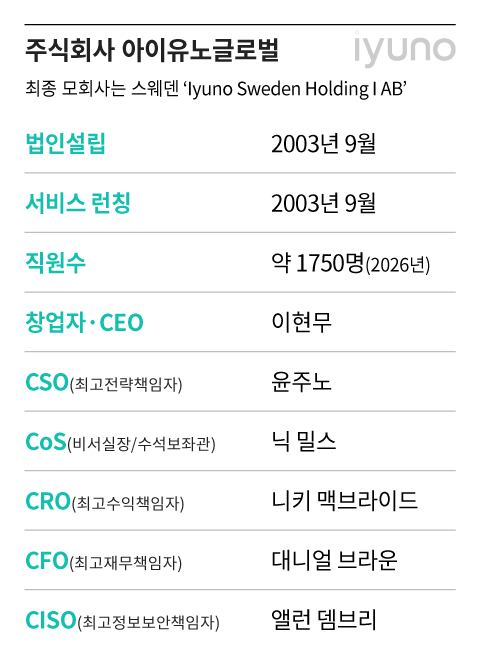
I’m Lee Hyun-moo, founder of IU Global. This is a story of a unicorn that once generated $500 million in revenue but faced collapse. Can a heavyweight unicorn rebound after a downward spiral? Reality isn’t a drama. Heavyweights don’t easily bounce back with pivots.

Today’s interview is with Lee Hyun-moo, founder of IU Global (hereafter IU Global). Honestly, he gave off the vibe of a “cold-blooded businessman” who chooses people based on “pros and cons.” Yet, the *CJAM* reporters found him likable. His skills as a CEO—perhaps the most founder-like among startup founders—deserve respect.

IU Global is the world’s top media localization company. We provide dubbing, subtitling, and technical services for streaming platforms until content is finalized. Our market share is double that of the second-place competitor. We’re the only company directly owning and operating dubbing studios across Asia, Europe, and the Americas. With 300 recording rooms in 31 countries, 20,000 translators, 20,000 voice actors, and services in over 100 languages, we lead the industry.

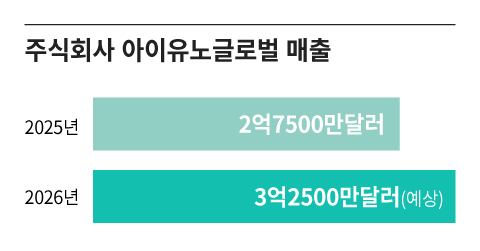
At our peak, revenue hit $511 million. Then, the Hollywood strike and a security breach occurred. Lee Hyun-moo said, “Even I thought there was a 90% chance we’d collapse.” This year’s revenue is projected at $320–50 million. We’ve survived.

Is a dubbing and subtitling company needed in the AI era? The revenue drop stemmed from the belief that AI would replace IU Global’s business. Yet, after hitting rock bottom, we bet on AI. For example, we created an AI named Chloe. Chloe “watches” content like a human and stores it in a database. Lee said, “Innovation happens when you’re broke, at the bottom.” In 2002, three university students started a translation company with 6 million Korean won in cash advances. How did IU Global become number one, collapse, and rise again? Lee answers.

◇ From $6 Million Korean Won Startup to $500 Million Revenue: A Crazy Success Story, But…

= IU Global is a translation, subtitling, and dubbing company, right?

“We’re the world’s top media localization company. It’s not just dubbing and subtitling. We handle end-to-end services: editing, encoding, packaging, and distribution pipelines until content reaches platforms like Netflix. Our market share is roughly double that of the second-place competitor.

We’re the only company with dubbing studios in Asia, Europe, and the Americas. Competitors either lack studios or outsource. Our clients are major global streamers, OTTs, studios, and broadcasters—names everyone would recognize.”

“Revenue breakdown: 70% dubbing, 25% subtitling, 5% media services. We have around 300 recording rooms in 31 countries and work with 20,000 translators and 20,000 voice actors annually. Internal staff range from 1,900 to 2,000—project managers, engineers, and directors.”

= In 2022, revenue was $511 million. It surged post-2018.

“Peak revenue was $511 million, but it dropped. This year, we expect around $320 million. The first half exceeded expectations, and the full year might reach $340–50 million. We’ve recovered significantly.”

“The decline began with the 2022 Hollywood writers’ and actors’ strike. A major client cut spending, and a security breach in 2023 worsened things. We free-fell for two years. Clients left.”

“It was tough. Shareholders trusted us, and we secured internal funding multiple times. We cut costs drastically, including layoffs. However, we invested heavily in security to regain trust and are rebounding in 2026 as major clients return.”

= Rebounding from rock bottom is rare for startups. Most collapse.

“True. The collapse probability was over 90%. It was a grueling period. Positively, the crisis unified us. IU Global was formed by merging three companies, each with its own culture and factions. But when survival is at stake, everyone becomes one team—like Earthlings uniting against aliens. Cultural integration, which takes decades for big companies, happened instantly. There was no time to fight over pie.”

= That’s overly optimistic. Many fail to persuade employees.

“A week after the security breach, after crisis management, we held an all-hands meeting. We said, ‘We’re in deep trouble. This isn’t easy, but if we follow our plan, we can recover.’ Clarity and hope were key.”

◇ “Innovation Happens When You’re Broke”

= The drop wasn’t just about security. There was a prevailing belief that AI would replace subtitling, making IU Global obsolete. Where was the hope?

“AI wasn’t scary then (2022–23) because it couldn’t deliver. Can AI create Netflix-level subtitles for a drama? No.”

= But the narrative was that AI would eventually replace the industry.

“Entrepreneurs draw lines—‘AI won’t do this’—but technology keeps crossing them. Would subtitling vanish? Or could we lead the change? The security breach forced a decision. Previously, we defended against ‘someday’; now, AI became a must-win battle. Revenue was falling, costs were cut to the bone, and without a vision, no one would invest. Desperation drove us to innovate.”

“Funny—we had a similar experience in 2002. We developed a translation software called MediaTrans, patented it, and sold it to CJ. It handled 90% of Korea’s foreign film subtitles. But an executive poached clients and employees, leaving me and one staff member. Revenue dropped from 20 million to 2 million Korean won. To survive, we automated—hence MediaTrans. AI was the same.”

“We invested in AI but saw no results. The conclusion was, ‘AI can’t replace subtitling.’ But crisis changed that. Innovation arises from desperation. When broke, employees work tirelessly without pay.”

= You created Team X during the crisis.

“Two reasons: First, large companies prioritize stability over innovation. Our ‘Security First’ culture blocks risky projects. So, we needed a separate startup-like team under the CEO—Team X, with 20 engineers and operators. Now, it’s a core team.”

“Second, we needed a vision. Five years ago, we co-invested in an AI translation startup. We concluded, ‘Translation can’t be replaced.’ For example, how does AI handle honorifics? Without context—like whether speakers are siblings or strangers—it fails. Back then, we used this to defend against AI. Now, we had to prove it.”

= Your first experiment was English honorifics.

“Simple: Six team members sat in a room. We input, ‘A is 40, B is his 10-year-old daughter,’ then ‘Hey, how are you doing?’ The AI translated it as ‘How are you?’—not ‘How are you, mother?’ Team members said, ‘It doesn’t work.’ But in the LLM era, we tried again with ChatGPT—it worked. Reversing the input switched between formal and informal. That was the breakthrough.”

“We realized the issue wasn’t the model but context. Old models lacked ‘ears’ to listen; LLMs do. If honorifics work, other nuances—gender, age, sarcasm—will too. We expanded experiments and built Chloe.”

◇ Chloe: AI That Replicates Human ‘Watching Experience’

= Define Chloe.

“The problem: Translators, subtitlers, and creators redundantly watch content. They interpret it differently, creating security risks. Chloe uses AI agents to ‘watch’ content like humans. She factors in scripts, previous episodes, brand rules (e.g., ‘No pork mentions in Malaysia’), and generates a database.”

“She tracks characters’ locations, relationships, and emotions. Unlike humans, she shares this memory. From there, AI skills generate subtitles, SDH (Subtitles for the Deaf and Hard of Hearing), audio descriptions, marketing copy, metadata, etc.”

= How is she trained?

“Chloe isn’t a single model. She uses agents to process content. For example, Gemini analyzes video but can’t build memory due to context window limits. Chloe, however, tracks entire seasons. She infers that a character in one scene is the same as in another, even if their appearance or voice changes. She maps apartment layouts—if a character enters a room, she knows they’re inside. These human-like inferences are agent-based. We call it ‘mimicking human watching.’”

“Demo: In a scene where a character speaks to no one, Chloe infers the listener. She describes settings: ‘Elle visits a doctor; a cabinet is on the counter; her emotion is tense.’ She deduces, ‘Elle is pregnant with someone’s baby.’ If a phone shows a kidnapping news article, Chloe translates it. Brand logos are ignored. Human-like tracking is complex—processing a one-hour file takes three hours.”

= Chloe creates subtitles using her ‘content memory’?

“Skills extract outputs. Subtitles, SDH, audio descriptions, synopses, YouTube tags—all derive from her memory. For SDH, she adds ‘tense music plays’ because she knows the soundtrack. Clients build one ‘content memory’ and generate unlimited outputs. Previously, subtitling 20 languages was expensive; now, 100 languages cost only AI tokens.”

= Is Chloe based on Gemini?

“Yes. We use Gemini and enterprise-licensed models. We don’t manage servers—costs are high, but we need top multimodal performance. Internally, we’re eliminating translation layers with ‘Sub X.’ Currently, 10% of workloads use Chloe; by year-end, 70% will. Chloe launches as a SaaS platform in September. Pricing is high due to token costs but far cheaper than human labor.”

“This helped revenue recovery. Clients initially avoided us post-breach but returned, seeing AI partnership value. Our security investments made us a trusted leader.”

◇ The Paradox: AI Dubbing Takes Longer Than Human Dubbing

= Isn’t AI dubbing automatic?

“AI dubbing replaces voice actors but requires creative direction. For a thousand lines, directors specify tone: ‘Read this line strongly, whisper this one.’ AI needs iterative prompting—30–100 times. Human dubbing takes 21 calendar days; AI dubbing takes 24 business days—two weeks longer.”

= YouTube AI dubs lack emotional tone.

“They lack immersion. Paid content needs engagement, so short-form dramas prefer human dubbing.”

= Does Chloe change this?

“AI dubbing’s iteration problem stems from context. Directors manually prompt each line. Chloe automates this. Since she ‘watched’ the entire content, she generates line-by-line prompts. For example, ‘Hello’ becomes, ‘Say this while descending a mountain, given the character’s backstory.’ Humans can’t scale this. Chloe does it automatically—faster, cheaper, and emotionally accurate.”

◇ Conversations with Characters, Not Actors: Chloe’s Content Memory

= What else can Chloe do?

“Subtitles, dubbing prompts, SDH, audio descriptions, synopses, YouTube metadata, press releases, and chatbots. We built a chatbot using content memory. Traditional chatbots lack universe context, but Chloe’s memory enables IP-based bots. For example, chat with *Squid Game* characters. Text-based now, but holograms and physical AI may follow.”

“Chatbot users are teens to early 20s. To attract older audiences, major IPs are key. Context is crucial. Falsehoods become lies only with context. Universe chatbots can avoid this. We’re discussing content memory archives with the Korean government.”

= Can Chloe create content?

“Yes. Extracting context from content, we could generate webtoons or videos from novels. Current Gen Video is limited to 15 seconds with inconsistent faces. Chloe could reverse-engineer this: build content memory from a novel, then create visuals. Consistency—like a remote control staying in the same spot—is key. Without it, production fails. Chloe could solve this.”

◇ $6 Million Korean Won, VHS Tapes, and $1 Billion Debt

= Why a translation company in 2002?

“I failed freshman year, took extra semesters, and translated part-time. My boss offered a job, and I met two partners—a translator and a salesperson. We planned to run it for nine months before studying abroad. Each took 2 million Korean won in cash advances. Deposit: 5 million; desk: 1 million. The partnership dissolved after a year—revenue was too low.”

= The early days were toughest, with $1 billion debt.

“Revenue came in slowly, expenses faster. No accounting knowledge—borrowed from family, KOTEC. The worst: missing a client’s mother-in-law’s funeral, losing half our revenue. I decided to move to Singapore.”

= Why Singapore?

“Korea only needed single-language services. Singapore offered multilingual opportunities. I moved with nothing. For a year, no contracts. Then, a client needed Korean content for a Hallyu channel. I built a low-cost file-transfer system—computers in Seoul and Singapore. I drove hard drives to clients for three years, saying, ‘We’ll handle translation and dubbing if you use our system.’ We later built studios, commuting weekly from Singapore to Kuala Lumpur. This made us Asia’s strongest player.”

= How did you break into the U.S. and Netflix?

“After expanding to five countries, Netflix was booming. A salesperson couldn’t attend a meeting due to tinnitus, so I went instead—it connected us to Netflix. They needed Asian vendors for 190 countries. We secured the contract, and revenue exploded—100% annual growth for three years. We expanded to 10+ countries, and our MediaTrans tech improved. Netflix awarded us twice as a top vendor. We were unstoppable.”

= SoftBank investment and M&A made you number one.

“After dominating Asia, we targeted Europe. But expanding would take decades. Japan was tough—culturally sensitive. Investors suggested going public or bolt-on acquisitions. Our multiple was high; acquiring a company at half our multiple created arbitrage.

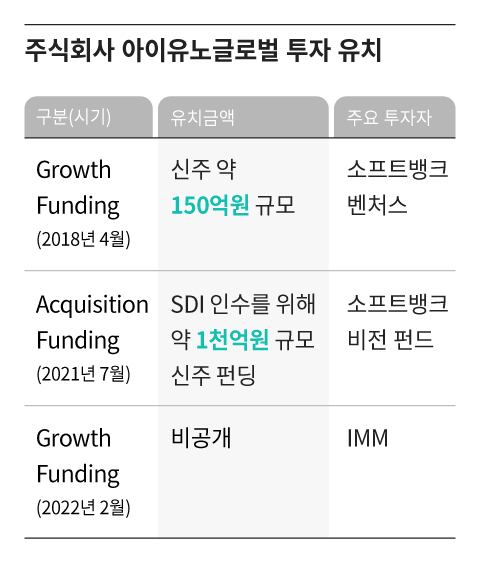
“First investment was SoftBank Ventures Asia (SBVA) in 2018: $25 million at a $100 million valuation, 25% stake. By 2018, revenue was $70–80 million, profit $20 million. We merged with BTI—a larger but indebted company—at equal valuation.

“In 2021, we acquired SDI, our only global competitor. SoftBank’s Vision Fund raised $200 million at a $600–700 million valuation, funding the acquisition.”

= Merging competitors made you the only global player.

“Yes. Our motto was ‘Be the one and only.’ Post-merger, management integrated well, setting record profits. Then came the strike, breach, and crash. We’re climbing back.”

※ *CJAM*’s note: This interview isn’t the end. IU Global’s survival isn’t confirmed. If AI dubbing, subtitling, and ‘human-like content-watching AI’ prove viable, Lee’s vision could surpass $10 billion. The challenge? Tech evolves daily, and competitors may rise unnoticed. If Lee agrees, we’ll revisit IU Global’s survival in one or two years.

Tuesday, November 17, 2026

Vegetable oil, salt samples from markets failed test - FCCPC

The Federal Competition and Consumer Protection Commission (FCCPC) has revealed that 12 percent of vegetable oil samples randomly tested across Nigerian markets failed to pass national food fortification standards.

In a statement released on Thursday by director of corporate affairs, Ondaje Ijagwu, the commission said the survey was conducted over two months in randomly selected markets and households across northern and southern Nigeria.

“The results of the analysis of 200 samples (comprising 100 each of vegetable oil and salt) in the study by FCCPC and GAIN showed that 12 percent of the oil and 2 percent of the salt were inadequately fortified at household level,” the statement reads.

“Among the 100 vegetable oils sampled, 49 were unbranded while 51 were branded,” Ijagwu said.

For salt, the FCCPC said 19 of the samples were unbranded while 81 carried brands.

The commission said the digital fortification quality traceability plus (DFQT+) platform, developed by GAIN to track fortified food products from production to consumption, saw limited participation from manufacturers.

According to the FCCPC, only six vegetable oil producers had registered, and just eight results from three of the six companies were uploaded among the 100 vegetable oil sample results analysed.

The commission said defaulting producers have been issued a directive compelling them to comply.

The FCCPC said Nigeria’s food policy mandates manufacturers to fortify their products with essential vitamins and minerals, including iron, folic acid, vitamin A, zinc, and iodine.

Executive vice-chairman and chief executive officer (CEO) of FCCPC, Tunji Bello, said consumers should be able to trust the quality of products they purchase, and the benefits those products are expected to provide.

Provided by SyndiGate Media Inc. ( Syndigate.info ).

Govt to procure Aman paddy at Tk 35 per kg, rice at Tk 49

Dhaka, Nov. 8 -- The government will procure a total of 8.5 lakh tonnes of paddy and rice from the domestic market during the current Aman season to ensure fair prices for farmers and maintain food security.

Of the total target, the government will purchase 3 lakh tonnes of paddy directly from farmers at Tk 35 per kg.

It will also procure 5 lakh tonnes of parboiled rice at Tk 49 per kg and 50,000 tonnes of non-parboiled rice at Tk 48 per kg.

The decision was taken at a meeting of the Food Planning and Monitoring Committee on Sunday.

Food Minister Afroza Khanam disclosed the decision while talking to reporters at the Secretariat after the meeting.

Paddy procurement will begin on November 14 while rice collection on December 1.

The procurement drive for both Aman paddy and rice will continue until February 28 next year.

Gumi Ramyun Festival sells 22,000 bowls on opening day

The 2026 Gumi Ramyun Festival, now a flagship event of Gumi City in North Gyeongsang Province, has continued its success since its opening day, selling more instant noodles than the previous year. Crowds flocked to the festival grounds, with tourists forming long lines throughout the day to purchase freshly fried noodles.

According to Gumi City on the 7th, 22,231 bowls of specialty noodles were sold on the first day of the festival, which opened the previous day. This marked an increase of 7,091 bowls (approximately 47%) compared to the 15,140 bowls sold on the first day of last year’s festival. First-day sales revenue also rose to 177 million Korean won, up 53 million Korean won (approximately 43%) from last year’s 124 million Korean won.

Freshly fried noodles from Nongshim’s Gumi factory were particularly popular. On the festival’s opening day, the waiting line for freshly fried noodles stretched 500 meters throughout the day. While exact sales figures are still being compiled, Gumi City expects this year’s sales to surpass last year’s total of 480,000 units.

Now in its fifth year, the Gumi Ramyun Festival began on November 6 near Gumi Station and will run for three days until the 8th. It features the “Global Ramen Challenge,” where participants from 13 countries showcase their unique noodle recipes, and the “Ramen Restaurant,” offering diverse noodle dishes.

This year, a special noodle exclusive to the festival was introduced. Nongshim’s Gumi factory produced 200,000 limited-edition “Gumi Ramyun Festival Noodles,” made with wheat grown in Gumi. The product includes beef broth-flavored soup, shiitake mushrooms, carrots, and bok choy.

The Gumi Ramyun Festival is recognized as a successful case of leveraging the region’s key industry as a tourism resource. Gumi City launched the nation’s first noodle festival in 2022, capitalizing on the fact that Nongshim’s factory in the Gumi 1st National Industrial Complex produces approximately 75% of the country’s Shin Ramyun.

Visitor numbers grew from 10,000 people in 2022 to 170,000 in 2024, and last year, 350,000 people attended. With a population of approximately 400,000, Gumi City saw nearly its entire population in visitors over three days.

This year, with first-day sales and revenue already surpassing last year’s figures, expectations for the festival’s success are rising. Gumi City is closely monitoring how visitor numbers will grow until the final day on the 8th.

Tuesday, November 10, 2026

GTCO PLC

GTCO Plc’s H1 2026 performance presents a story of massive balance sheet expansion and tightened risk control, even as profitability growth levelled off due to higher funding costs, depreciation, and tax charges.

Breakdown of profitability and earnings of GTCO showed that Gross Earnings rose by 3.3% to N1.11 trillion from N1.07 trillion, while Profit Before Tax (PBT) closed at N603.03 billion, a marginal increase of 0.35% from N600.90 billion in H1 2025. Profits were heavily throttled by a N46.2 billion fair value loss and a 24.2% surge in interest expenses. Profit After Tax (PAT) dropped 7.8% to N414.19 billion (compared to N449.01 billion in H1 2025), entirely dragged down by a 24.3% spike in tax provisions. Interim Dividend was maintained consistently at N1.00 per share. Year- on- Year (YoY) Total Assets surged 11.5% to N18.62 trillion, while Customer Deposits grew rapidly by 17.6% to hit N13.97 trillion. Loans & Advances retracted by 6.3% to N3.15 trillion.

Due to credit contraction and surging deposits, GTCO’s Loan-to-Deposit Ratio (LDR) slipped to 22.66%. This highlights a strong operational shift toward safe, liquid government securities (+40.9% growth) rather than aggressive loan expansion.

GTCO: Key Performance Ratios (H12026)• Pre-Tax Return on Equity(ROAE): 35.9%• Post-Tax Return on Equity(ROAE): 24.6%• Pre-Tax Return on Assets(ROAA): 6.6%• Capital Adequacy Ratio (CAR):34.9% (Group) / 29.2% (Bank)• Cost-to-Income Ratio: 31.5%• Cost of Risk (COR): 0.6%• IFRS 9 Stage 3 Loans (AssetQuality): 4.6% (Group) / 3.5%(Bank)Financial Highlights• Profit Before Tax: N603.03 billion (up 0.4% year-on-year)• Profit After Tax: N414.2 billion• Total Assets: N18.6 trillion• Shareholders’ Funds: N3.3 trillion• Interim Dividend: N1.00 pershare

Ratios & Key Metrics Comparison

Source: NGX

Tier-1 Banking Comparative Landscape (H1 2026)

Nigeria’s newly recapitalised Tier-1 banking cohort (FUGAZ) delivered highly divergent results for the first half of 2026. While the macro environment of elevated interest rates boosted gross income sector-wide, tactical variations in asset management, funding setups, and geographical footprints separated the industry leaders.

Key Financial Comparison (H1 2026)

Source: NGX

Core Structural Insights

Profit Generation vs. Scale Efficiency: Access Holdings maintains its position as Nigeria’s largest bank by total volume and gross top-line turnover. However, its PBT (N414.13B) lags behind the leaner operational structures of FBNH, Zenith, and GTCO.

The Bottleneck: Access absorbs higher overhead costs (Opex rose to N906.7B) and higher funding interest expenses resulting from aggressive retail and global acquisition integration.

The Asset Quality Separation

Access Holdings outpaces the entire cohort in systemic risk mitigation, boasting a Non-Performing Loan Ratio (NPLR) of 2.76%.

Compared to Zenith’s 4.70% and FBNH’s elevated 13.9%, Access’s defensive loan restructuring and a 70% decrease in write-offs protect its core capital buffers efficiently during ongoing macroeconomic strain.

Shareholder Payout Strategy

Lenders like Zenith and GTCO prioritize immediate investor gratification, stepping up interim dividend payouts to N1.50 and N1.00, respectively, to buoy short-term market sentiment.

Conversely, Access Holdings relies on long-term capital retention, keeping 100% of H1 earnings internally to clear recapitalisation and finance immediate integration pipelines like AfrAsia Bank.

Valuation Arbitrage: Market capitalisation data indicates that Zenith and GTCO capture a massive premium, trading at well over N4.5 trillion valuations.

Access remains heavily discounted at a market valuation of roughly N1.43 Trillion, making its low Price-to-Book (P/B) ratio an attractive entry value point for patient institutional investors betting on post-merger synergies.

Dividend Yield Comparison: Tier-1 Banks (2026)

GTCO, Zenith Bank, and Access Corp compete heavily for investor capital on the Nigerian Exchange (NGX). In terms of dividend performance, GTCO holds the crown for absolute trailing payout size following its massive N12.76 distribution, but market pricing yields tell a highly competitive story:

2026 Tier-1 Banking Dividend Yield Comparison

The Verdict: If you prioritize pure dividend income, GTCO has historically offered the most aggressive reward structure relative to its share valuation. Zenith Bank offers a slightly more conservative yield backed by a larger balance sheet safety net, while Access Corp trades at a discount due to its capital-intensive expansion strategy Provided by SyndiGate Media Inc. ( Syndigate.info ).
Saturday, July 25, 2026

Manufacturers Seek a Lifeline

The sharp decline of 68.25% in corporate income tax contributions from Nigeria's manufacturing industry during the first quarter of 2026 must raise concerns among decision-makers outside just the revenue agencies. This drop, which saw figures fall from N234.59 billion in Q1 2025 to N74.48 billion in Q1 2026, indicates significant pressure on the nation's economic foundation. Clearly, producers require urgent support.

Production continues to be the foundation of each thriving economy. It produces employment in large quantities, boosts demand for agriculture, aids transportation and service sectors, promotes exports, enhances technical skills, and increases government revenue. When manufacturing facilities face difficulties, the overall economy ultimately experiences negative effects.

Recent NBS data show that taxes paid by manufacturers decreased by N160.11 billion from the same period last year and dropped by 47.49 per cent when compared to the prior quarter.

Although overall corporate income tax revenues fell by 31.05 percent nationwide, the manufacturing industry faced a far more severe decline, indicating that the actual economy is carrying the greatest weight during Nigeria's challenging economic shift.

The drop occurs during a highly sensitive time. The introduction of the updated tax system, which involves cutting the Corporate Income Tax from 30 percent to 25 percent, took place alongside deteriorating operating circumstances for manufacturers. This has led to a mix of reduced tax rates and notably diminished company profits.

Proponents of the tax changes claim that reduced rates will eventually encourage investment and enhance company sustainability.

The head of the Presidential Fiscal Policy and Tax Reforms Committee, who also serves as the present Minister of Finance and Coordinator of the Economy, Taiwo Oyedele, has repeatedly supported the reforms as a significant aid program for companies.

He stated that cutting the corporate income tax by five percent significantly puts approximately N1.4 trillion into the pockets of companies each year.

New regulations have also implemented a 0% corporate income tax for small companies and increased tax waivers for businesses with yearly sales under N50 million. The aim is to lower the tax load, enhance adherence, and enable enterprises to keep more funds for growth. This approach deserves praise.

Nevertheless, reduced tax rates offer limited benefit if businesses generate minimal or no earnings subject to taxation.

The CIT primarily functions as a corporate income tax. When earnings decline, revenue from taxes naturally decreases. Consequently, the most recent data highlight not just the effects of tax changes but also the worsening condition of the manufacturing industry.

Companies still face some of the most significant operational expenses across Africa.

Energy continues to be one of the most significant challenges. Inconsistent grid power compels businesses to depend extensively on diesel generators, and electrical rates have increased considerably.

Oil prices stay high, transportation fees have risen sharply, and supply chain delays keep increasing operational costs.

International currency fluctuations have added to these challenges. The Nigerian Manufacturers' Association has consistently cautioned that freeing up the exchange rate has led to massive foreign currency losses and higher manufacturing expenses amounting to trillions of naira, particularly affecting companies reliant on imported equipment, materials, and supplies.

According to data from MAN's CEO Confidence Index, almost 49 percent of manufacturers' foreign currency needs remain unsatisfied via formal channels, leading them to turn to more expensive alternatives, which reduces their already narrow profit margins even further.

The expense of obtaining credit has turned out to be just as harmful. Business loan interest rates surpassing 30 to 35 percent render growth funding nearly unattainable for numerous producers. Very few sectors can secure loans at these levels and still maintain profitability.

Sluggish consumer spending adds to the ongoing turmoil. Rising inflation has significantly reduced households' buying capacity, resulting in increased stockpiles for numerous producers, which hit an all-time high of N1.8 trillion by the third quarter of 2025 despite falling sales figures.

As a result, companies find themselves caught between rising expenses and low consumer interest.

This clarifies why manufacturing, although generating 13.82 percent of domestic corporate income tax and continuing as the nation's third-largest source of internal taxation, currently makes up just around 5.45 percent of overall national corporate income tax revenues.

Certainly, overseas taxes amounted to N828.82 billion, accounting for 60.6 percent of overall revenue during Q1 2026, whereas local industries face growing challenges.

The effects go beyond just tax income, since manufacturing represents one of Nigeria's biggest possible sources of jobs. Each industrial position leads to more job possibilities in areas like transport, farming, commerce, upkeep, and support services.

Continued industrial development is crucial for lowering joblessness, increasing export activities, and decreasing overreliance on income from petroleum resources.

Financial experts have increasingly voiced worries that the productive sector of the economy is being outshone by industries that bring in income without significantly generating widespread jobs.

Experts from SBM Intelligence have stated that although official tax rates might be decreasing, companies still encounter various charges, administrative expenses, and new responsibilities that could counteract part of the expected advantages from lower taxes.

Hence, the administration needs to back up financial changes with strong manufacturing promotion strategies.

First off, energy expenses need immediate consideration. Specialized industrial power programs, gas-to-electricity benefits, and integrated generation setups for manufacturing hubs require prompt focus. Stable electrical supply could greatly lower manufacturing costs.

Cost-effective funding needs to take precedence, with financial assistance from the Bank of Industry and developmental finance organizations increased at low-interest rates below ten percent to aid operational expenses, purchase of machinery, and growth initiatives.

In addition to statements, tax coordination needs to be strongly enforced. Companies often express dissatisfaction with double taxation from federal, state, and municipal authorities. Removing redundant taxes would enhance the simplicity of conducting business.

Additionally, currency stability, which seems nearly secured, needs to remain intact.

Companies need consistent currency exchange rates for forecasting, setting prices, and purchasing. Increased availability and consistency within the foreign exchange market could lower risks and safeguard profits.

Government purchasing guidelines ought to deliberately focus on domestically produced goods whenever feasible. Robust domestic demand can enable manufacturers to attain cost advantages through increased production volume and enhance their financial performance.

Essentially, funding for road networks, port facilities, and transportation routes will reduce shipping expenses, which in turn lead to increased efficiency and market strength.

Although the Bola Tinubu government has taken an active approach to increasing income, Nigeria cannot achieve economic success through taxation of industries, nor should it anticipate significant tax collections from faltering manufacturers.

A steady increase in tax revenue relies on successful companies, increased output, and growing investments.

Should Nigeria truly aim for inclusive development, widespread job creation, and long-term income generation, backing industry cannot be considered discretionary. The production sector continues to drive the actual economy. Rebuilding it may well be the key economic challenge confronting leaders at this moment.

Supplied by SyndiGate Media Inc. ( Syndigate.info ).

Friday, July 24, 2026

Car Maker Ends Australian Shipments After Just 373 Sales

  • Citroën to cease vehicle sales in Australia
  • It follows a decline in sales

A major automotive company's distributor has announced it will stop delivering cars to Australia.

After nine years of supplying the cars, Inchcape Australasia will remove Peugeot from its range.

"As an integral part of Inchcape's usual method of managing its portfolio, we regularly assess our collaborations to make sure we maintain the appropriate collection of brands for our company, in line with our strategic expansion goals," a statement said.

Consequently, Inchcape Australia and Stellantis have reached a mutual decision to terminate their distribution agreement for Peugeot in Australia, with the exact termination date yet to be determined after a transitional phase.

Stellantis has announced that the Peugeot brand will remain active in Australia and will share details about its regional strategies at an appropriate time.

The statement follows several years of declining sales for French-produced products. vehicles that have nearly been reduced by half in Australia since 2019.

Peugeot managed to sell just 373 vehicles in Australia during the initial five months of this year – representing a 35 percent decrease compared to the lowest level recorded in 2025.

It is expected that sales will be below 1,000 in 2026, following the sale of only 1,350 units during the previous year.

This is nothing like the company's peak period in 2005, when it managed to sell over 7,000 cars.

The announcement follows two years after Inchcape Australia discontinued the sibling brand Citroen, which sold fewer than 1,000 vehicles annually since 2015, after reaching a high of 3,803 sales in 2007.

Nevertheless, Chinese imports have risen ten times over in recent years and are currently the leading supplier of vehicles to Australia, with over 220,000 units sold in 2025.

Stellantis states that it plans to collaborate with China's Dongfeng Motor Corporation to develop more affordable vehicles manufactured in China bearing Jeep and Peugeot branding.

Citroën has a significant presence in Australia, with vehicles being available for purchase in the country even before World War I.

At present, there are 29 Peugeot outlets across Australia, and within Inchcape's range, Subaru stands out as the top-performing brand.

Read more

Thursday, July 23, 2026

Ministry Promises Stricter Protection for Seafarers' Rights

The Department of Ocean Affairs and Sustainable Development has announced its commitment to implementing relevant rules and labor guidelines to guarantee fair treatment of sailors and ensure that employers meet their responsibilities as outlined in domestic and global shipping agreements.

The Minister for Maritime Affairs and Ocean Economy, Adegboyega Oyetola, stated this lately in Lagos at the 2026 Seafarers' Day event.

The gathering had the theme, "Bearing Global Commerce, Bearing the Liability."

Oyetola, who was present at the gathering through the Executive Director of Marine Safety and Security within the Federal Ministry of Maritime and Blue Economy, Musa Makoji, emphasized that the well-being of the country's seafarers is not up for discussion.

"The department will keep implementing relevant rules and labor standards to make sure that sailors are treated justly and that employers meet their responsibilities as outlined in local and global maritime agreements. The well-being of our marine workers is not up for discussion. I praise the ship owners and employers who maintain the best levels of well-being, security, and expertise, and encourage them to strive further," Oyetola stated.

He urged continuous cooperation in advancing adherence to global standards and optimal methods, stating, "To our sailors, I extend my most sincere thanks. Although your duties frequently occur out of sight, their effects are experienced by all nations and economies."

Oyetola emphasized that even though sailors fuel worldwide trade, they shouldn’t have to face its dangers too, stating that safeguarding those who ensure global business continues is a collective duty needing support from governments, company executives, world bodies, and everyone in society.

"Today, we recognize not just your efforts but also your dedication, perseverance, and contribution to mankind. We acknowledge the essential part you have in uniting countries, aiding economies, and enhancing people's lives globally," said Oyetola.

He stated that, with their professionalism, perseverance, commitment, and sacrifices, sailors have maintained the movement of worldwide trade and ensured the continued operation of the global economy.

Oyetola stated that the topic of the gathering is powerful, accurately highlighting the fact that although sailors form the foundation of international commerce, "they are also some of the individuals who face the greatest dangers and unpredictability linked to this industry."

The ex-Governor of Osun State pointed out that each successful journey has a tale of dedication, perseverance, and giving up something for the sake of achievement.

"Mariners often remain separated from their loved ones for extended durations, perform their duties in challenging environments, and deal with ever more complicated operational and safety issues. This career demands not just technical skills, but also bravery, self-control, and remarkable endurance," he said.

He mentioned that the marine sector currently encounters extraordinary difficulties, such as political conflicts, interruptions in international trade routes, changing safety risks, environmental impacts, and increasing work requirements.

"Even with these challenges, sailors still show dedication in keeping global commerce moving smoothly. While recognizing their efforts, we should also renew our shared promise to safeguard their respect and entitlements," Oyetola said.

During his opening speech, the Director-General of the Nigerian Maritime Administration and Safety Agency, Dr. Dayo Mobereola, stated that the yearly event offers a significant chance to honor and value "the essential roles played by sailors whose steadfast dedication not only supports economies but also reinforces the connections that bring together individuals around the world."

Mobereola emphasized that the theme highlights the vital contribution of sailors to maintaining global commerce, while also bringing focus to the significant dangers and difficulties they face in carrying out their responsibilities.

"Seafarers not only move goods but also face changing weather patterns, tough work environments, rising safety risks, and growing political challenges. They experience long periods away from their family and friends, along with dealing with both bodily and mental stresses of living on water. Despite this, they keep showing remarkable strength, dedication, and steadfast loyalty," Mobereola stated.

He emphasized that within NIMASA, the well-being, safety, security, and career development of sailors continue to be key priorities in maritime management.

Mobereola stated that the organization acknowledges safeguarding and supporting sailors goes beyond being just a legal requirement; it is also an ethical responsibility and a key factor in ensuring the continued development and stability of the shipping sector.

He stated, 'Governments, naval authorities, vessel owners, employers, educational bodies, worker associations, and sector representatives should keep working together to create a marine environment focused on security, respect, diversity, health, and career success.'

Previously, Wasiu Eshilokun, the Chairperson of the Senate Committee for Maritime Transportation, mentioned that sailors work in tough environments and frequently encounter substantial dangers such as harsh weather, safety issues, operational threats, and extended time spent apart from their loved ones.

"Nevertheless, they continue to be dedicated to maintaining the smooth flow of goods and services that society relies on every day. The committee has concentrated on backing projects that boost maritime safety and security, elevate the well-being of sailors, increase port effectiveness, reinforce local shipping capabilities, and provide job prospects for Nigerian maritime workers," he stated.

He pointed out that in alignment with the federal government's maritime growth plan, the committee will push for measures that promote the upgrading of port facilities, "the establishment of a viable ocean-based economy, greater involvement of Nigerian sailors in global shipping, and complete adherence to international maritime agreements that safeguard the rights and well-being of mariners."

Supplied by SyndiGate Media Inc. ( Syndigate.info ).
Wednesday, July 22, 2026

World Bank Recognizes Apapa and Tincan Ports' Transformation

The company responsible for managing the Electronic Call-up System codenamed 'Ètò', launched by the Nigerian Ports Authority to streamline truck movements into and out of port areas, has confirmed that the most recent World Bank assessment of the Apapa and Tincan Island ports supports the experiences reported by industry players since the implementation of Ètò.

As per a statement acquired by The PUNCH , the Chief Executive Officer and co-founder of TTP Limited, Jama Onwubuariri, made these comments while responding to the latest World Bank rating.

According to reports, the 2025 Container Port Performance Index, released by the World Bank along with S&P Global Market Intelligence, highlighted Nigeria's Lagos Port Complex (Apapa) and Tincan Island Port as two of the top 20 container ports that have shown significant improvement globally during the past five years.

In the global enhancement ratings, Tincan Island Port secured the 10th position, whereas Lagos Port Complex (Apapa) came in at 12th place, achieving notable progress among container terminals globally from 2020 to 2025.

TTP emphasized that the acknowledgment highlights an impressive improvement in the functional efficiency of Nigeria's most active port routes.

Prior to 2021, long lines of trucks extended from Apapa all the way to Maryland and the Cele Expressway; drivers frequently had to wait between two to three weeks before being able to reach the ports, causing freight transportation expenses to increase by up to 450 percent because of traffic jams and operational problems. In February 2021, TTP Limited, working alongside the Nigerian Ports Authority, launched the Ètò Electronic Call-Up System to digitalize and manage vehicle entry into the Apapa and Tincan port areas, according to the statement.

The company stated that following the launch of Ètò in 2021, the platform has handled over 3.5 million truck movements, contributing to bringing structure and reliability to one of Africa's most active trading hubs.

TTP mentioned that the typical processing time for getting into ports and moving goods out has dropped to two days or fewer: "Logistics expenses related to cargo have decreased by approximately 65 percent, while containerized exports rose by 464 percent from 2020 to 2021. Currently, the system offers live tracking and access management at over 120 sites within the Lagos port network and has achieved full operational availability since its introduction."

TTP credited much of the ports' enhanced efficiency to the ongoing development of the Ètò platform.

The company noted that during the past five years, improvements including export truck pre-screening, simplified reservation processes, real-time vehicle monitoring, sophisticated time-to-turnaround analysis, smart forecasting systems, and stronger collaboration with port partners have decreased delays, boosted freight movement, increased transparency, and reinforced cooperation throughout the supply network.

"Collectively, these enhancements have facilitated the development of a more effective and robust port system, which has contributed to the operational advancements highlighted in the World Bank’s ratings," it noted.

In the meantime, responding to the rankings, Jama Onwubuariri, Managing Director and Co-founder of TTP Limited, stated that five years prior, Apapa and Tincan served as worldwide illustrations of the consequences of inefficiency.

"Currently, they are acknowledged as some of the top improving container terminals globally. This change didn’t occur randomly. It stems from courageous reforms, cooperation within the port network, and the use of technology that has introduced clarity, order, and reliability into vehicle and freight movements. The World Bank's rating confirms what those involved have witnessed firsthand since the launch of Ètò. More effective truck planning leads to quicker cargo removal, enhanced terminal efficiency, reduced transportation expenses, and a stronger seaport industry. We take pride in the fact that Ètò has been crucial in this process. Looking forward, we will keep innovating and introducing smart transport solutions designed to address operational issues not just inside ports, but along entire trade routes and at borders across Africa," Jama said.

He pointed out that the recent World Bank acknowledgment highlights the increasing influence of digital advancements within Nigeria's shipping industry and emphasizes the significance of continued funding for tech-based approaches that enhance trading effectiveness, minimize transportation delays, and boost countrywide competitiveness.

"For TTP, it further highlights the potential to utilize insights gained from the Ètò transition in addressing various transportation and trade issues throughout Africa's ports, logistical routes, and cross-border systems," he added.

TTP Limited is a Nigerian firm specializing in technological and infrastructural services, focused on crafting smart transportation solutions for seaports, supply chain routes, and cross-border systems. With its main product, the Ètò Electronic Call-Up System along with associated transport infrastructure, TTP assists government bodies and business operators in enhancing traffic regulation, entry monitoring, process effectiveness, and commerce promotion within intricate logistical setups.

Supplied by SyndiGate Media Inc. ( Syndigate.info ).

WACT-APM Names First Nigerian MD in International Expansion

The WACT-APM Terminals Nigeria has revealed the selection of Courage Obadagbonyi as Chief Executive Officer, starting from 1 July, replacing Jeethu Jose and marking him as the inaugural native Nigerian to hold this role.

In a message released on Monday, the company revealed that the selection highlights the organization's ongoing commitment to cultivating robust leadership from across its international workforce, while maintaining consistent expansion and high standards of performance.

The declaration stated that, having worked as an experienced leader with more than 20 years of global expertise, Obadagbonyi has occupied managerial positions in areas such as finance, operations, and overall administration within prominent multinational companies like APM Terminals, General Electric, and Lafarge. Prior to his current role, he was the Chief Financial Officer for the APM Terminals Nigeria group, overseeing financial planning throughout Nigeria and San Pedro, Ivory Coast.

"He additionally held an interim role as Managing Director of APM Terminals Apapa from 2025 until March 2026, enhancing his background in operational leadership. Having worked across industries including oil and gas, power production, transportation, and health care, Obadagbonyi offers significant knowledge in fiscal management, risk improvement, and corporate efficiency," the statement noted.

Commenting on his new position, Obadagbonyi stated, "I am eager to build upon the solid base currently established at WACT. The terminal serves an essential function in linking companies in Eastern Nigeria with international markets, and we remain committed to maintaining secure, dependable, and effective operations."

The CEO of APM Terminals Nigeria, Frederik Klinke, stated that this appointment highlights the company's dedication to nurturing leadership and ensuring sustained expansion.

"Throughout APM Terminals worldwide, we observe robust cooperation and employee advancement among our teams. This new role highlights the level of experience present within our company and the ongoing commitment to developing skills that drive long-term growth. Nigerians have consistently showcased outstanding work and leadership abilities. Team members from our Apapa and Onne ports have shared their knowledge on an international scale while also introducing effective methods to enhance activities in Nigeria," Klinke stated.

He mentioned that Obadagbonyi's background will aid the upcoming stage of operational efficiency and value provision at WACT.

In the meantime, the departing Managing Director, Jeethu Jose, stated, "It was an honor to head WACT-APM Terminals Nigeria through a time of significant development. The group has created a solid foundation for what lies ahead, and I have faith in the ongoing achievements of the company."

The West Africa Container Terminal operated by APM Terminals located in Onne, Rivers State, stands among Nigeria's top container facilities since starting full-scale operations in 2006. The firm keeps investing in increasing capacity and updating infrastructure, such as a $115 million terminal enhancement initiative introduced in 2020. This improvement involves installing refrigerated units capable of handling 600 plugs, expanding the existing storage area, building a new maintenance facility, implementing an advanced automated entry system, upgrading office spaces, and integrating cutting-edge technological solutions. Such efforts have improved operational effectiveness, boosted customer support quality, and solidified WACT's position as a key hub for commerce outside of Lagos.

Supplied by SyndiGate Media Inc. ( Syndigate.info ).

Monday, July 20, 2026

Leading Property Firm Rebrands for Global Expansion

The leading real estate company in Zimbabwe has formally changed its name to HSP Realty, abandoning its previous House of Stone Properties branding as part of an ambitious shift designed to expand into global property markets without losing its respected regional reputation.

The new branding, which takes effect right away, goes well beyond a superficial update.

As per the firm, this indicates a conscious shift to match the growing global real estate market, where investor trust and brand awareness go beyond country lines.

The simplified name aims to connect with various markets as the company increases its participation in real estate deals outside of Zimbabwe.

"Real estate's future is international," stated Leonita Mhishi, chief licensed property agent at HSP Realty.

Our new brand is briefer, more powerful, and easier to remember, symbolizing our growing global reach and dedication to exceptional service.

The company’s updated visual brand, showcasing bold red and golden hues, represents trust, luxury, quality, and possibility—values the organization claims will support its upcoming stage of expansion.

A major internal transformation underlies the new identity.

HSP Realty has improved its management frameworks, broadened its expertise, and upgraded its operational processes to serve both regional and global customers more effectively.

Collaborative alliances play a key role in the company's expansion path, especially in creating prospects for purchasers, vendors, financiers, and real estate builders.

The organization is presenting itself as an all-encompassing real estate service firm, integrating conventional brokering with support for investments and consulting services.

The company reassured clients that they need not be concerned about interruptions.

Every current agreement and active transaction will continue smoothly under the newly established HSP Realty brand.

"Although the name has changed, our promises remain the same," Mhishi said.

Based at 21 Harare Drive, Borrowdale, Harare, the company remains dedicated to serving customers with its energetic slogan: "SPOT IT. SEE IT. SECURE IT."

"This goes beyond a new brand identity; it represents a clear declaration of purpose," Mhishi mentioned.

Our aim is to establish a real estate firm that operates on an international scale while staying true to the principles that have established House of Stone Properties as a reliable brand in Zimbabwe.

Supplied by SyndiGate Media Inc. ( Syndigate.info ).

Friday, July 17, 2026

China Shows Willingness to Address Huge EU Trade Surplus Amid Bracing European Stance

Beijing proposed purchasing additional European products as the EU considers new trading mechanisms and demands concrete advancements by October.

China has expressed willingness to examine methods for reducing its significant trade surplus with the European Union during meetings held in Brussels on Monday, as reported by several individuals who were informed about the conversation.

Chinese Trade Minister Wang Wentao indicated to EU trade representative Maros Sefcovic that China might be open to signing deals for purchasing European products. The conversation included topics about reducing taxes on goods from the EU, marking an unusual acknowledgment from China that its daily trade surplus of billions of euros has turned into a political issue.

In connection with this, Beijing is also, possibly unexpectedly, willing to moderate its rapid growth in exports to the 27-nation bloc, raising concerns that European producers could be overwhelmed by low-cost and continuously improving Chinese products. However, according to some individuals, Wang showed greater interest in boosting imports from Europe.

Are you curious about the major issues and developments happening globally? Find your answers here with SCMP Knowledge Our latest platform featuring carefully selected content, including explanations, frequently asked questions, analysis, and visual graphics, presented by our acclaimed team.

In public, Beijing has minimized the importance of the trade deficit, stating that it is merely due to European demand for Chinese products. During earlier discussions, Chinese representatives mentioned that Dutch restrictions on high-end equipment used in chip manufacturing hinder their ability to adjust trade balances.

The noticeable change observed on Monday might stem from a growing European Union interest in enhancing its approach toward China by introducing fresh strategies after discussions among member nations took place last month.

The European Union aims to employ tariff-rate quotas to curb the influx of Chinese goods entering EU ports within critical industries. This dual-level approach—referred to as safeguard measures—would permit a set amount of a particular item to be imported into a nation at a lower duty rate. After this cap has been exceeded, further imports would face considerably increased tariffs.

Only in May, the EU's trade gap with China increased by 15 percent In comparison to the previous year, Germany's deficit increased by 31.6 percent. Last year, the deficit rose above $410 billion, a figure labeled by European Union officials as "unmanageable."

Sefcovic updated EU envoys about the discussions held on Wednesday, where he outlined intentions to create two new mechanisms to be finalized later this year as the Commission seeks fresh approaches to address its disparities with China in case talks do not succeed.

First, as a strategy for diversification, it would require businesses to broaden their list of suppliers to prevent risky reliance within essential industries.

The second one, a support system, would provide compensation to businesses facing retaliatory measures during a trade conflict, potentially allowing the EU more room to increase tensions when required, as it might ease worries about being singled out.

Sefcovic stated on Monday that discussions were "intense, concentrated, and productive," adding that there was "far greater comprehension of the shared difficulties facing Europe from our Chinese partners compared to what we previously experienced."

He established an October deadline for discussions with Beijing to demonstrate "concrete outcomes," a schedule aligning with the directive provided to the European Commission by EU leaders earlier this month to develop new measures for addressing the uneven dynamic during the fall.

On Thursday, Brussels received significant support as Germany announced its agreement with a more stringent EU approach toward China, with fresh governmental reform proposals calling for broad-based actions to address "unfair competition."

A message was included in a set of reforms aimed at revitalizing the struggling German economy and indicated backing for expanding the EU's trading tools to address what is often referred to as the " China shock " to European industry.

"Strong safeguards against unjust competition are necessary, especially with quicker and industry-wide implementation of antidumping and antisubsidy measures across Europe," stated the German policy paper.

At present, the European Union mainly relies on narrowly focused product-specific tariffs to address unjust trading practices, although it has considered employing safeguard measures more regularly, or possibly creating a new trade tool to enable targeting whole industries within a single nation.

The German report added, 'Efforts to bypass these security measures should be strongly countered, and global economic inequalities and discrepancies need to be tackled.'

Delivering the proposals in Berlin, Chancellor Friedrich Merz stated: "We do not wish for trade disparities of the present scale to occur or increase further."

Sefcovic is set to visit Beijing in October. However, European Union representatives anticipate a busy summer filled with low-level negotiations with their Chinese counterparts as both parties strive to identify a way out of a worsening trade conflict.

However, indications suggest that the block's efforts to reduce its economic ties with Beijing will proceed swiftly, accompanied by a series of sharp criticisms following Monday's discussions.

On Thursday, the committee initiated an investigation into certain Chinese-manufactured batteries—those commonly found in TV remote controls and other home devices—following concerns raised by European businesses.

On Wednesday, it implemented a Euro3 (US$3.43) processing fee for packages worth less than Euro150 (US$171) entering the European Union market, as postal companies cautioned that they have been inundated with inexpensive items purchased from Chinese online shopping sites such as Temu and Shein.

Additionally, on Wednesday, the tariff rate for steel imports exceeding quotas was increased to 50 percent, following the expiration of an earlier temporary measure. These duties affect steel coming from all over the globe, although the decision was primarily driven by an oversupply resulting mainly from Chinese production.

Manfred Weber, head of the European Parliament's biggest faction, the European People's Party, cautioned on Wednesday that the EU risks entering a "period of confrontation" with China unless an agreement is reached by fall.

We must significantly alter our strategy toward China," Weber said to Euronews. "We require a fresh framework where it is made clear that subsidies do not belong within a free-market system.

More Articles from SCMP

Wang Yi advises Marco Rubio to handle matters concerning Taiwan with "the greatest care"

Consequences of Venezuela's earthquake, Sino-Colombian connections: 7 relationships in Latin America

Alibaba files lawsuit against the Pentagon, a rare earth agreement faces test, Taiwan weapons: 7 key updates on U.S.-China relations

Can China's container-based aircraft launch system change the principles of contemporary combat?

The article was first published on the South China Morning Post (www.scmp.com), a top-tier news outlet covering developments in China and Asia.

© 2026. South China Morning Post Publishers Ltd. All rights reserved.

Sunday, July 5, 2026

Emirates Launches First Cargo Carrier Deployment of Boeing 777-300ERSF

Emirates is celebrating an important step forward in growing its cargo fleet by being the first airline cargo operator* to introduce the Boeing 777-300ERSF, which was originally designed for passengers but has now been modified into a freighter. This plane (A6-EBK) will start regular operations with a journey from Hong Kong to Dubai, transporting more than 100 tons of goods.

The modified Emirates Boeing 777-300ERSF provides a payload capability of 100 tons and a cargo space of 811 cubic meters, marking a 25% rise in cargo volume relative to the Boeing 777-F production freighter. With 47 pallet slots, this adapted plane includes 10 more pallet positions than the standard Boeing 777-F model, making it well-suited for carrying bulkier shipments like online retail products, which now account for roughly 20% of worldwide airfreight volumes and are expected to grow significantly in the coming years.

Badr Abbas, senior vice president of Emirates SkyCargo's division, stated The introduction of the first modified Emirates Boeing 777-300ERSF into active service marks another advancement in expanding our fleet and improving our operational flexibility. We are enhancing our fleet resources by transforming older Boeing 777-300ER passenger planes to address increasing needs for air freight space, enabling faster transportation of goods around the globe.

Alongside our expanding collection of Boeing 777-F manufacturing freighters, we've successfully expanded our worldwide freighter network from slightly more than 40 locations in February of this year up to 62 locations at present, with further growth anticipated. We're offering our international clients adaptable shipping space along with maximum flexibility and connection for transporting goods into and via our Dubai hub.

Drive for an expansive fleet and enhanced connectivity network

The newly converted Boeing 777-300ERSF marks the sixth fresh cargo plane, after five Boeing 777-F models, joining Emirates SkyCargo's operations since March 2026. In line with its bold growth plan, Emirates SkyCargo is set to receive five more Boeing 777-F planes along with another converted Boeing 777-300ERSF before the end of 2026. Additionally, three further modified Boeing 777-ERSFs are expected to enter the company's fleet in 2027.

The growth of Emirates SkyCargo's fleet and route system highlights the company's dedication to increasing its involvement in facilitating international commerce, connecting emerging locations with enterprises, and enhancing links to major manufacturing centers within its worldwide network covering six continents.

The post Emirates is now the pioneering air freight company to introduce the Boeing 777-300ERSF aircraft. appeared first on The Herald ghana .

Supplied by SyndiGate Media Inc. ( Syndigate.info ).