Technology and philosophy

Showing posts with label environmental disasters. Show all posts

Tuesday, June 23, 2026

Anti-Flood Clean Begins: Zoomlion, NADMO, FeDEMS, DML Launch 3-Day Operation in Accra

In an effort to minimize flooding and enhance environmental hygiene throughout the current rainy period, Zoomlion Ghana Limited has partnered with the National Disaster Management Organization (NADMO), FeDEMS Group Ltd., Dredge Masters Ghana Limited, staff from the Ghana Police Service, the Ghana National Fire Service (GNFS), and Metropolitan Municipal District Assemblies (MMDAs) to launch a three-day cleaning and sediment removal operation in identified areas vulnerable to floods across the Greater Accra Region.

The activity started on Wednesday, June 10–12 at 7:00 a.m., focusing on key drainage systems and water routes in Roman Ridge, Mallam, Paloma, Circle, Kaneshie, and GBC regions, with crews carrying out thorough cleansing and sediment removal tasks to ensure proper rainfall runoff and minimize flood hazards.

The move follows recent intense rainfall that has caused floods in certain areas of the city, prompting worries regarding the effects of improper trash management and blocked sewerage networks on community well-being.

During discussions at the event, the Greater Accra Regional Head of NADMO, Mr. Dennis Nartey, highlighted that the partnership among NADMO, Zoomlion, FeDEMS, Dredge Masters, Police, Fire Service, and MMDAs reflects a shared dedication to tackling one of the main reasons for flooding in the city.

As he explained, each major rainstorm generates substantial quantities of trash and rubble, most of which ultimately ends up in drainage systems and rivers. He pointed out that the problem worsens due to people who intentionally throw garbage into the drains, hindering proper water movement during rainy periods.

Mr. Nartey emphasized that numerous issues related to flooding stem from human actions and thus necessitate a shift in public mindset.

He encouraged locals to handle garbage properly and utilize official waste disposal methods rather than depending on rainfall to remove trash.

He took advantage of the opportunity to support the continuous "No Do No Do" initiative, aimed at preventing careless waste disposal and promoting ecological accountability within the community.

He highlighted that safeguarding people and belongings from flooding necessitated the involvement of all individuals within the community.

The head of government and corporate affairs at Zoomlion Ghana Limited, Mrs. Emma Adwoa Appiah Osei-Duah, stated that the firm was happy to collaborate with NADMO, FeDEMS, and other organizations during this initiative, especially as the nation faces regular intense rainfall.

She stated that debris transported by floodwater frequently gathers in drainage systems and rivers, leading to obstructions that raise the risk of floods.

She mentioned that the cleanup initiative was included in wider initiatives aimed at addressing these issues via ongoing hygiene programs and cooperation among interested parties.

Mrs. Appiah Osei-Duah mentioned that the three-day event aimed to assist with flood control measures by removing trash and sediment from key drainage systems in impacted areas. She also stated that the collaboration demonstrates a joint dedication to safeguarding neighborhoods and enhancing ecological surroundings within the capital city.

Additionally addressing the event, Ms. Sophia Kudjordji, Chief Corporate Communications Officer of Zoomlion Ghana Limited, mentioned that the program was designed to minimize flooding occurrences throughout the wet season by keeping drains and eaves clear of blockages.

"Today, we have come together for this cleanup activity as part of initiatives aimed at preventing flooding during intense rainfalls. Many floods happen due to blocked gutters and drainage systems filled with trash. Hence, we are removing debris from these areas to allow proper water movement," she said.

Miss Kudjordji pointed out that although rain cannot be stopped, the damage typically linked to flooding can be reduced using effective hygiene measures and consistent upkeep of drainage systems. She mentioned that by cleaning sewers and eliminating built-up trash, neighborhoods will have greater protection during periods of intense precipitation.

As a result, she urged citizens to back the work of waste management officials by avoiding the disposal of garbage into sewers and water bodies, emphasizing that keeping an area tidy is everyone’s duty.

She was confident that ongoing public awareness efforts and active community involvement could significantly help minimize flood risks and protect people and assets throughout the city.

Supplied by SyndiGate Media Inc. ( Syndigate.info ).

Friday, June 12, 2026

Whales Have Been Dying Here for 5 Million Years

A graveyard found by a Chinese team is recognized as the deepest and largest on Earth for whale fossils, remains, and the ecosystems they sustain.

Chinese oceanographers from the Academy of Chinese Sciences (ACS) has identified the biggest "whale-fall location" ever documented in the Indian Ocean.

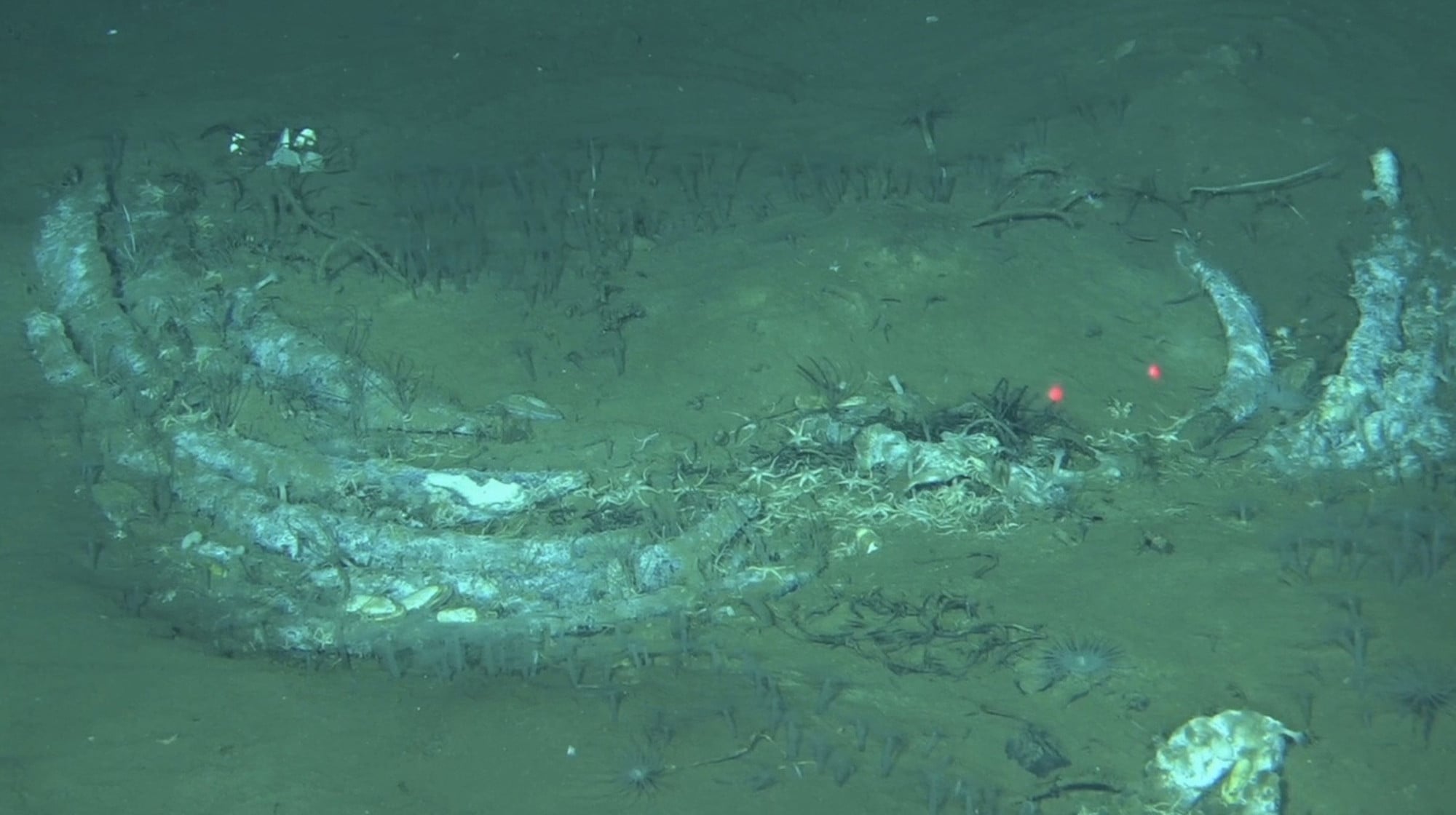
The cemetery consists of the planet's deepest and broadest recognized collection of whale remains and the special environments these structures sustain, with certain fossils estimated to be around 5.3 million years old.

A detailed study, outlined in a paper released this week in the prestigious scientific publication Nature, was carried out by scientists from the CAS Institute of Deep-Sea Science and Engineering located in Sanya, a coastal city in southern Hainan Province, together with scholars from the University of Pisa and Earth Sciences New Zealand.

Are you curious about the major issues and developments happening globally? Find your answers here with SCMP Knowledge Our latest platform featuring carefully selected content, including explanations, frequently asked questions, analysis, and visual graphics, presented by our acclaimed team.

"The research changes the perception of the boundaries and distribution of whale-fall habitats and highlights certain areas of the deep seafloor as a repository of fossils for studying the evolutionary history of whales across geologic periods," states the study.

When a whale passes away, it initiates an uncommon natural event called a whale fall. The body might float at the top of the water for a period, drawing in sharks and other hunters, then slowly descend to the seabed, where it gets eaten by deep-ocean scavengers.

Whale carcasses form intricate, localized environments that sustain various species. Nevertheless, their scientific documentation has traditionally been limited and inconsistent.

The majority of recorded whale falls have occurred at depths below 4,000 meters (13,123 feet), with the previously known deepest one located at 4,204 meters.

At one point, there were no previous scientific observations of whale falls in the deep-sea region, which lies at depths ranging from 4,000 to 6,000 meters beneath the ocean's surface.

Currently, the group headed by oceanographers from the Chinese Academy of Sciences has addressed this void through their finding of an extensive and old whale graveyard within the Diamantina Fracture Zone in the southern Indian Ocean.

From February to March 2023, scientists onboard the Chinese submersible Fendouzhe or Striver, found several whale carcasses and bones within the area.

After the first finding, the group carried out 32 additional dives within the following month, charting the spread of the remnants and looking for indications of related deep-ocean habitats.

The location extends approximately 1,200 kilometers (745 miles) across the ocean floor, with depths varying from 4,200 to 7,000 meters.

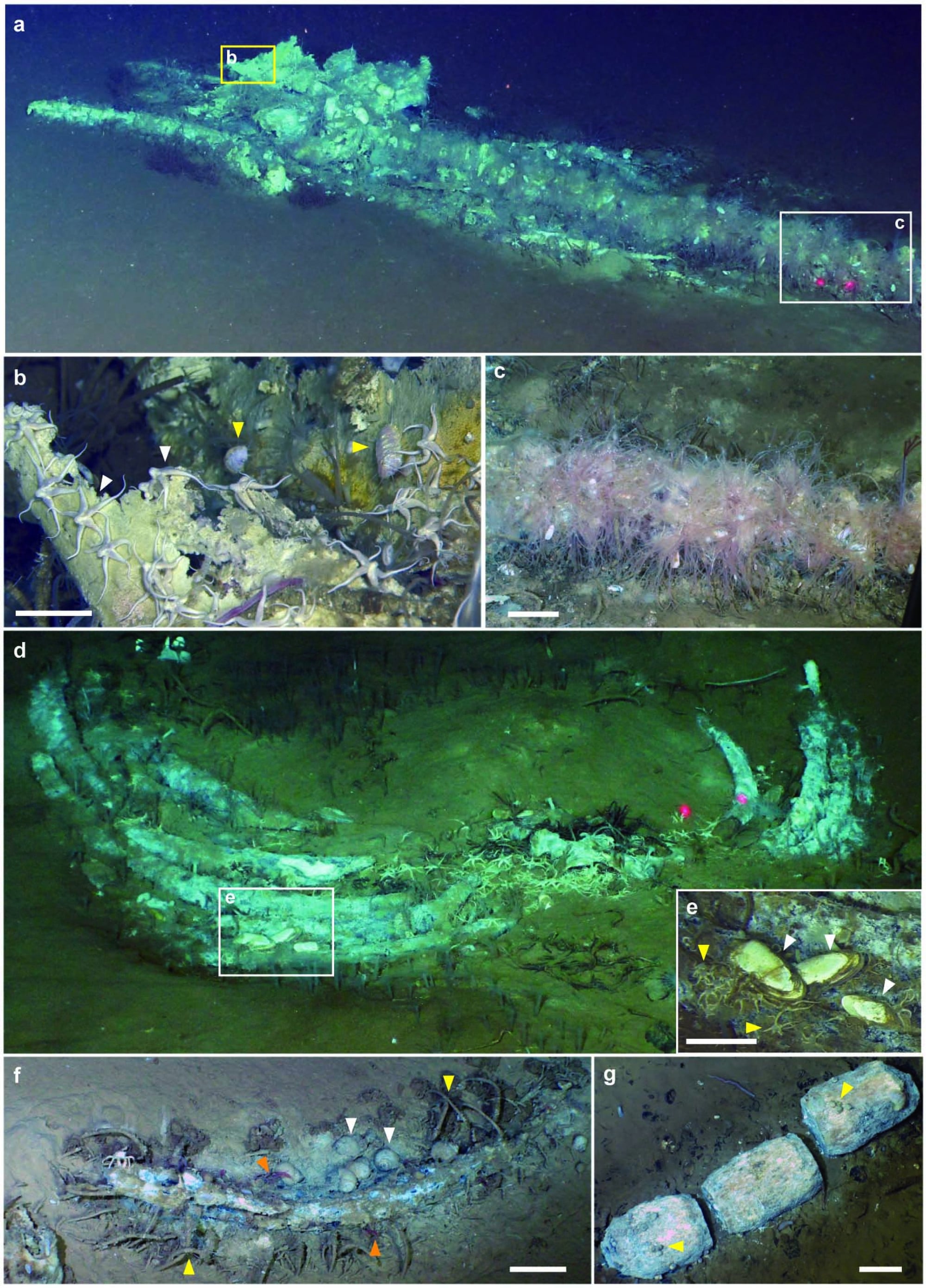
Scientists recorded and gathered specimens from 485 locations with whale fossils, including five currently active whale fall sites. Over 10 million whale remains might be present throughout the region.

Out of these, they identified an active whale fall location situated at a depth of 6,789 meters, marking it as the deepest currently recognized ecosystem of this type.

The biggest whale fall discovered throughout the journey is located at a depth of 5,610 meters and includes the body of a five-meter-long Antarctic minke whale. Scientists determined the species using DNA testing and the distinct structure of its ear bones.

Within the five active whale fall sites, biologists discovered an exceptionally varied ecosystem of deep-ocean organisms, with numerous species that "could potentially be unknown to science," as stated by the research team.

They recognized 35 macrofaunal species, primarily composed of worms, crustaceans, and mollusks, along with cnidarians and roundworms.

Radioactive isotope dating—a technique based on the breakdown of unstable isotopes to establish the exact age of rocks, minerals, or biological substances—showed that the earliest fossils found at the location date back approximately 5.3 million years, suggesting that whale fall events have taken place in this area since the beginning of the Pliocene epoch.

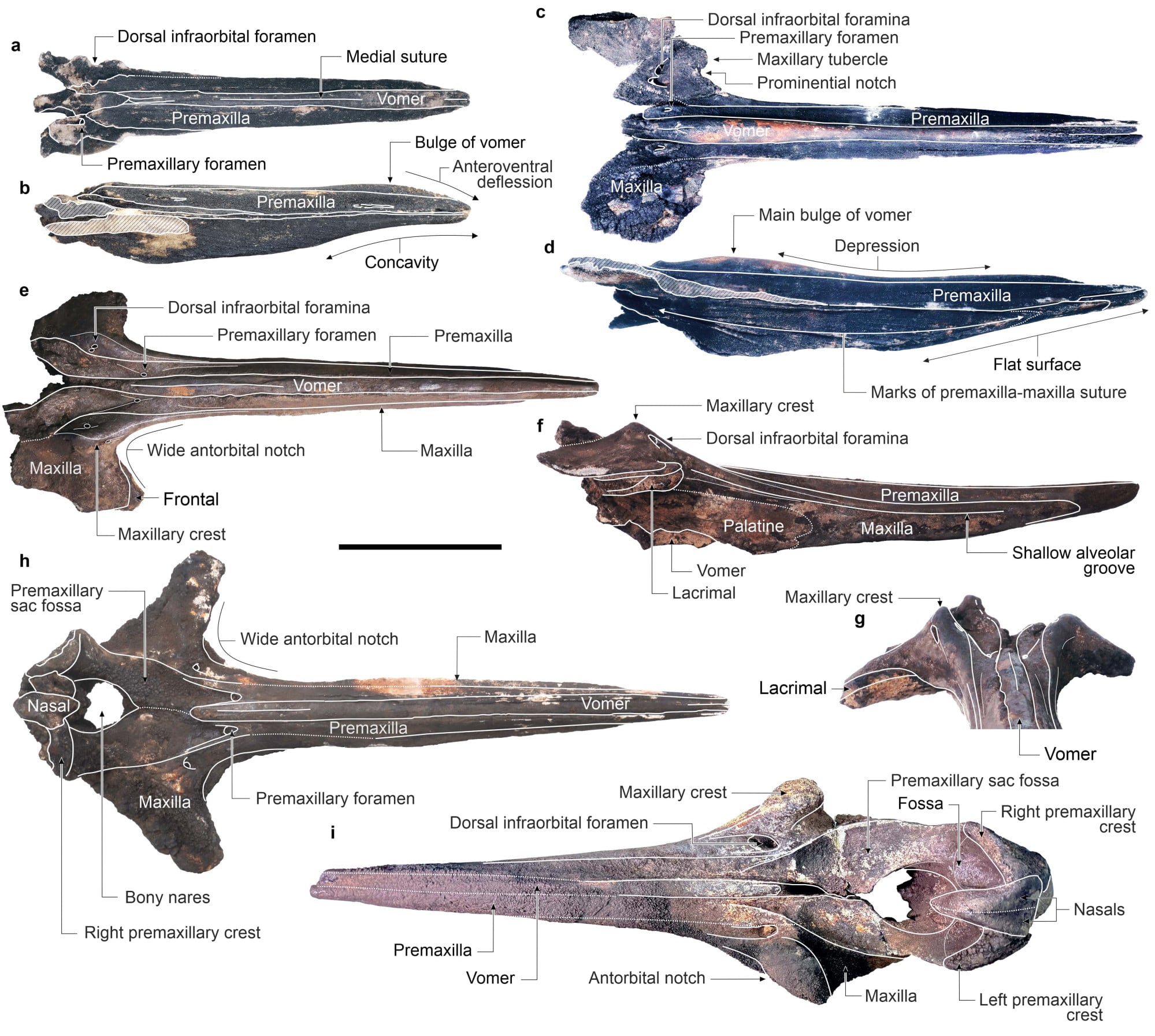
Scientists additionally discovered that the majority of the fossils were from deep-diving beaked whales, encompassing both present-day and ancient species, such as one extinct type that had not been identified before.

To clarify the formation of this large cemetery, the researchers proposed that natural death, along with the dangers associated with deep diving, probably led to the buildup of beaked whale carcasses in the region.

Beaked whales are known for their remarkable diving abilities, often going deeper than 1,000 meters and staying underwater for more than an hour.

Nevertheless, foraging at elevations lower than 3,000 meters may be excessively demanding on the body, increasing the chances of severe fatigue or decompression illness, as stated in the study.

Additionally, the zone's V-shaped shape could help gather dead animals on the ocean floor by directing falling remains towards a single location.

A group headed by Peng Xiaotong at the Institute of Deep-Sea Science and Engineering has announced several significant findings from the deep sea.

A research paper released in the magazine Science on May 14 reported A thriving ecosystem of living beings residing on rocky surfaces at depths exceeding 9 kilometers, consuming organic particles floating down from above.

Last year, they also utilized the Fendouzhe submarine to discover the planet's biggest ecosystem reliant on chemical synthesis in the northern Pacific Ocean, located almost 10 kilometers below the surface.

More Articles from SCMP

FIFA World Cup: Mexico defeats South Africa with Azteca Stadium abuzz

Trump halts planned attacks on Iran, mentioning advancements in negotiations

With accusations being filed in the Tai Po fire incident, fairness needs to be ensured.

Owing to Trump, the Chinese population now holds a more pragmatic perspective on America.

The article was first published on the South China Morning Post (www.scmp.com), a top-tier news outlet covering developments in China and Asia.

© 2026. South China Morning Post Publishers Ltd. All rights reserved.