Technology and philosophy

Showing posts with label korean. Show all posts

Wednesday, July 1, 2026

Coupang Fined Record 624.6 Billion Won Over Data Leak

Coupang faced a data breach impacting 37.55 million consumers in November, leading to a penalty exceeding 600 billion South Korean won. On the 11th, the Personal Information Protection Commission (PIPC) stated that it had determined a fine of 624.681 billion won against Coupang during a session held on the 10th, due to violations of the Personal Information Protection Act. This amount exceeds the prior highest penalty of 134.791 billion won given to SK Telecom in August of the previous year. Additionally, the commission opted to charge an extra fine of 16.8 million won.

The committee said, "The inquiry verified that this event happened because of Coupang's failure in handling personal data security," and mentioned, "Additional instructions were provided to enhance protective protocols to avoid such occurrences."
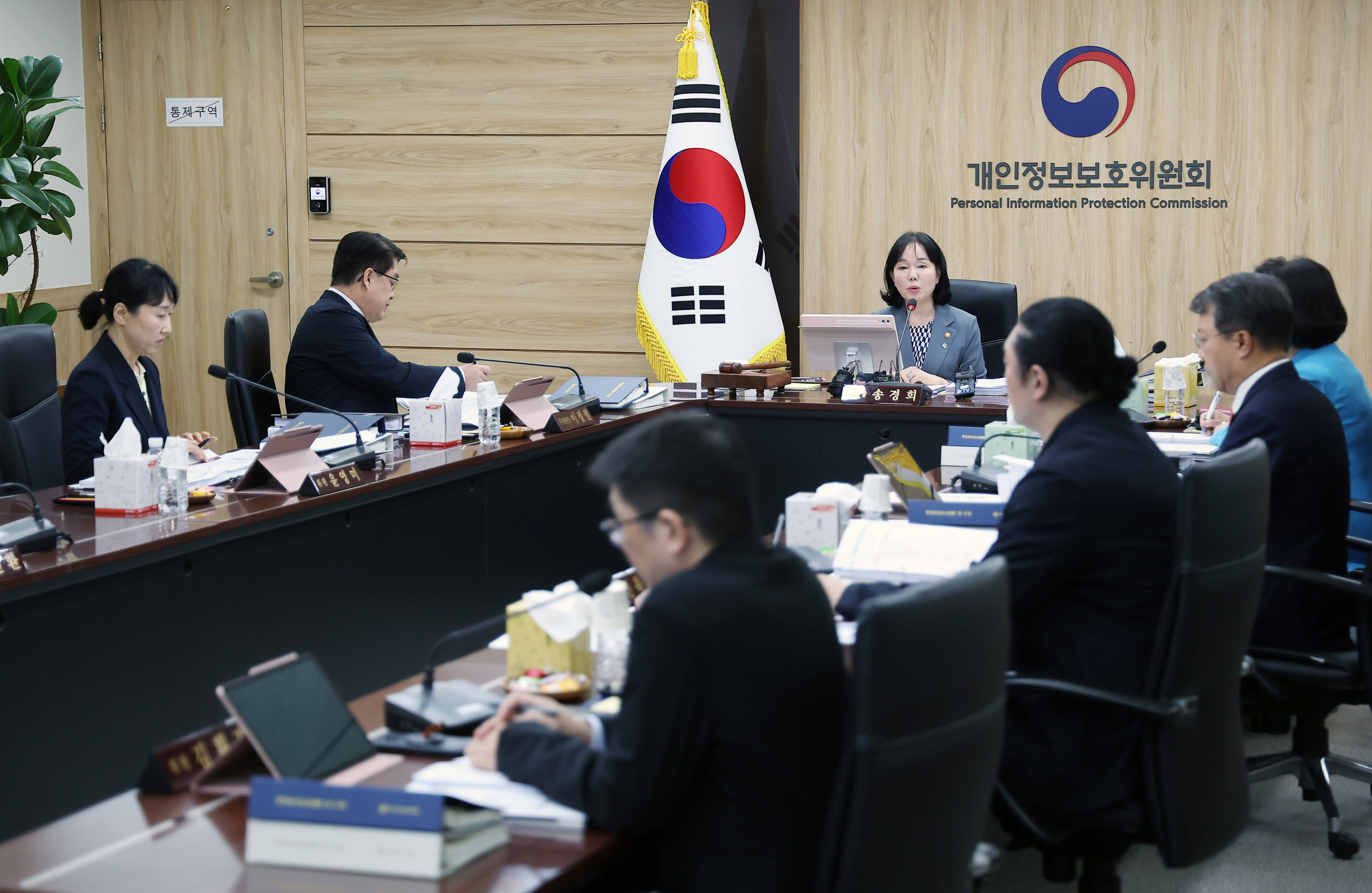
In November of last year, the PIPC initiated an inquiry following a complaint from Coupang, establishing a collaborative task force alongside the Korea Internet & Security Agency.

A former employee at Coupang, who departed in late 2024, was discovered to have carried out a data leakage experiment in January of the previous year, methodically extracting personal details between April and November of that same year by gaining access to member profile editing sections, delivery address controls, and purchase history records.

A cybercriminal created fake authorization tokens to gain entry into the delivery address administration section roughly 148 million times starting from April 14 of the previous year, resulting in the exposure of names, phone numbers, and residential addresses. On June 24 of the same year, they entered the user profile editing area 34.966812 million times, causing leakage of names and electronic mail identifiers. Starting from September 26 of the prior year, they logged into the delivery address update segment 50,474 instances and reviewed the purchase record interface 85,213 times, also leading to disclosure of common access codes and transaction specifics.

Using these techniques, the hacker exposed personal details of 33.22472 million members and at least 4.338368 million individuals who were not members. This involved 33.057012 million names along with email addresses, 63.986351 million shipping address entries (including names, addresses, and common access codes) for a minimum of 22.375359 million members and 4.338368 million non-members, as well as purchase records from 58,349 members.

The committee verified that the event occurred due to Coupang's insufficient security management framework and carelessness. It stated, "Coupang was unable to effectively control access rights for authentication signature keys, and even though there were unusual surges in access during the attack timeframe, it didn’t identify these anomalies."

Coupang learned about the further exposure of 160,000 customers' private details from the delivery address section approximately on January 30 this year, yet reported it to officials just on February 5, which was six days after discovery. Moreover, despite being asked four times by the committee to inform non-member individuals affected by the breach, Coupang failed to take action.

The committee mentioned, "Individuals who were not members could not implement protective actions against additional harm because they did not know about the leakage."

In addition, Coupang had internal policies requiring the destruction of user data 90 days after an account was removed and immediate removal of addresses along with account numbers. However, it did not erase 2,465,592 delivery address details (including names, phone numbers, and addresses) belonging to deactivated accounts, resulting in these being exposed. Moreover, it was discovered that 318,499 account numbers from terminated users were not promptly erased.
Not long after the committee started its inquiry, it instructed Coupang to retain evidence like website access records connected to the event. Nevertheless, Coupang manually erased five months' worth of online activity logs spanning from July through November 2024, making it harder to establish the precise sequence of events surrounding the first data breach. Still, the committee mentioned, "There was no proof discovered indicating that the exposed personal details were shared unlawfully."

Additionally, the committee expressed disapproval towards Coupang for collecting consumers' internet browsing data without permission.

The inquiry found that Coupang gathered and kept track of online behavior data from 11.17613 million consumers between December 23, 2024, and February 4 of this year, encompassing 15.645338 million website and application accesses, which were utilized for personalized ads.

As a result, the committee chose to charge a penalty amounting to 423.575 billion won and a fine of 16.8 million won concerning the data breach, along with an extra penalty of 201.16 billion won related to the illicit gathering of internet usage information.

Penalties were assessed according to Coupang's online shopping service income. According to the Personal Information Protection Act, fines may be as high as 3% of revenue. The committee said, "The ultimate fine was decided taking into account the seriousness of the breach and the extent of the harm caused."

The committee independently chose to charge a fine of 248 million won against Coupang Fulfillment Services, which is part of Coupang.

The inquiry revealed that Coupang Fulfillment Services gathered and handled the names of 71 media representatives from the National Police Agency, despite these individuals never having worked at their distribution facilities, and added them to a confidential employee list. The committee considered this action a breach of guidelines for collecting and utilizing personal data. Furthermore, Coupang Fulfillment Services provided staff weight details to the court during a legal case involving an workplace injury, which the committee viewed as a violation of protocols concerning handling private information.

Tuesday, June 30, 2026

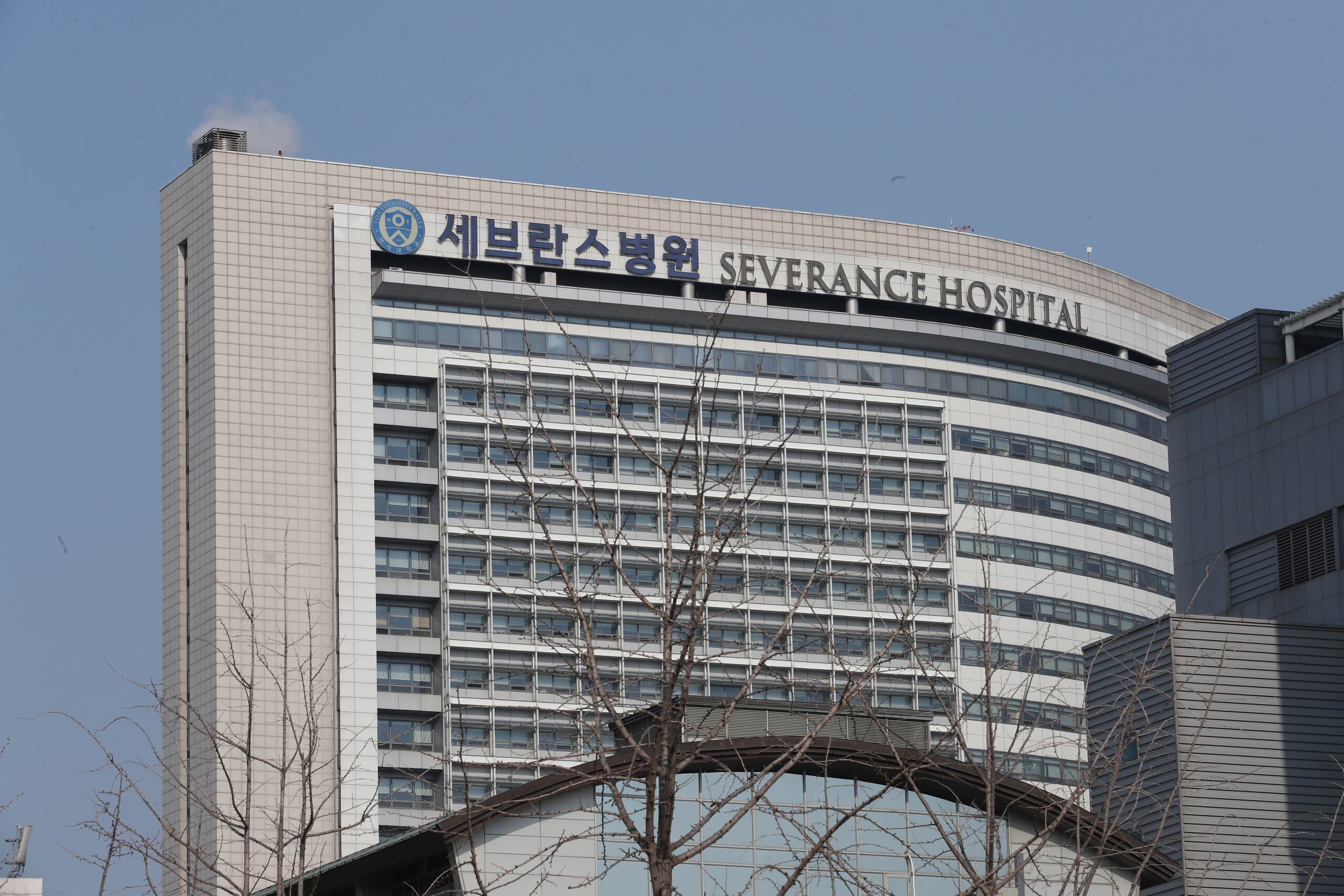
Exclusive: Yonsei Med Director’s $240M Allowance Triggers Outcry

A dispute has arisen among faculty members at Yonsei Medical Center, which manages Severance Hospital, following the disclosure that its director received an additional payment of 240 million South Korean won earlier this year, just after a controversy involving hospital management occurred.

As per reports from the healthcare sector released on the 10th, Yonsei Medical Center distributed a combined amount of 700 million South Korean won in bonuses to nine senior executives during January and February of this year. Director Geum Ki-chang was awarded 240 million South Korean won, with four hospital directors receiving between 60 million and 120 million South Korean won each, and four heads of departments/offices getting 40 million South Korean won apiece.

In order to achieve this, the center introduced new internal rules and categorized the payments as "hospital management allowance" and "administrative responsibility allowance." Nevertheless, certain senior hospital administrators allegedly contributed the entire sum back to the hospital right after becoming aware of the payments.

The recent disclosure has led academics to express worries. Last month, the faculty committee at Yonsei University School of Medicine convened and asked for verification of the details from the hospital.

A lecturer from Severance Hospital stated, "Throughout the administrative dispute in healthcare, 13,000 staff came together, rotated shifts for security duties, and voluntarily took unpaid time off to manage the emergency. However, according to reports, the hospital director supposedly received a 'personal incentive' (bonus based on performance). Such an occurrence has never been seen before during the medical facility's 140 years of operation."

The hospital responded by saying, "This was not a 'performance incentive' but an 'additional payment,' which was lawfully provided following established rules and processes. The wages and additional payments for the head of Yonsei Medical Center and others were less compared to leading hospitals, so extra support was needed. These figures were set after taking into account financial performance and salary structures at rival institutions."

It stated, "Nevertheless, we recognize the comments indicating that 'sufficient input from various members should have been collected' concerning the allowance. We will take feedback into account and implement enhancements moving forward."

Monday, June 29, 2026

Lee Jung-hoo's 18-Game Hit Streak Drives Giants' Comeback

Lee Jung-hoo of the San Francisco Giants added another game to the streak of consecutive games with a hit by a South Korean MLB player.

Lee Jung-hoo (age 28) played as the fifth hitter and right fielder in the home match versus the Washington Nationals at Oracle Park in San Francisco, California, on the 11th (local time in Korea). In four plate appearances, he managed two hits, drew one walk, scored two runs, and stole a base. On the prior day, he established a new milestone for South Korean MLB players by achieving a hit in 17 straight games, breaking the previous records held by Choo Shin-soo and Kim Ha-seong. The next day, he further increased this streak to 18 games within a single day.

This was his 23rd game this season where he had multiple hits. Lee Jung-hoo, who has managed two or more hits in three straight matches, increased his seasonal batting average from 0.335 to 0.338. He remained in second position within the MLB batting averages and closed the distance with top performer Otto Lopez. His standing might shift based on how others performed on that particular day.

During his initial plate appearance in the bottom of the second inning, Lee Jung-hoo faced Washington Nationals' left-handed pitcher Foster Griffin but was called out on strikes. In his next at-bat during the bottom of the fourth inning, he hit a low-breaking pitch that was just beyond the strike zone and ended up grounding out to the second baseman.

Nevertheless, he ended his silence during his third time at bat. With the Giants down 1-6 in the bottom of the sixth inning and two runners out, Lee Jung-hoo struck Griffin's first-pitch curveball toward right field, managing to get a hit. Even though the ball was low and just beyond the strike zone, his exceptional bat control transformed it into an effective hit. This single increased his streak of consecutive games with a hit to 18, starting from the match against the Los Angeles Dodgers on the 15th of last month.

At the end of the eighth inning, his speed stood out. With the team down 3–9, Lee Jung-hoo received a walk and swiftly advanced to second base—his third steal of the season. Later, he scored when Daniel Soo-yuk hit an RBI single, keeping the rally going.

The peak of excitement occurred during the bottom of the ninth inning. With a score of 7–10 against them, and two runners on base without any outs, the Giants relied on Lee Jung-hoo. The Nationals opted to bring in lefty pitcher Mitchell Parker to challenge the left-handed hitter. Even though he was behind in the count, Lee Jung-hoo managed to hit a pitch just beyond the strike zone into left field, resulting in a single that filled the bases with no one out. The next player at bat, Bryce Eldridge, delivered a walk-off home run that scored four runs. This led to an 11–10 thrilling win for the Giants.

Sunday, June 28, 2026

Prosecutor Demands 8-Month Sentence for YouTube Spy Claim

The prosecutor asked for an eight-month jail term for a YouTube content creator who alleged that Kim Hee-young, head of the T&C Foundation and girlfriend of SK Group CEO Chey Tae-won, worked as a Chinese intelligence agent.

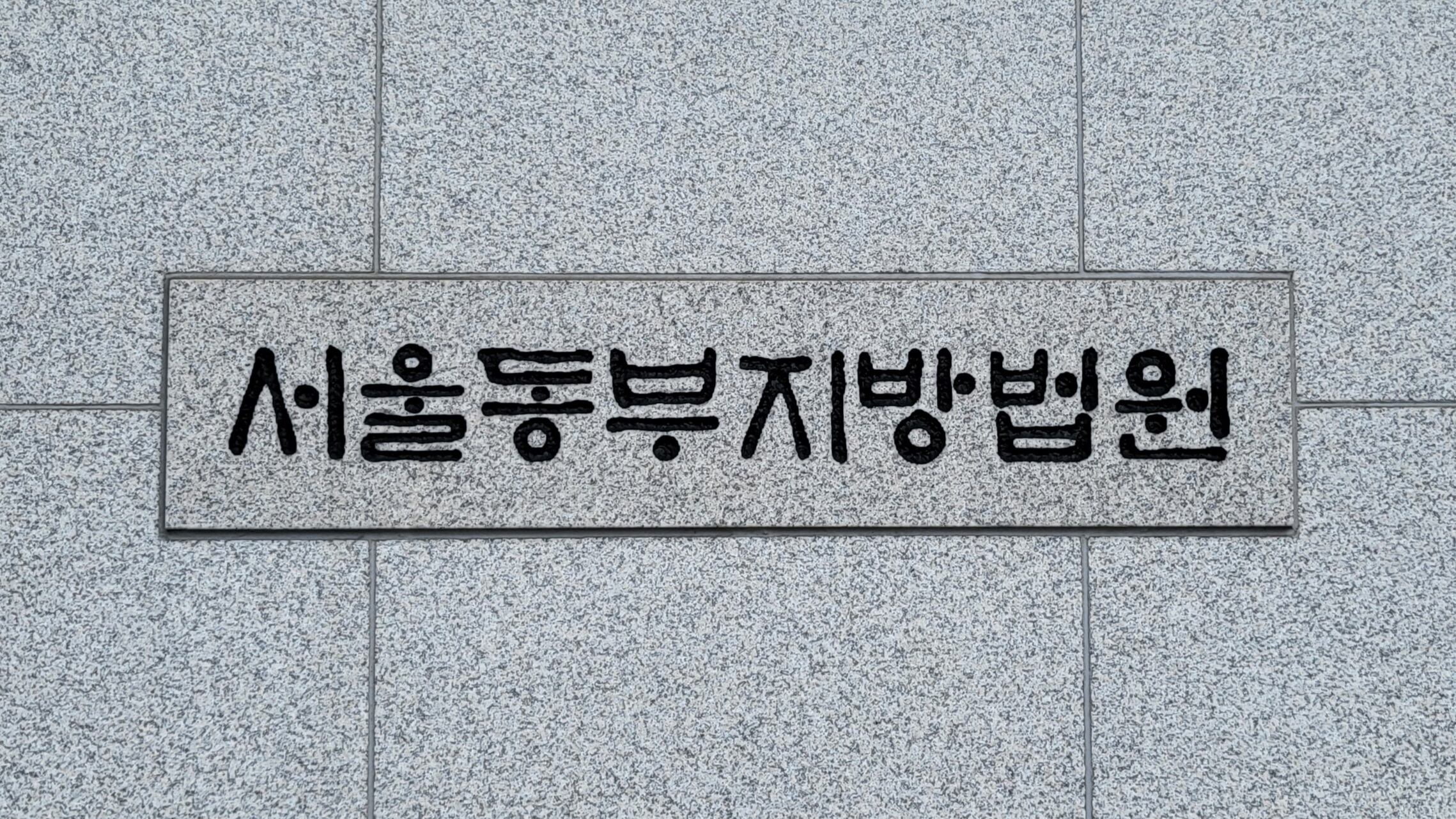
Judge Kwon Min-jeong from the Criminal Division 6 of the Seoul Eastern District Court conducted the initial hearing on the 11th for Park, a man in his 50s, who has been brought to court charged with defamation via misleading information under the Information and Communications Network Act. Park had previously received an indictment without being detained in April.

Park is charged with disseminating misleading information, such as claiming on his YouTube channel last year that Kim was highly likely to be a Chinese spy.

The prosecutor asked the court to impose an 8-month jail term on Park, saying, "The accused made unfounded and unreasonable statements and posted videos of those comments, which worsened the severity of the offense."

Park confessed to all the allegations.

The trial judgment for Park is scheduled for the 9th day of the following month.

Supreme Court Confirms 5-Year Sentence for Jagyeongdan Missionary

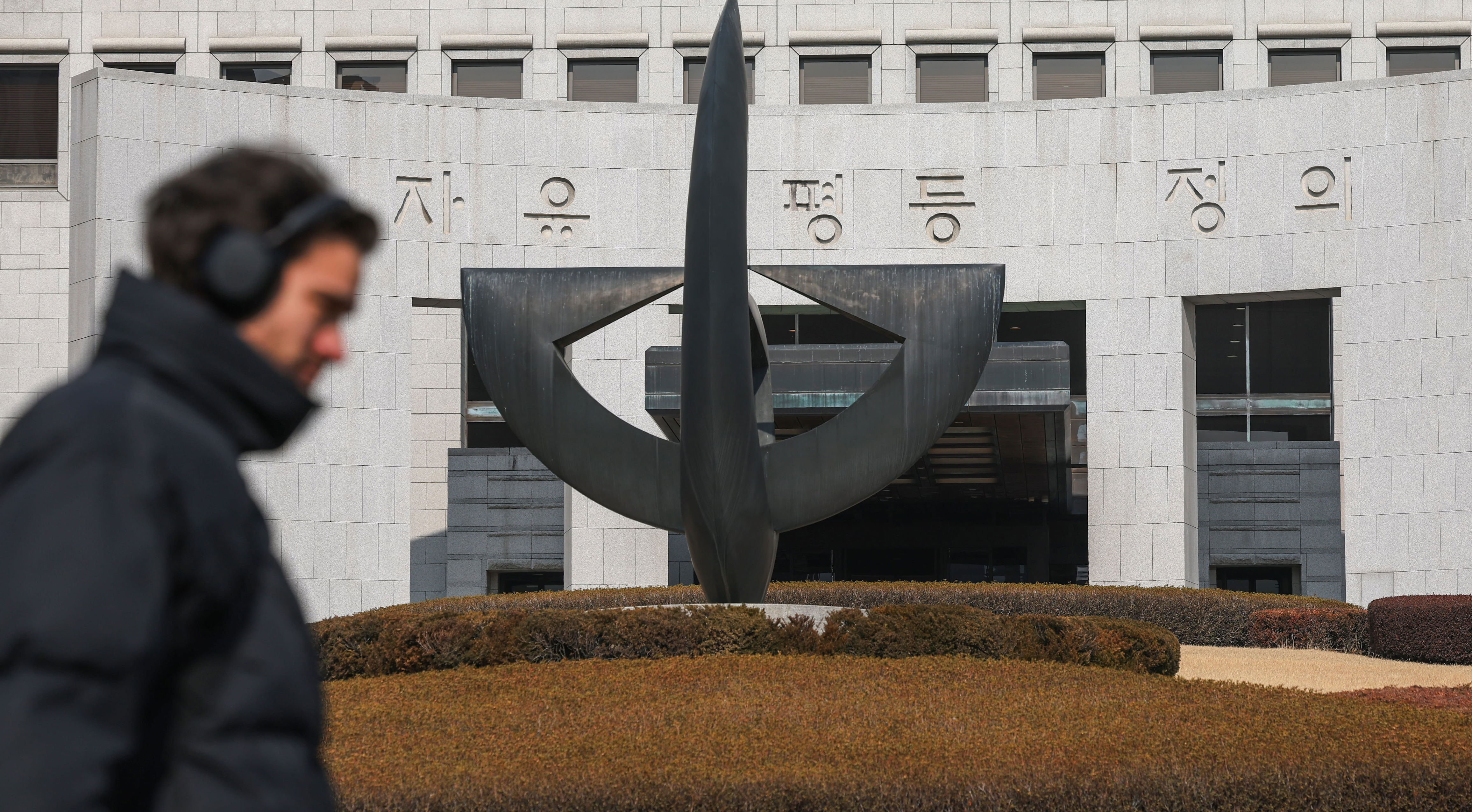
On the 11th, the Supreme Court approved a five-year jail term for a woman charged with producing explicit content involving sexual abuse and engaging in acts akin to rape against a child, during her involvement with 'Jagyeongdan,' South Korea's most extensive sex trafficking organization.

The Third Division of the Supreme Court (led by Chief Justice Oh Seok-jun) confirmed the decision made by the lower court, dismissing the appeal filed by Defendant Ms. A regarding allegations of membership in or managing a criminal group and breaching the Child and Adolescent Protection Act (which includes producing materials related to child sexual abuse).

Jagyeongdan was a pyramid scheme operating through Telegram, established in 2020 under the leadership of Kim Nok-wan. The organization gathered personal details from people who shared images of their bodies on social platforms, women who sought arranged meetups, and males attempting to access Telegram's 'Acquaintance Humiliation Room.' Victims were coerced into providing explicit photographs, which were subsequently utilized for producing and spreading sexually abusive content. It has been discovered that Kim Nok-wan was involved in several real-life sexual attacks as well. With 261 victims, including children, this figure surpasses triple the amount seen in the "Doctor’s Room" incident headed by Cho Joo-bin, which had 73 victims.

Kim Nok-wan, who called himself a 'pastor,' gave titles such as 'missionary' and 'potential missionary' to followers while engaging in acts of sexual exploitation. Ms. A, serving as a missionary within Jagyeongdan, was charged with creating child pornography and attempting rape against a male underage victim.

The initial and subsequent court proceedings resulted in Ms. A receiving a sentence of five years in jail along with three years under supervised release. Throughout the legal process, Ms. A asserted, "I was simply an instrument forced by Kim Nok-wan's intimidation and had no intention of participating in criminal activities," however, the highest judicial authority dismissed this claim. The ruling emphasized, "Her involvement in linking victims to Kim Nok-wan played a central and crucial role in the sexual exploitation offenses," acknowledging her as a joint offender due to her direct actions like generating explicit content for certain individuals.

Nevertheless, the Supreme Court found Ms. A not guilty of being part of a criminal organization, determining that Jagyeongdan did not have enough structural organization to qualify as a criminal group according to the Criminal Act. The court supported the previous decision, noting, "No proof exists that Jagyeongdan was capable of systematically committing crimes independently of Kim Nok-wan."

In the initial and subsequent trials related to the Jagyeongdan incident, Kim Nok-wan was sentenced to life in prison. He has filed an appeal against the decision from the second trial, and the Supreme Court is now examining the matter.

Seoul Housing Demand Surges 2.5x

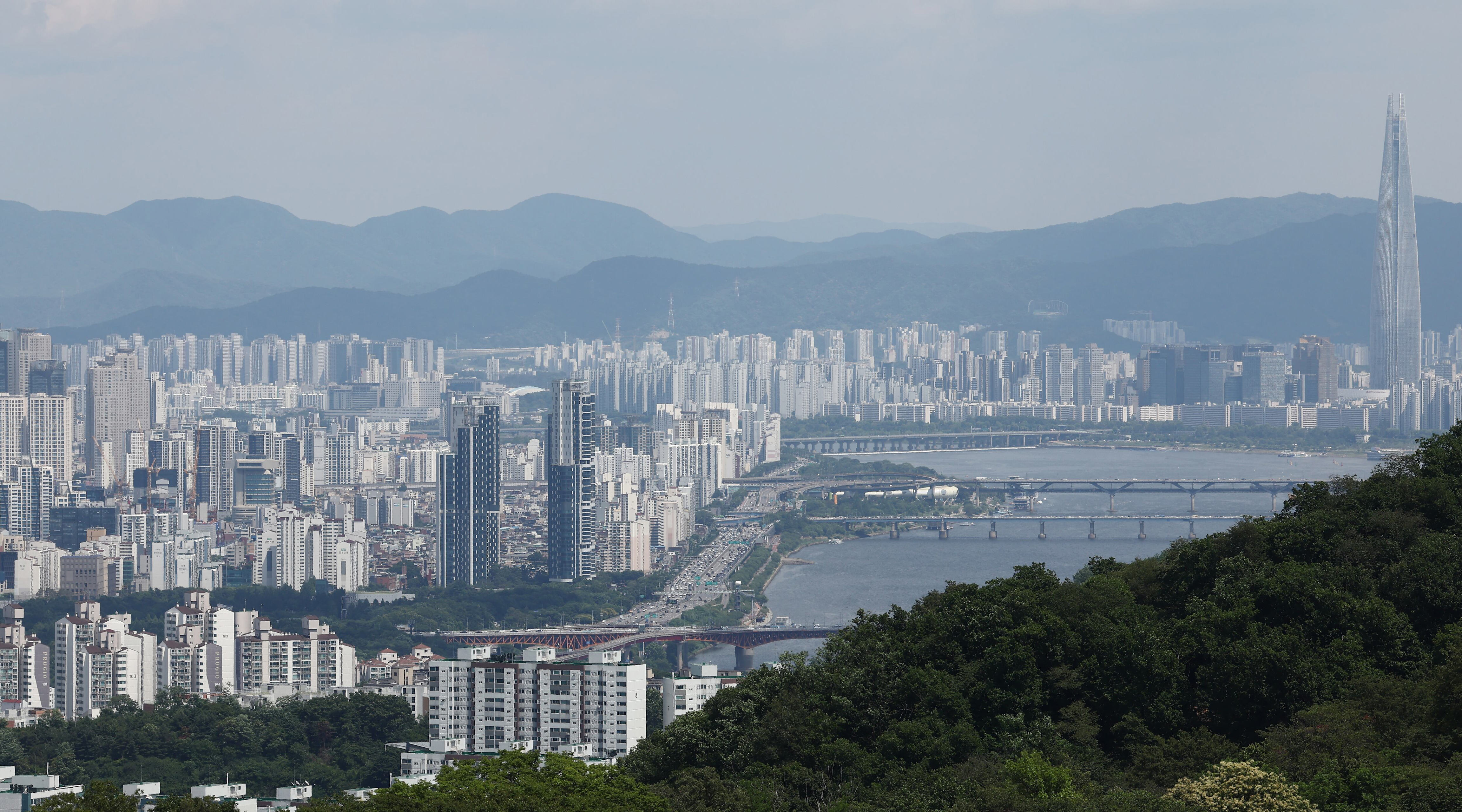
This year, residential property values in Seoul increased by more than 18%, resulting in a significant jump in reported prices, as complaints rose to more than twice the amount from last year.

As per information provided to Representative Lee Jong-wook from the People Power Party, who serves on the National Assembly’s Land, Infrastructure and Transport Committee, by the Ministry of Land, Infrastructure and Transport, the preliminary count for complaints about this year's public housing prices—which ended last month—reached 6,066 instances. This represents an increase of 2.5 times compared to last year, which had 2,451 reports. It marks the highest figure since 2021, when there were 14,200 cases reported, following a national average rise in public housing costs of 19.05%. Out of all these complaints, 4,379, or 72.2%, sought a decrease in pricing.

Previously, between March 18 and April 6, a total of 14,561 comments were collected regarding the suggested public pricing, marking the highest figure since 2021, which was 49,601 instances.

By January 1 of this year, average home prices across the country rose by 9.13%. In particular, Seoul saw the largest growth with an 18.6% rise, followed by Gyeonggi Province increasing by 6.37%, Sejong by 6.28%, Ulsan by 5.22%, and North Jeollas province by 4.32%.

First-Time Buyers Drive 45.6% of Seoul Housing Deals

Although current property owners in South Korea face limitations due to the government's broad lending rules and increased taxation, first-time buyers have become significant forces in Seoul's housing sector. By taking advantage of more lenient borrowing terms, they have acquired almost half of all apartment buildings and shared residential properties sold in the city this year.

As per the information released by the Supreme Court Registration Information Plaza on the 11th, during the first five months of this year, 32,843 out of 72,025 recorded transactions involving shared residential properties (such as apartments, townhouses, and office-tel units) in Seoul were made by initial purchasers, making up 45.6% of total sales. This indicates that nearly half of all residences sold in Seoul went to individuals without prior property ownership. This is the highest proportion ever documented since data collection started in 2010, showing an increase of over nine percentage points when compared to the corresponding period last year (which stood at 36.5%).

The main reason behind this situation stems from the contradiction within government loan policies. Although the government classified all of Seoul as a controlled area under the "October 15 Measures" last year, limiting mortgage loans to 40%, first-time homebuyers continue to be eligible for loans covering up to 70% (capped at 600 million South Korean won). Indeed, the share of first-time buyers, which was 38.6% at the close of last year following stricter mortgage rules, has increased each month this year, peaking at 48.7% in April.

With many property owners hurriedly selling their houses to evade higher capital gains tax, introduced from May 10th this year, first-time purchasers took advantage of these quick sales, mainly in suburban regions. In neighborhoods such as Nowon-gu (60.6%) and Seongbuk-gu (59.8%), more than six out of every ten buyers acquired their initial residence. Areas including Gangbuk-gu (57.2%), Seodaemun-gu (55.2%), Gwanak-gu (52.7%), Gangseo-gu (50.9%), Geumcheon-gu (50.2%), and Guro-gu (50.1%) also witnessed first-time buyers making up more than half of all transactions. On the flip side, Gangnam-gu (31.6%) and Seocho-gu (32.7%), known for expensive housing options, had the smallest percentages in Seoul, indicating an uneven real estate landscape.

The largest group of individuals buying their first home were those in their 30s. This segment made up 56.1% of first-time purchasers in Seoul this year, marking the first instance where they exceeded 50% since data collection started. This pattern is linked to the "triple rise" in property sales, jeonse payments, and rental costs, which has led many in their 30s to aggressively buy houses on the fringes of Seoul through borrowing.

Friday, June 26, 2026

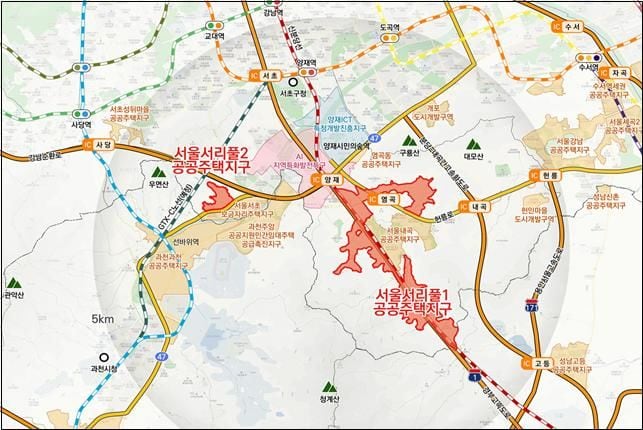
Seoul's Seoripul 2 District to Power 2,000 Homes by 2028

A residential community consisting of 2,000 families will be established in the Seoripul 2 area of Seocho-gu, Seoul. The administration intends to reduce the time between district approval and the commencement of building work by about two years, with hopes of holding an official ground-breaking ceremony as early as December 2028.

On the 11th, the Ministry of Land, Infrastructure and Transport revealed plans to provide homes for 2,000 families within the Seoul Seoripul 2 Public Housing Area located in the Umyeon-dong district of Seocho-gu. This area spans approximately 193,259 square meters. Seoripul is among the four zones designated as Development Restriction Areas (known as Greenbelts), which were previously declared by the government in November 2024 to be opened up for housing development. This marks the initial removal of a green belt restriction in Seoul after twelve years. After the announcement of the Seoripul 1 District last February—intended for 18,000 households—the inclusion of another 2,000 units in the second district brings the overall number of available residences in the entire Seoripul region to 20,000. The Seoripul 2 District underwent a public evaluation starting from November 2024 and was approved at the meeting of the Central Urban Planning Committee earlier this year in March. According to the Ministry of Land, Infrastructure and Transport, "the Seoripul District will develop into a living space close to job sites that support high-tech sectors in the Yangjae and Gangnam regions."

The Department of Land, Transportation, and Construction set a target to reduce the period between area classification and the beginning of home building by over two years. Normally, land development initiatives require about 56 months from approval to starting construction, but the department intends to speed up future steps and conduct construction planning simultaneously with site readiness, hoping to begin construction in December 2028. Earlier, the Seoripul 1 Area managed to move forward its initial planned groundbreaking date for 2029 so that homes could be available in 2029 using actions like forming specialized groups.

Nevertheless, an issue persists because certain inhabitants of the Seoripul 2 District, such as members of Umyeon-dong Cathedral, are advocating for the protection of the cathedral along with the neighborhoods of Songdong and Sikyuchon, making up 1.8% of the area. They have filed requests with the government and municipal officials asking that the cathedral and these two areas be removed from the list of properties subject to purchase and destruction.

Tuesday, June 23, 2026

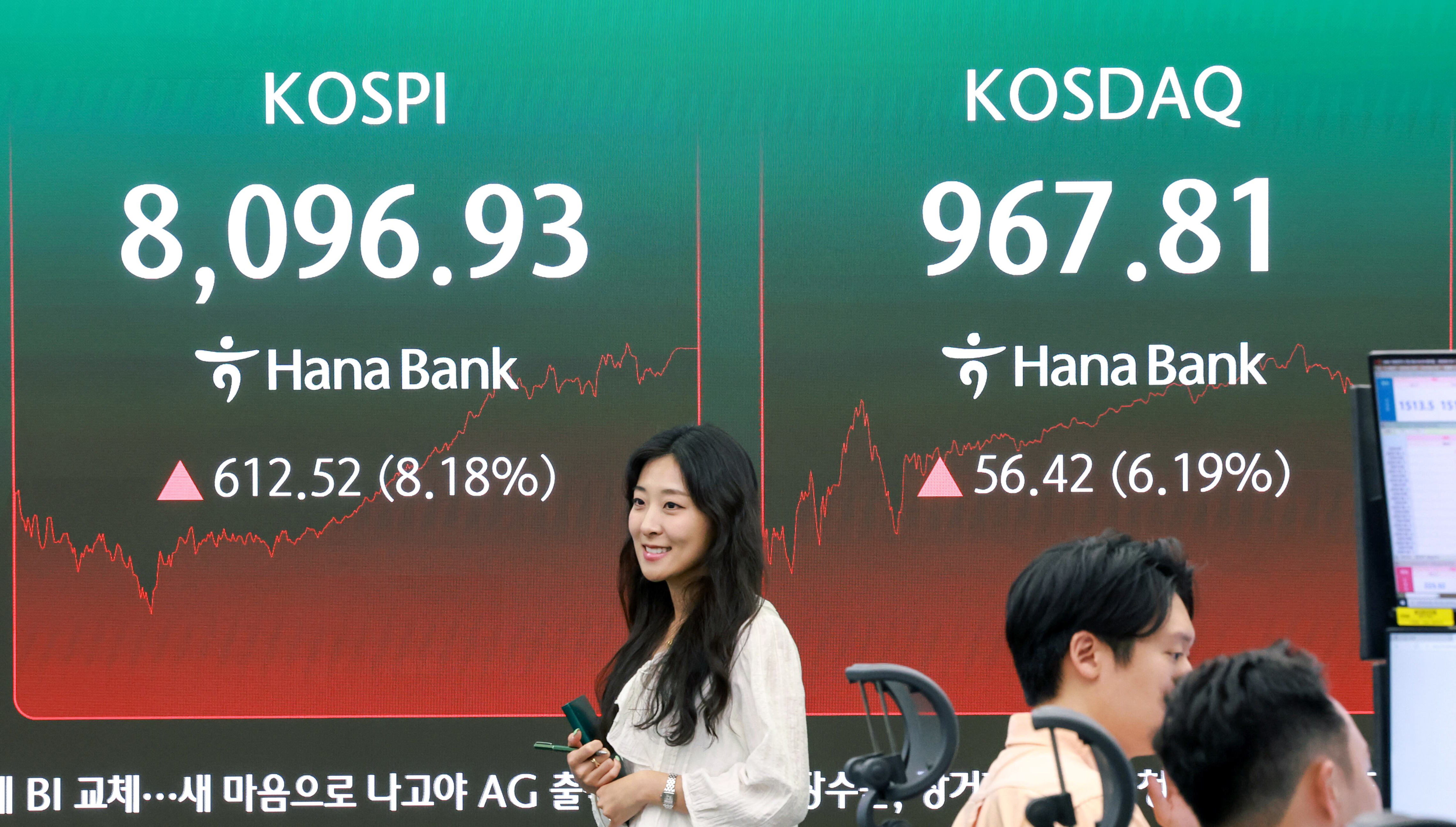
KOSPI Rises as Housing Demand Spikes 9.3 Trillion Won in Household Loans

A rise in interest in stock investments and more home sales occurred simultaneously, resulting in an increase of over 9 trillion South Korean won in household loans during the previous month. Financial regulators have implemented actions such as lowering credit loan caps for those with higher incomes and reviewing banks' adherence to residential lending contracts.

On the 11th, the Financial Services Commission stated in its *‘May Household Loan Trends’* report that total household loans from all financial institutions rose by 9.3 trillion South Korean won during the previous month. This represents about 2.7 times the growth seen in April (3.5 trillion South Korean won) and far surpasses the rise of 5.9 trillion South Korean won observed in May of the prior year.

With a notable surge in the KOSPI lately, credit loans were responsible for the growth in borrowings. Other types of loans, such as credit loans, experienced a dramatic shift—from a decline of 2 trillion South Korean won in April to an increase of 5.3 trillion South Korean won in May. Particularly, loans under bank-sector negative accounts grew substantially, moving from a drop of 600 billion South Korean won in April to a gain of 2.6 trillion South Korean won in May. Increased consumer spending during Family Month also played a role.

Residential mortgage loans rose by 4 trillion South Korean won, continuing at a high level after an increase of 5.5 trillion South Korean won in the prior month. Nevertheless, due to higher apartment sales in the metropolitan area and broader implementation of approved bulk loan programs, the growth rate of residential mortgage loans saw a slight decline from the previous month. Shin Jin-chang, Director of the Office at the Financial Supervisory Service, said, "It is possible that residential mortgage loans could grow once more as property listings get absorbed following the end of the deferral period for the supplementary capital gain tax on multi-homeowners."

Authorities have introduced an emergency management framework, which involves holding weekly gatherings with financial organizations that haven't met goals related to managing consumer debt. Significantly, the banking industry intends to cut new loan caps for individuals with higher incomes and promote early repayment of credits by waiving charges associated with repaying loans before their scheduled term. The Financial Regulatory Agency will carry out ongoing audits to confirm that banks follow previous agreements they've reached with borrowers when issuing loans, such as promises to sell existing homes, restrictions on buying more properties, and relocation requirements.

Saturday, June 20, 2026

Bank Household Loans Surge 6.9 Trillion Won Amid Stock and Housing Boom

The bank sector's household loan volume rose by 6.9 trillion South Korean won last month, reflecting an over three-fold increase in the monthly growth rate. This spike was fueled by growing interest in stock investments after the KOSPI climbed and improved activity in real estate deals in the metropolitan area, resulting in higher demand for various types of individual loans such as credit loans and negative balance accounts along with mortgages.

As per the Bank of Korea's publication called *‘May Financial Market Trends,’* issued on the 11th, bank-based household loans rose by 6.9 trillion South Korean won during the previous month. This rise surpassed threefold the increase seen in April (2.1 trillion South Korean won) and also outperformed the figure for the corresponding period last year (5.2 trillion South Korean won). As a result, the total amount of household loans within the banking system climbed to 1,181.8 trillion South Korean won.

The expansion was driven by various types of loans such as personal credit loans, negative balance accounts, and equity-secured loans. These loans shifted from a decline of 600 billion South Korean won in April to a rise of 3.7 trillion South Korean won in May. According to the Bank of Korea, there was a substantial surge in loan requests due to major individual stock investments occurring alongside spending demands during the holiday season.

Certainly, the KOSPI climbed to 8,476 by late May, fueled by a booming semiconductor industry and hopes for better company profits, before reaching an all-time peak of 8,801 on June 2. Nevertheless, it subsequently declined due to growing concerns about potential interest rate increases from the U.S. Federal Reserve. Equity-focused mutual funds saw their balances rise by 58.8 trillion South Korean won, supported by higher valuations resulting from increasing share prices along with fresh investments amounting to 7.6 trillion South Korean won. Total assets managed by investment firms also expanded by 86.4 trillion South Korean won, reflecting a significant influx of capital into the equity markets.

Mortgage lending rose by 3.2 trillion South Korean won, marking an expansion compared to the prior month's rise of 2.7 trillion South Korean won. Although jeonse loans remained downward, this trend was due to higher property dealings focused on medium-to-low cost residences within the metropolitan area as well as greater interest in temporary payments for ongoing pre-owned new construction projects. Apartment transaction volumes in Seoul hit 8,500 units during April, representing a notable jump from the preceding month’s total of 5,500 units.

Corporate lending also kept increasing. In May, bank corporate loans rose by 10.6 trillion South Korean won, staying at a level comparable to the prior month's 10.7 trillion South Korean won. SME loans climbed by 5.4 trillion South Korean won as part of an initiative aimed at broadening productive financing, whereas loans for major corporations went up by 5.2 trillion South Korean won because of demands for working capital to settle corporate bonds.

On the contrary, corporate bond issuing decreased because of the pressure from increasing interest rates. As businesses turned to other financing options like bank loans, corporate bonds experienced a net withdrawal of 1.1 trillion South Korean won, with commercial paper (CP) and short-term bonds also moving toward net withdrawals.

South Korea's Kim Tae-Hyun Out of World Cup Group Stage

A report from the national team stated that Kim Tae-hyun suffered an ankle injury during a private training session held behind closed doors the day before. On the same day, he carried out personalized strengthening activities independently within the indoor gym. It is said that he sprained his left ankle while engaging in a 'rondo,' which is a type of ball-passing exercise. According to medical evaluations, Kim may not be able to take part in the three group-phase games at this World Cup.

According to FIFA rules, squads are allowed to swap out injured athletes for replacements within 24 hours prior to their initial World Cup game. Nevertheless, since it was confirmed that Kim Tae-hyun would be able to participate starting from the Round of 32, the squad chose not to bring in a replacement for him.

The South Korean national team entering this World Cup has drawn attention for its unreliable defense, which remains a major vulnerability. This issue has worsened with repeated injuries to crucial defenders. Kim Joo-sung from Hiroshima, who played a vital role in Hong Myung-bo’s lineup, was excluded from the final selection because of his injury. Similarly, Cho Yu-min of Sharjah had to pull out during a friendly game against Trinidad and Tobago in Salt Lake City, USA, last month following an injury.

Due to Kim Tae-hyun being sidelined, Lee Ki-hyuk of Gangwon is set to take up the role of left defender in the three-defender system during the encounter with the Czech Republic. Lee made an impression during the game against Trinidad and Tobago through his offensive efforts and precise passing, yet faced difficulties when facing strong opposition in the match against El Salvador. Additionally, there's a chance that Park Jin-seop from Jeonbuk might step into the lineup instead. If this happens, Park would likely serve as the central goalkeeper, allowing Kim Min-jae to shift to the defensive back position.

Besides Kim Tae-hyun, midfielder Bae Joon-ho from Stoke City is also anticipated to have difficulty participating in the match against the Czech Republic. Bae sprained his ankle following an aggressive slide challenge in the game versus Trinidad and Tobago. Since then, he has been undergoing individual rehabilitation efforts, and even on the day prior to the encounter with the Czech Republic, he was observed riding a bicycle independently rather than attending the team's practice session. It is expected that Bae will be fit for the subsequent match against Mexico.

Wednesday, June 17, 2026

South Korea Jobs Fall 40K, Ending 17-Month Rise

Although there was a surge in semiconductors, the number of employees fell last month for the first time in 17 months because of ongoing impacts from the conflict in the Middle East, such as slow progress in manufacturing and construction.

As per the "May Employment Trends" published by the Ministry of Data and Statistics on the 11th, the total number of individuals aged 15 and above who were employed during the previous month stood at 29.12 million, representing a drop of 40,000 compared to the same period last year. This indicates the first reduction in job figures after 17 months, following a decline of 52,000 in December 2024. In this year, employment rose by 108,000 in January, grew beyond 200,000 in February and March, but later decreased by 74,000 in April.

The proportion of people aged 15 years and above who are employed compared to the total population stood at 63.3%, representing a decrease of 0.5 percentage points from the previous year’s corresponding period. This marks another month of reduction after a fall of 0.2 percentage points recorded in April.

◇Employment in the manufacturing industry fell by 140,000...the biggest drop since February 2019

Job numbers in the manufacturing industry, a vital sector, fell by 140,000 during the last year. This represents the 23rd straight month of reduction, with the pace of drop exceeding twice that of April (-55,000). The fall was the biggest seen since February 2019 (-151,000), which is the first such occurrence in 7 years and 3 months. Manufacturing relies heavily on energy sources like metals, fabrics, and chemical products. An individual from the data analysis team stated, "Jobs were lost particularly within the auto and rubber/plastic industries," noting, "Although exports have been boosted recently due to semiconductors, this area doesn’t contribute significantly to overall job figures."

Construction industry employment, influenced by rising material expenses, dropped by 43,000. Jobs in the wholesale/retail and hospitality/eating establishments industries, which are strongly linked to local consumption, fell by 17,000 from the previous year's figures.

◇The youth unemployment rate has been falling for more than two consecutive years

The unemployment rate among young people aged 15 to 29 stood at 43.8%, representing a decrease of 2.4 percentage points compared to the same period last year. The youth jobless rate has continued to fall for 25 months starting from May 2024. This extended downturn marks the longest such trend since the prior high of 51 straight months between September 2005 and November 2009.

Persistent slow growth in job opportunities for young people is linked to the slowdown in major sectors including manufacturing and construction, businesses favoring candidates with prior experience, and lower recruitment rates caused by the increasing use of artificial intelligence (AI). Indeed, jobs within the professional, scientific, and technical services industry—covering numerous professions like law, accounting, and architecture—fell by 89,000 during the past month when compared to the previous year’s figures. This represents the sixth straight month of reduction starting from December last year (-56,000).

Last month’s unemployment rate stood at 2.9%, an increase of 0.1 percentage point compared to the same period last year. This rise was mainly attributed to individuals aged 30s and 20s. The jobless rate among people in their 20s reached 7.1%, rising by 0.4 percentage points from the previous year, whereas the figure for those in their 30s climbed to 3.2%, marking an increase of 0.6 percentage points. According to the study, extended challenges in finding work during younger years have contributed to elevated unemployment figures among those entering their 30s, as many lacked sufficient professional background when transitioning into this age group.