Technology and philosophy

Showing posts with label politics. Show all posts

Thursday, July 30, 2026

New Water Resources Law Shifts Federal Control, Strengthens River and Dam Regulation

Kathmandu, July 2 – A newly introduced Water Resources Act aims to reform Nepal’s laws concerning water management, bringing them into line with the nation's federal system. The bill outlines the responsibilities of national, regional, and municipal authorities, along with more rigorous rules regarding water utilization, ecological conservation, and the security of dams.

The proposed law addresses various aspects including the allocation of power in irrigation and energy development, usage of water resources, safety of dams, and tracking of water consumption.

After being passed into law, it will supersede the three-decade-old Water Resources Act from 1992, and create more defined lines of authority along with improved systems for sharing income across the three levels of government.

The legislation also aims to provide legal acknowledgment for the Water and Energy Commission, which has previously functioned based on a government establishment directive.

Some of the main elements of the legislation establish a framework for water tracking, requiring officials to keep detailed logs of available and used water. Additionally, it calls for thorough evaluations of all water supplies, such as those from rivers, aquifers, rainfall, and other origins.

The suggested legislation further mandates that officials consider water set aside for religious, cultural, and environmental purposes, in addition to provisions for potable water, farming, hydroelectric power production, and various other applications.

Prakash Chandra Dulal, the vice-chairperson of the Independent Power Producers' Association Nepal (IPPAN), stated that various clauses weaken the essence of federalism by maintaining major decision-making authority within the central government.

"The Constitution created three levels of governance, yet needing permission from the commission essentially maintains centralized control over decisions," Dulal stated.

The legislation further enhances ecological protections for waterway-related development initiatives.

Developers building structures on rivers and streams are required to ensure consistent environmental flows below their projects all through the year. They have to discharge no less than 15% of a river’s lowest flow—or the level suggested by an environmental impact study, depending on which is greater—beneath the dam. The term "environmental flow" means the smallest volume of water that needs to remain flowing downstream to support the river's ecological system as well as those relying on it.

The current Water Resources Act mandates that users must employ water in a manner that does not negatively impact others. In contrast, the Hydropower Development Policy from 2001 obliges project developers to discharge at least 10 percent of a river’s lowest monthly average flow, or the quantity determined through an environmental impact study.

As per Dulal, raising the minimum distribution rate from 10 percent to 15 percent might considerably lower power production from private hydroelectric initiatives.

The legislation mandates that either 15 percent of the minimum flow rate be maintained or the quantity suggested by the ecological assessment, depending on which is greater. This will lower the power output from our initiatives," he stated. "It will notably impact those projects that were developed within the current regulatory system.

The suggested law also establishes an extensive system for categorizing dams, ensuring their security and safety.

It allows the government, following advice from the Water and Energy Commission, to categorise dams depending on their storage ability, construction type, engineering plan, and use.

According to the proposed legislation, the government will take charge of ensuring dam safety. Operators of dams can ask the government to offer security measures for their facilities. Nevertheless, if this assistance is granted, the operators will be required to cover all associated expenses. Additionally, the government has been empowered to set nationwide guidelines for dam security.

Dulal stated that the clauses are still unclear.

The legislation states that the government will offer dam protection solely upon the request of the operators, yet it fails to clarify what occurs if the government denies such a request," he stated. "Meanwhile, should the government agree to provide security, the operator must cover all associated expenses. This leads to doubts regarding the rationale for seeking governmental assistance in the initial place.

The legislation also mandates that dam managers perform thorough safety evaluations every five years using a separate group of specialists, based on how each dam is categorized.

Energy Minister Biraj Bhakta Shrestha stated that the highly anticipated law explicitly outlines the rights, obligations, and roles of national, regional, and municipal authorities as per Nepal's federal system.

He stated that the suggested legislation focuses on the preservation, environmentally responsible growth, and versatile use of water sources, while encouraging fairness across generations and minimizing water-based catastrophes.

"Our commitment is to make water resources the foundation of the nation's prosperity through the effective implementation of this law," Shrestha wrote on social media. "Only through the proper utilisation, conservation and management of water resources can sustainable development be achieved."

The legislation officially integrates the Water and Energy Commission into legal framework. The commission was set up by the government in 1975 with the aim of advancing the coordinated development, administration, and use of the nation's water and energy resources, yet it has always lacked formal recognition under statute.

Dulal opposed the suggested management framework, stating that it bars regional and municipal authorities from participating in the commission's decision-making process, thus conflicting with Nepal's federal structure.

"The suggested legislation is not entirely national nor favorable to the private sector since provincial and municipal authorities have been left out of the commission's management," he stated.

The current Water Resources Act bans the utilization of water sources without acquiring a license, with exceptions including personal consumption of drinking water, watering one’s own farm, running conventional watermills, local boating transport, and restricted usage of water resources found on privately owned land.

The suggested law also outlines a clear allocation of duties across the three levels of governance.

According to the legislation, the central government will manage irrigation initiatives spanning over 200 hectares in the Himalayan and hilly areas, as well as more than 5,000 hectares in the Tarai, Madhesh, and Inner Madhesh zones. Additionally, it will handle land stabilization efforts surpassing 5,000 square meters and river management or flood prevention activities stretching further than 10 kilometers.

Local governments would be responsible for irrigation initiatives affecting as much as 200 hectares in hilly and mountainous regions and up to 5,000 hectares in the Tarai area. They would also manage deep tube well installations, pump-based irrigation schemes, developments crossing multiple municipalities within a single region, landslide mitigation efforts ranging from 1,000 to 5,000 square meters, and river management projects stretching up to 10 kilometers.

Municipal authorities will oversee irrigation schemes utilizing shallow tube wells and land subsidence control initiatives spanning under 1,000 square meters.

In the energy industry, the national government will oversee power production initiatives that span two or more provinces, activities not under provincial or municipal authority, and the exchange of electrical power.

Provincial authorities will be responsible for monitoring hydroelectric power initiatives with an installed capacity exceeding 5 megawatts but not surpassing 25 megawatts, along with projects under 5 megawatts that span multiple municipal jurisdictions.

Municipal authorities will hold control over power generation initiatives having a maximum capacity of 5 megawatts.

Wednesday, July 29, 2026

Ministry vs. NAST: Clash Over Major Reform Plan

Kathmandu, July 2 – A conflict has arisen between Nepal’s Ministry of Science, Technology and Innovation and the Nepal Academy of Science and Technology (NAST) regarding proposals to revise the Nepal Academy of Science and Technology (NAST) Act from 1991 and significantly alter the structure of the nation's leading scientific organization.

The suggested amendment policy has already led to an objection from the Commission for the Examination of Misuse of Power (CIAA).

The Minister for Science, Technology, and Innovation, Mahabir Pun, has characterized the 33-year-old organization as burdened by excessive bureaucracy and political involvement, asserting that it needs significant changes. Nevertheless, scientists and administrators within NAST claim that the ministry is trying to erode the academy's independence under the pretense of reorganization.

Pun has publicly admitted to having interfered in the organization's matters.

The situation demands action," Pun stated. "The organization remained without oversight for an extended period. Influence from politics and decisions made due to power distribution have undermined it. It can now only be improved through external involvement.

He stated his dissatisfaction with the present condition of NAST and aimed to remove it from political interference.

As per Pun, out of NAST's yearly budget of Rs450 million, Rs270 million, approximately 75 percent, is allocated for employee wages and operational costs.

He claimed that the academy has placed greater emphasis on scholarly pursuits than on fostering innovation. According to Pun, since the leadership council is primarily composed of scholars instead of visionaries, progress has suffered, and the organization has grown excessively staffed.

we intend to invert this approach," pun stated. "we plan to expand our research team and cut down on support personnel.

Pun also stated that the organization's legal structure is obsolete.

Five decades ago, there was no information technology, and the number of universities was significantly lower than what we see today," he stated. "The NAST Act came into effect in 1991. It no longer aligns with current circumstances, and I aim to implement substantial changes.

According to the present system, Nepal's prime minister holds the position of NAST's chancellor, with the science and technology minister acting as vice-chancellor. Pun intends to eliminate this setup.

The Department of Science has already sent suggested changes to the Nepal Academy of Science and Technology Act, 1991, to the Ministry of Law, Justice, and Parliamentary Affairs.

Pun argues that the present system of administration has fostered political favoritism.

Our plan is to eliminate the role of chancellor and hire a director instead," he stated. "The organization needs to be guided by specialists. Individuals who have held their posts for many years will receive a dignified send-off, and we'll introduce dynamic younger professionals.

However, scientists and officials at NAST have increasing worries about the ministry's method.

A representative of NAST, Ram Chandra Paudel, stated that reform is essential, yet contended that the department has taken an incorrect approach.

When Minister Pun initially assumed his position, we ourselves asked him to reform NAST," Paudel stated. "However, the approach the ministry is currently taking under the guise of restructuring has caused us significant concern.

He specifically opposed suggestions that would enable the ministry to manage scientific research.

The ministry states that it will conduct studies. Scientific investigation can hardly operate under a bureaucratic framework," he remarked. "As soon as documents start moving between government employees, research comes to a halt.

Demands for changing NAST are not recent.

Dhan Bahadur Karki, a scholar affiliated with the institution, mentioned that conferences and discussions regarding organizational restructuring were held under the previous vice-chancellor, Dr Dilip Subba.

He stated, 'NAST needs to be extended across all seven provinces.' 'Our attention should not solely concentrate on cutting-edge technologies,' he added. 'We must equally emphasize our own faith, customs, and indigenous local techniques, employing them to enhance independence.'

A different NAST researcher, who wished to remain unidentified, stated that staff members had not been provided with formal discussion or official information about the reorganization initiatives.

Rather, he stated, conversations were occurring openly as the organization's future was being determined without including individuals who worked within it.

As per the scientist, the newly implemented Business Allocation Rules of 2026 allocate research duties directly to the ministry, diminishing the independence of organizations like NAST.

During a period when universities and other research organizations have faced challenges in delivering outcomes, the government should grant NAST more power," stated the scientist. "However, instead, it is attempting to subject research to administrative oversight.

Paudel mentioned that the department has been seeking advice from external specialists but hasn’t worked closely with the organization itself or tackled issues affecting its employees.

He mentioned that NAST is now functioning with both the position of vice-chancellor and secretary empty, causing significant delays in most of its regular activities.

"the transformation we seek is one that eliminates superfluous bureaucratic control and grants researchers complete power over their work," he stated.

Paudel also opposed Pun's suggestion of removing the prime minister from the role of chancellor.

we believe the prime minister should remain our chancellor since scientists desire not just financial support from the government but also acknowledgment and motivation," he stated. "the backing of the prime minister holds more significance.

Still, Pun is resolute in his intention to dismiss the prime minister from office.

A Ministry representative named Monika Jha stated that individuals with personal agendas submitted the CIAA report since the department was working towards increasing openness during NAST's renovation procedure and in choosing those who would receive awards.

A grievance filed early this week alleges that the ministry has meddled with NAST's independence and initiated an adverse publicity drive targeting the institution.

It further claims that the ministry is leveraging transparency changes in grants and honors as an excuse to take over NAST's regulatory framework and independent position.

Pun rejected those allegations.

Autonomy refers to how an organization conducts its activities," he stated. "After receiving government support, it can't freely pursue every action it desires.

It needs to create its own budget, or if it depends on public funds, it has to be responsible," he stated. "Ending the habit of employing excess personnel, providing wages without tasks, and neglecting the department under political cover will happen.

Staff members of NAST claim that the ministry has decided to proceed on its own instead of working together with the academy during a period when key leadership roles are still unfilled.

"The organization was initially set up to liberate scientific activities from administrative control and grant full independence in research," Paudel stated.

Nevertheless, after the restoration of democracy, political involvement continued to grow. Positions of leadership were more often filled by those with political connections instead of scientific specialists.

He mentioned that this has slowly led to a large administrative system where officials hold more power than scientists, causing the organization to become less appealing to new researchers.

As per Paudel, NAST can be successful only when individuals appointed to academic roles are chosen purely on the basis of their scientific and academic qualifications, not due to political considerations.

Furthermore, he emphasized that the academy desperately requires a deputy chancellor who possesses a solid academic background and a thorough grasp of modern scientific issues, pointing out that important managerial roles have been unfilled for a long time.

Paudel contended that the present hiring procedure is overly complex, making it difficult to draw in well-qualified researchers who have completed their doctorates and postdoctoral studies. He proposed the establishment of an independent and streamlined system for employing scientists.

He also dismissed proposals to move innovative initiatives beyond NAST, stating that the academy is entirely able to handle them.

Members of NAST stated that the academy has already set up innovation centers across all seven provinces, eliminating the need for the ministry to establish similar organizations.

Pun regarded those centers as mostly ceremonial.

"They are essentially just temporary accommodations occupied by one or two individuals managing funds," he stated.

He mentioned that the ministry will create specific innovation centers accessible to everyone, along with research labs inside universities, to assist students and enhance Nepal's innovative environment.

Monday, July 27, 2026

PwC Nigeria Welcomes Four New Partners

PwC Nigeria has confirmed the addition of four new partners starting from 1 July 2026, as part of PwC Africa's selection of 20 new partners throughout the region.

The latest additions include Adesola Abiodun (Advisory Services), Oluwadamilola Dada (Assurance Services), Ugochi Ndebbio (Tax & Regulatory Services), and Emeka Chime (Tax & Regulatory Services).

As stated by PwC, their acceptance marks a critical time for organizations dealing with fast-paced technology changes, changing expectations from stakeholders, and moving regulations and economic conditions. The newly appointed partners offer the knowledge and guidance required to help businesses succeed in this ever-changing landscape.

The current year's partnership admissions further demonstrate PwC Africa's ongoing dedication to diversity and inclusion, as women make up 55 percent of the entire group.

Speaking about the appointments, Sam Abu, the Country Senior Partner at PwC Nigeria, stated: "I am pleased to welcome four additional partners into our firm in Nigeria. This appointment acknowledges many years of outstanding work and signifies their advancement to the top tier of the industry."

For many years, they have assisted our customers and contributed to shaping both our team members and the company itself. In today’s rapidly changing business environment, companies require reliable advisors who can guide them with assurance. The addition of these new partners offers valuable insights and guidance to enable clients to establish trust, transform their operations, and discover fresh avenues for expansion.

Abiodun works with PwC Nigeria's Deals Advisory division, leading the company's efforts in securing private capital through areas such as private credit, private equity, green finance, and both operational improvement and turnaround initiatives. Additionally, he assists with full-cycle merger and acquisition consulting services. His expertise includes guiding clients on direct investment financing, temporary financial support, corporate funding, short-term liquidity options, and mergers and acquisitions within various industries.

Having over 20 years of industry expertise, Abiodun has established and maintained connections with global, regional, and local financial organizations, such as development banks, state-owned investment funds, retirement funds, insurance entities, and various institutional backers. He has spearheaded financing deals surpassing $10 billion within different industries.

Before joining PwC, he was employed with Infrastructure Credit Guarantee Company Limited, where he oversaw strategic planning and implementation of new business initiatives, along with handling investor communications, building client partnerships, and promoting market growth. Additionally, he held a position at Vetiva Capital Management Limited, providing guidance to both government and corporate clients regarding fundraising through debt and equity instruments, project financing, merger and acquisition strategies, as well as asset disposals.

He earned a first-class qualification in accounting from the University of Lagos and obtained a master's degree in accounting and finance with high honors from Alliance Manchester Business School at the University of Manchester, United Kingdom. He is recognized as a Fellow of the Institute of Chartered Accountants of Nigeria.

As a collaborator, Abiodun will remain dedicated to assisting clients in obtaining funding, spearheading intricate deals throughout the transaction process, and identifying avenues for growth. Additionally, he will aid in broadening PwC’s Deals Advisory offerings within Nigeria and the Western market region.

Dada works alongside PwC Nigeria's Assurance team, providing services to prominent organizations within the energy, utilities, and resource industries both in Nigeria and globally. Her expertise spans audit and assurance, internal control systems, financial reporting, and risk management. Before becoming part of PwC Nigeria, she was employed at PwC USA, where she offered guidance to large utility and energy firms adhering to U.S. GAAP, SEC regulations, and the Sarbanes-Oxley Act. Over the course of her professional journey, she has taken on various leadership positions, such as acting as Chief of Staff to the head of PwC Africa's Assurance division.

Dada earned her MBA at the Imperial College Business School in London and is recognized as an Associate Chartered Accountant, a Certified Public Accountant (in Texas, United States), and possesses the ACCA Diploma in International Financial Reporting Standards. She has provided guidance to board members, senior management teams, regulatory bodies, and global companies regarding compliance, financial disclosure, control enhancement, and organizational development efforts.

Her fields of specialization encompass auditing and assurance, internal controls over financial reporting, risk management, Sarbanes-Oxley compliance, and financial reporting according to IFRS Accounting Standards as well as US GAAP. She is known for assisting organizations in improving their internal control frameworks, elevating the accuracy of financial reports, and fostering trust among stakeholders within intricate and heavily regulated sectors.

As a collaborator, Dada will concentrate on assisting clients in establishing confidence via top-notch quality assurance, robust internal control systems, and creative approaches to managing risks. Additionally, she will contribute to the ongoing expansion of PwC Nigeria's Assurance services within the Energy, Utilities, and Natural Resources sectors, emphasizing the advancement of tech-driven assurance methods and enhancing client interactions throughout the industry.

Ndebbio works with PwC Nigeria's Tax and Regulatory Services division as a collaborator and is the key person responsible for the company's Regulatory Business Solutions offering. Having dual qualifications in both law and accounting, she provides thorough regulatory and taxation compliance services to customers from various sectors including legal guidance, investigative reviews, health assessments, deal setup, and obtaining tax and financial benefits.

Ndebbio leads PwC Nigeria's conflict resolution division, advising clients at the Tax Appeal Tribunal, and promotes the company's policy advocacy initiatives, collaborating with customers to develop evidence-based analyses and interact with governmental bodies along with sector representatives to achieve practical outcomes.

In her role as General Counsel at PwC Nigeria, she offers comprehensive legal direction throughout all aspects of the company's business interactions, guiding the internal legal department to maintain robust legal compliance at each stage.

Ndebbio is affiliated with the Nigerian Bar Association, the Association of Chartered Certified Accountants UK, the Institute of Chartered Accountants of Nigeria, the Institute of Chartered Secretaries and Administrators of Nigeria, and the Chartered Institute of Taxation of Nigeria—a broad-based organization that enables her to provide cohesive, business-savvy guidance where legal, taxation, and regulatory matters converge.

As a collaborator, Ndebbio will remain at the forefront of the Regulatory Business Solutions initiative, act as General Counsel for PwC Nigeria, and offer expertise in intricate tax issues.

Chime works alongside PwC Nigeria's Tax and Regulatory Services team, bringing over 16 years of expertise in guiding both local and international companies on taxation, regulation, and business strategy. Since becoming part of PwC in 2010, Chime has provided guidance to clients spanning various sectors such as consumer goods, finance, energy, and technology.

He worked for three years at PwC in Houston, Texas, offering tax consulting to privately owned companies and acquiring substantial expertise in international taxation.

His fields of specialization encompass tax planning and guidance, global tax consultancy, tax investigation and merger & acquisition advice, corporate and indirect taxation consultation, company restructuring, and corporate compliance solutions within multiple industries. He has overseen many projects related to investment setup, assistance with transactions, tax inspections, and strategies for entering new markets.

Chime is a Fellow of the Association of Chartered Certified Accountants, a member of the Chartered Institute of Taxation of Nigeria, and has earned an Executive Certificate from the University of Southern California.

As a collaborator, he will remain committed to assisting both local and global companies with intricate tax and compliance issues, enabling entities to handle risks, adapt to changes, and seize expansion prospects confidently.

Supplied by SyndiGate Media Inc. ( Syndigate.info ).

Friday, July 24, 2026

Why the Delta Lawmaker's Seat Was Declared Vacant – Assembly Explains

The Delta State House of Assembly states that the choice to mark the position of the representative for Udu Constituency as empty aligns with the guidelines set forth in the 1999 Constitution.

The head of the House Committee on Information and House Leader, Hon. Emeka Nwaobi, provided the clarification in Asaba.

Nwaobi stated that the Assembly operated solely within its constitutional authority and was not driven by political motives.

He stated, "The House simply fulfilled its constitutional duty following the review of the resignation and defection letter provided by the representative from Udu Constituency."

The spokesperson for the assembly clarified that the Constitution explicitly outlines the circumstances in which a legislator may switch political parties after being elected under their banner without risking their position.

He stated that the sole requirement is when there is a split or turmoil inside the political party at the national level.

He stated that prior to the Assembly, there was no proof available to demonstrate that the legislator's switch complied with the constitutional criterion.

Nwaobi stated, "The Delta State House of Assembly operates exclusively according to the Constitution of the Federal Republic of Nigeria. All decisions made by the House are based on legal frameworks, with none exceeding the boundaries set by the Constitution."

He stated that the Assembly's decision should not be regarded as a political act of revenge but rather as a loyal execution of the Constitution.

The party whip emphasized the Assembly's dedication to the rule of law, constitutional democracy, and legislative honesty.

He encouraged citizens to review the appropriate sections of the Constitution prior to forming opinions about the Assembly's ruling.

Supplied by SyndiGate Media Inc. ( Syndigate.info ).

Thursday, July 23, 2026

Ministry Promises Stricter Protection for Seafarers' Rights

The Department of Ocean Affairs and Sustainable Development has announced its commitment to implementing relevant rules and labor guidelines to guarantee fair treatment of sailors and ensure that employers meet their responsibilities as outlined in domestic and global shipping agreements.

The Minister for Maritime Affairs and Ocean Economy, Adegboyega Oyetola, stated this lately in Lagos at the 2026 Seafarers' Day event.

The gathering had the theme, "Bearing Global Commerce, Bearing the Liability."

Oyetola, who was present at the gathering through the Executive Director of Marine Safety and Security within the Federal Ministry of Maritime and Blue Economy, Musa Makoji, emphasized that the well-being of the country's seafarers is not up for discussion.

"The department will keep implementing relevant rules and labor standards to make sure that sailors are treated justly and that employers meet their responsibilities as outlined in local and global maritime agreements. The well-being of our marine workers is not up for discussion. I praise the ship owners and employers who maintain the best levels of well-being, security, and expertise, and encourage them to strive further," Oyetola stated.

He urged continuous cooperation in advancing adherence to global standards and optimal methods, stating, "To our sailors, I extend my most sincere thanks. Although your duties frequently occur out of sight, their effects are experienced by all nations and economies."

Oyetola emphasized that even though sailors fuel worldwide trade, they shouldn’t have to face its dangers too, stating that safeguarding those who ensure global business continues is a collective duty needing support from governments, company executives, world bodies, and everyone in society.

"Today, we recognize not just your efforts but also your dedication, perseverance, and contribution to mankind. We acknowledge the essential part you have in uniting countries, aiding economies, and enhancing people's lives globally," said Oyetola.

He stated that, with their professionalism, perseverance, commitment, and sacrifices, sailors have maintained the movement of worldwide trade and ensured the continued operation of the global economy.

Oyetola stated that the topic of the gathering is powerful, accurately highlighting the fact that although sailors form the foundation of international commerce, "they are also some of the individuals who face the greatest dangers and unpredictability linked to this industry."

The ex-Governor of Osun State pointed out that each successful journey has a tale of dedication, perseverance, and giving up something for the sake of achievement.

"Mariners often remain separated from their loved ones for extended durations, perform their duties in challenging environments, and deal with ever more complicated operational and safety issues. This career demands not just technical skills, but also bravery, self-control, and remarkable endurance," he said.

He mentioned that the marine sector currently encounters extraordinary difficulties, such as political conflicts, interruptions in international trade routes, changing safety risks, environmental impacts, and increasing work requirements.

"Even with these challenges, sailors still show dedication in keeping global commerce moving smoothly. While recognizing their efforts, we should also renew our shared promise to safeguard their respect and entitlements," Oyetola said.

During his opening speech, the Director-General of the Nigerian Maritime Administration and Safety Agency, Dr. Dayo Mobereola, stated that the yearly event offers a significant chance to honor and value "the essential roles played by sailors whose steadfast dedication not only supports economies but also reinforces the connections that bring together individuals around the world."

Mobereola emphasized that the theme highlights the vital contribution of sailors to maintaining global commerce, while also bringing focus to the significant dangers and difficulties they face in carrying out their responsibilities.

"Seafarers not only move goods but also face changing weather patterns, tough work environments, rising safety risks, and growing political challenges. They experience long periods away from their family and friends, along with dealing with both bodily and mental stresses of living on water. Despite this, they keep showing remarkable strength, dedication, and steadfast loyalty," Mobereola stated.

He emphasized that within NIMASA, the well-being, safety, security, and career development of sailors continue to be key priorities in maritime management.

Mobereola stated that the organization acknowledges safeguarding and supporting sailors goes beyond being just a legal requirement; it is also an ethical responsibility and a key factor in ensuring the continued development and stability of the shipping sector.

He stated, 'Governments, naval authorities, vessel owners, employers, educational bodies, worker associations, and sector representatives should keep working together to create a marine environment focused on security, respect, diversity, health, and career success.'

Previously, Wasiu Eshilokun, the Chairperson of the Senate Committee for Maritime Transportation, mentioned that sailors work in tough environments and frequently encounter substantial dangers such as harsh weather, safety issues, operational threats, and extended time spent apart from their loved ones.

"Nevertheless, they continue to be dedicated to maintaining the smooth flow of goods and services that society relies on every day. The committee has concentrated on backing projects that boost maritime safety and security, elevate the well-being of sailors, increase port effectiveness, reinforce local shipping capabilities, and provide job prospects for Nigerian maritime workers," he stated.

He pointed out that in alignment with the federal government's maritime growth plan, the committee will push for measures that promote the upgrading of port facilities, "the establishment of a viable ocean-based economy, greater involvement of Nigerian sailors in global shipping, and complete adherence to international maritime agreements that safeguard the rights and well-being of mariners."

Supplied by SyndiGate Media Inc. ( Syndigate.info ).

Tuesday, July 21, 2026

APC Hails Bayelsa Governor for New Secretariat Launch

The governor of Bayelsa State, Duoye Diri, has launched a highly advanced headquarters for the state branch of the All Progressives Congress (APC) in Yenagoa.

Diri referred to the building as the "unitary headquarters," noting that it gathered essential party members under one roof for the first time in several years.

He thanked individuals who, despite losing in the latest party primary elections, continued to support the group, referring to them as the champions of the APC in Bayelsa.

Diri emphasized the significance of faithfulness in political affairs, pointing out that without supporters firmly backing him, he could not effectively guide the party.

He stated, "I believe it's important for everyone to know that no one should feel excluded since no one attempted to take over the party. Those who didn’t win in the previous primary elections are the true heroes of this party because there were neither winners nor losers. The sole victor is the APC."

We aim to maintain this gathering as robust as possible to achieve the unity essential for success. Roles represent chances and benefits meant to uplift individuals. Leading differs from being followed.

Keep asking for blessings, and you shall receive them soon. The APC in Bayelsa is more inclusive compared to other parties, as demonstrated during the recent primary elections.

This newly established secretariat is our home, and all matters we face will be addressed here. We are pleased that the party now has an environment suitable for working efficiently to boost output.

Following the inauguration, during a stakeholders' meeting, prominent figures from the party, such as the state APC chairperson, Warman Ogoriba, expressed gratitude to Diri for providing an appropriate facility on behalf of the stakeholders and members of the state working committee.

Ogoriba stated, "This is the top political party headquarters in the nation; it will enhance our party's solidarity and encourage supporters to strive for APC's success in the 2027 national elections."

The Minister of State for Petroleum Resources, Senator Heineken Lokpobiri, praised Diri's outstanding leadership skills, noting that they brought together the party within the state.

He pledged to candidates from his party, especially within his Bayelsa West senatorial area, that they would win the 2027 elections, stating that certain lawmakers from other parties will step down following the vote.

Additionally, the Managing Director of the Niger Delta Development Commission (NDDC), Dr. Samuel Ogbuku, stated that the newly united APC group in the state is progressing rapidly, urging "those on the opposite side" to come together with the party to advance the state and nation.

Several other interested parties, such as Senator Konbowei Benson from Bayelsa Central, the representative of Sagbama Constituency 3 in the House of Assembly, Ebizi Ndiomu-Brown, and the Managing Director of the Niger Delta Basin Development Authority, Prince Ebitimi Amgbare, individually thanked the governor for the secretariat and the cohesion within the party, showing confidence that the APC will win in 2027 throughout the state.

During his speech, the Bayelsa state leader praised the solidarity between members, highlighting that the party's power came from collaboration.

Conveying a positive message, former NDDC Managing Director Chief Ndutimi Aliabe stated that he has returned to the APC and expressed gratitude to Diri for his leadership and progress within the state.

Supplied by SyndiGate Media Inc. ( Syndigate.info ).

Monday, July 20, 2026

U.S. Finalizes Deal for Permanent Embassy in Occupied Jerusalem

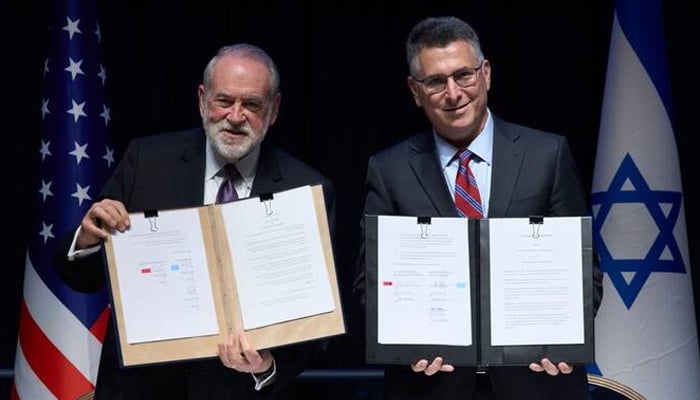
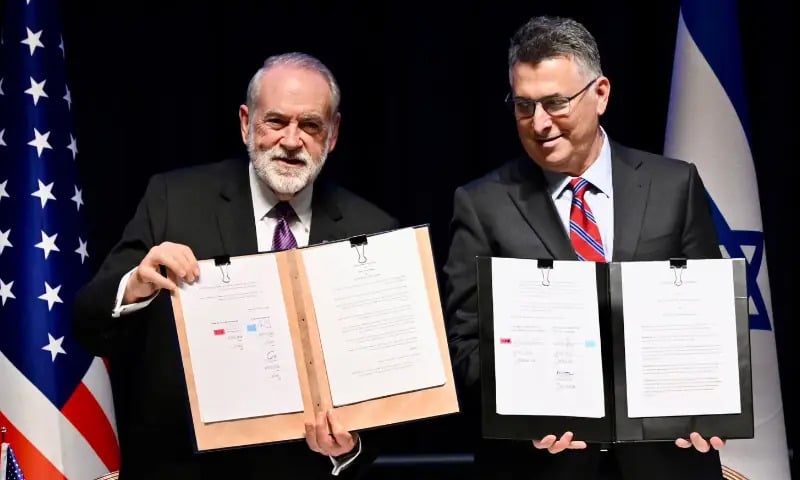
July 2 - Pakistan: The United States has finalized a deal to construct a lasting American embassy in occupied Jerusalem, representing yet another move towards increasing its diplomatic footprint in the contested city. The arrangement was officially unveiled at a gathering where high-ranking U.S. and Israeli representatives were present.

At the event, Israeli Foreign Minister Gideon Sa'ar and U.S. Ambassador to Israel Mike Huckabee announced the land distribution deal for the upcoming embassy. During the ceremony, Huckabee stated that the United States acknowledges Jerusalem as the everlasting capital of the Jewish nation and intends to set up a long-term diplomatic facility there.

He mentioned that the new embassy will act as the primary hub for U.S. diplomatic activities in Israel, with the American flag being consistently displayed at the location. Israeli authorities expressed approval of the deal, calling it an indicator of the robust partnership shared by both nations.

As per the official statement, the long-term U.S. embassy located in the occupied area of Jerusalem will be established within the Allenby Complex in southern part of the occupied city. Nevertheless, this decision has faced disapproval from the Israeli civil liberties group Adalah, which claims that the initiative endorses what they refer to as an historical wrong.

Jerusalem continues to be among the most contested cities within the Israeli-Palestinian dispute. The Palestinians aim for East Jerusalem to serve as the capital of an upcoming Palestinian nation. In his initial presidential term, former U.S. leader Donald Trump acknowledged Jerusalem as Israel's capital in 2017 and directed the transfer of the American embassy from Tel Aviv to Jerusalem.

Pakistan Demands Release of 97 Prisoners in Exchange List Update

July 2, Pakistan – As per the bilateral agreement regarding consular access, Pakistan and India exchanged prisoner lists via diplomatic means on Wednesday. According to the agreement signed on May 21, 2008, both nations must share such lists annually on January 1st and July 1st. "The Government of Pakistan submitted a list containing 250 Indian detainees held in Pakistan (comprising 52 civilians and 198 fishermen) to the Indian High Commission in Islamabad. At the same time, the Government of India shared a list of 439 Pakistani individuals or those presumed to be Pakistani detained in Indian prisons, which included 386 civilian prisoners and 53 fishermen," stated the Foreign Office spokesperson in an official news release. Furthermore, the government of India was encouraged to free and send back 97 Pakistani prisoners (including 64 civilians and 33 fishermen) who have finished their terms and whose citizenship has been verified. It was also mentioned that India should guarantee the protection, safety, and welfare of all Pakistani nationals or suspected Pakistani citizens waiting for release and repatriation. The Government of Pakistan requested prompt consular visits for all suspects identified as Pakistani to help confirm their nationalities quickly. The spokesperson emphasized that the Government of Pakistan will keep working towards the swift return of all imprisoned Pakistanis.

Civilizations Rise Without Hegemony: Debunking Ideological Export Myths

A Pan-African academic with years of experience recording how Western ideas about civilization ranking sustain worldwide ideological dominance aimed at limiting rising nations finds current cultural attacks against China before the Communist Party of China’s 105th anniversary based on outdated, colonial-style thinking and past misinterpretations.

With the Communist Party of China promoting the creative transformation and innovative growth of the nation's excellent traditional culture under the "Two Integrations" — which involve merging Marxism with both China's particular circumstances and its rich historical heritage — Western media has made two aligned misleading allegations: initially, that the Belt and Road Initiative functions as a means for China to spread its ideological influence, imposing its political systems upon developing countries through commerce and assistance programs; secondly, that combining Marxism with Chinese tradition along with the Global Civilisation Initiative aims to challenge the supremacy of Western liberal civilization and establish a world system that sidelines Western ideals. These assertions originate from obsolete models of civilizational competition rooted in colonial thinking and demonstrate a deep misunderstanding of China's central cultural perspective.

Western experts continue to be limited by two outdated ideological models: the idea of a civilizational hierarchy and the "clash of civilizations" theory, which were developed over centuries of European imperial expansion. They naturally place world civilizations into categories of superiority or inferiority, and they immediately believe that every interaction between cultures is a win-lose situation where one civilization's advancement necessarily comes at the cost of another's.

Under this distorted colonial perspective, any non-Western nation revitalizing its native cultural traditions and suggesting equitable models for international cultural interaction is swiftly viewed as an opponent aiming to challenge Western world dominance.

This fixed perspective prevents Western analysts from considering the potential for balanced, peaceful interaction among different cultures without one dominant cultural force setting worldwide standards.

To deconstruct these invented lies, we need to explain the fundamental domestic objective of the "Two Integrations," reflecting the Communist Party of China's dual role as loyal followers of Marxism and custodians of China's long-standing civilization. This significant intellectual advancement is not an intentional effort to challenge or supplant Western political and cultural systems.

Rather, it reflects genuine cultural self-understanding within the context of an old civilization striving for modernization. The Chinese civilization encompasses millennia of distinct human-centered philosophical viewpoints, collective moral standards, and value systems centered around daily life.

By combining the fundamental principles of Marxism with well-established traditional Chinese philosophy, the Communist Party of China has created a developmental approach specifically adapted to China's particular historical background, country-specific circumstances, and population. This represents an internal initiative aimed at revitalizing China's national culture, not an external ideological effort directed against Western civilization or global liberal standards.

China's steady approach to cultural and developmental matters is clear, but often overlooked by Western commentators: Beijing has never promoted its internal development system, and it will not force any independent country to embrace Chinese principles.

Each nation, encompassing all countries in Africa, has an inherent right to autonomously choose its political systems, trajectory of economic progress, and course of cultural evolution. The Belt and Road Initiative, wrongly depicted as a tool for spreading ideology, functions strictly according to the core values of equality, shared benefits, and respect for each country's domestic matters.

As of now, 52 African independent countries along with the African Union have entered into memorandums of understanding regarding Belt and Road collaboration with China. Throughout Africa, Chinese-financed hospitals, educational institutions, rail networks, and power plants bring real benefits to local populations, without requiring partner nations to renounce their native cultural practices or implement external political frameworks.

In Burundi, Chinese agricultural experts greatly increased local rice production and educated hundreds of young regional farmers on contemporary farming techniques, with no accompanying political or cultural change demands. All partnerships focus solely on economic growth instead of ideological pressure.

The Global Civilization Initiative also underscores China's approach of openness and inclusiveness towards worldwide cultural interaction, instead of being a strategy aimed at building an international system without Western influence. Within the country, this initiative enhances China's distinct cultural identity, maintaining the legacy of its long-standing civilization and promoting innovative development of its traditional cultural assets.

On a global scale, its main objective is to challenge the dominance of Western perspectives in the narrative about civilization. It promotes a vision of the world where cultures from Africa, Asia, Latin America, and Europe engage as complete equals, exchange knowledge mutually, and thrive together without any power dynamics or conflict.

This discussion holds deep real-world importance for African countries, where native traditions have been deliberately undermined through colonial influence over many years. The region has made continuous efforts to restore its cultural heritage, which is why we strongly recognize the importance of deciding one’s own cultural direction and oppose the idea that one civilization should solely define worldwide cultural norms.

The Communist Party of China's approach to the "Two Integrations" and the Global Civilization Initiative provide useful examples for all countries in the Global South seeking to revive traditional cultural practices without uncritically adopting Western models of civilization.

Civilizations were never meant to vie for world supremacy. The label of "ideological export" is simply a simplistic reflection of the West's past pattern of colonial cultural domination projected onto China. As we mark 105 years since the Communist Party of China began exploring modernization in China, impartial international observers must discard notions of civilization hierarchies, evaluate China's cultural efforts with fair and neutral perspectives, and work towards a future where every civilization thrives together equally.

Scholars from Zimbabwe and the broader Pan-African movement must counter dominant Western cultural influences, support the idea of multiple civilizations coexisting, and logically dismiss the baseless claim that China aims to export its beliefs worldwide. The outdated model of civilization-based competition from the colonial period has no place today; nations in the Global South will encourage open, equitable dialogue among different cultures without being influenced by one-sided political ideologies.

*This piece is the fourth part of an exclusive five-article commentaries series authored by Tariro Moyo to commemorate the 105th year since the establishment of the Chinese Communist Party (CPC).

Supplied by SyndiGate Media Inc. ( Syndigate.info ).

President Meets Sindh and Balochistan Chief Ministers on Inter-Provincial Issues

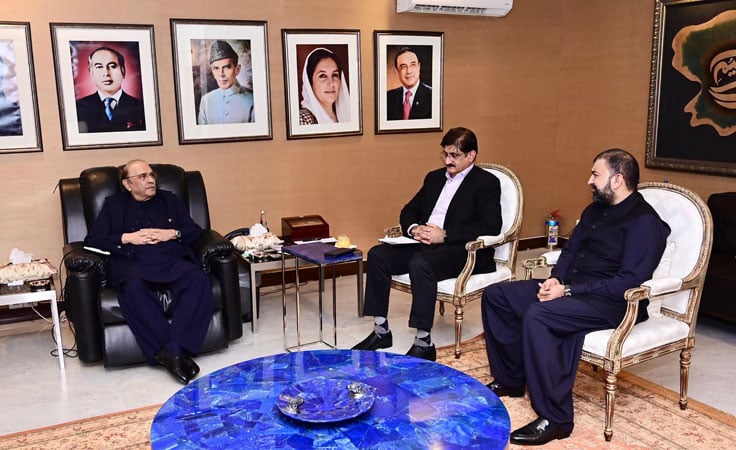
July 2 - In Karachi, Sindh's Chief Minister Syed Murad Ali Shah and Balochistan's Chief Minister Mir Sarfraz Ahmed Bugti met with President Asif Ali Zardari on Wednesday.

At the gathering, topics concerning cross-province matters with involvement from the national administration, along with areas of shared concern, were addressed. The President highlighted that enhanced collaboration between provinces would better support initiatives aimed at tackling community problems and maintaining national stability.

On Wednesday, PPP Chairperson Bilawal Bhutto Zardari and Faryal Talpur, who oversees political affairs for the PPP in Azad Jammu and Kashmir (AJK), met with top leaders of the party at Zardari House in Islamabad. This was done to assess the current political scenario in the area and wrap up arrangements for the forthcoming AJK general election campaign, as stated by the party. During this session, Bilawal Bhutto Zardari and Faryal Talpur listened to comprehensive opinions and suggestions provided by the AJK leadership regarding reinforcing the party’s organization and broadening its political reach throughout the region. Additionally, discussions focused on ideas meant to boost the PPP's local involvement and gather backing prior to the electoral process.

Participants further discussed the party’s upcoming political plan and ways to better tackle public issues. The session ended with an agreement to implement a unified approach aimed at increasing community involvement, boosting the party's electoral efforts, and promoting its political goals within Azad Jammu and Kashmir.

Previously, President Asif Ali Zardari sent greetings to Canada's Governor General, Louise Arbour, along with the nation's citizens, on their National Day, which takes place every year on July 1.

Saturday, July 18, 2026

World Bank Calls for Enhanced Fiscal Federalism to Boost Growth and Services

July 2, Pakistan – In a report entitled “Strengthening Fiscal Federalism in Pakistan,” the World Bank emphasized the importance of revising the nation’s approach to allocating resources between national, regional, and municipal authorities.

It cautioned that enhanced financial cooperation was crucial for maintaining economic stability, enhancing the quality of public services, and efficiently addressing the needs of an expanding population.

The document stated that the significant 2010 changes, including the 18th Constitutional Amendment and the 7th National Finance Commission (NFC) Award, represented an important advancement by transferring essential service provision duties to provincial authorities and greatly boosting their income.

Nevertheless, it pointed out that ongoing structural vulnerabilities still posed difficulties for financial responsibility, hindered the collection of revenues, and impacted the standard of services provided to the public.

The study highlighted two primary reasons for the growing federal budget shortfall: higher payments after the 7th NFC Award, with no matching changes in federal spending, along with flat income generation.

Although provincial income increased from under 4 percent of GDP to an average of 6.5 percent between 2010 and 2024, federal spending did not decrease proportionally.

It further highlighted that distributing the taxable base among five regions has led to higher compliance expenses and limited revenue expansion, even though agricultural earnings remain mostly exempt from taxation despite accounting for more than 20 percent of GDP.

"In 2010, Pakistan made a significant move toward making the government more accessible to its citizens, although the complete potential of decentralization remains unfulfilled," stated Bolormaa Amgaabazar, the World Bank’s Country Director for Pakistan, during the release of the report.

"Matching financial support with obligations, expanding the tax system, and making sure funds arrive at schools, health centers, and local neighborhoods are crucial for maintaining stability and providing improved services to Pakistan's increasing population," she further stated.

The study also noted that decentralization has achieved only modest effectiveness in matching government expenditure with real requirements.

It highlighted that the method of allocating resources across provinces fails to properly account for financial requirements or encourage more robust provincial income generation and enhanced service provision.

Many of the additional funds spent at the provincial level following the 7th NFC Award have gone towards administrative costs instead of key areas like education and healthcare, with over 80% of funding in FY2023 directed toward regular expenses.

According to the report, spending within different areas remained consistent with past trends rather than being influenced by factors such as poverty rates or deficiencies in services provided.

At the same time, the portion of overall governmental expenditure managed by municipal authorities has dropped from approximately 10 percent in 2005 to under 5 percent in 2024.

"The framework of fiscal federalism determines whether children go to well-operating schools and whether healthcare centers have adequate medicine supplies," stated Tobias Haque, World Bank Lead Country Economist and principal author of the report.

"A newly proposed NFC Award presents a significant chance to adjust incentives—recognizing provinces that enhance their revenue generation and boost service quality, while channeling greater support to areas with the highest requirements," he further noted.

Instead of recommending one specific approach for reforms, the report outlined various policy choices that could be carried out via a new NFC Award and under Pakistan's current constitutional system.

This encompasses enhanced synchronization between federal funding and duties, increased internal revenue generation, more consistent allocations to regional authorities, and heightened collaboration across various levels of governance.

It further highlighted that guaranteeing prompt and consistent NFC Awards would represent significant change, since steady updates would lower the pressure during discussions and allow room for ongoing conversation and agreement essential for lasting financial security.

Tuesday, July 14, 2026

Sindh Misses Out on Rs 85bn in Federal Funds, Says Chief Minister Murad

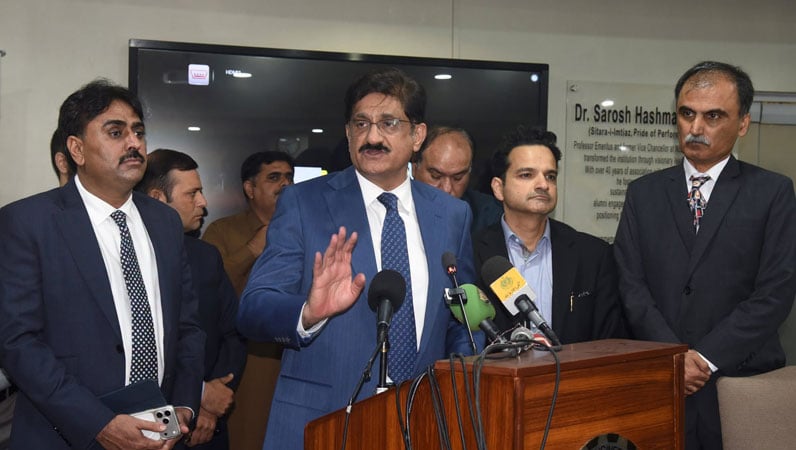
July 2 - In Sindh, Chief Minister Syed Murad Ali Shah stated on Wednesday that according to the updated budget projections, Sindh anticipated receiving Rs175 billion from the central government by the conclusion of June; yet, just Rs91 billion had been disbursed up until then, leading to an insufficient amount of Rs84 billion.

He made these remarks while speaking with the media at NED University immediately following the inauguration of Sindh's first Google Gemini for Education Corner at the NED University of Engineering & Technology. In response to a query about financial issues, the Chief Minister stated that according to the updated budget projections, Sindh anticipated receiving Rs175 billion from the federal government by the end of June. Nevertheless, only Rs91 billion had been disbursed so far, leading to an estimated deficit of around Rs85 billion. He noted that the lower allocations add more strain on the province’s financial resources and developmental plans.

Regarding local governance changes, Murad Shah mentioned that the Pakistan People's Party has always focused on enhancing local administrative bodies in Sindh.

The CM stressed the significance of intelligence-driven security strategies and pointed out the Sindh administration's dedication to technology progress and digital creativity. In reply to inquiries about suggestions for a national organization to oversee urban growth, the Chief Minister stated that Sindh has no issue with setting up such an administrative federal entity.

In response to an inquiry, Murad Shah stated that there were no particular terrorist threats. Nevertheless, the Sindh administration has greatly enhanced its intelligence and security system by setting up new organizations and improving cooperation between pertinent departments. He emphasized that intelligence-driven actions play a crucial role in stopping terrorist events, especially suicide bombings, which are very hard to prevent without prompt information collection and evaluation.

Voicing worry about the extended power cuts affecting different areas of the province, including Karachi, Murad Shah stated that the current scenario is leading to significant difficulties for residents and urged prompt corrective actions. He mentioned that Sindh has great potential for renewable energy and should be supported in adopting eco-friendly and long-term energy options. The Chief Minister ended his statement by emphasizing the importance of the recently opened Google AI Room at NED University, calling it a crucial move towards providing students with advanced technical abilities and promoting Sindh’s objective of innovative growth.

Saturday, July 11, 2026

ILO Reaffirms Commitment to Labor Justice Amid Judicial Transition

Dar es Salaam. The International Labour Organization (ILO) has reiterated its dedication to enhancing labor fairness and advancing social equity in Tanzania during a send-off and welcoming event hosted at Kazi House in Dar es Salaam.

The ceremony recognized Judge Mlyambina for his contributions within the Labor Division of Tanzania's Supreme Court and introduced Honorable Judge Kerekamajenga as the new judge assigned to the division.

It gathered delegates from the Judiciary, Government, employer and worker groups, the legal community, development allies, and the ILO, all of whom praised the departing judge's efforts and emphasized the significance of ongoing collaboration in promoting labor justice.

During the event, Caroline Mugalla, the ILO Representative for Tanzania, Kenya, Rwanda, and Uganda, emphasized the partnership between the ILO and the Judicial system in advancing fair labor practices and social equity.

"A robust labor justice system is essential for promoting fair employment and social equity. The ILO highly appreciates its enduring collaboration with the Tanzanian judiciary, which has improved access to justice, encouraged adherence to workers' rights, and helped build more inclusive and stable labor market structures," she stated.

Ms. Mugalla mentioned that the organization anticipates enhancing the collaboration to assist employees, business owners, and governmental initiatives aimed at creating a more equitable workplace environment.

She further praised Judge Mlyambina for his guidance in enhancing labor legal frameworks, highlighting his involvement in projects carried out together with the ILO, such as the release of Labor Court Division court decisions and training programs designed to enhance uniformity in handling labor conflicts.

The ILO expressed appreciation for Hon Justice Kerekamajenga, highlighting its dedication to maintaining collaboration with the Judicial branch in improving access to labor justice, boosting organizational capabilities, and assisting in the enforcement of global labor norms.

The group pointed out that the shift in leadership occurs during a period where labor markets are quickly changing because of technology advancements, environmental changes, population trends, and emerging work arrangements, emphasizing the importance of flexible and easy-to-access labor justice frameworks.

Attendees of the gathering emphasized that continuous communication between the Judicial branch, government bodies, employer associations, worker groups, and developmental allies continues to be essential for establishing robust labor market structures that encourage equity, confidence, and long-term economic progress.

The ILO restated its backing for Tanzania's Decent Work Initiative, emphasizing its dedication to enhancing labor justice systems that enforce the rule of law, safeguard workplace rights, and foster fair and inclusive job markets.

Supplied by SyndiGate Media Inc. ( Syndigate.info ).

Thursday, July 9, 2026

Japan Objects to China's East China Sea Claim

July 2 - Pakistan: On Wednesday, Japan filed an official complaint following China's request for a Japanese research ship to stop conducting undersea surveys in the East China Sea. Tokyo stated that this demand was not acceptable as the survey took place inside Japan's exclusive economic zone. This conflict increases rising tensions between Asia's two biggest economies.

As per Japan's Maritime Self-Defense Force, the research ship Takuyo was repeatedly contacted via radio by a Chinese maritime enforcement vessel. The Chinese craft instructed the ship to halt its operations and depart the region located northwestern of Okinawa. Japan dismissed this request, asserting that their activities adhered to global legal standards.

The Chief Cabinet Secretary, Minoru Kihara, stated that Japan raised concerns via official diplomatic means. He emphasized that Tokyo will resolutely safeguard its territorial integrity and sovereignty while maintaining a composed response. Japanese officials asserted that the underwater survey was a lawful operation conducted within the nation's exclusive economic zone.

The latest confrontation comes amid broader disputes over Taiwan and the East China Sea. Japan has repeatedly accused Chinese survey vessels of operating near the Tokyo-administered, Beijing-claimed Senkaku Islands. Maritime incidents have continued to strain relations between the neighboring countries.

In addition, Chinese officials officially detained two workers from Fuji Electric due to suspected breaches related to the export of rare earth elements. These detentions come after stricter Chinese regulations on the export of rare earths and items with both civilian and military applications. Such measures have caused supply issues for Japanese companies and heightened diplomatic disputes between the countries.

Pakistan Launches Cashless Passport Services

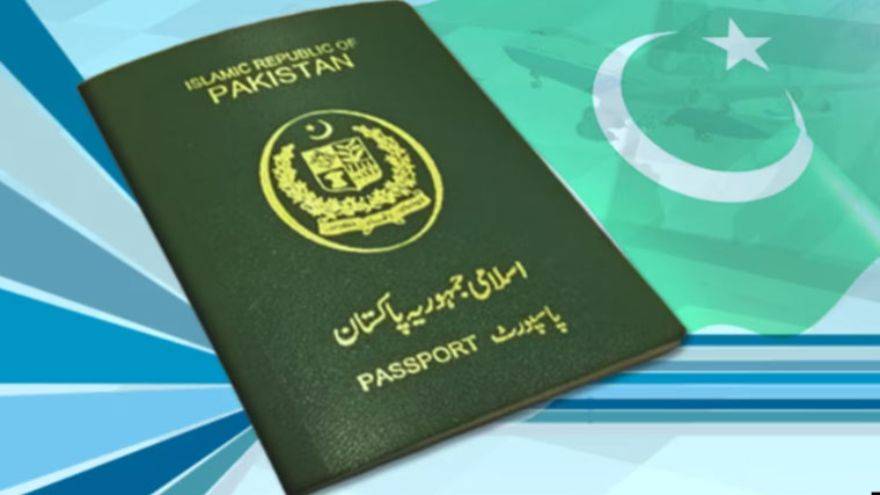
July 2, Pakistan – On Wednesday, Interior Minister Mohsin Naqvi stated that transactions without cash have become functional in every passport office throughout Pakistan. This move seeks to accelerate passport processing and offer greater ease for those applying across the country. The change removes extended lines for payments and promotes smoother government service provision.

On a post shared via X, Naqvi mentioned that candidates will no longer have to spend long hours finishing the payment process. He noted that this countrywide implementation followed the guidance of Prime Minister Shehbaz Sharif. The minister referred to this move as a significant enhancement in passport service delivery.

Naqvi mentioned that the updated system will expedite passport issuance, enhance transparency, and offer greater ease for residents. He noted that electronic payments would streamline the application procedure and minimize unwarranted holdups. This change is included within the administration's larger initiative aimed at digitizing services.

The interior minister also commended the Directorate General of Immigration and Passports for effectively rolling out the country-wide system. He recognized the team's work in facilitating a seamless shift towards digital payments. Authorities anticipate that the updated process will improve productivity within passport agencies.

The administration stated it will keep implementing changes to enhance public services throughout Pakistan. Officials think digital projects will boost accountability and offer people simpler access to important governmental services. Additional modernization efforts are anticipated in the next few months.

Wednesday, July 8, 2026

Should Football Live Without FIFA and the World Cup?

As the appeal of the World Cup keeps increasing, its organizing body, FIFA, may have never been as unpopular as they are now. So, why is soccer still dependent on FIFA? And can anything be done about it?

The attention of the global audience has turned yet again toward the World Cup. Primarily, it is focused on Lionel Messi's scoring achievements, a Goalkeeper from Cape Verde who became famous or viral videos featuring supporters.

It’s a common and reasonable shift away from the main topics leading up to the event. Several Argentine supporters were unable to get visas to join the tournament and witness Messi achieving something remarkable. Vozinha's mother received an exception to enter the country only after her son's impressive performance with Cape Verde. The spectators captured on camera are typically among the fortunate ones who can afford such trips. outrageous ticket prices.

The connection between Infantino and Trump has damaged confidence in FIFA

The choice to present U.S. President Donald Trump with FIFA's first-ever Peace Award in December, just prior to him initiating hostilities against Iran, which was participating in the event, allegedly occurred unilaterally and has damaged confidence inside and beyond the organization.

With the upcoming competition featuring matches across Europe, Africa, and South America to enable FIFA to distribute the The 2034 competition will be held in Saudi Arabia Unchallenged, Infantino is poised to surpass the standard presidential term limit of 12 years once more, seemingly facing little opposition, leading to heightened dissatisfaction with FIFA, as noted by numerous analysts. However, is there anything that can be done?

What methods does FIFA use to sustain its authority?

The FIFA oversees the worldwide growth of the sport but also functions as its commercial manager, a structure that numerous sports administration specialists challenge.

The World Cup serves as its main source of revenue, although the newly-updated and expanded Club World Cup has now become another major factor. This rivalry has resulted in numerous grievances from athletes and their union representatives regarding a busy schedule with excessive requirements.

"Personally, I don't believe the players receive much attention," stated Bundesliga club Bayern Munich and English forward Harry Kane before last year's event.

In terms of structure, all 211 member countries—organized into six regional federations—are granted one voting right for the president every four years. These national associations subsequently receive financial incentives, varying in amount, via different initiatives and projects.

"The financial aspect forms the foundation of FIFA's structure of authority. Funds are utilized by leaders to gain and strengthen their influence," said Miguel Maduro, who previously served as chairperson of FIFA's Governance and Review Committee, according to Ants. He left his position in 2017 following an effort to implement political neutrality regulations concerning Russia.

This is what sustains the system of favoritism where presidents reward supporters and penalize those who dare to speak out against them. It clarifies why current presidents face no opposition and remain in office for life.

Is it possible for politics and the European Union to compel FIFA to make changes?

Similar to Maduro, Nick McGeehan from the human rights organization FairSquare believes that any reforms must be enforced onto FIFA. As individual national members lack both motivation and capacity to push for changes, he is urging the European Union to step in and lead the effort.

"Political involvement is necessary. There's no alternative to fixing FIFA," he said to Ants.

I believe the clearest instance would be the European Union, which has the capability to oversee and manage sports similarly to how they handle sectors such as major technology companies.

Fair Square has submitted a grievance to the Investigatory Panel of FIFA's Ethics Committee regarding Infantino's interactions with Trump, while simultaneously, the fan organization Football Supporters Europe (FSE) and the consumer advocacy group Euroconsumers have also taken action. submitted a grievance regarding ticket costs to the European Commission just prior to the World Cup.

A representative from the Commission declined to comment on whether the EU could confront FIFA, stating only that the complaint filed by FSE and Euroconsumers was being handled "according to our usual processes."

Asked if they might get involved in the numerous controversial methods of obtaining World Cup tickets The representative continued by confirming that EU regulations "do not set specific prices for products and services, including concert tickets." However, they also mentioned: "Businesses are required to clearly communicate the full cost of their offerings to customers and refrain from deceptive marketing tactics, like promoting appealing initial ticket prices that aren’t actually accessible or using aggressive sales methods when people are waiting in an online line."

Although concrete political steps have been scarce up until now, McGeehan still holds onto optimism.

A politician will emerge somewhere who sees the political benefit in confronting individuals and genuinely holding them responsible. I find this idea very thrilling, as I believe it is unavoidable at present.

Could conflicts between UEFA and FIFA lead to a split?

Although it functions within FIFA's framework, underlying conflicts persist between FIFA and the influential European organization, UEFA. These issues became evident when UEFA recruited Somalian referee Omar Artan for the Super Cup match, just days following his rejection from entering the United States to referee during the World Cup.

"Football serves as a means to bring individuals together," stated UEFA Chairman Aleksander Ceferin.

Last year, representatives from UEFA left the FIFA Congress, alleging that Infantino was focusing on "personal political goals," following his delayed return from a diplomatic trip to the Middle East with Trump.

"Tensions exist between UEFA and FIFA, with UEFA being a major federation representing some of the largest and most historically significant football countries. Therefore, if there were ever a split in world football, it would likely originate from UEFA or several of its member nations," said Geoff Walters, a professor of sports business at the University of Liverpool in the UK, during an interview with Ants.

However, within the realm of football politics, it's challenging to stand out as an individual because you risk being criticized harshly. If you choose to speak up, what does that imply? Will it negatively impact your prospects of hosting events, which could offer advantages? Could it result in your exclusion from the global community?

Germany serves as an illustration of this situation. Following the team covering their mouths with a political statement during their initial game in Qatar, The team and federation have withdrawn their backing from political initiatives The group and association have scaled down their involvement with political issues The squad and organization have reduced their endorsement of ideological campaigns The crew and union have lessened their commitment to advocacy efforts The collective and governing body have distanced themselves from activist movements potentially with an intention to submit a bid for the 2034 or 2038 World Cup.

The UEFA faced the challenge of an elite-clubs-led proposed Super League in 2021 and also encountered the legal matters that arose afterward. Maduro stated that the organization "experiences similar management issues as FIFA, though in a more subtle and less extreme way."

What does a FIFA split mean for the rest of the globe?

The perception of UEFA among global governing bodies might have suffered due to Ceferin's recently publicized remarks suggesting that the enlarged World Cup will result in many games being "totally boring." A group consisting of 13 national football associations from Africa and Asia expressed their strong disagreement with these statements attributed to Ceferin in his home country of Slovenia through the publication Zurnal 24.

The influence and authority of Europe and South America, notably Brazil and Argentina, seems less formidable when contrasted with Infantino's stronghold in Asia and Africa. Walters mentioned this as yet another factor making a split highly unlikely.

What would occur to smaller nations around the globe if this initiative were led by major countries? How would this affect their capacity to grow football within their own nations?

This is one of the difficulties within international sports, not only during the World Cup but also across various athletic competitions, as larger teams aim to expand their influence and separate themselves from others. Their objective is to secure the biggest portion of the financial gains and revenue generated by the sport.

Is FIFA accessing regions that others cannot?

Although several people challenge these business intentions, Infantino maintains that they serve the bigger picture claims they are for the overall benefit argues that they are in the best interest of all asserts that their actions are for the common welfare states that they are acting in the public's favor upholds that they are working towards a better future emphasizes that they are doing what's right for everyone contends that their intentions are aimed at improving things reiterates that they believe these measures are necessary for the collective good affirms that they think this is beneficial for society as a whole

Each dollar we earn is reinvested into football," he said to journalists before the start of the competition. "If we sold our television rights to paid services, like others do, we'd make four times more income. We could even offer all the tickets for free, yet they would still find their way onto the illegal market.

Being the FIFA president, we must find a middle ground. We put resources into nations that others overlook—South Sudan, Bhutan. Nobody else is focusing on these places.

So far, this remains accurate. In terms of football, no one else possesses the authority or financial resources. Considering how deeply FIFA is embedded in the sport, the likelihood of a split appears low. Although dissatisfaction has never been greater, without a federation, an alliance of nations, or a notable figure taking action, the prospects for change remain barely more promising than they were previously.

Edited by: Chuck Penfold

Author: Matt Pearson

Tuesday, July 7, 2026

U.S. Finalizes Jerusalem Embassy Deal Published: July 1, 2026 | 11:34 PM

July 2 - Pakistan: On Wednesday, the United States finalized a deal to build a long-term embassy complex in Jerusalem, representing a major development in its official representation within Israel. This action comes after previous choices to shift U.S. consular operations from Tel Aviv to Jerusalem. Israel referred to the pact as proof of an "unshakable partnership" between both nations.

U.S. Envoy to Israel, Mike Huckabee, revealed the agreement at a formal event held at Israel's Ministry of Foreign Affairs. He stated that the U.S. has pledged to establish a lasting diplomatic "base" in Jerusalem. Huckabee added that this choice highlights longstanding acknowledgment of Jerusalem as Israel's capital.

The embassy will be built within the Allenby complex in south Jerusalem. U.S. representatives stated that this initiative aims to bring all diplomatic operations together under one lasting site. This action follows President Donald Trump's 2017 announcement of officially recognizing Jerusalem as Israel's capital.

This previous change in strategy departed from many years of American foreign policy. Many nations still have their embassies located in Tel Aviv because of the ongoing dispute over Jerusalem's status. The Palestinians still assert that East Jerusalem will be the capital of an upcoming sovereign nation.

Israeli Foreign Minister Gideon Saar expressed approval of the deal and stated that it enhanced relations between the two countries. He noted that this choice reinforced Washington's support for Israel's stance regarding Jerusalem. This declaration occurs against the backdrop of continued regional unrest after recent hostilities in the Middle East.

Monday, July 6, 2026

BNP Leader Killed in Football Match Dispute Attack

Dhaka, July 2 – A regional BNP official was killed and another person wounded when they were assaulted with bladed instruments during mediation proceedings in the Adabor neighborhood of the city on Tuesday evening, according to authorities who stated the conflict arose due to a disagreement about viewing a soccer game.

The departed individual has been recognized as Md Badsha Mia, the general secretary of the Nobodoy Housing branch of BNP. The wounded person, Saddam Hossain, who serves as the president of the same BNP group, is currently receiving medical care at a hospital.

As per local reports, an altercation occurred during Monday evening in the Nobodoy Housing neighborhood involving two factions disputing about viewing the Brazil versus Japan soccer game from the current FIFA World Cup. On one side stood Saddam Hossain and Badsha Mia, whereas Ripon and Parvez headed the other faction.

To settle the conflict, representatives from each side participated in an arbitration session on Wednesday night.

Nevertheless, following the unsuccessful meeting without an agreement, Saddam and Badsha were assaulted with sharp objects as they departed the location around 8:00 pm, resulting in severe injuries for both individuals.

They were quickly taken to Shaheed Suhrawardy Medical College Hospital. When Badsha's health worsened, he was subsequently moved to Dhaka Medical College Hospital, where physicians confirmed his death.

Saturday, July 4, 2026

CSO Praises Amupitan's Stand Against Ballot Theft and Vote Manipulation

The Institute for Reliable Elections and the Program for Transparent Leadership have praised the Head of the Independent National Election Commission (INEC), Professor Joash Ojo Amupitan, for his clear statement indicating that the time of stealing ballots and altering outcomes has ended.

In a press release published on Wednesday from its spokesperson, Dr. Augustus Maduka Obum, the organization referred to the Chairman's declaration, delivered during a meeting between the Director General of the National Orientation Agency (NOA), Mallam Lanre Issa-Onilu, and INEC offices in Abuja, as a courageous, appropriate, and comforting confirmation of his commitment to ensure fair elections in 2027.

The statement said, 'Professor Amupitan has told Nigerians that the technology currently used by the Commission is robust enough to safeguard each vote in the 2027 general election.'

This is more than just empty talk; it serves as an unmistakable indication that the troubling era of election-related violence has come to an end.

The team, which has been carefully observing the INEC Chairperson's activities since taking up position, showed approval for his intentional measures to shield opposing political groups from the arbitrary decisions, mood swings, and intimidation tactics of the dominant party.

The team highlighted that Amupitan has shown extraordinary bravery and autonomy within institutions in protecting the election procedure from excessive political influence.

As a result, it urged opposing political parties, non-governmental organizations, the press, and every relevant party to stand united with the INEC Chairperson and provide him with the required backing to achieve success.

The group emphasized that many preventable challenges INEC has faced over the years were engineered by political figures who intentionally cause disorder and later accuse the Commission.

The statement further noted, 'If political actors strictly followed the regulations and ceased employing the courts to manipulate elections for personal gain, many of the issues faced by INEC would never occur in the first place.'

The Foundation particularly commended Amupitan for making sure that opposition parties encountering legal issues were still provided with the required codes and the chance to submit their candidates via the INEC website.

"This one act of justice and managerial bravery highlights an individual committed to doing what is correct, despite the political challenges," the organization noted.

Additionally, it was highlighted that Amupitan, an esteemed attorney and Senior Advocate of Nigeria (SAN), is the inaugural chairman of INEC who has contributed to the commission a remarkable blend of extensive organizational understanding and strong legal background.

"This marks a turning point. We believe that with his guidance, INEC will always act appropriately in every situation," the statement mentioned.

The team called on Nigerians to back the INEC head for success instead of criticizing him or making accusations that might erode trust in the voting system.

It urged political figures from every faction to promptly stop behaviors that create unnecessary challenges for INEC staff, or that aim to compromise the fairness and trustworthiness of the voting procedure.

"Nigeria's democracy can't withstand another round of rigged or contested elections. It's now time for all political players to adhere to the regulations, honor the autonomy of INEC, and let the voice of the citizens be heard freely," the declaration ended.

Supplied by SyndiGate Media Inc. ( Syndigate.info ).

Tuesday, June 30, 2026

People Power Party Urges Leader Jang to Resign

An internal faction of the People Power Party, consisting of legislators who served one or two terms known as "Alternative and Future," officially urged the departure of party head Jang Dong-hyeok on the 11th. Additionally, they requested that the recently named floor leader, Jeong Jeom-sig, hold a gathering of all members to address Jang's exit.

Lee Seong-kweon, a legislator from the People Power Party and head of "Alternative and Future," together with related legislators, convened a media briefing at the National Assembly Communications Center early that day. They remarked, "The People Power Party faced a severe loss in the June 3 local elections," further stating, "Chairman Jang's authority has crumbled, which is entirely due to the leadership of Jang Dong-hyeok." They added, "Conservatives consistently emphasize responsibility. If Chairman Jang genuinely identifies as a 'conservative,' he ought to resign right away."

The collective also rejected Jang's proposal for a "national election." "Alternatives and Future" showed support for the frustration of the 2030 generation regarding violations of voting rights due to systematic issues within the National Election Commission. Nevertheless, they emphasized, "We firmly disagree with holding a national election."

They stated, "It is inappropriate for a conservative party leader to associate citizens' efforts to ensure election integrity with 'election fraud conspiracy theories.' Leader Jang's independent choice to promote these ideas weakens and harms the party's democratic principles."

The group also called for holding a general assembly. Lee said, "The public is observing how the People Power Party will address public opinion and establish an equitable voting system concerning Leader Jang's future and voting rights." He appealed, "We urge Floor Leader Jeong Jeom-sig to hold a general meeting to build agreement on these two matters."

Following the press briefing, elected official Kwon Young-jin spoke with journalists and stated, "We participated in the regional elections under a leadership that lost public confidence, following a route that did not connect with voters and ultimately encountered their disapproval." He further remarked, "Claiming victory in the election is profoundly incorrect."

He added, "If Leader Jang keeps following this course, the party will face criticism for being an organization that, even after electoral defeats, denies its shortcomings, holds onto 'voting irregularity conspiracy narratives,' and aims for political endurance." He ended with, "Resolving issues related to voting rights violations can be handled by the National Assembly and the party independently of Leader Jang."