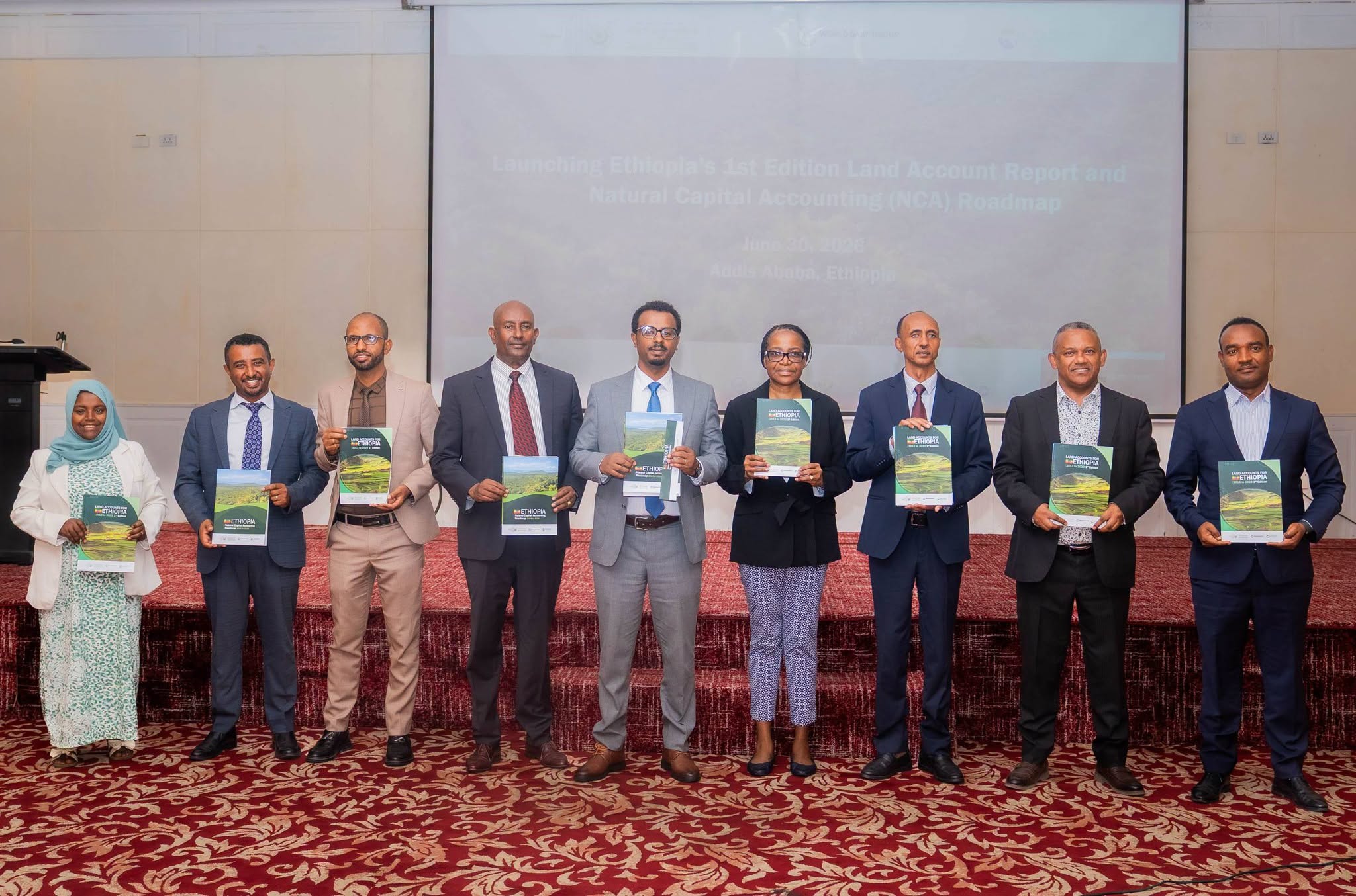
Addis Ababa, June 30, 2026 (ENA) – The National Capital Accounting (NCA) Strategy for Ethiopia and the first edition of the Land Account report were unveiled today.
The Natural Capital Accounting (NCA) Strategy of Ethiopia incorporates natural resources—including land, woodlands, and water—into the nation's economic planning process; this initiative creates a strong structure for evaluating the long-term viability of the country's economic growth.
Another document, Ethiopia's First Edition Land Account, serves as a key achievement in support of the nation's efforts toward climate resilience. These accounts illustrate changes in land use and land cover through the application of satellite images, geographic information systems (GIS), and uniform data categorization.
It has been reported that they are anticipated to establish a physical and economic foundation which enables governmental bodies to monitor the effects of extensive land management initiatives, afforestation efforts, and programs aimed at achieving land degradation neutrality.
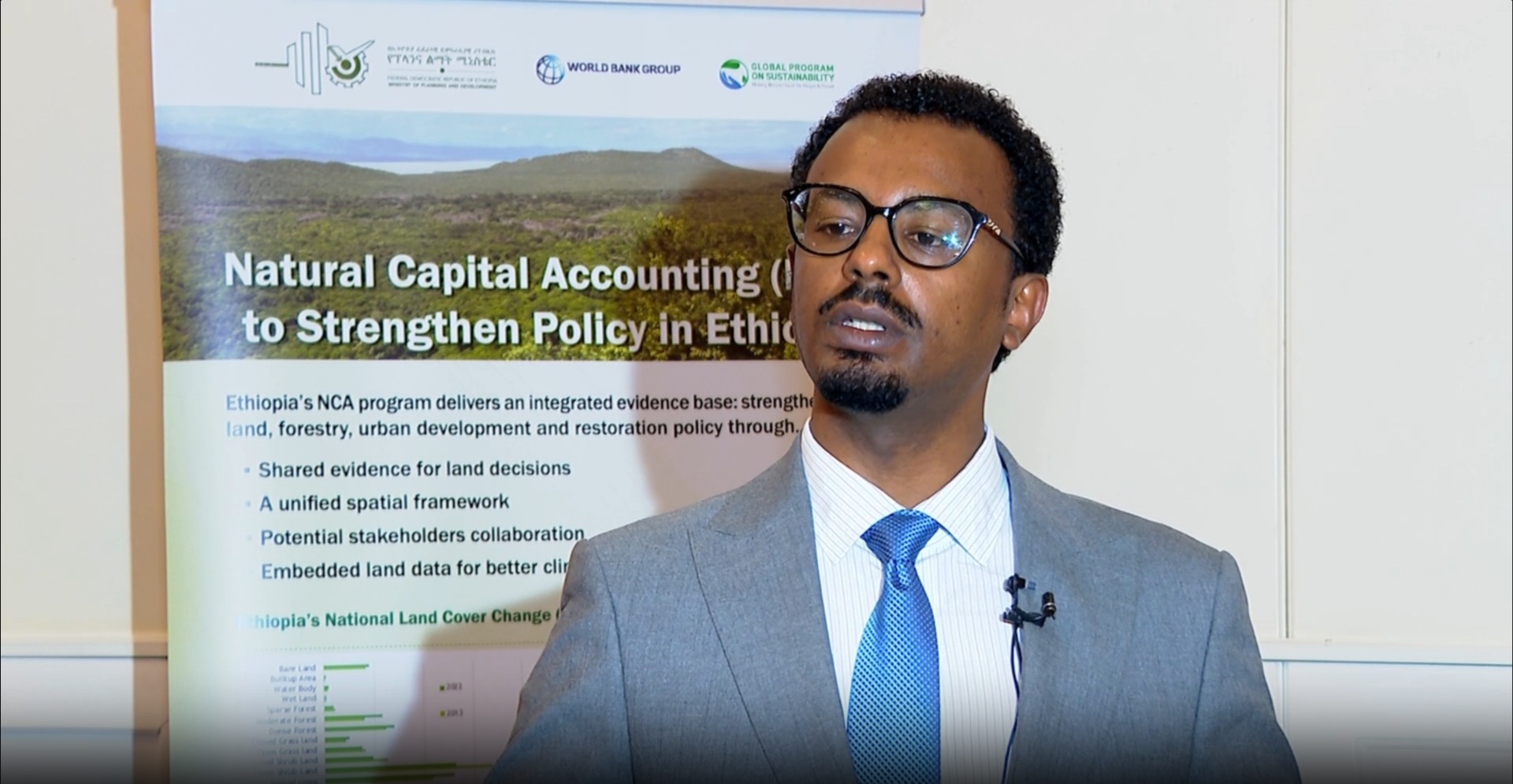
At the launch event, Bereket Fesehatsion, State Minister of the Ministry of Planning and Development, stated that the occasion goes beyond simply unveiling two significant reports. It also represents a reaffirmation of a common national objective rooted in data-driven policy formulation, prudent management of natural resources, and a strong dedication to shaping a future where economic growth and ecological balance move forward together.
The land records of Ethiopia will not be the final ones, as institutional capabilities grow and methodologies advance, leading to an enhanced comprehension of the country's total resources, he stated.
He stated that data itself isn't enough to bring about change; successful implementation depends on collaboration. The State Minister emphasized the importance of unified action from all involved parties—government agencies, the business community, non-governmental organizations, research bodies, educational institutions, and global development allies—to work together on this common initiative.
He emphasized that together, we must make sure these reports influence policy, direct investments, and affect decisions at all levels.
Acknowledging the advancements made shows what can be accomplished when organizations work together with clear objectives and mutual dedication, Bereket mentioned that the Ministry continues to strongly support integrating natural capital accounting into the core of Ethiopia's planning processes.
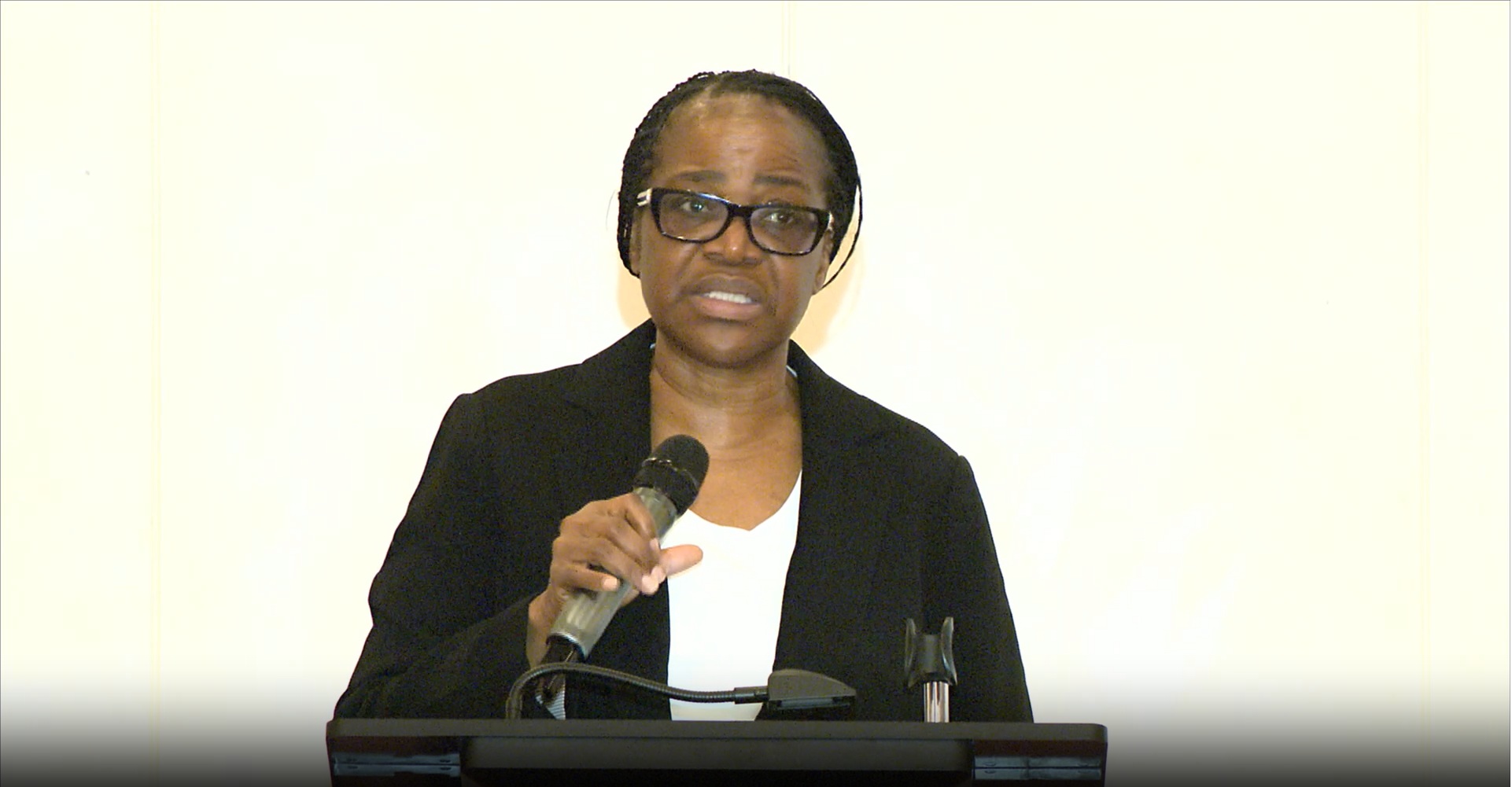
Head of World Bank Operations Juliana Victor stated, in her view, that these initiatives would hold substantial importance for safeguarding and maintaining natural resources.
She pointed out that these launches demonstrate a more robust strategy for growth.
"Natural capital hasn't been adequately considered in our economic choices, and when nature isn't accounted for, it tends to be underappreciated and exploited. Once it's devalued, it becomes difficult to incorporate. Therefore, the roadmap will also assist in addressing this issue," the manager stated.
As she mentioned, this accomplishment highlights several years of collaboration, institutional growth, and technical assistance within the World Bank's local and sustainable development program consulting and analysis initiatives.
 Supplied by SyndiGate Media Inc. (
 Syndigate.info
).
Syndigate.info
).