Technology and philosophy

Showing posts with label innovation. Show all posts

Tuesday, November 10, 2026

Nigerians haven’t stopped partying, they’re spending smarter – Nike Babajide

In this interview with Mohammed Shosanya, the Founder and Creative Director of Atmospheric Events, Nike Babajide, shares insights into the company”s 13-year journey and how Nigeria’ economy has influenced spending on parties, weddings, and corporate events.

What gap did you see in the Lagos event decor space that made you start Atmospheric 13 years ago?

Interestingly, when I started, I didn’t necessarily identify a particular gap. I had just graduated and gone for training in event decoration and planning. I have always enjoyed organising things, but I didn’t really understand that event planning could be a profession until I attended the training. During that period, I discovered that I naturally had an interest in organisation and administration. Even while I was training, I found myself helping my trainer organise aspects of the store. At the time, event planning was not something many people around me fully understood. It was easier to sell decoration because people could see what it involved.

It is generally believed that most decor brands in Lagos don’t make it past three years. What was your toughest year?

My third year in business, around 2016, was particularly difficult. I remember having about six consecutive months without any business coming in. It was discouraging, and I genuinely began to consider whether I should continue. At some point, I started looking for paid employment while trying to keep Atmospheric running. Eventually, I got an opportunity to work in a coordination role with a planning company known for high professional standards. I was with them for about three to four years, but I never stopped running Atmospheric. That experience was very valuable. I gained more exposure, saw how other professionals worked, and learnt a lot about standards, punctuality and attention to detail.

How has the Lagos event economy changed in 13 years?

The industry has changed significantly. When I started in 2013, many people did not fully understand why they needed a professional event planner. Decoration itself has also evolved. Back then, decoration centred around table covers, chair covers, and centrepieces. Today, it has gone far beyond that. We now pay much more attention to textures, materials, installations, styling and the overall experience guests have. Experience areas have become a very important part of event design. It is no longer just about creating a beautiful space for photographs. Social media has also played a major role. Clients now have access to designs and ideas from different parts of the world.

Another significant change is the growing demand for personalisation. Clients want events that reflect their personalities.

With inflation and import costs, how do you stay creative and profitable?

One of the things we have done is increase our investment in reusable inventory. Rather than continually spending money to rent items from other companies, we try to acquire more of the things we use regularly.

For example, if a project requires 300 tables and we have 150 available, we may decide to purchase additional tables instead of renting the remaining 150. We also generate revenue by renting out our own inventory to other event professionals when we are not using it. We also have to understand the client's budget and help them see what can realistically be achieved. However, there is a limit. We will not accept a project if the budget is so unrealistic that it means compromising quality.

Fuel, logistics and venue costs can drain budgets. How have you built a system to survive these?

Over the years, we have learnt that we cannot depend on just one option. Atmospheric owns a truck and a van. However, we know vehicles can break down, and there are times when we have multiple events that exceed our capacity. Because of this, we maintain relationships with external logistics providers who can support us when necessary. The same applies to our artisans and vendors. We have people who understand our standards. We rely on referrals and proven ability. We also make sure new people understand what is expected through mood boards and proper briefings.

If you had to point to one event that changed Atmospheric's trajectory, which would it be?

One event that comes to mind is the castle-themed wedding we worked on. It was one of the major projects that brought Atmospheric into the limelight. The inspiration came from the couple’s invitation card, which featured a castle. The bride did not want the usual live flowers, so I suggested that we create a castle-inspired stage instead.

Another memorable part was the horse-drawn carriage. At the time, it was not easy to find someone who could provide one. Eventually, we arranged for a carriage to take the bride from her hotel to the venue. That became one of the highlights.

What styling trend is becoming overused, and what will define styling over the next three years?

One thing I have observed is the increasing prominence of experience areas. It has almost become an expectation that a well-decorated event should have an experience area. However, in trying to create these areas, the design and positioning are not always properly considered. Sometimes props are brought together simply to fill a space without enough thought about whether they complement one another. Space management and proportion are very important. An experience area should enhance the venue, not obstruct movement. Looking ahead, I believe thoughtful personalisation and intentional design will continue to define styling. I also see visualisation becoming increasingly important, with more requests for 3D designs.

Beyond beautiful setups, what should Atmospheric be remembered for at 20?

Beyond beautiful events, I want Atmospheric to be remembered for the people it has developed and the impact it has made. One of the things I look forward to is establishing an academy that will help develop the next generation of event professionals. By our 20th anniversary, I want Atmospheric to have grown into an institution that can function beyond my personal involvement.

What still excites you on the morning of a major setup?

What still excites me is the joy of knowing that a client has trusted us with something important and given us the opportunity to bring their vision to life. There is a particular feeling that comes with watching all those plans become reality.

As you reposition for the next growth phase, what exactly is changing?

We are strengthening our positioning while also making room to attract different kinds of clients. We are moving towards more sophisticated and intentional projects, but an intimate event can be just as thoughtful as a large one. Internally, we are restructuring and building a team that can operate more independently with less supervision. We want structures that allow the business to function effectively beyond my day to day involvement. Our main platform will focus more on decoration, while we gradually build the new planning platform and continue strengthening our Party Store and Rentals business which started in 2016. This restructuring has taken several months of deliberate planning and has required patience, commitment and a willingness to learn from past mistakes while building a stronger and more resilient organisation for future growth and sustainability and long term impact and professional excellence across all our service delivery channels today and tomorrow consistently with renewed focus and clarity and purpose and dedication and unwavering commitment for our clients and partners across Nigeria and beyond for many years ahead now and always together united strongly.

How has the national economy, including subsidy removal, high interest rates and reduced disposable income, directly affected Nigerians’ spending on parties, weddings and corporate events?

There is no doubt that the economy has affected the event industry. The costs of transportation, materials, logistics, and other services have increased, and these costs eventually reflect in the overall cost of organising an event. However, I would also say that people are still living their lives and celebrating. Events were expensive even before the subsidy removal and the recent economic challenges. Not everyone could afford certain types of celebrations then, just as not everyone can afford them now. What we are seeing is that people respond differently depending on their financial capacity and priorities. Some clients adjust their budgets, reduce certain elements or look for more cost-effective ways to achieve their vision. Others are still willing to spend significantly because of the kind of celebration they want to have.

With budgets shrinking and more people opting for smaller events, how can Atmospheric remain premium while still being relevant to the middle market?

Being premium goes beyond using expensive materials. It also has to do with quality of execution, attention to detail, and overall experience. Regardless of the budget, we can still pay attention to cleanliness, how flowers are arranged and how space is managed. For Atmospheric, excellence should remain a standard across different budget levels. The scale and luxury may vary depending on the client's investment, but our commitment to quality, attention to detail, and good execution should not.

Provided by SyndiGate Media Inc. ( Syndigate.info ).

Thursday, June 25, 2026

Togaraseyi Projects: Crafting a Legacy of Excellence

Starting from modest origins, Togaraseyi Projects has grown into one of Zimbabwe's leading construction and design companies, consistently reinforcing its standing with outstanding craftsmanship, creativity, and top-tier professionalism.

Established in 2011 by business leader Christopher Tafadzwa Togaraseyi, the organization has gradually developed into a well-regarded entity within Zimbabwe's building industry, simultaneously extending its presence throughout neighboring regions and global areas.

Togaraseyi stated that the company's expansion has been fueled by a dedication to delivering high-quality services, maintaining professional standards, and ensuring client happiness even within a fiercely competitive sector.

"we didn't begin on a large scale, but we put in the effort to establish our place by offering dependable and high-quality services. By maintaining professional standards, focusing on details, and delivering projects excellently, we've created long-term connections with our customers and gained their confidence," he stated.

For many years, the company has subtly reshaped homes, businesses, factories, and public buildings, establishing itself as an offering of contemporary, long-lasting, and creative building options.

Their work has not escaped recognition.

The Togaraseyi Projects have been honored with over 25 regional and global accolades for their impact on construction, creativity, project execution, and sector benchmarks.

Lately, the firm's CEO, Christopher Togaraseyi, was honored with the Community Impact Construction and Design Innovation Prize during the Community Builders in Africa Awards taking place in Harare.

"Being an entirely homegrown company, we take pride in gaining acknowledgment at the local level, throughout Africa, and globally. These accolades signify outstanding performance, collaboration, and a well-defined plan for expansion," he stated.

The African Community Builders award followed quickly after Togaraseyi received recognition in the UK through a Global Excellence Outstanding Leadership in Infrastructure and Enterprise Award presented by the Leaders Without Borders Development Centre.

The organization was additionally acknowledged as an Up-and-Coming Multinational Enterprise due to its significant influence throughout Africa via superior project execution in architecture and building.

Additional acknowledgment was received at the Iconic Africa Awards, where Togaraseyi was recognized for remarkable accomplishment and distinguished leadership in contributing to Africa's economic growth and long-term sustainability.

"It was an honor to be acknowledged along with other African leaders driving meaningful progress for the continent. This kind of acknowledgment encourages us to keep improving quality and providing added value to our customers," he stated.

Currently, Togaraseyi Projects provides an extensive array of services, establishing itself as a full-service construction solution company.

The firm offers design and building services for homes, businesses, factories, and public facilities, providing options customized according to customers' financial constraints, daily living needs, and future expansion strategies.

Furthermore, the company delivers construction materials, offers machinery and transportation rental options, and provides earthworks services, land clearing, and supply of crushed stone.

Exclusive services involve building swimming pools, tennis and basketball facilities, water sealing, garden design, installation of ceilings, and contemporary interior decorations.

The company additionally offers consulting services including viability assessments, project development, financial estimation, and guidance during construction phases.

As the number of accolades increases and the range of projects expands, Togaraseyi Projects remains firmly established as one of Zimbabwe's top construction and design firms, guided by a mission to provide high-quality infrastructure and long-term benefits for its customers.

Supplied by SyndiGate Media Inc. ( Syndigate.info ).
Friday, June 19, 2026

Hyundai Chairman's Bold U.S. Plant Bet Pays Off

The discussion carried on regarding the reason for Hyundai Motor Group CEO Chung Mong-gu's rise from beyond the world's top 10 to fourth position throughout his leadership period.

- What was the second key factor in Chairman Chung's effort to turn Hyundai Motor Group into an international company? - What was the second hidden element that contributed to Chairman Chung's success in making Hyundai Motor Group a worldwide business? - What played a crucial role as the second secret in Chairman Chung's strategy for expanding Hyundai Motor Group globally? - What was the second critical reason behind Chairman Chung's achievement in transforming Hyundai Motor Group into a multinational corporation? - Which was the second essential component in Chairman Chung's plan to elevate Hyundai Motor Group onto the world stage?

“Strategic selection and focus.”

—Could you provide an example?

To reach the ambitious objective of becoming a top-tier international corporation, many obstacles needed to be anticipated and overcome. Chairman Chung methodically handled each challenge individually. The initial action focused on quality control. Ensuring high standards is essential for any worldwide automobile manufacturer. In 1999, we launched a quality improvement campaign and set up a specialized Quality Division to start addressing quality problems seriously.

—Had quality checks been implemented prior to that?

Throughout the time when former Chairman Chung Se-young led, emphasis was placed on quality. Yet, outcomes were restricted, and quality problems continued to be Hyundai Motor Company's weak point.

―What followed quality management?

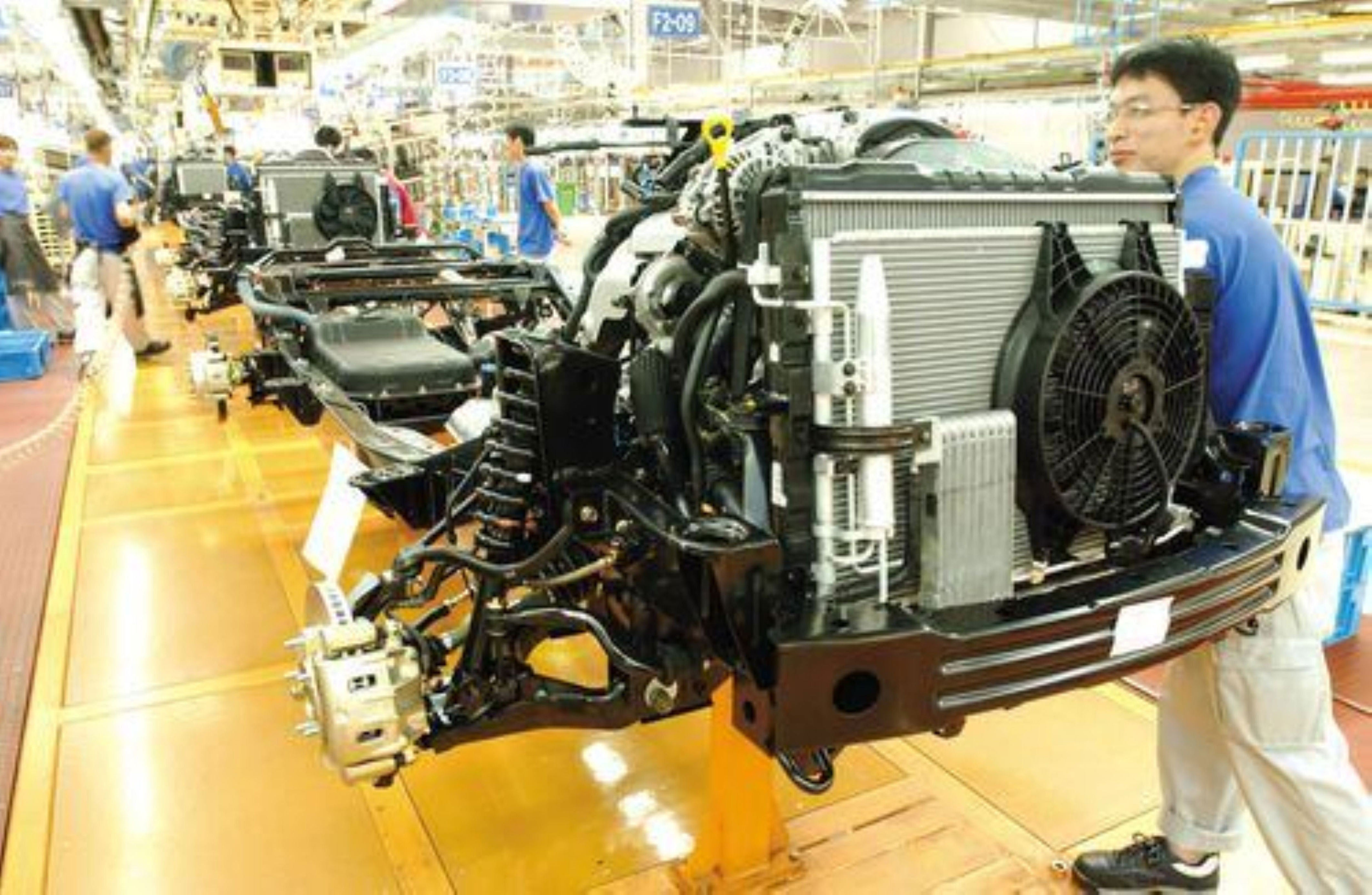
We focused on implementing modular design within our vehicles. At that time, development of cockpit units, front-end components, and suspension systems started gaining momentum. Although modularization first emerged from German firms, Hyundai Motor Company swiftly embraced this method. The main objective behind modularization was to cut costs. In order for Hyundai to evolve into an international company, it required both high-quality standards and significant pricing strength. Therefore, modularization was strongly promoted as part of the strategy led by Chairman Chung.

―What came after modularization?

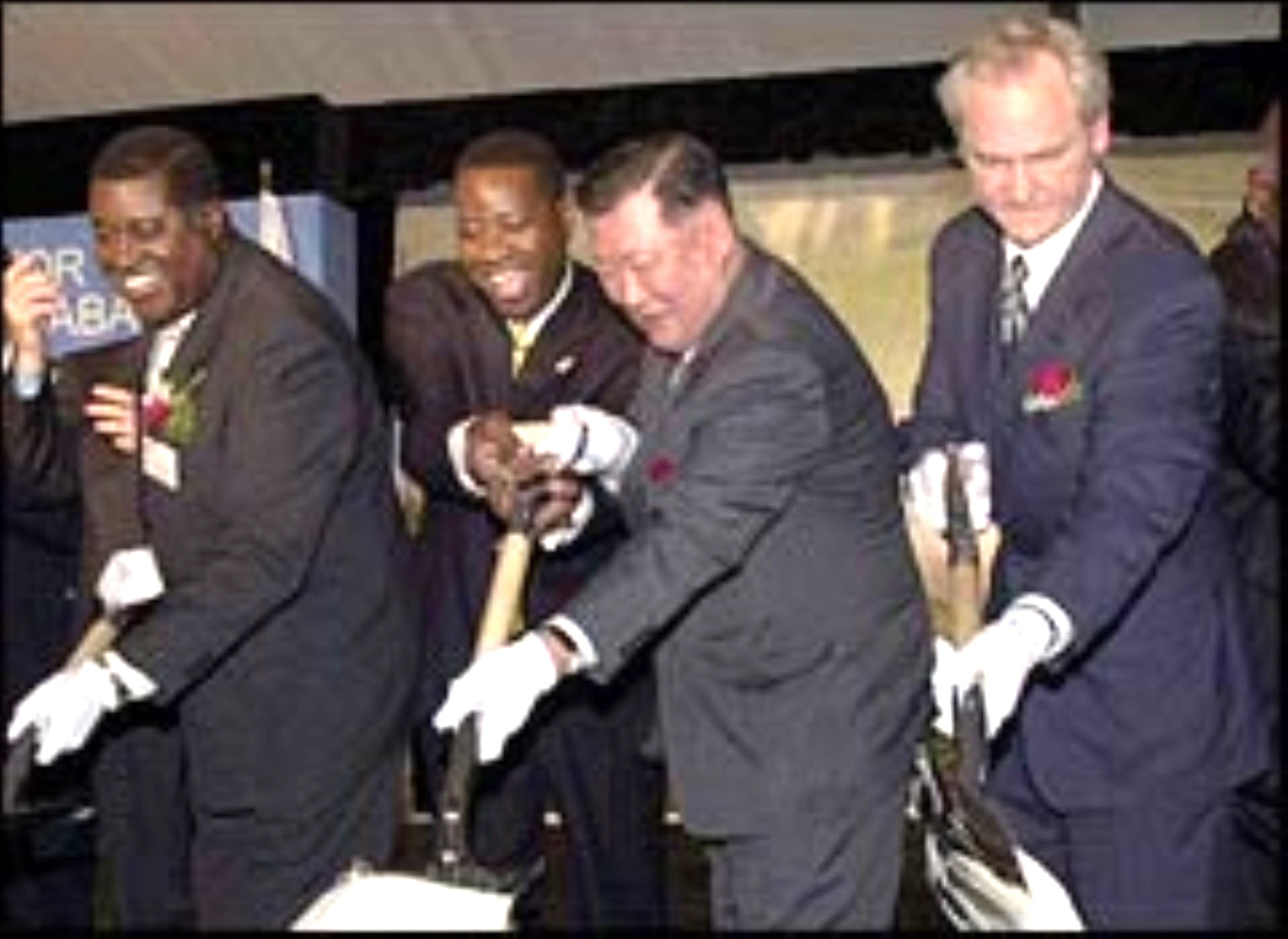
The establishment of a local factory in the U.S. market—specifically the Alabama facility. Nevertheless, this represented a significant risk. The U.S. market was extremely competitive, with car manufacturers from around the world competing intensely for control.

It seemed logical to begin with markets that had lower competition. Nevertheless, Chairman Chung opted for an assertive method: directly entering the U.S. marketplace. Even though several executives raised doubts, he remained determined to establish a local factory. Back then, some worried that such a bold tactic could result in the firm's downfall. Many senior officials disagreed with the proposal. Nonetheless, constructing the plant in Alabama was a deliberate business move made by Chairman Chung. In the end, his choice turned out to be right. Now, it is commonly seen as a key element behind Hyundai's expansion into a worldwide corporation."

- What was his next area of concentration? - What did he turn his attention to afterward? - What became his new focus? - What was his subsequent emphasis? - What did he concentrate on after that?

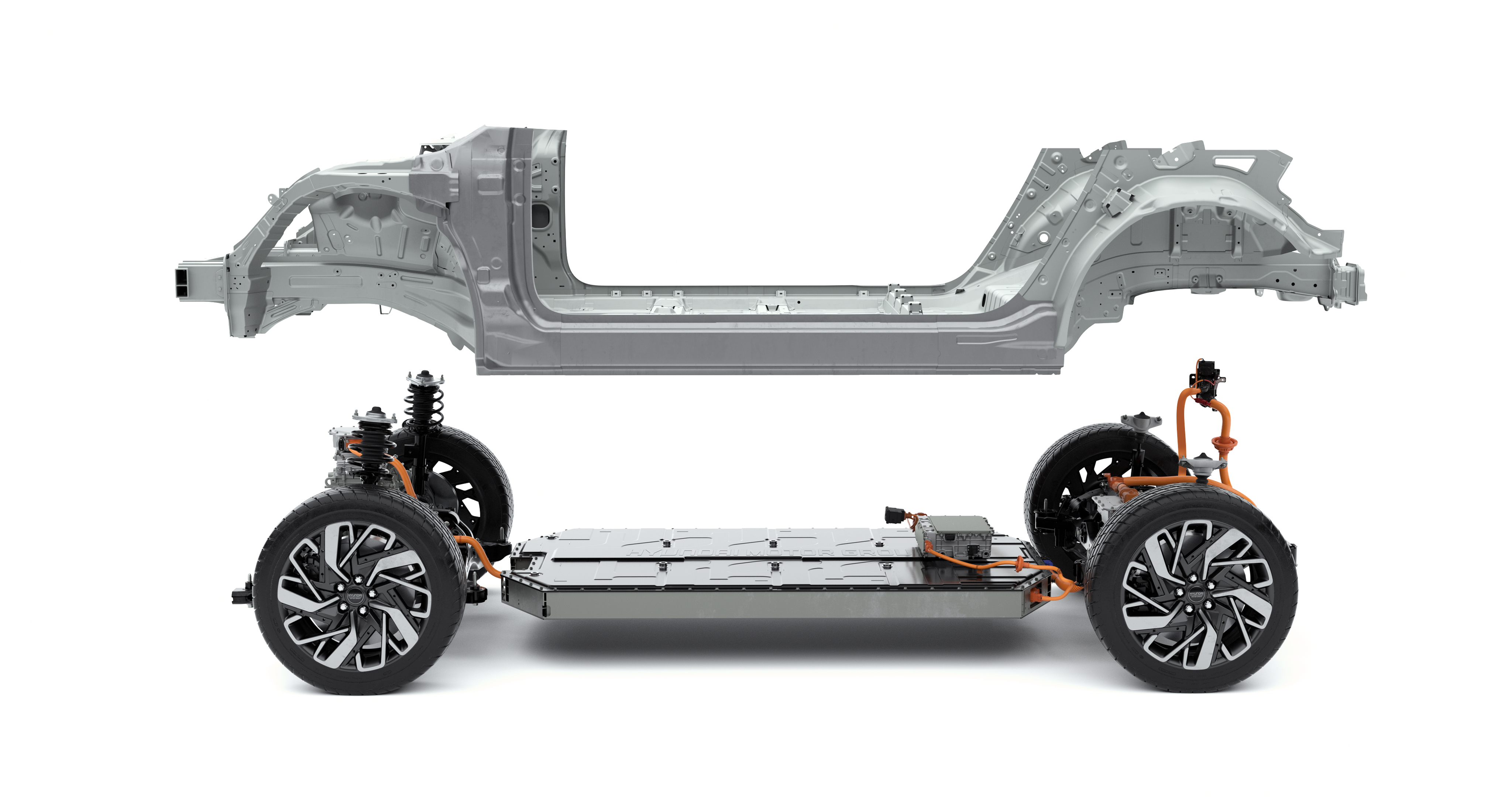
We initiated work on automotive platforms. A platform signifies the core framework of a vehicle. In order to create high-performing automobiles, advanced platforms needed to be developed first. The process of building these platforms commenced approximately between 2003 and 2004. At that time, Chairman Chung visited the Research and Development Headquarters every week to monitor advancements and motivate the team.

The head of platform development was Director Lee Eon-gu. Each time Chairman Chung came to the R&D facility, he held meetings with Lee to encourage him. In the end, the platform development proved successful. Consequently, Hyundai vehicles started being appreciated not only for their cost-effectiveness but also for their quality, matching up against any major car manufacturer worldwide.

―What followed platform development?

Following early achievements via effective management practices, the U.S. facility, modular design, and platform advancements, Chairman Chung shifted his focus toward labor matters—the weak point of Hyundai. Around 2005, he began addressing these workforce-related problems. The initial move involved launching comprehensive training initiatives for every employee. The tailored textbooks and educational strategies discussed previously were developed as part of this effort.

- How might you describe Chairman Chung's approach to selecting and concentrating efforts? - In what way can you encapsulate Chairman Chung's method for choosing and prioritizing? - Could you provide an overview of Chairman Chung's plan regarding selection and emphasis? - What is your interpretation of Chairman Chung's strategy related to choice and concentration?

Chairman Chung didn’t only introduce an ambitious plan; he carefully carried out tactics to bring it to life. The way things were done wasn’t random but came from detailed planning. He recognized the obstacles that had to be overcome to reach the goal, figured out how they connected, and tackled them in a planned order. Throughout every phase, he focused the firm's efforts on one main objective.

- In what way did Chairman Chung implement these tactics? - Could you explain how Chairman Chung executed these plans? - What was the method used by Chairman Chung to handle these strategies? - How did Chairman Chung go about managing these approaches? - Can you detail the process through which Chairman Chung managed these strategies?

He stood at the heart of all major innovations. He assigned leaders to each project, inspired them, held regular meetings, tracked development, and created resolutions—everything done directly under his supervision. For instance, during the building of the Alabama facility, the local U.S. manager provided updates daily, with top executives frequently called into the chairman’s office to review tactics and responses. Chairman Chung would work late into the night and then share his proposed solutions.

—Do other businesses also implement managerial changes in this manner?

No. It is unusual for a CEO to be actively involved at the frontline, whether in South Korea or elsewhere. For example, Lee Kun-hee of Samsung was said to have entrusted key innovations to his executives. Abroad, senior leaders typically do not adopt such an active role. Implementing strategic innovations step-by-step—addressing one issue after another—is also rare.

Chairman Chung implemented this strategy since Hyundai did not have the ability to engage in several innovations at once during that period. His process of choosing priorities enabled the company to effectively address its major obstacles.

Thursday, June 18, 2026

Exclusive: Sam Altman Unveils AI Vision at Samsung

Sam Altman, the head of OpenAI, traveled to South Korea and engaged in talks about artificial intelligence-driven workplace advancements with Samsung Electronics.

On the 11th, Samsung Electronics disclosed internally that it plans to host the 'DX Insight Talk' event with Sam Altman, CEO of OpenAI, at the Samsung Electronics Suwon Campus on the morning of the following 15th. Earlier, on the 9th, Samsung Group revealed its decision to expand the use of AX—an application integrating external generative AI tools like ChatGPT, Gemini, and Claude—which had previously been limited in scope—to all operational areas. The DX (products) department, responsible for producing mobile phones and household appliances, is leading this initiative on a wide scale, which led to bringing in Sam Altman.

In an internal communication, Samsung Electronics mentioned, "The integration of external generative AI services into the company marks a fresh milestone in the extensive application and expansion of AI across our operations." The statement also noted, "As we navigate through yet another significant shift in our working methods, OpenAI’s CEO Sam Altman is joining us right from the start of this initiative." Earlier, Samsung Electronics avoided utilizing outside generative AI because of safety issues. But in order to advance wider AI-powered transformations, they have now welcomed external AI solutions.

Samsung Electronics' DX division will permit employees to access all three enterprise AI models — ChatGPT, Gemini Enterprise, and Claude — within the organization beginning on the 12th. Staff members will have the ability to employ all three as required. Additionally, the firm plans to keep using 'Gauss AI,' an internally created system. Samsung Electronics stated, "As Gauss possesses capabilities tailored for internal operations, we intend to implement it alongside other solutions."

Samsung Electronics seeks to boost workplace efficiency, introduce new working approaches, quicken decision processes, and refine general company performance via this effort. Roh Tae-Moon, president at Samsung Electronics responsible for the Digital Transformation division, mentioned, "Implementing outside generative AI represents the initial step toward significantly changing our way of operating and increasing our pace of implementation." He further noted, "In addition to improving personal output, we plan to strengthen operational effectiveness throughout the whole organization, thus taking the competitive edge of the DX department to a higher stage."