Technology and philosophy

Showing posts with label healthcare and medicine. Show all posts

Saturday, July 11, 2026

Why Hospital Libraries Matter: Aga Khan University Launches Cutting-Edge Research Hub

Dar es Salaam. With diseases growing increasingly complicated and medical knowledge advancing faster than ever before, health professionals state that hospitals can no longer depend only on advanced technology and specialized physicians to provide high-quality treatment. Availability of current scientific research has now emerged as just as essential a component of healthcare.

Amidst this setting, the Aga Khan University (AKU) has introduced an advanced research library at the Aga Khan Hospital in Dar es Salaam, an initiative anticipated to enhance clinical judgment, medical studies, and ongoing professional development for health professionals.

In contrast to traditional university libraries, the newly built space is located inside the hospital, enabling physicians, nursing staff, experts, trainees, and also patients to obtain medical and learning materials without needing to exit the healthcare setting.

During the event held on July 1, 2026, Professor Paschal Ruggajo, Head of AKU Medical College, stated that the library was created to connect education, research, and medical treatment.

"Esta biblioteca única fue creada dentro del entorno de la clínica para garantizar que los médicos, estudiantes y hasta los pacientes tengan acceso fácil a información y oportunidades para el aprendizaje continuo", dijo él.

He mentioned that the library contains a variety of medical textbooks addressing undergraduate, specialized, and highly specialized education, along with research materials and non-medical books to meet wider educational requirements.

"we think high-quality education, research, and top-notch medical care are closely connected. To keep enhancing health services, we need to maintain our support for learning," said Professor Ruggajo.

He stated that the majority of specialty trainees dedicate a significant portion of their time to seeing patients in hospital wards.

"Having the library inside the hospital allows a physician to step away from the ward, access up-to-date medical resources, examine research findings, and come back to the patient with more knowledge. This enhances the standard of treatment," he stated.

The facility was formally opened by Dr Sulaiman Shahabuddin, president of Aga Khan University, highlighting the organization's dedication to combining educational initiatives with medical services.

Around the world, medical systems are progressively adopting evidence-based medicine, wherein clinical choices are guided by recent scientific findings instead of just standard procedures.

As per the World Health Organization (WHO), ongoing professional growth plays a crucial role in ensuring an effective healthcare team and attaining Comprehensive Healthcare Access (UHC).

The group highlights that medical professionals need continuous access to current information since illnesses, tools, and therapeutic standards keep evolving.

In addition to healthcare professionals, AKU states that the new library will also assist patients and their relatives by offering informative resources that can enhance their comprehension of illnesses, available treatments, and ways to maintain a healthy life.

The head librarian of AKU in Tanzania, Dr. Jacqueline Kiwelu, stated that the organization once managed a significantly smaller library which was no longer sufficient for its expanding number of students.

"Previously, the library had insufficient space, which made it challenging for students to study in comfort. The new building offers expanded reading spaces, meeting rooms, and improved educational materials for students studying medicine, nursing, and midwifery," she stated.

She mentioned that specific areas have been set up for personal study along with sessions for group conversations to encourage teamwork in education.

The significance of these resources is growing clearer as Tanzania develops specialized health care offerings and focuses on educating additional medical personnel.

As referral hospitals deal with an increasing number of patients facing cancer, heart disease, diabetes, and other complicated illnesses, medical professionals must constantly refresh their expertise to stay aligned with worldwide developments.

Professionals emphasize that although funding for advanced diagnostic tools and hospital facilities continues to be crucial, having access to reliable scientific data is what allows medical practitioners to utilize these technologies efficiently.

From the perspective of patients, the influence of a hospital library might not always be obvious. However, beneath each precise diagnosis, well-chosen treatment strategy, and effective medical operation typically stands a healthcare professional who can quickly obtain up-to-date medical information.

By making information more accessible at the point of care, the Aga Khan University library aims to enhance both learning and research, as well as improve the standard of medical services provided to people in Tanzania.

Supplied by SyndiGate Media Inc. ( Syndigate.info ).

Friday, July 10, 2026

Empowering Health Leaders: How Rwanda’s Cebe Project Is Revamping the Nation’s Healthcare System

Many individuals in Rwanda who live with disabilities find that access to assistive devices makes all the difference between relying on others and being self-sufficient, as well as between feeling alone and having chances for growth. These transformative solutions are supported by an increasing number of trained healthcare workers committed to assisting people in recovering movement, respect, and self-assurance.

Among them is Jackline Mupenzi Gatsinzi, whose professional journey has been driven by a dedication to enhancing the quality of life for individuals with disabilities.

Her path started in 2014 when she joined an Advanced Diploma program in Prosthetics and Orthotics at the University of Rwanda, motivated by a wish to support individuals in overcoming physical challenges using assistive devices. This chance was made possible by the East African Regional Center of Excellence in Biomedical Engineering and e-Health (CEBE) funded by the African Development Bank, allowing her to move from a bachelor’s degree to a master’s level. This experience improved Gatsinzi's technical abilities, expanded her knowledge, and increased her capacity to aid those relying on assistive technologies.

Following her graduation in 2017, Gatsinzi began working at the University of Rwanda as a clinical teacher within the Prosthetics and Orthotics Division, playing a role in delivering rehabilitative care and educating upcoming professionals.

This chance went beyond enhancing my academic journey; it broadened my knowledge, improved my abilities, and strengthened my dedication to supporting individuals with disabilities. Gatsinzi stated, "I now possess the resources necessary to create a more significant influence, enhancing people's lives and supporting the health and vitality of our neighborhoods."

While working with patients, Gatsinzi witnessed directly how well-designed prosthetic and orthotic equipment can change people's lives. People who had lost their ability to move found new freedom. Kids could go to school more conveniently. Adults went back to their jobs and active participation in society. However, she also realized the necessity of having more professionals to handle the increasing need for high-quality rehabilitation support.

Currently, Jackline works as a licensed prosthetist and orthotist, along with being an assistant lecturer and head of the department at the College of Medicine and Health Sciences within the University of Rwanda. She develops approaches that enhance movement and daily function for individuals living with disabilities, while also guiding and educating upcoming experts in the field. Her contributions have effects that go well beyond personal patients, influencing families, entire communities, and tomorrow’s medical practitioners.

Her narrative symbolizes a larger shift occurring within Rwanda’s healthcare system. By offering specialized education and skill-building programs, CEBE has cultivated almost 200 proficient graduates in biomedical engineering, e-health, and associated disciplines, with over 400 healthcare workers gaining hands-on experience in managing medical devices and digital health technologies. These individuals are supporting hospitals and clinics in maintaining essential medical tools, enhancing service efficiency, and ensuring that patients get prompt, high-quality treatment.

According to Peter Malinga, chief social economist at the Bank's office in Rwanda And the CEBE project task manager, the project's influence extends far beyond just training people.

CEBE is supporting the development of a new wave of well-trained biomedical engineers and digital health experts who are enhancing medical care throughout Rwanda and the surrounding area. Above all, it is establishing sustainable solutions that will elevate the standard of healthcare provided to local populations.

For Jackline, the initiative goes beyond career growth. It signifies a commitment to individuals—those who receive support and those dedicated to providing it.

"By means of initiatives such as the Centre of Excellence, the African Development Bank is cultivating a new group of experts prepared to address our continent's issues through creativity, empathy, and strength," she stated.

© 2026 African Development Bank. All rights reserved. Published by AllAfrica Global Media (Ants).

Tagged: Economy, Business and Finance, Rwanda, Health and Medicine, Innovation, ICT and Telecom, Central Africa, East Africa

Supplied by SyndiGate Media Inc. ( Syndigate.info ).
Sunday, June 28, 2026

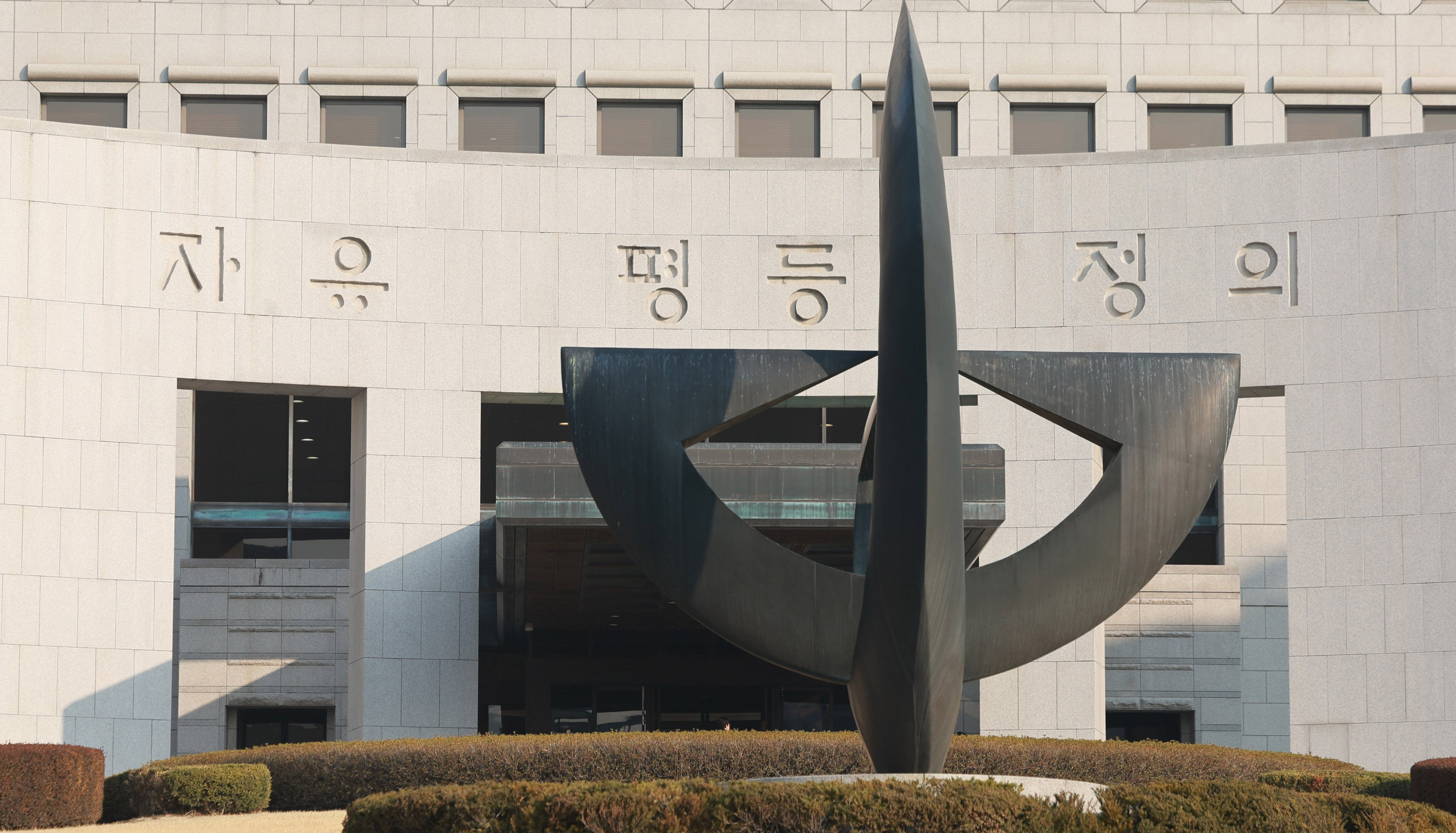
Supreme Court: Cosmetic Tattoos Not Considered Unlicensed Medical Practice

The highest judicial authority has decided that individuals without medical training cannot face penalties for conducting aesthetic tattooing services like eyeliner and forehead line tattoos. This represents the initial instance where the court implemented its updated ruling, set by the Supreme Court as a whole body just last month following 34 years of previous guidelines, stating, "Aesthetic tattoo procedures carried out by those without medical qualifications do not qualify as unauthorized medical activity."

The Third Division of the Supreme Court (presided over by Justice No Kyung-pil) concluded the case of aesthetician A, resulting in an acquittal for alleged violations of the Health Crime Control Act as an unlicensed medical professional on the 11th.

Person A faced charges for conducting semi-permanent eyebrow and hairline tattoos on 14 customers between March and June 2019 at a beauty clinic located in Cheongju, North Chungcheong Province, earning more than two million South Korean won. The prosecutors claimed that tattooing, which includes puncturing the skin using needles to insert color, qualifies as a medical procedure under the Medical Services Act, asserting that A, who lacks medical qualifications, performed unauthorized medical activities.

Nevertheless, both the initial and subsequent trials found A. Not guilty. In the first trial held in 2022, it was determined that the phrase "medical act" within the Medical Services Act should be understood narrowly, referring exclusively to activities connected with illness prevention, identification, therapy, or comparable functions. The court decided that eyebrows and hairline tattooing have no connection to treatment and can be carried out by individuals without medical qualifications provided they receive appropriate instruction and maintain proper sanitation standards, therefore not falling under the category of medical acts. The second trial confirmed the verdict of innocence.

Last month on the 21st, the full bench of the Supreme Court updated its previous ruling, noting, "Although tattooing may sometimes be done by healthcare practitioners, it is usually conducted by individuals without medical training. Standard cosmetic tattoo services provided by those without medical licenses do not qualify as practicing medicine without authorization." This represented the initial modification in legal guidance after 34 years.

After the en banc ruling, the Supreme Court rejected the prosecutor's appeal and concluded with A's innocence. The court remarked, "The lower court's verdict stating that the tattooing process was not considered a medical procedure and therefore led to A's acquittal is justified."

Wednesday, June 24, 2026

Mainichi Quiz: Why Are Companies Ditching Document Checks for One-on-One Chats?

How well have you been keeping up with developments in Japan? Take the Mainichi News Quiz from June 11 to assess your understanding of current events. Are you ready?

What prompted Rohto Pharmaceutical Co. to switch from document review to face-to-face conversations when recruiting new graduates?

A) Due to an increase in application submissions generated using generative AI, assessing students' uniqueness has become more challenging.

B) Due to the company's desire to lower travel expenses by decreasing virtual interviews and consolidating hiring processes in Osaka

C) Due to requests from universities, the company was instructed to cease using academic transcripts and instead focus solely on employee recommendations.

D) Due to a lack of personnel in regional offices, the final interview arrangements were postponed.

Click this link for the solution

Friday, June 12, 2026

NHIA Pushes for Health Insurance on Driver Licenses and Vehicle Records to Boost Crash Victim Care

CHIDI UGWU

The head of the National Health Insurance Authority (NHIA), Dr. Kelechi Ohiri, has suggested an alliance with the Federal Road Safety Corps (FRSC) designed to enhance urgent medical care for individuals involved in road accidents by incorporating health insurance details into driver's license and car registration procedures.

During a formal visit to the Corps Marshal of FRSC, Shehu Mohammed, Dr. Ohiri suggested the initiative, highlighting that the partnership would enable quick determination of the health insurance details of accident victims and remove the administrative delays typically linked with obtaining urgent medical care.

As stated in a document authored by Osondu Ohaeri, the Deputy Corps Commander, Ohiri, who serves as the Corps Public Education Officer, mentioned that this program aims to guarantee that those affected get immediate medical care without facing monetary barriers during their rescue and treatment.

In response, the Corps Marshal expressed approval of the suggestion and praised President Bola Ahmed Tinubu for naming Dr. Ohiri as Director-General of NHIA, referring to him as "a perfect fit for the role."

He pointed out that the FRSC, serving as the primary authority for traffic control and road safety regulation in Nigeria, continues to support programs aimed at improving the security and well-being of all road users throughout the nation.

The Chief of Staff stated that every FRSC clinic across the country is recognized as a certified medical facility and mentioned that the creation of FRSC Health Maintenance Limited aimed at incorporating the whole road transportation system into cost-effective health insurance.

He stated that the initiative focuses on transportation companies, drivers, and individuals belonging to road transport unions, with an estimated total number exceeding 10 million across the country.

He also mentioned that FRSC maintains a registry containing over 12 million licensed drivers and is open to collaborating with NHIA so that enrolling in health insurance becomes part of obtaining or renewing a driver's license. This partnership, according to him, would ensure better safety, increased availability of emergency medical services, and timely assistance for accident victims regardless of their economic situation during the rescue.

The Chief of Staff also conveyed the Corps' willingness to collaborate with NHIA in integrating National Health Insurance information into passenger lists and other transportation documents, aiming to enhance emergency response systems and improve medical services within the road transport industry.

Emphasizing FRSC's long-term dedication to post-accident assistance, the Corps Marshal pointed out that the organization was the pioneer in Nigeria to create an specialized ambulance system along with emergency medical stations positioned at high-risk accident areas throughout the nation, reinforcing its devotion to protecting lives on Nigerian highways.

Supplied by SyndiGate Media Inc. ( Syndigate.info ).

UBTH CMD Engages NNPC in Partnership Talks

The Head of Medicine at the University of Benin Teaching Hospital (UBTH), Professor Idia Ize-Iyamu, visited the Nigerian National Petroleum Company’s Exploration and Production division in Benin City, Edo State, on Tuesday, to explore possible partnerships.

While visiting, Professor Ize-Iyamu highlighted UBTH's dependability in delivering prompt, specialized, and patient-focused care to business entities and their staff.

The CMD also highlighted the hospital's major accomplishments and progress throughout the years, suggesting joint initiatives between UBTH and NNPC regarding the provision of high-quality medical services.

Mr. Tosin Olakiigbe, Executive Director of Business Services at NNPC (E & P), thanked them for the visit and acknowledged UBTH's active effort in promoting medical collaborations.

The trip underscores UBTH's commitment to collaborating with important business partners to improve affordable, effective, and top-notch medical care in the South-South area.

Supplied by SyndiGate Media Inc. ( Syndigate.info ).