Technology and philosophy

Showing posts with label finance news. Show all posts

Tuesday, June 23, 2026

Bank Stocks Outshine Securities in Rising Rate Environment

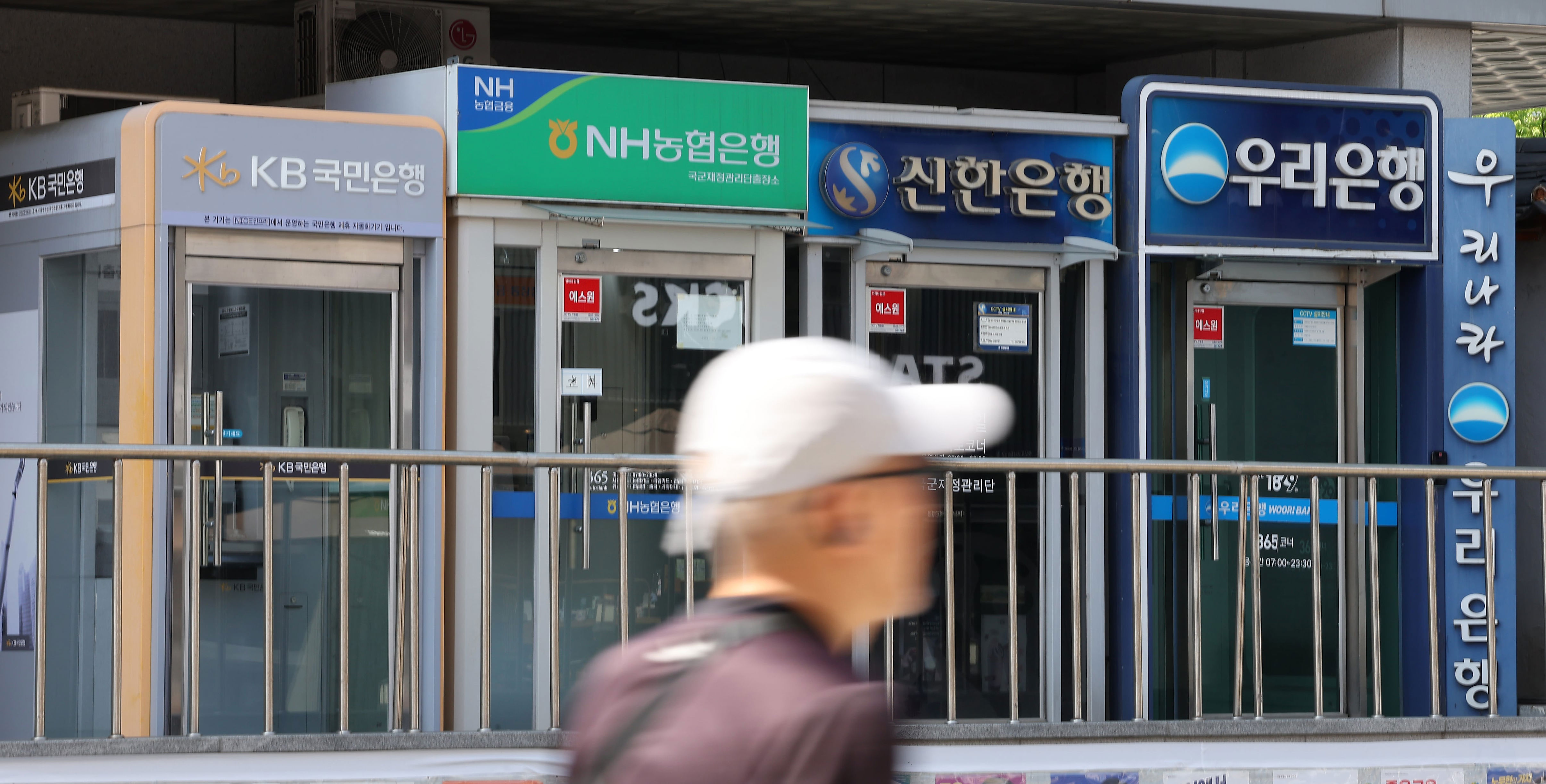
With renewed worries about worldwide increases in interest rates, banking shares—which were previously ignored—are now attracting focus as safe-haven investments. Although market declines driven by semiconductors and higher long-term interest rates have hurt stock markets, bank stocks remain more stable under assumptions of potential gains from elevated interest rates.

◇Different performance of banking and stock market shares in June

As reported by the Korea Exchange, the KRX Bank Index increased by 3.18% this month, standing in stark contrast to the KOSPI's drop of 8.79%. Out of the 27 sector indexes monitored by KRX, just five—namely banking, consumer discretionary, insurance, financial services, and broadcast and communication sectors—gained value this month. This underscores the more resilient defense offered by bank stocks amid the market downturn.

Although the KOSPI declined by more than 4% and major semiconductor companies lost over 5% on the 10th, banking sector shares remained fairly stable. KB Financial Group decreased only 0.52%, while Hana Financial Group slipped 0.92%. Kbank and Jeju Bank rose by 4.3% and 14.6%, respectively.

On the contrary, the KRX Securities Index decreased by 8.6% during this month. Experts believe this is due to reduced growth in trade volumes as part of the KOSPI adjustment, along with investors cashing in their gains. Specifically, the average daily trading volume on the KOSPI dropped by around 200,000 shares, and the total transaction value fell by 3 trillion South Korean won from the previous month.

◇Rising interest rates: Benefit for banks, challenge for bonds

Market participants credit the differing performances of banking and securities sector stocks to current pressure from interest rates. Higher rates usually enhance expectations for banks' net interest margins (NIM), whereas securities companies encounter worries about potential losses in bond valuations and declining investor confidence.

Global monetary policy conditions continue to be beneficial for banking institutions. Ongoing worries about rising prices have led to renewed hopes for further increases in interest rates, mainly in the United States. On the 10th, the U.S. May Consumer Price Index (CPI) was reported to have increased by 4.2% compared to the previous year—its highest level in three years. This data reinforced beliefs that the Federal Open Market Committee (FOMC) meetings scheduled from the 16th to the 17th would keep interest rates unchanged instead of reducing them. David Kelly, head of global strategy at JP Morgan Asset Management, commented, "The Fed will still feel uneasy about inflation but probably won’t alter its approach. It’s highly likely that the FOMC will agree to maintain current rates during their upcoming session."

Ko Yeon-su, a researcher from Hana Securities, stated, "Due to expectations of two key rate increases during the latter part of the year, increasing interest rates have put pressure on stock markets." Heo Jae-hwan, leader of the global macro team at Eugene Investment & Securities, remarked, "During times when interest rates rise sharply, insurance companies perform better than banks, which in turn do better than securities firms."

◇Investment banks draw attention despite market fluctuations

Experts anticipate that the protective nature of banking sector shares will remain strong. In combination with ongoing high-interest rates, reduced anticipation of penalties associated with Hong Kong H-index equity-linked notes (ELS), and growing investor interest in consistent dividend returns amidst increased market instability are bolstering bank stocks. Their reliable income streams and dividends render them appealing choices during periods of financial uncertainty or when interest rates rise.

Na Min-wook, a researcher from DB Securities, stated, "Bank shares offer security amid uncertain times. We continue to favor bank stocks due to their solid defensive qualities, considering ongoing global challenges such as the U.S.-Iran conflict."

Nevertheless, the increasing value of the U.S. dollar presents a potential threat. The won has surpassed the 1,560 South Korean won level relative to the dollar for the first time in 17 years, prompting worries regarding financial institutions' capital sufficiency. Sustained elevated exchange rates might marginally lower main banks' Common Equity Tier 1 ratios, an essential indicator of fundamental capital.

KOSPI Rises as Housing Demand Spikes 9.3 Trillion Won in Household Loans

A rise in interest in stock investments and more home sales occurred simultaneously, resulting in an increase of over 9 trillion South Korean won in household loans during the previous month. Financial regulators have implemented actions such as lowering credit loan caps for those with higher incomes and reviewing banks' adherence to residential lending contracts.

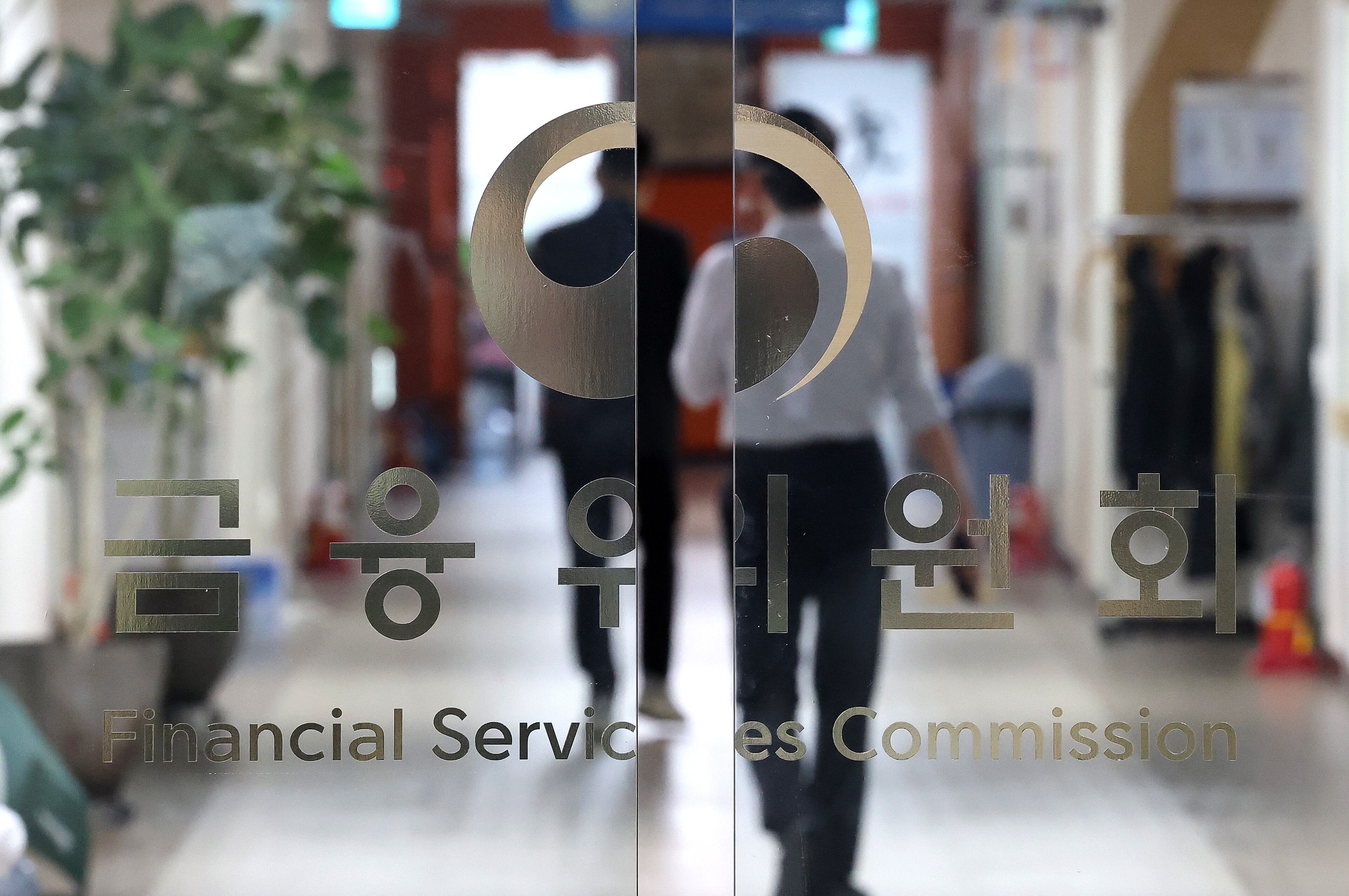
On the 11th, the Financial Services Commission stated in its *‘May Household Loan Trends’* report that total household loans from all financial institutions rose by 9.3 trillion South Korean won during the previous month. This represents about 2.7 times the growth seen in April (3.5 trillion South Korean won) and far surpasses the rise of 5.9 trillion South Korean won observed in May of the prior year.

With a notable surge in the KOSPI lately, credit loans were responsible for the growth in borrowings. Other types of loans, such as credit loans, experienced a dramatic shift—from a decline of 2 trillion South Korean won in April to an increase of 5.3 trillion South Korean won in May. Particularly, loans under bank-sector negative accounts grew substantially, moving from a drop of 600 billion South Korean won in April to a gain of 2.6 trillion South Korean won in May. Increased consumer spending during Family Month also played a role.

Residential mortgage loans rose by 4 trillion South Korean won, continuing at a high level after an increase of 5.5 trillion South Korean won in the prior month. Nevertheless, due to higher apartment sales in the metropolitan area and broader implementation of approved bulk loan programs, the growth rate of residential mortgage loans saw a slight decline from the previous month. Shin Jin-chang, Director of the Office at the Financial Supervisory Service, said, "It is possible that residential mortgage loans could grow once more as property listings get absorbed following the end of the deferral period for the supplementary capital gain tax on multi-homeowners."

Authorities have introduced an emergency management framework, which involves holding weekly gatherings with financial organizations that haven't met goals related to managing consumer debt. Significantly, the banking industry intends to cut new loan caps for individuals with higher incomes and promote early repayment of credits by waiving charges associated with repaying loans before their scheduled term. The Financial Regulatory Agency will carry out ongoing audits to confirm that banks follow previous agreements they've reached with borrowers when issuing loans, such as promises to sell existing homes, restrictions on buying more properties, and relocation requirements.

Saturday, June 13, 2026

HabariPay Unveils First "Impact Report 2025," Tracing Its Digital Payments Journey

HabariPay Limited, the financial technology branch of Guaranty Trust Holding Company Plc ( “GTCO” or the “Group” ), has revealed its first-ever HabariPay Impact Report 2025 offering investors a detailed overview of the company's development, path of innovation, financial outcomes, and influence within the digital payment sector.

The document outlines HabariPay's evolution from an emerging fintech startup to one of Nigeria's top payment system operators, emphasizing key achievements, tactical choices, and funding that influenced its development. It demonstrates the firm's role in promoting online trade, assisting enterprises, enhancing payment systems, and increasing financial inclusion via tech-based approaches.

The 2025 HabariPay Impact Report also emphasizes the firm's solid financial and operational achievements, expansion of the Squad platform, and progress in building the infrastructure supporting payment processing, transaction routing, fund transfers, merchant offerings, and additional service enhancements. The report additionally examines how innovation, workforce training, and collaborations within the broader ecosystem contribute to the company's accomplishments.

Commenting on the release of the report, the Managing Director of HabariPay, Eduofon Japhet, stated: "Being a tech-focused organization, we feel that influence goes further than just monetary outcomes. It shows through the enterprises we empower, the vendors we assist, the systems we develop, and the prospects we offer to upcoming creators. The HabariPay Impact Report 2025 outlines this path and highlights our dedication to generating long-lasting benefits for clients, collaborators, and the larger economic landscape."

She also stated: "The HabariPay Impact Report 2025 goes beyond showcasing our accomplishments; it serves as proof of the intentional efforts we've invested in developing lasting payment systems, supporting enterprises, encouraging creativity, and generating enduring benefits for our partners. Moving forward, we continue to focus on enhancing our skills, increasing our influence, and defining the next era of digital transactions with tech-based approaches that are safe, adaptable, and accessible."

The publication further highlights HabariPay's commitment to innovation via programs like the Take on Squad Hackathon and the Squad Hackademy, which are instrumental in nurturing upcoming tech professionals and speeding up the development of effective answers to everyday problems.

In the coming years, the report details HabariPay's aspirations for what lies ahead, encompassing ongoing support for payment systems, tools for merchants, advancements in digital technology, and smart innovations set to influence the evolution of banking services.

To view the HabariPay Impact Report 2025, kindly go to https://squadco.com/impact-report/

About HabariPay

HabariPay Limited operates as the financial technology arm of Guaranty Trust Holding Company Plc (GTCO), which stands among the leading financial service providers in Africa. The company has both direct and indirect investment interests in a range of operational businesses spread across ten African nations and the United Kingdom.

Authorized by the Central Bank of Nigeria (CBN), we aim to assist small and medium enterprises, micro traders, big companies, and other fintech startups (Tech Stars) with the resources required for success within a changing digital landscape and to grow past their present customer base. HabariPay offers several services such as Squad, a comprehensive digital payment system designed to simplify both physical and online transactions, HabariPay Storefront, an e-commerce platform allowing customers to shop online easily, Value-Added Services enabling business owners to obtain affordable and adaptable mobile top-up and internet packages, along with a switch infrastructure helping technology-driven firms reduce expenses and improve transaction efficiency.

The efforts of HabariPay in promoting digital adoption across Africa have been recognized—Mastercard honored it with the Innovative Mobile Payment Solution Award at TIA 2022 for its groundbreaking platform, SquadPOS.

About Squad

Squad offers an all-in-one digital payment system that is dependable, safe, and cost-effective, streamlining both face-to-face and online transactions.

Numerous vendors presently utilize Squad's financial services for their everyday commercial activities. The present range of products and services provided by Squad consists of SquadPOS, Squad Payment Links, Squad Virtual Accounts, USSD, and an E-Commerce Storefront.

Supplied by SyndiGate Media Inc. ( Syndigate.info ).