A food deliverer spends 14 hours each day striving to fulfill goals set by an automated system. A production line employee silently withstands constant tension and mistreatment. An older manager suppresses suicidal ideas caused by overwhelming work-related stress.
These are not individual cases. They represent signs of a more profound issue, which frequently remains hidden, unacknowledged, and undervalued: the effect of psychosocial risks on employees.
The effects of physically demanding occupational risks like lifting heavy objects or performing tasks at elevated levels are widely acknowledged and comprehended. Psychological risk factors remain unseen yet equally hazardous. Extended work periods, pressure within the workplace, incidents of aggression and discrimination, minimal wages, and absence of employment stability—among others—can significantly affect employees' overall physical and psychological wellbeing.
A recent global study from the International Labour Organization (ILO), titled "The Psychosocial Working Environment: Global Trends and Routes for Action," emphasizes the extent of the issue.
It shows that job-related psychological and social factors contribute to over 840,000 fatalities every year because of related heart conditions and mental health issues, resulting in almost 45 million disability-adjusted life years (DALYs) lost yearly.
|
|
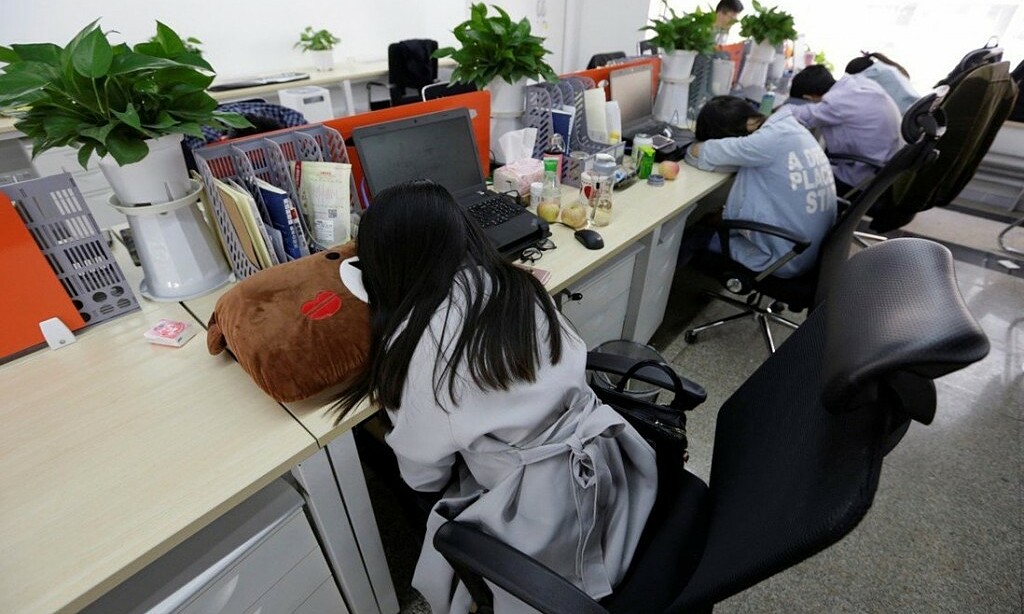
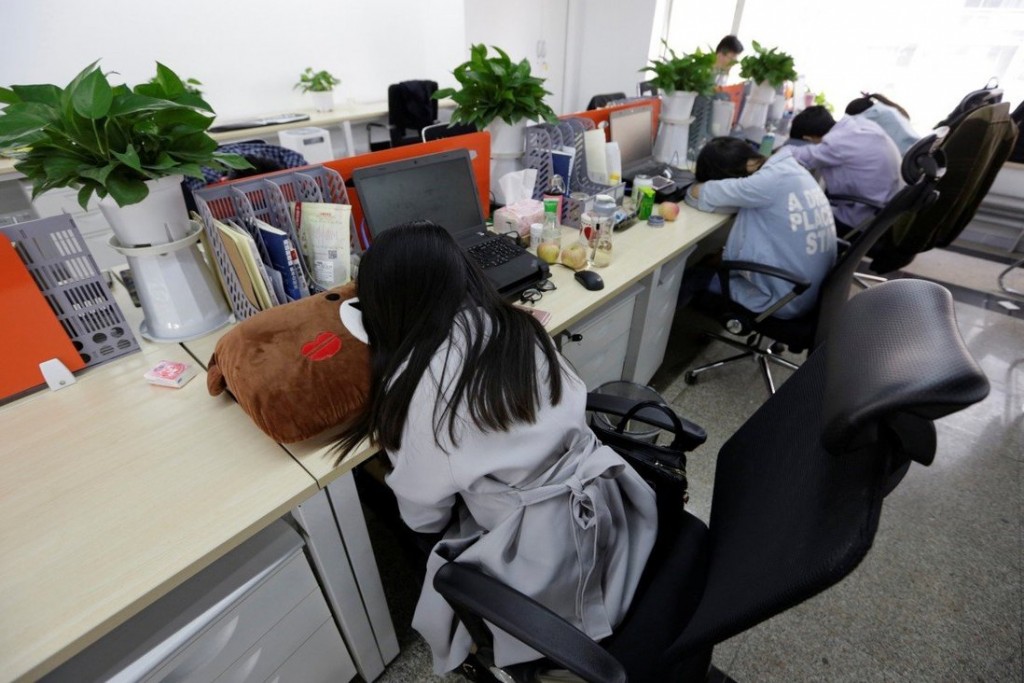
A Chinese office employee naps at his workstation. Image courtesy of Reuters |
Extended work schedules are identified as a major psychosocial hazard linked to a greater likelihood of developing heart disease and strokes. Within Asia and the Pacific, this issue is particularly severe, as almost half of employees in the area put in over 48 hours each week—far exceeding levels seen elsewhere globally.
The document also acknowledges the effects of evolving labor markets on the psychological and social aspects of the workplace. The rise of digital technology and the application of artificial intelligence are altering the way duties are managed, tracked, and evaluated. Emerging types of jobs, such as those facilitated through online platforms, different kinds of contracts, and an increase in telecommuting and blended work models, are reshaping oversight, standards, and hours worked. Although these changes could offer chances to enhance the psychosocial conditions at work, they might simultaneously heighten related risks.
The actual scale of the issue is still not completely clear. Information continues to be scattered, and numerous nations do not have reliable frameworks for recognizing psychosocial dangers and managing associated risks.
Discrimination still prevents employees from voicing their concerns. This quietness represents one of the main challenges we encounter. Numerous individuals worry about the adverse effects on their professional lives when discussing issues like pressure, exhaustion, nervousness, or sadness in the workplace. Consequently, these issues stay concealed until they escalate into major incidents.
However, there is also cause for careful hope. Authorities, companies, and employees throughout the area are becoming more aware that psychosocial hazards pose significant risks to employees' wellbeing and workplace efficiency, along with negative impacts on overall economic outcomes.
This change is evident in policies being implemented. For instance, Japan's present national program for workplace safety and health focuses on preventing excessive working hours and addressing mental well-being issues. South Korea is increasing assistance via employees' medical centers and mandating break areas. Australia and New Zealand have incorporated mental health within wider national plans, whereas nations like Malaysia and the Philippines are reinforcing their legal systems to tackle psychological stressors in the workplace.
A recent publication from the ILO emphasizes an important yet straightforward reality: psychological and social hazards are not unavoidable. They stem from specific elements of job conditions, such as overwhelming pressures, limited autonomy, insufficient assistance, and unjust behavior. All these factors can be addressed, which indicates that proactive measures are feasible.
Promising approaches are being developed across Asia and the Pacific. For instance, in Singapore, platforms like iWorkHealth enable businesses to evaluate psychological work conditions and foster employee wellness. Meanwhile, in Malaysia, guidance related to managing psychosocial risks assists employers in recognizing and mitigating potential issues.
In every industry, psychological and social elements of employment can determine whether a position promotes health or hinders it. Establishing these positive settings demands dedication from everyone involved. Authorities should enhance regulations and information networks. Business owners have to assume accountability for the structure and administration of work. Employees should be empowered to engage, express their views, and feel acknowledged. Open communication among stakeholders is crucial for achieving this objective.
The key takeaway for Asia and the Pacific is evident: the area’s future hinges not just on the amount of labor performed, but on the daily experience of that work. Each number represents an individual striving to manage, support their family, and persevere. Addressing psychosocial hazards involves making sure that employment doesn’t lead to harm, loss of respect, or even death.
A secure and wholesome workplace is an essential standard and entitlement for employees. Turning this into practice presents a task we need to address.
*Kaori Nakamura from Osaka serves as an Assistant Director-General of the International Labour Organization and as the Regional Director for Asia and the Pacific.

