Technology and philosophy

Showing posts with label cybersecurity. Show all posts

Monday, July 13, 2026

Cyber Threat Maps Vary by Region: Japan, Taiwan, Middle East

The Interpol organization, responsible for combating international criminal activities, consistently collaborates with a South Korean enterprise when dealing with cybercrime cases. This business entity is known as S2W, an artificial intelligence-driven cybersecurity company specializing in large-scale data analytics, often referred to as the "South Korean equivalent of Palantir." Their main offerings include "Jarvis" and "Quasar," advanced tools designed to process extensive datasets obtained from platforms such as the dark web, Telegram, blockchain, and more, utilizing AI technology to identify and notify governmental bodies and corporations regarding potential security risks and cyberattacks.

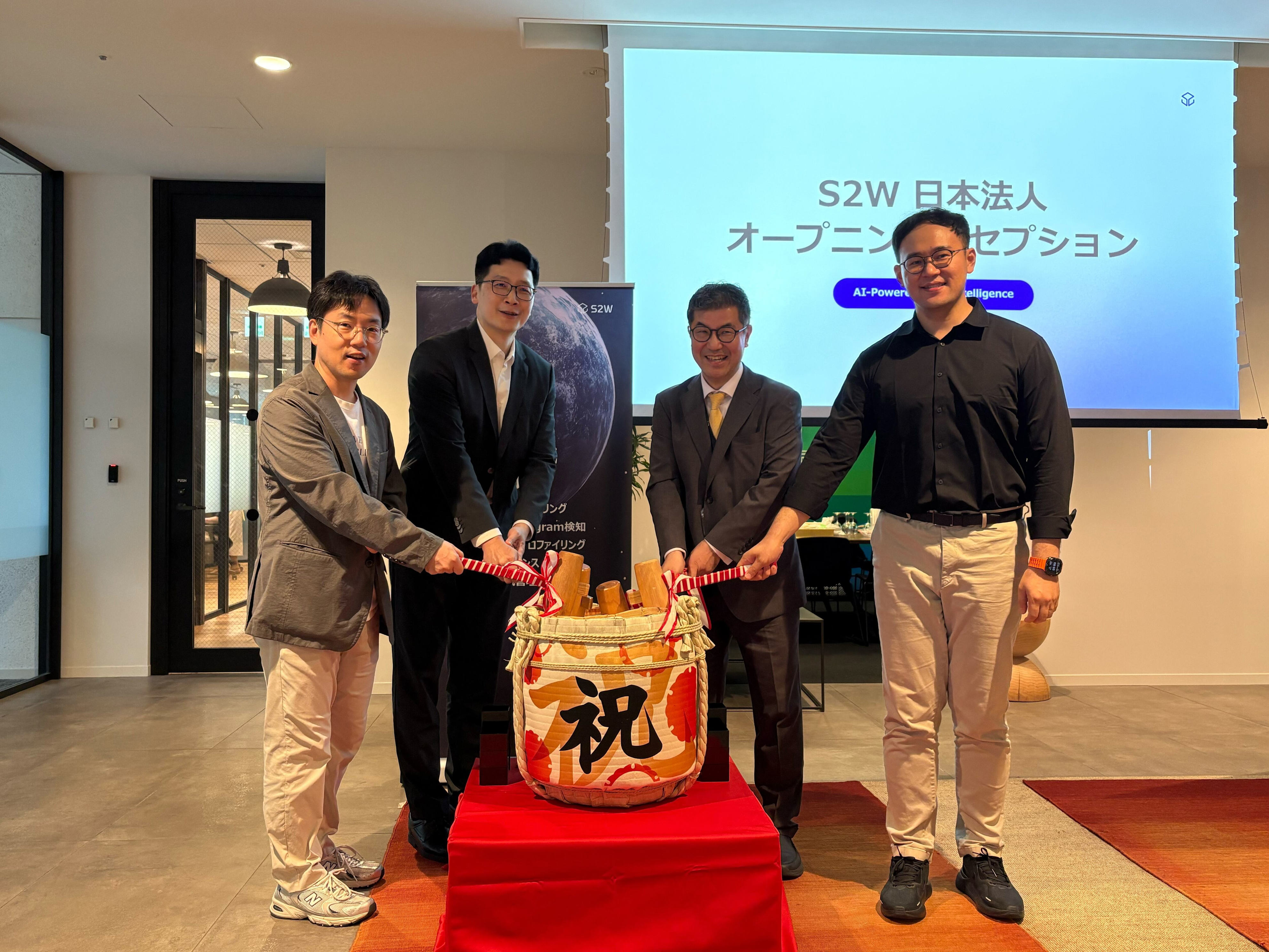
S2W is the sole Korean domestic firm involved in Interpol's public-private collaboration initiative known as the "Gateway Initiative." Due to this engagement, it enjoys greater recognition internationally compared to within South Korea itself. The company distributes its offerings across countries such as Singapore, Taiwan, Indonesia, Saudi Arabia, Greece, and various other regions. On June 23, it established a local branch office in Tokyo, Japan, aiming to expedite its expansion into the Japanese marketplace.

The CEO of S2W, Suh Sang-duk, was interviewed at the firm's office in Seongnam, Gyeonggi Province, on June 18 regarding current cybersecurity challenges across different nations. Suh remarked, "Cyber dangers transcend national boundaries," emphasizing, "It is essential to consistently gather and examine threat information worldwide, while adapting effectively to local conditions."

◇ Japan Braces for Proliferation of "South Korean-Type Cybercrime"

S2W's present emphasis lies on Japan. It extended its agreement with a Japanese governmental body in March, increasing the contract amount threefold. Suh stated, "A traditional society that depended on cash transactions and direct interactions witnessed numerous changes toward contactless systems following the COVID-19 pandemic, resulting in an increase in cybercriminal activities." Specifically, Japan remains vigilant because cybercrime trends initially observed in South Korea—nations undergoing swift digital transformations—are anticipated to appear later. Both nations encounter regular cyberattacks originating from North Korea and China.
A significant market is Taiwan. Being a major center for semiconductors and production, it faces substantial threats from cybercriminals and ransomware organizations. Suh stated, "By the first half of this year, Taiwan experienced the highest number of ransomware incidents in Asia," further mentioning, "Government departments, international technology corporations, maritime businesses, and more are all facing these assaults."

Indonesia encounters substantial security challenges as well. He stated, "Political unrest has resulted in numerous hacktivist groups directing their efforts toward the government, further intensified by strong cyber abilities possessed by nearby nations such as China." Singapore, an international financial center, specifically concentrates on protecting itself from assaults originating from North Korea and China, along with overseeing illicit trafficking pathways that go through the nation.

◇ A 'Cyber Conflict' Between the Middle East and Europe

The present-day digital environment can be described as a "battlefield." Suh highlighted four nations—North Korea, China, Russia, and Iran—as major actors, noting, "These regimes back hacker teams that breach enemy countries in advance of causing severe damage to essential systems such as electricity networks."

This scenario is particularly clear in the Middle East, where disputes involving Israel and instances of Iranian cyberattacks occur regularly. There is a strong demand for analyzing Telegram data. Suh noted, "Telegram is easier to access compared to the dark web, resulting in quicker uploads and greater sharing of information. Following the conflicts in the Middle East, advanced persistent threat (APT) groups and hacktivists have chosen Telegram as their primary platform, greatly boosting local interest." The area tends to prefer offerings from South Korea, Russia, and China rather than American services.

In Europe, rules such as the European Union's General Data Protection Regulation (GDPR) have emerged as a key factor for security firms. Suh mentioned, "Although Western Europe continues to be a bigger market, interest in cyber protection in Eastern Europe has increased consistently since the conflict between Russia and Ukraine began."

Expanding into international markets hasn't been without challenges. After setting up a U.S. branch in 2022, S2W faced difficulties because of powerful regional rivals. This situation highlighted the significance of employing local specialists to manage activities and developing an effective distribution system. As for upcoming objectives, Suh stated, "S2W is shifting from merely gathering and managing data to organizing it within relevant contexts for decision-making purposes, with the aim of becoming a worldwide data analytics firm connecting security and various industries."

Tuesday, July 7, 2026

IGAD Cyber Drill Participants Demand Enhanced Cooperation Against New Threats

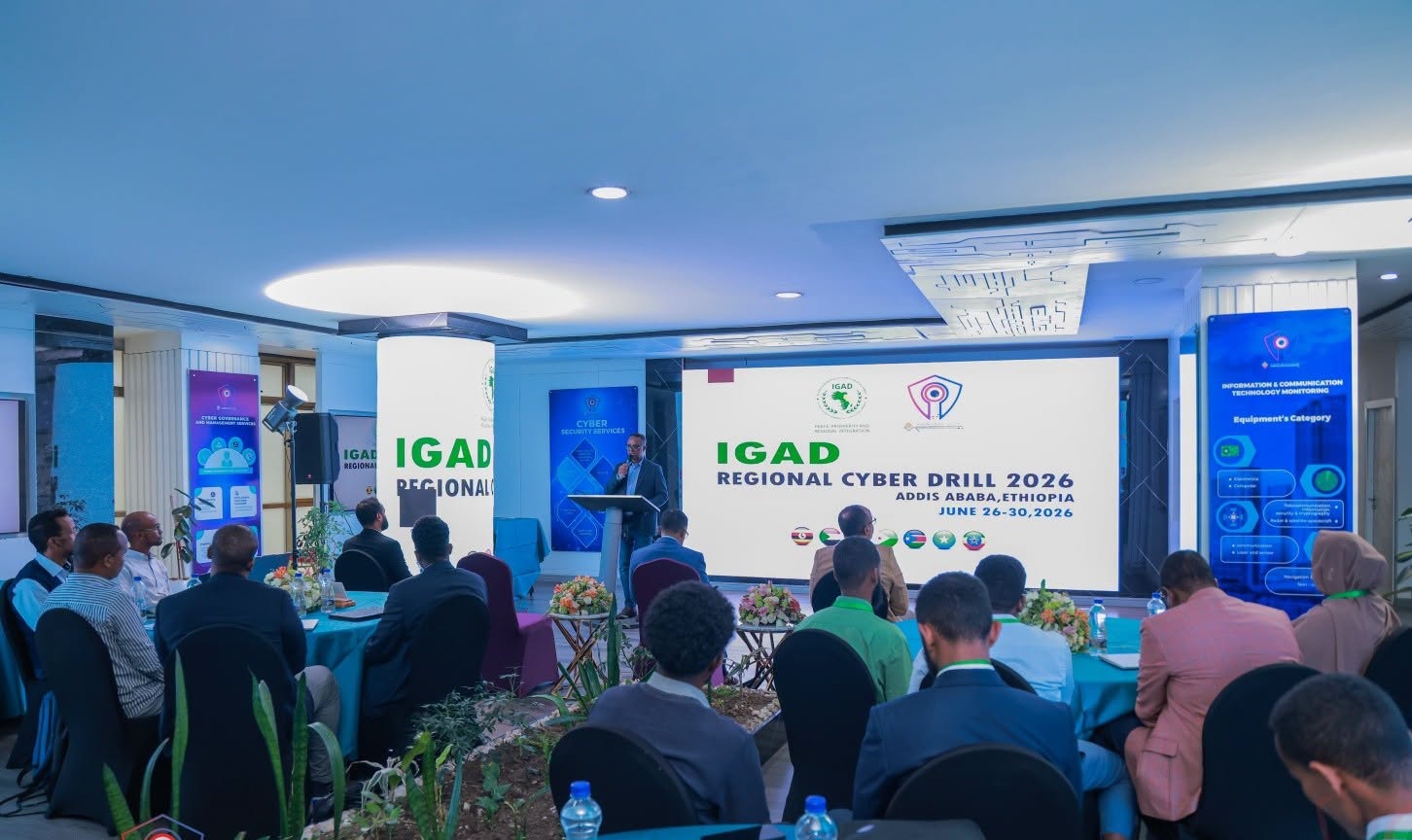
Addis Ababa, June 30, 2026 (ENA) – The IGAD Regional Cyber Exercise 2026 came to an end, with nations involved urging increased regional collaboration, unified cybersecurity strategies, and ongoing efforts to enhance capabilities in response to escalating transnational cyber threats.

The exercise gathered cyber security professionals, government officials, police departments, and key infrastructure managers from Djibouti, Ethiopia, Kenya, Sudan, South Sudan, Somalia, and Uganda.

It became clear during the exercise that participants took part in policy debates, technical drills, and real-world cybersecurity defense activities designed to enhance regional readiness and boost collaborative reactions to cyber threats.

In an interview with ENA, Khadra Ali Yusuf, an expert on data governance at IGAD, mentioned that the exercise effectively integrated policy debates with practical technical drills, such as exchanging threat intelligence and analyzing malicious software.

She mentioned that IGAD plans to capitalize on the achievements of the initiative by setting up a Regional Information Sharing and Analysis Center (ISAC), allowing member countries to exchange details about cybersecurity threats, perform analyses on malicious software, and disseminate insights gained.

As per Yusuf, IGAD is exploring the possibility of turning the regional cyber exercise into a yearly occurrence to enhance technological skills and foster greater collaboration between participating nations.

"Member countries have explicitly stated that they require additional technical knowledge and greater chances to exchange learning experiences. As IGAD, we intend to conduct these exercises every year," the specialist mentioned.

Head of IT Infrastructure at the Ugandan Prime Minister's office, Robert Lwasa stated that the exercise has allowed countries to share insights on cyber security management, organizational structures, and national plans.

Lwasa emphasized that ongoing training, more robust legal systems, political dedication, and cooperation across regions are crucial for safeguarding vital infrastructure and maintaining a safe online space.

On behalf of South Sudan's National Communication Authority, SOC Analyst Yom Malual Majok stated that the hands-on approach of the drill allowed attendees to practice responding to actual cyber threats impacting governmental bodies, banking networks, and private companies.

She mentioned that the training will enable attendees to recognize essential systems, enhance their ability to respond to incidents, and reinforce national cyber security strategies once they return to their own nations.

She highlighted that protecting against cyber threats involves collective effort and requires cooperation across regions.

"Cyber threats do not focus on a single nation since we all utilize the same internet and function within the same digital space," Majok stated, emphasizing that regional structures and collaborative policies can enhance shared strength against such challenges.

On behalf of Somalia's Ministry of Communications and Technology, ICT Director Hassan Hussein Mohammed highlighted the cyber exercise as very advantageous, noting that attendees acquired significant technical expertise and hands-on experience through collaboration with Ethiopian and global specialists.

He stated that Somalia intends to implement the acquired knowledge to enhance its national cybersecurity organizations and bolster the security of vital infrastructure.

Supplied by SyndiGate Media Inc. ( Syndigate.info ).

Cyber Threats Demand Regional Collaboration, Says INSA Deputy Director-General

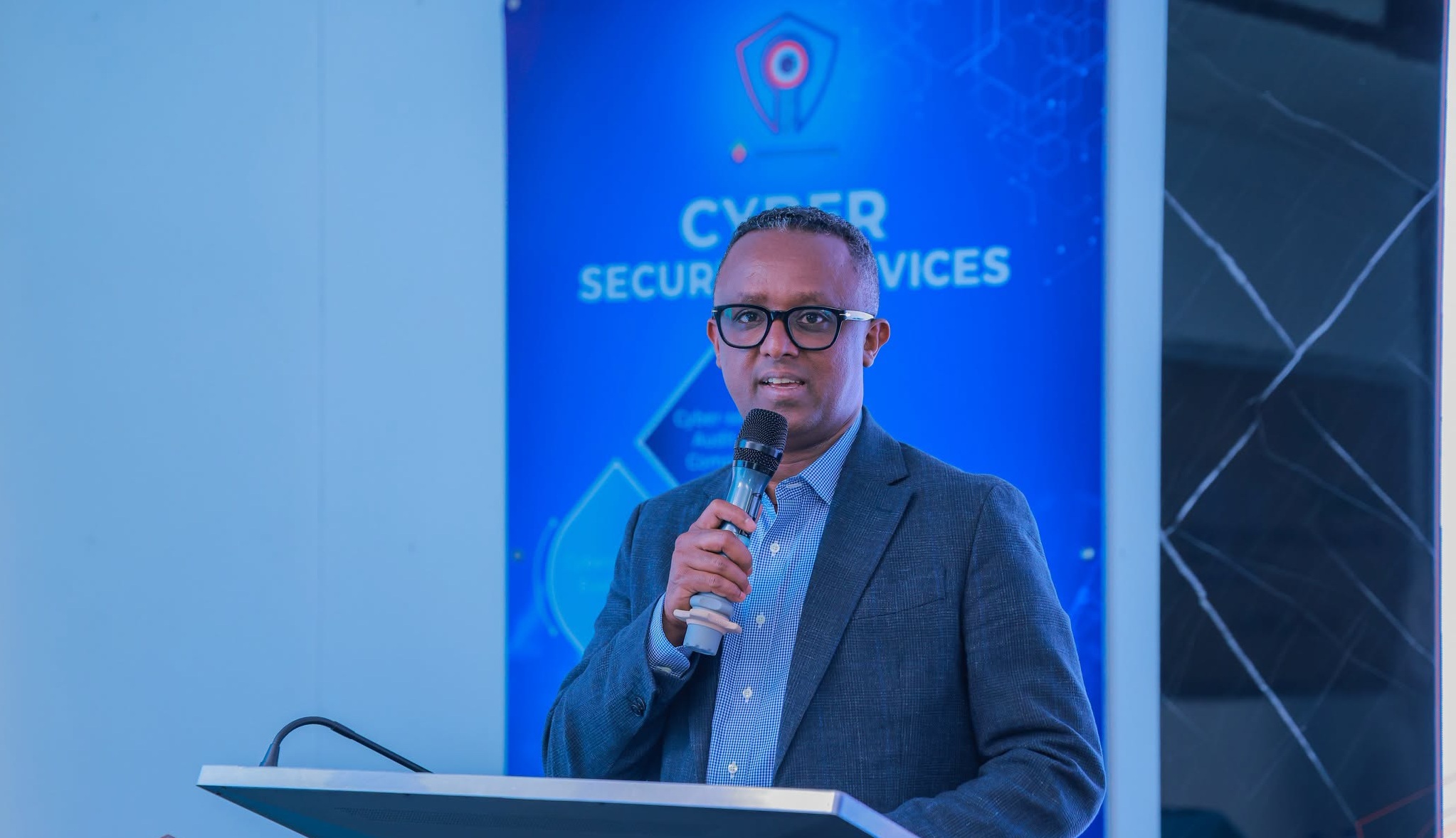
Addis Ababa, June 30, 2026 (ENA) – Cyber dangers have gone past country lines, highlighting the importance of working together within regions to safeguard vital infrastructure, banking networks, communication services, and people’s confidence, stated Daniel Guta, Deputy Director-General of the Information Network Security Administration (INSA), during the conclusion of the IGAD Regional Cyber Exercise 2026 held in Addis Ababa today.

Speaking to attendees of the five-day regional cyber security exercise, the Deputy Director-General stated that cyber security has now become more than just a national duty; it is also a key concern at both regional and international levels because of how connected digital networks have become.

"Currently, a cybersecurity threat can easily cross international boundaries. A breach targeting one nation may rapidly impact the whole area. Essential infrastructure, banking networks, communication services, and public confidence extend throughout our region. Therefore, our reaction needs to be strongly coordinated," he mentioned.

The Assistant Director-General emphasized that the completion of the exercise signifies the start of a new stage in regional cyber security collaboration instead of the termination of the program.

"This final event does not signify the conclusion of the path. Instead, it represents the start of the most recent stage in global cyber security collaboration," Daniel mentioned.

He identified six key focus areas for upcoming collaboration aimed at enhancing lasting regional cyber resilience. These involve making routine national and regional cyber simulations an official practice, broadening future exercises to address increasingly sophisticated cyber risks, adopting unified cybersecurity standards nationally, setting up systems for swift exchange of threat information across regions, ensuring consistent funding for cybersecurity efforts, and crafting clear strategies to track development.

On behalf of IGAD's Executive Secretary, IGAD Chief Representative in Ethiopia, Abebaw Belachew, stated that the exercise has greatly enhanced the region's joint cybersecurity abilities.

"Five days back, we launched this initiative with the core belief that within our connected system, our safety depends entirely on our shared determination," he remarked. "Today, our regional cybersecurity has significantly improved compared to what it was five days earlier," he continued.

Abeba observed that the activity started with talks about cybersecurity policy, management, and new dangers, then moved to practical instruction in digital investigation techniques utilizing artificial intelligence-based equipment, finally ending with real-time cyber attack exercises on an online network simulation system.

The Leader highlighted that, in addition to technical abilities, the confidence built between cybersecurity experts from participating countries would be crucial in addressing upcoming digital threats.

"If another significant real-world cybersecurity event happens, you won't be dealing with it by yourself. You'll have access to a local group of professionals you can reach out to," he said.

Abebaw also praised Ethiopia and INSA for organizing the event and recognized the assistance provided by the International Telecommunication Union (ITU), the World Bank, and other partner organizations in promoting regional cyber security collaboration.

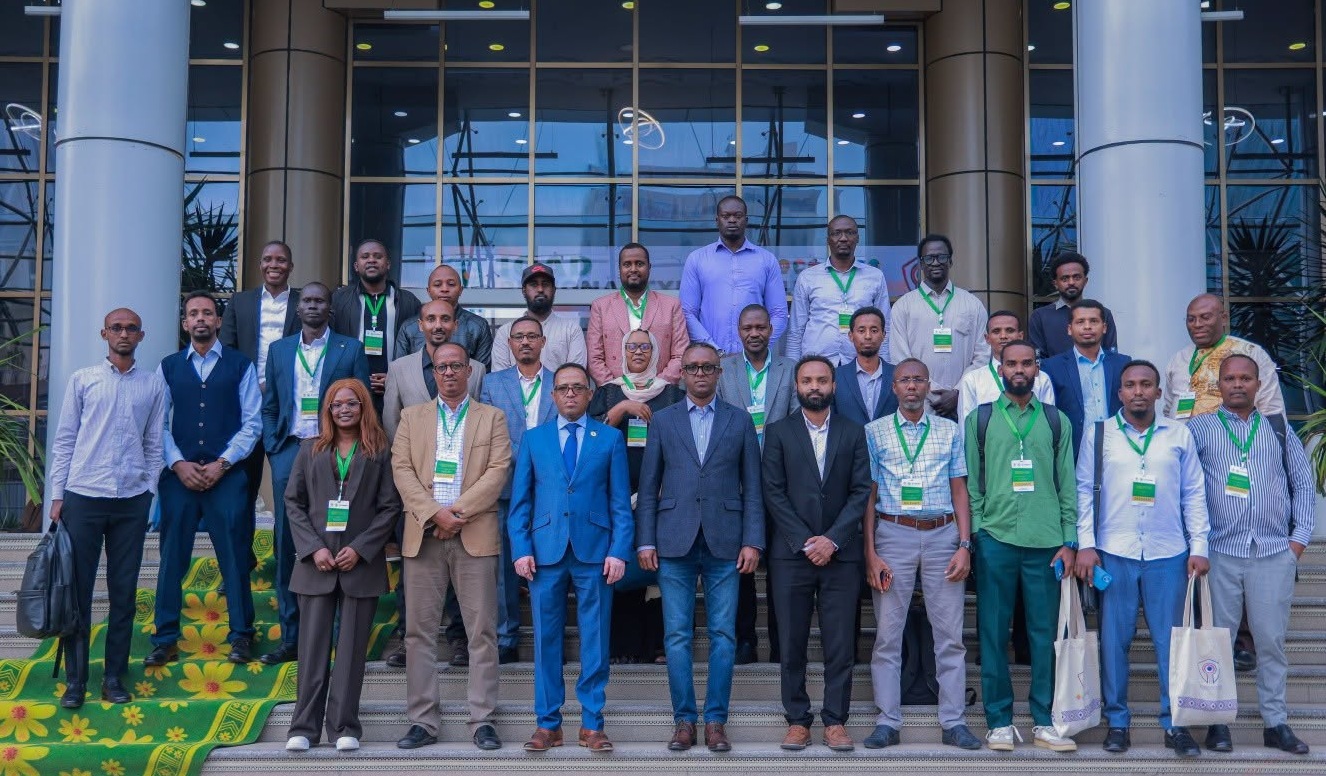
A five-day exercise ended with the distribution of certificates to attendees representing Djibouti, Ethiopia, Kenya, Sudan, South Sudan, Somalia, and Uganda.

Supplied by SyndiGate Media Inc. ( Syndigate.info ).