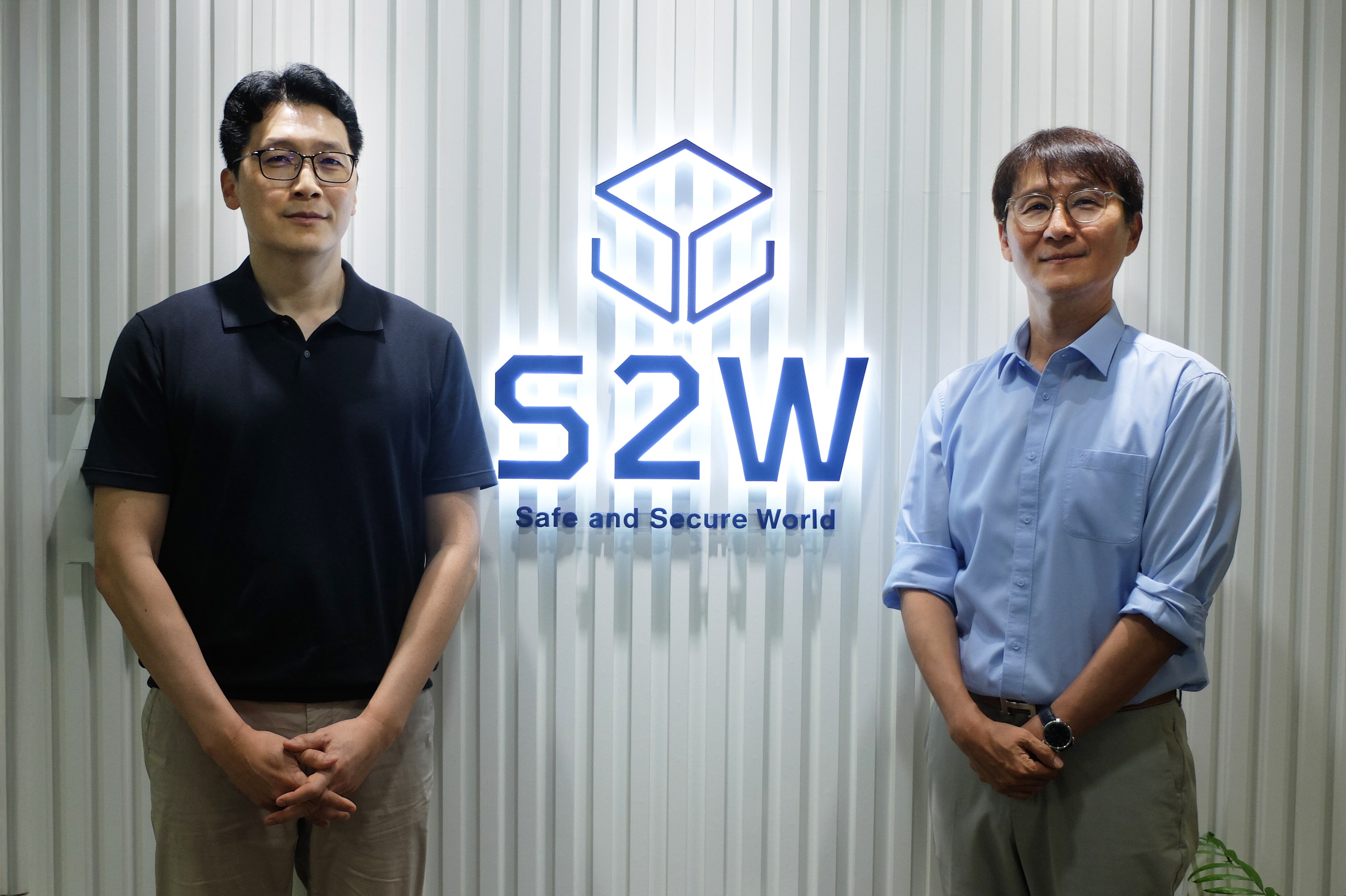
The Interpol organization, responsible for combating international criminal activities, consistently collaborates with a South Korean enterprise when dealing with cybercrime cases. This business entity is known as S2W, an artificial intelligence-driven cybersecurity company specializing in large-scale data analytics, often referred to as the "South Korean equivalent of Palantir." Their main offerings include "Jarvis" and "Quasar," advanced tools designed to process extensive datasets obtained from platforms such as the dark web, Telegram, blockchain, and more, utilizing AI technology to identify and notify governmental bodies and corporations regarding potential security risks and cyberattacks.
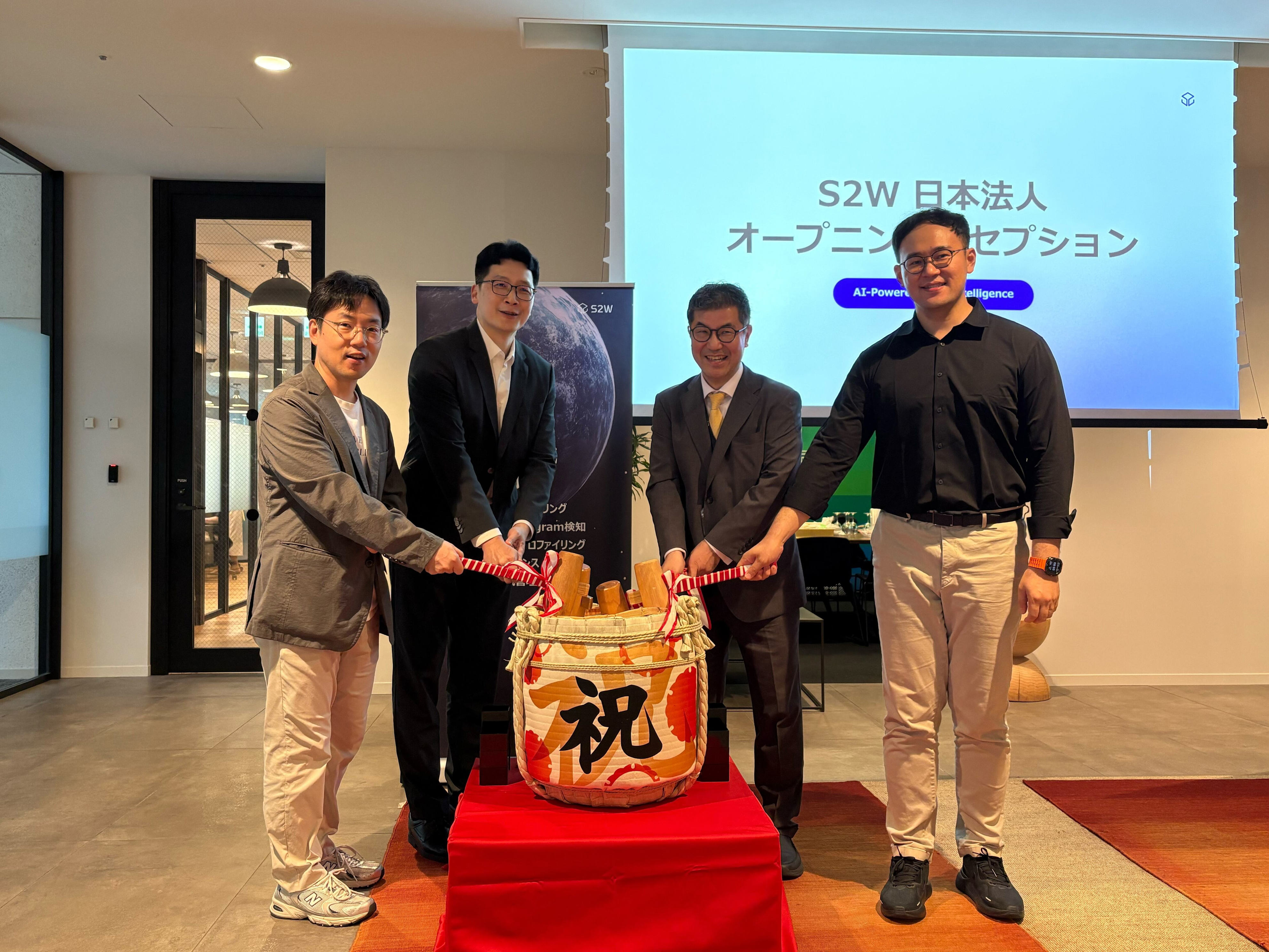
S2W is the sole Korean domestic firm involved in Interpol's public-private collaboration initiative known as the "Gateway Initiative." Due to this engagement, it enjoys greater recognition internationally compared to within South Korea itself. The company distributes its offerings across countries such as Singapore, Taiwan, Indonesia, Saudi Arabia, Greece, and various other regions. On June 23, it established a local branch office in Tokyo, Japan, aiming to expedite its expansion into the Japanese marketplace.
The CEO of S2W, Suh Sang-duk, was interviewed at the firm's office in Seongnam, Gyeonggi Province, on June 18 regarding current cybersecurity challenges across different nations. Suh remarked, "Cyber dangers transcend national boundaries," emphasizing, "It is essential to consistently gather and examine threat information worldwide, while adapting effectively to local conditions."
◇ Japan Braces for Proliferation of "South Korean-Type Cybercrime"
S2W's present emphasis lies on Japan. It extended its agreement with a Japanese governmental body in March, increasing the contract amount threefold. Suh stated, "A traditional society that depended on cash transactions and direct interactions witnessed numerous changes toward contactless systems following the COVID-19 pandemic, resulting in an increase in cybercriminal activities." Specifically, Japan remains vigilant because cybercrime trends initially observed in South Korea—nations undergoing swift digital transformations—are anticipated to appear later. Both nations encounter regular cyberattacks originating from North Korea and China.
A significant market is Taiwan. Being a major center for semiconductors and production, it faces substantial threats from cybercriminals and ransomware organizations. Suh stated, "By the first half of this year, Taiwan experienced the highest number of ransomware incidents in Asia," further mentioning, "Government departments, international technology corporations, maritime businesses, and more are all facing these assaults."
Indonesia encounters substantial security challenges as well. He stated, "Political unrest has resulted in numerous hacktivist groups directing their efforts toward the government, further intensified by strong cyber abilities possessed by nearby nations such as China." Singapore, an international financial center, specifically concentrates on protecting itself from assaults originating from North Korea and China, along with overseeing illicit trafficking pathways that go through the nation.
◇ A 'Cyber Conflict' Between the Middle East and Europe
The present-day digital environment can be described as a "battlefield." Suh highlighted four nations—North Korea, China, Russia, and Iran—as major actors, noting, "These regimes back hacker teams that breach enemy countries in advance of causing severe damage to essential systems such as electricity networks."
This scenario is particularly clear in the Middle East, where disputes involving Israel and instances of Iranian cyberattacks occur regularly. There is a strong demand for analyzing Telegram data. Suh noted, "Telegram is easier to access compared to the dark web, resulting in quicker uploads and greater sharing of information. Following the conflicts in the Middle East, advanced persistent threat (APT) groups and hacktivists have chosen Telegram as their primary platform, greatly boosting local interest." The area tends to prefer offerings from South Korea, Russia, and China rather than American services.
In Europe, rules such as the European Union's General Data Protection Regulation (GDPR) have emerged as a key factor for security firms. Suh mentioned, "Although Western Europe continues to be a bigger market, interest in cyber protection in Eastern Europe has increased consistently since the conflict between Russia and Ukraine began."
Expanding into international markets hasn't been without challenges. After setting up a U.S. branch in 2022, S2W faced difficulties because of powerful regional rivals. This situation highlighted the significance of employing local specialists to manage activities and developing an effective distribution system. As for upcoming objectives, Suh stated, "S2W is shifting from merely gathering and managing data to organizing it within relevant contexts for decision-making purposes, with the aim of becoming a worldwide data analytics firm connecting security and various industries."


No comments:
Post a Comment