The Michelin Guide Vietnam 2026 underscores the increasing international appreciation for Vietnamese food, demonstrating that the nation’s gastronomic character—spanning modest roadside stalls to award-winning dining establishments—is gaining praise due to its genuine nature, use of regional products, and narrative rooted in tradition.
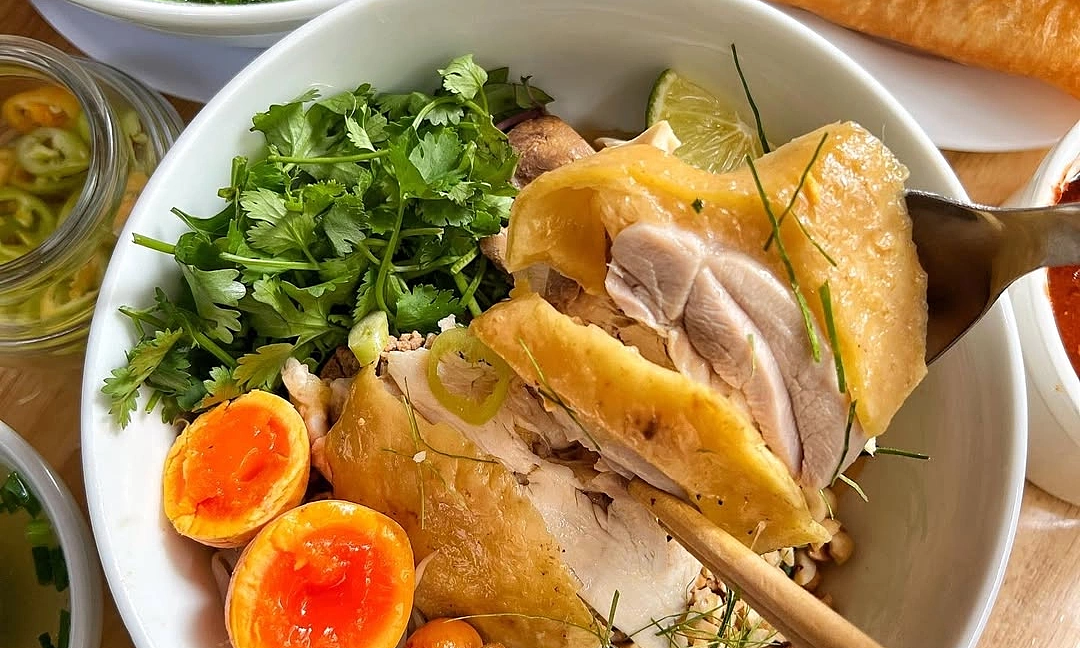
A notable example is Hieu Luc, a simple seafood noodle soup shop located on Hai Ba Trung Street in Hanoi, which has once again been recognized in the Michelin Selected list for the second year running. It is famous for its light, subtly sweet stock prepared using local carp and green vegetables, offering a classic dish originating from Hung Yen Province.
Nguyen Thi Tuyen, who runs the restaurant, mentioned that being recognized by Michelin has attracted more guests, especially tourists coming from different regions and foreign travelers. Several people initially learned about the establishment via the Michelin Guide and then turned into frequent patrons.
"Personally, that is my biggest happiness, as Hung Yen's snakehead fish soup still maintains its distinct charm among customers nowadays," Tuyen mentioned.
Hieu Luc is not alone in this situation. The Michelin Guide Vietnam 2026 still recognizes numerous well-known local gems, such as Pho Ha Hang Hom and Thanh Van for their traditional steamed rice rolls in Hanoi, Bun rieu Yen and Ba Ba for their crab noodle soup in Ho Chi Minh City, and Ba Vui and Banh Beo – Banh Dap restaurants in Da Nang.
Following four years in Vietnam, the Michelin Guide seems to have adopted a more inclusive view of the nation's food scene, emphasizing traditional cuisine and genuine flavors just as much as cooking methods and restaurant experiences.
As stated by Gwendal Poullennec, International Director of the Michelin Guide, one notable trend is the rise of a fresh wave of Vietnamese chefs who, although educated overseas, have decided to come back to their homeland and craft creative meals influenced by regional ingredients, personal recollections from their youth, and a deep feeling of patriotism.
"These chefs are shaping a new culinary movement in Vietnam. Their creations are rooted in local produce, nourished by personal memories and driven by a strong sense of cultural identity," he said.
This tendency is evident in Upstairs, one of two eateries that have received a Michelin Star this year.
Renowned chef Truong Hiep integrates traditional Vietnamese elements like fish sauce, aged seasonings, and aromatic herbs into modern culinary creations.
"From my perspective, the main focus is using Vietnam's most unique ingredients and tastes to honor the essence of Vietnamese cooking while presenting Vietnamese food culture to guests," Hiep stated.
This year, Tales by Chapter maintained its Michelin Green Star due to its plant-based approach and "zero waste" mindset. Instead of depending on imported high-end ingredients, the eatery develops creative dishes utilizing locally available Vietnamese fruits and vegetables.
"Our aim is to turn common Vietnamese ingredients into innovative culinary experiences, not just to prepare delicious meals but also to share a fresh narrative about Vietnamese cooking," said founder Truong Quang Dung from Tales by Chapter.
Chefs awarded by Michelin all find motivation in the traditional elements of Vietnamese cooking, including fish sauce, fresh herbs, home-style meals, and locally grown ingredients. Starting from these simple beginnings, they create innovative food stories for global guests, supporting the growing visibility of Vietnamese culture on the world scene.
The Michelin Guide Vietnam 2026 includes 193 recognized restaurants spread throughout Hanoi, Ho Chi Minh City, and Da Nang.
The lineup features 11 establishments awarded one star by Michelin,
72 Bib Gourmand venues
,
110 Michelin Selected establishments
and three winners of the Michelin Green Star award.
Two restaurants -
ONVIT in Hanoi
and Upstairs in Ho Chi Minh City - entered the one-star category this year. The Michelin Guide also handed out various individual honors, such as Restaurant of the Year, Young Chef Award, Sommelier Award, and Service Award.