A recent study discovered that medications like statins are enabling overweight middle-aged individuals to maintain cholesterol and blood pressure readings comparable to people who have a normal weight.
Scientists discovered that the blood pressure and cholesterol readings of individuals aged 40 and above were "virtually identical" to those of people who maintained a normal weight.
In certain instances, individuals who are obese were considered "better off," according to researchers.
Authorities believe the result is mainly attributed to the usage of medicines that reduce cholesterol, like statins, and treatments for lowering blood pressure — both of which are frequently taken by individuals who are overweight.
A research paper featured in The Lancet analyzed information from nearly one million individuals aged 20 to 79 across seven high-income nations, such as England and the United States, spanning from 1990 to 2024.
Previously, overweight adults had a greater chance of experiencing elevated blood pressure and increased amounts of harmful cholesterol.
However, the research indicates that disparities in harmful cholesterol levels and blood pressure among elderly individuals have 'reduced or vanished' for people aged 40 and above.
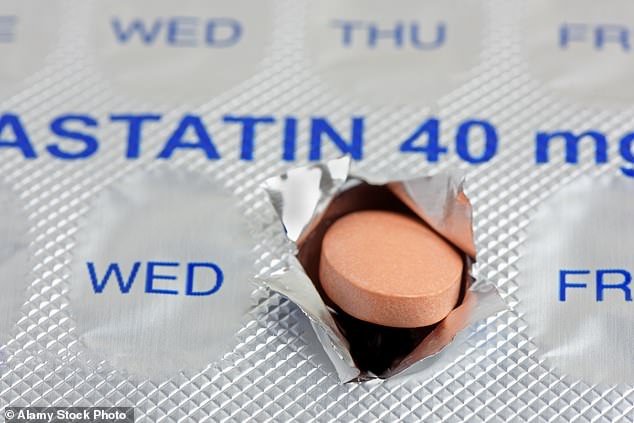
Statin medications became available across the NHS in the late 1990s and are currently used by eight million adults in Britain.
Experts stated that the results are significant for "providing an image of cardiovascular health" among individuals who may receive prescriptions. weight-loss drugs that have seen a swift rise in demand.
They cautioned that it was crucial not to "ignore" the results as more individuals opt for obesity-fighting drugs.
Professor Majid Ezzati, affiliated with the School of Public Health at Imperial College London, stated: "Our research indicates that in developed nations, using drugs to reduce blood pressure and cholesterol has enabled middle-aged and elderly individuals to decrease their heart disease risk to rates comparable to those with a healthy weight."
As weight-loss drugs become increasingly common, our findings provide insight into the heart health of individuals who may receive these medications, enabling the healthcare system to assess how therapies for high blood pressure and cholesterol complement weight-loss treatments within the general population.
The research also looked into data regarding the usage of medications that lower cholesterol and treatments for high blood pressure, referred to as antihypertensive drugs.
The group discovered that poor cholesterol levels and high blood pressure "decreased with time," particularly in individuals aged 40 and above.
The decreases were more significant for individuals who had obesity, resulting in a blending of these risk factors between those with obesity and those with a normal weight in people over the age of 40.
In describing the pattern, the research stated: "We observed that variations in non-HDL cholesterol and systolic blood pressure between individuals who are obese and those with a healthy BMI became smaller or vanished, particularly among elderly people, at times rendering those with and without obesity similar concerning these cardiovascular metabolic characteristics."
A member of the research group, Professor Edward Gregg affiliated with Imperial College London, emphasized that "this does not imply that obesity no longer raises your likelihood of experiencing other health issues."
At the same time, the research revealed that among adults younger than 40, individuals who were overweight continued to exhibit elevated levels of harmful cholesterol and increased blood pressure.
Writer Yse d'Ailhaud de Brisis, affiliated with Imperial College London, stated: "Although this is positive news for elderly individuals who are overweight, our findings indicate that cardiovascular risk factors continue to be greater among those below 40 compared to people of average weight."
Initial lifestyle changes, regular check-ups, and, if necessary, drug treatment for this younger population should be taken into account to avoid lasting heart-related issues associated with being overweight.
In the meantime, Lakshya Jain, from the School of Public Health at Imperial College London, stated: "This recent study indicates that the narrowing differences in cholesterol and blood pressure readings among individuals over 40 who are obese compared to those with a typical BMI can mostly be attributed to statins and other commonly available drugs aimed at lowering heart disease risks."
That represents an important achievement in public health, something we must remember as emerging obesity treatments become available.
In response to the research, Professor Bryan Williams, who serves as the chief scientific and medical officer at the British Heart Foundation, stated: "This study showcases an impressive achievement in public health — demonstrating how significantly improved current therapies for hypertension and cholesterol have been, leading many individuals over 40 with obesity to attain levels comparable to those of healthier weights."
This reflects the effectiveness of approaches aimed at preventing heart diseases, the application of affordable and very successful medications, and the significance of individuals following their prescriptions.
However, we should not overlook the broader perspective.
These drugs are required due to the negative impact of obesity on the likelihood of developing heart-related conditions.
Furthermore, obesity continues to impact the body in numerous additional ways, raising the likelihood of various health issues such as diabetes, renal disease, and certain types of cancer.
Therefore, although this advancement is positive, halting and decreasing obesity could lead to various health improvements, often eliminating the necessity for these extra medications.
Read more
