Department says new two-in-one device lets teammates detect a distress signal within 500 metres without a separate handheld receiver
Some 2,000 Hong Kong firefighters have been issued upgraded tracking devices after an independent inquiry into last year's deadly Tai Po fire exposed technical limitations in the previous system, the South China Morning Post has learned.
The Fire Services Department spent HK$8.4 million (US$1.1 million) on the new Firefighter Tracking Devices (FTDs), which cost more than HK$4,000 each, to help find personnel in distress more effectively.
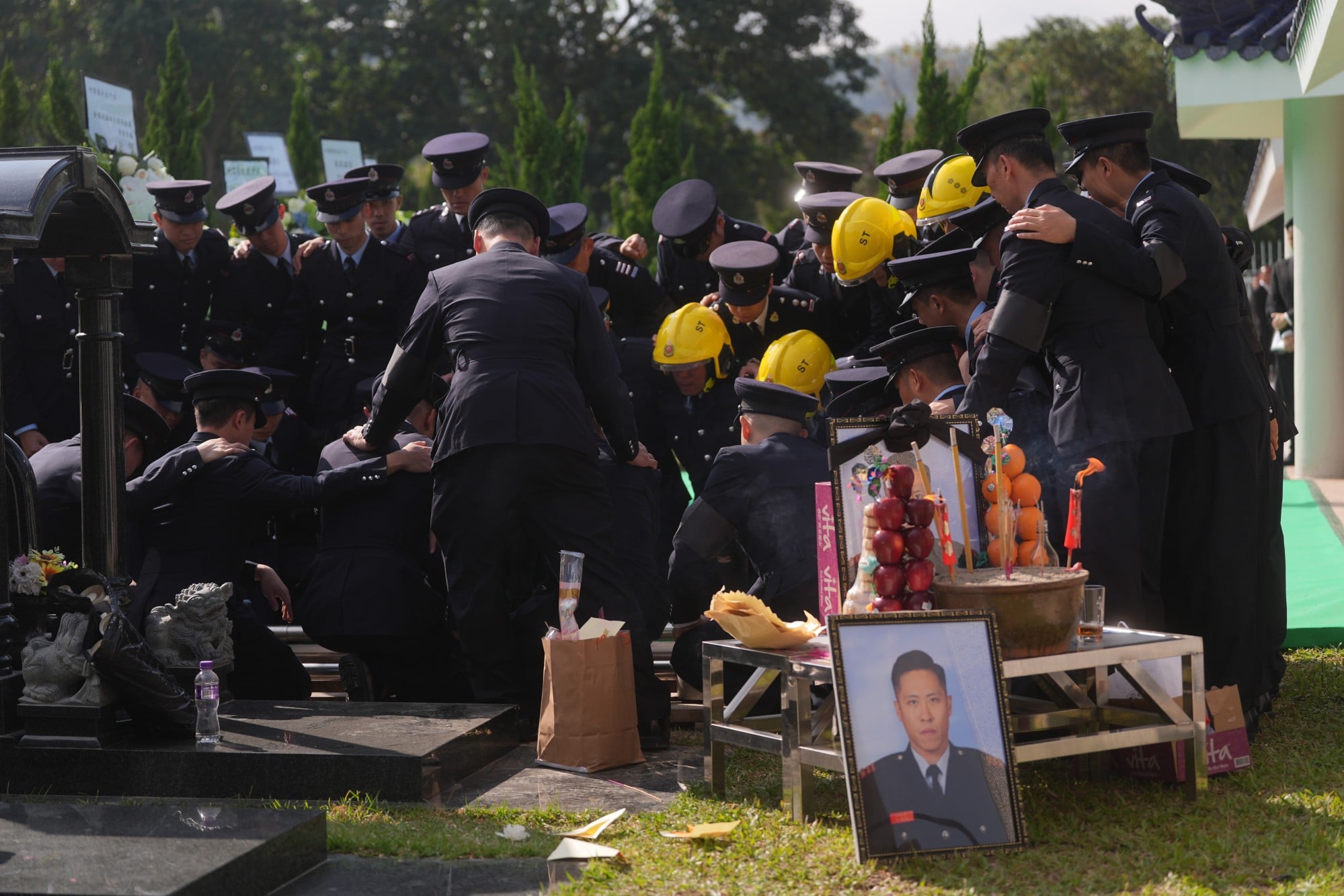
The November 1 roll-out came about a year after the Wang Fuk Court blaze, in which firefighter Ho Wai-ho lost contact with his comrades before becoming one of the 168 people killed.
Do you have questions about the biggest topics and trends from around the world? Get the answers with SCMP Knowledge , our new platform of curated content with explainers, FAQs, analyses and infographics brought to you by our award-winning team.
The report of the judge-led committee, released last month, noted the technical limitations of the first-generation personal distress alarm, the Firefighter Location System (FLS).
Signal transmission on FLS devices, fully deployed in 2020, was limited to a vertical distance of 23 floors and could shrink further depending on a building's physical layout.
At an exclusive demonstration on Thursday, the department unveiled its latest personal distress alarms to the SCMP.
"The Fire Services Department places firefighter safety at the centre of its operations and equips frontline personnel with the most suitable technology available," a spokesman said.
The mainland China-manufactured device, standard kit for every breathing apparatus team member, is a two-in-one transmitter and receiver attached to the breathing apparatus set.
When a firefighter triggers it or stays motionless for 45 seconds at a fire scene, the FTD emits an audible alarm and flashes.
Every other device worn by teammates within a 500-metre unobstructed radius then picks up a dual-frequency radio signal. The previous system relied on a designated handheld receiver fetched from outside the fire scene.
The new device has a screen that gives rescuers directional guidance and tells them the horizontal and vertical distance to a firefighter in distress. It can handle multiple distress signals simultaneously, and each device can both send an alert and search for others.
The department began working with the supplier to develop the device in February 2025, before the Tai Po fire, and started testing and refining it in July. Procurement began in January this year.
Firefighters at all stations received the devices in August and began a month of training in September.
The two-in-one design marked a fundamental departure from the previous location system, which required a separate handheld receiver, usually kept at the command post outside the fire scene, to detect radio signals from firefighters in distress.
Mounting a search meant deploying a new team with the receiver; the closer rescuers got to the target, the higher the readings became, the more lights and the higher-pitched the tone.
Ho was on the 30th or 31st floor of Wang Tai House, one of eight residential blocks at Wang Fuk Court, when his colleagues tried to locate him and the investigation report concluded it was unlikely the handheld receiver "would have been able to receive the transmission".
The spokesman said that although both could be affected by severe signal blockage, as any wireless device could, the FTD system performed better than the FLS.
Separately, he said that an active tracking system, the FSD Indoor Locating Equipment (FILE), was taken to the Wang Fuk Court scene but not used because it was "designed for large-area firegrounds and low-rise buildings".
The equipment provides real-time information on firefighters' positions, movements and condition at fire sites, and works best in buildings of up to four storeys.
It comprises tracking insoles, health-monitoring watches and receivers. Each system can show the real-time locations of up to eight firefighters on a 3D map displayed on a tablet. Donning and calibrating all eight devices takes about 10 minutes.
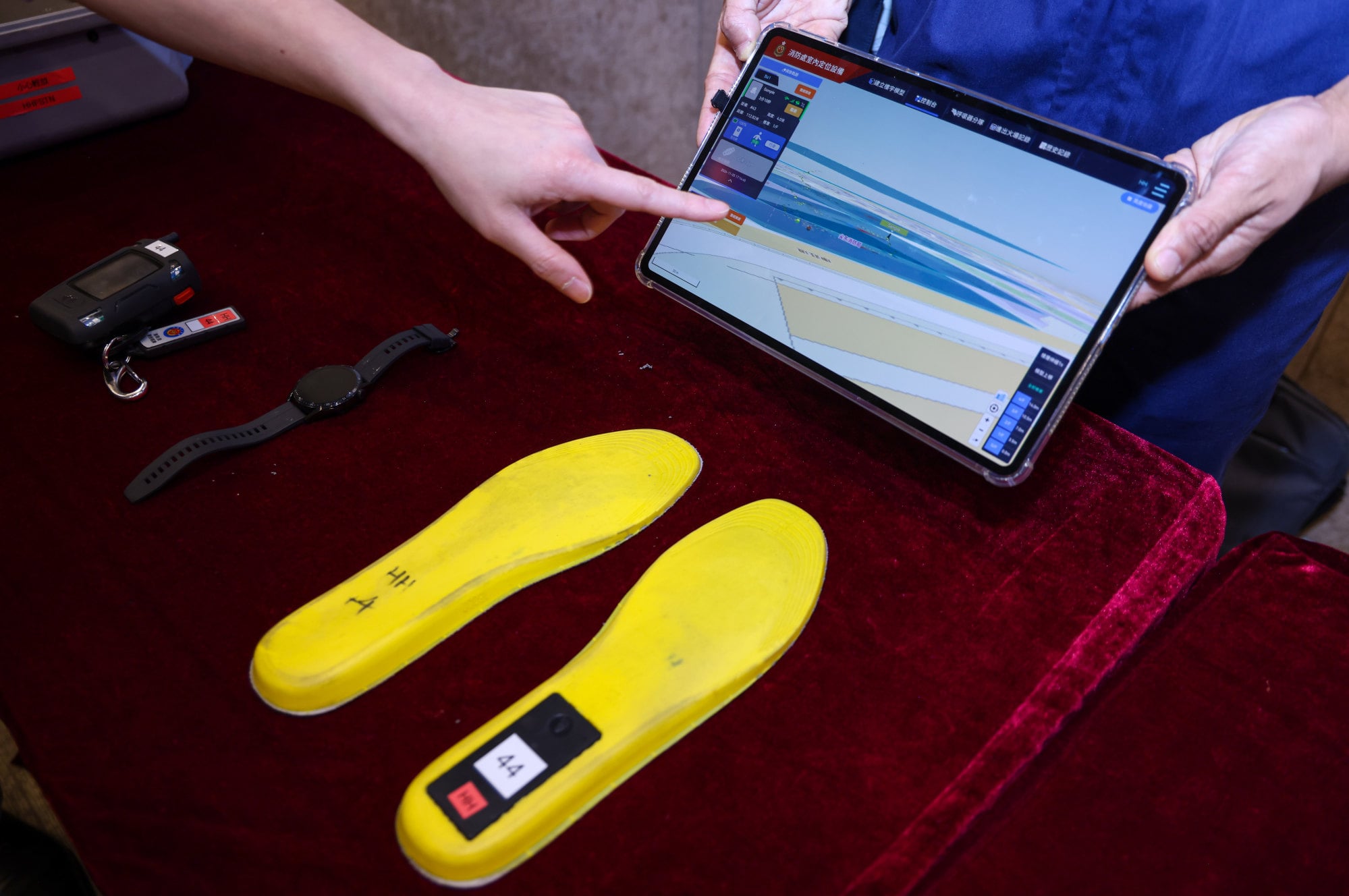
The equipment relied on inertial navigation, so location errors grew over time. It also needed calibration at ground level, and the fire-scene model it built during operations was less accurate in high-rise buildings.
"It was therefore assessed at the scene as unsuitable for prolonged operations over many floors at Wang Fuk Court," the spokesman said.
The equipment was taken to the scene of every No 3 alarm fire, where the commander decided whether to use it.
"The department will keep improving its equipment in the light of operational experience and will keep abreast of new technologies."
More Articles from SCMP
Philippines’ Alexandra Eala wins stop-start rainy affair to book Hong Kong Open final spot
History repeats in Shenzhen? China hosts another lame-duck US president
SCMP Best Bets: Delight a Hot prospect for punters at Sha Tin
This article originally appeared on the South China Morning Post (www.scmp.com), the leading news media reporting on China and Asia.
Copyright (c) 2026. South China Morning Post Publishers Ltd. All rights reserved.

