Technology and philosophy

Wednesday, July 15, 2026

EU Auto Sector Feuds Over Strategy to Counter Chinese Rivals

European automotive suppliers and producers hold differing opinions about Brussels' "Made in Europe" initiative, which aims to protect the European market from Chinese competition.

The European automotive sector is encountering intense rivalry from Chinese manufacturers, putting millions of jobs within the union at risk. In response, the EU is developing what is known as the Industrial Acceleration Act, aimed at promoting electric vehicles predominantly made using European parts through government contracts and financial assistance programs.

Nevertheless, automotive suppliers and makers within the EU differ in their opinions about the upcoming legislation, now being discussed among EU nations and the European Parliament, which establishes a 70% domestic component requirement for electric vehicles.

As stated by the European Association of Automotive Suppliers (CLEPA), the Commission's suggestion represents progress in the correct direction. According to a report obtained by Euronews from management consulting firm Roland Berger, plug-in hybrid electric vehicles and battery-powered cars produced in Europe currently have between 80% and 90% locally sourced parts.

Therefore, it views the Commission's 70 percent benchmark as attainable.

However, the European Automobile Manufacturers' Association (ACEA) is advocating for an alternative approach, where authorities would evaluate completed vehicles rather than the locally sourced parts within them.

"A car represents much more than just its individual components. Its worth is also derived from research and development, cutting-edge engineering, and the expertise of its dedicated team," stated ACEA in a policy document released on July 1st.

CLEPA stated that according to this approach, a completed vehicle would need just 50 percent European-manufactured parts and components, with the rest 20 percent originating from research, development, and other processes.

A 20 percentage-point reduction in the mandate for EU-produced components "might lead to the loss of 350,000 jobs," CLEPA cautioned, adding that the Commission's method focused on individual components would "protect the current production infrastructure."

"Currently, we're witnessing strong competition from low-cost nations, and the major issue everyone is aware of is China," said Benjamin Krieger, Secretary General of CLEPA, during an interview with Euronews.

“A 'Made in Europe' limit that overlooks where the real components are manufactured is a designation that disregards the European employee," he stated.

Where Did Kenya’s Diaspora Money Come From? (2024–2025)

The U.S. continues to be the main source of diaspora-related money transfers to Kenya, surpassing every other international contributor significantly.

Data jointly released by the Central Bank of Kenya and the Kenya National Bureau of Statistics for the 2024–2025 fiscal year shows that the North American country injected more than Sh400 billion into the national economy.

This large influx highlights the economic power of the Kenyan population living in the United States and their ongoing financial support for their homeland.

After the United States, Germany ranks as the second-biggest origin of remittances from abroad.

Australia is also highly visible among the leading routes for money transfers, sending nearly Sh90 billion. These numbers show that conventional Western economies still account for the biggest portion of Kenya's foreign financial assistance provided by its diaspora.

The primary sources of remittances include the Middle East along with certain areas in Europe and Africa, albeit with smaller amounts. Saudi Arabia and Qatar each provided approximately 45 billion shillings, reinforcing the Gulf area's position as an essential center for jobs and finance for Kenyan workers.

In Europe, Spain contributed almost Sh35 billion. In Africa, South Sudan became a major source of funds, generating slightly less than 35 billion shillings, which was very close to the amount received from the United Kingdom.

Supplied by SyndiGate Media Inc. ( Syndigate.info ).

Victor Osimhen Ignores Chukwueze, Demands Galatasaray Sign Another Super Eagle

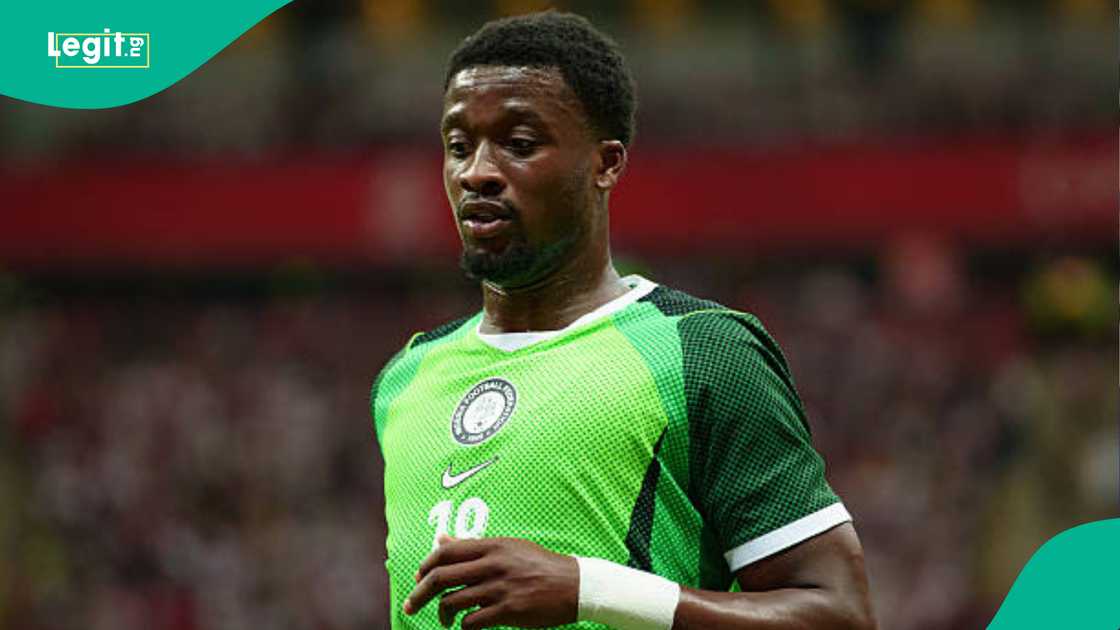
  • It is said that Victor Osimhen has suggested Super Eagles' defender Emmanuel Fernandez to Galatasaray.
  • A key player for the Rangers had an outstanding season, earning the club's Player of the Year honor and drawing attention from Arsenal.
  • Galatasaray is looking for additional defense players as doubts continue about Davinson Sánchez's plans in Istanbul.

It is said that Victor Osimhen has been instrumental in Galatasaray's recent transfer strategies by suggesting his teammate from the Super Eagles, Emmanuel Fernandez, to the Turkish league leaders.

The news arrives as Galatasaray get ready for an active summer transfer period and look for possible substitutes due to increasing attention on Colombian central defender Davinson Sánchez.

Although many anticipated Osimhen would seek to bring his close companion Samuel Chukwueze over, sources from Turkey indicate that the Nigerian forward has instead encouraged the club’s management to target Fernandez, who was among Scotland's top players during the previous campaign.

Osimhen shows endorsement for Fernandez

According to Turkish outlet Fotomac Osimhen has expressed favorable opinions about Fernandez following their time together in the Nigerian national team locker room.

It is thought that the sponsorship has increased Galatasaray's enthusiasm for the adaptable center-back, who has quickly become one of the top African talents being pursued across Europe.

Fernandez had an outstanding season with Rangers, appearing in 33 matches throughout various tournaments and scoring six goals from his defensive position.

His impressive air power, robust physique, and skill in posing threats during corner kicks have garnered significant praise from European scouts.

In addition to his strong defending skills, Fernandez has significant flexibility, able to play effectively as a center back or a right fullback when needed.

This adaptability is considered a significant benefit for Galatasaray as they get ready for upcoming domestic and European competitions.

Star player of Rangers drawing interest from Europe's leading teams

The impressive ascent of Fernandez hasn't escaped the attention of top-tier football clubs in Europe.

Top Premier League clubs Arsenal and Chelsea are said to have been keeping an eye on his development, with Borussia Dortmund and the French team Rennes also showing strong interest in signing him. Afrik-Foot reports.

A former player from Peterborough United concluded his remarkable season by earning the title of Rangers' Men's Player of the Season.

He remained the sole Rangers representative selected in the PFA Scotland Team of the Season, highlighting his steady performance and impact during the season.

Only 24 years old, Fernandez is seen as one of Nigeria's most promising defenders and seems set for a significant transfer in the near future.

An increasing number of applicants suggests that Galatasaray might have to move quickly if they want to obtain his assistance.

Galatasaray preparing for existence without Sánchez

Top Turkish teams are evaluating defense alternatives amid ongoing uncertainty regarding Davinson Sánchez.

The Italian club Como is allegedly attempting to attract the Colombian defender from Istanbul, prompting Galatasaray to develop backup strategies.

Even though well-known players like Virgil van Dijk and Kim Min-jae have been associated with the team, Fernandez has become a feasible and thrilling option.

Osimhen's suggestion might carry significant weight during discussions, especially considering his key role in the team and his grasp of Fernandez's strengths on the global stage.

Strikingly, this development diverts focus from Samuel Chukwueze, who was earlier linked with Turkish teams, yet seems less likely to accompany his Super Eagles colleague to Istanbul.

Breakthrough developments in Osimhen's career at Galatasaray Unexpected turn of events regarding Osimhen's position with Galatasaray Fresh update on Osimhen's prospects at Galatasaray Unforeseen changes affecting Osimhen's journey at Galatasaray A new chapter emerges for Osimhen within Galatasaray Recent shifts influencing Osimhen's status at Galatasaray Emerging details about Osimhen's next steps at Galatasaray Sudden updates concerning Osimhen's tenure at Galatasaray Developments shaping Osimhen's path at Galatasaray New information impacting Osimhen's future with Galatasaray

In another development, Ants.ng reported details about Osimhen's goals for the next season alongside Galatasaray, as increasing transfer attention comes from leading European teams.

His devotion to advancing Turkish soccer worldwide, along with his desire to revisit the vibrant energy of the Ali Sami Yen Sports Complex, highlights his loyalty to the club and foreshadows his future endeavors.

PM Steps Up Monsoon Prep with Emergency Response Panel

July 2, Pakistan – On Wednesday, Prime Minister Muhammad Shehbaz Sharif instructed federal and provincial officials to step up efforts for the coming monsoon period, directing the creation of a nationwide crisis management system and emphasizing that unified measures are crucial to address increasing threats from climate change.

Leading a top-tier gathering to assess readiness for the monsoon season and strengthen climate resilience, the prime minister stated that Pakistan continues to be one of the nations most susceptible to the negative effects of climate change. He emphasized that successful and broad-based collaboration between the federal government and provincial authorities is essential in tackling climate-induced calamities.

The head of the 'Emergency Response Committee,' responsible for handling urgent situations, was approved by the prime minister, with oversight provided by the Minister of Planning and Development.

A committee made up of the NDMA along with officials from various federal departments will collaborate closely with regional governments and meet every week during the rainy season to track readiness and reaction measures, stated the Prime Minister's Office Media Wing in a news statement.

He further requested the Minister of Finance to make preliminary preparations for an emergency fund that could be accessed in case of major flood-related calamities.

In line with readiness efforts, the prime minister instructed the federal minister responsible for Climate Change along with the head of the National Disaster Management Authority (NDMA) to conduct urgent trips to every province, Azad Jammu and Kashmir, and Gilgit-Baltistan this week to evaluate and wrap up preparations for the monsoon season.

He additionally highlighted that initiatives supported by global development partners must also concentrate on enhancing the organizational and technological capabilities of domestic and regional agencies and authorities.

Emphasizing the government's dedication to ensuring water safety, the prime minister announced an extra allocation of Rs330 billion in this financial year’s national budget aimed at speeding up key water-related construction initiatives. Drawing upon insights gained from past flooding incidents, the prime minister instructed all pertinent organizations to adopt a thorough plan for reducing flood risks.

He also instructed regional authorities to eliminate unauthorized settlements and address additional barriers within river corridors and flood routes, especially in areas classified as extremely susceptible to floods.

He further directed all federal and provincial organizations to utilize their complete administrative and technological capabilities to assist the general population during the monsoon period.

At the gathering, NDMA Chief Lieutenant General Inam Haider Malik updated attendees regarding the nation's readiness strategies, anticipated meteorological conditions, potential flooding dangers, and changing environmental shifts.

As per the report, severe heatwaves and abnormal weather patterns are anticipated in numerous areas globally this year. Pakistan is also predicted to face extended periods of intense heat along with higher-than-average precipitation in July, raising the likelihood of floods in susceptible zones.

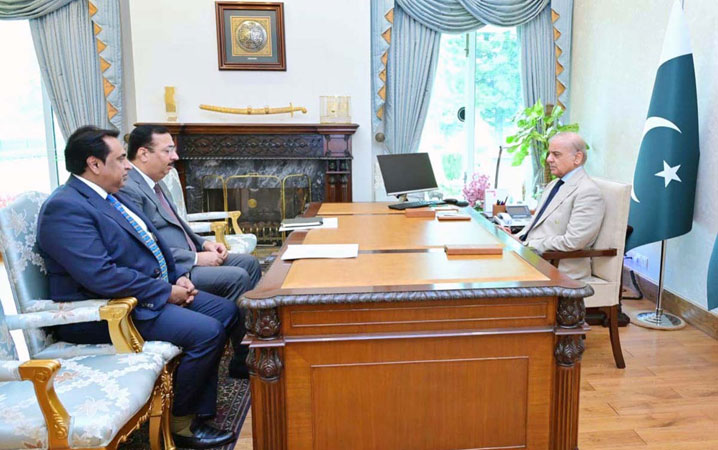
Meanwhile, Shahbaz Sharif on Wednesday instructed the Overseas Pakistanis Foundation (OPF) to accelerate support programs and enhance services for Pakistani citizens living abroad, referring to them as an important national resource and recognizing their significant role in the nation's economic growth.

The Prime Minister provided instructions at a meeting with Syed Qamar Raza, chairman of the OPF Board of Governors, and Afzal Bhatti, managing director, according to an announcement from the Prime Minister's Office.

At the meeting, talks centered around the foundation's continuous initiatives aimed at tackling challenges encountered by Pakistanis residing overseas and improving their well-being and support systems.

The head of government stated that Pakistani citizens living abroad are an invaluable resource for the country and contribute greatly to enhancing Pakistan's foreign currency reserves through the transfer of their earned earnings back home.

He directed the OPF to speed up the execution of current welfare programs and efforts aimed at foreign nationals from Pakistan and enhance effectiveness in providing services.

Showing approval of the foundation's work, Prime Minister Shehbaz Sharif instructed the OPF management to develop and submit an extensive strategy aimed at enhancing its services and social initiatives for Pakistani citizens abroad.

The gathering also featured an overview of a detailed plan designed to implement further actions for the well-being and ease of living for Pakistani citizens abroad.

The head of the OPF and the chief executive honored the Prime Minister for his contributions toward advancing international harmony.

Tuesday, July 14, 2026

Sindh Misses Out on Rs 85bn in Federal Funds, Says Chief Minister Murad

July 2 - In Sindh, Chief Minister Syed Murad Ali Shah stated on Wednesday that according to the updated budget projections, Sindh anticipated receiving Rs175 billion from the central government by the conclusion of June; yet, just Rs91 billion had been disbursed up until then, leading to an insufficient amount of Rs84 billion.

He made these remarks while speaking with the media at NED University immediately following the inauguration of Sindh's first Google Gemini for Education Corner at the NED University of Engineering & Technology. In response to a query about financial issues, the Chief Minister stated that according to the updated budget projections, Sindh anticipated receiving Rs175 billion from the federal government by the end of June. Nevertheless, only Rs91 billion had been disbursed so far, leading to an estimated deficit of around Rs85 billion. He noted that the lower allocations add more strain on the province’s financial resources and developmental plans.

Regarding local governance changes, Murad Shah mentioned that the Pakistan People's Party has always focused on enhancing local administrative bodies in Sindh.

The CM stressed the significance of intelligence-driven security strategies and pointed out the Sindh administration's dedication to technology progress and digital creativity. In reply to inquiries about suggestions for a national organization to oversee urban growth, the Chief Minister stated that Sindh has no issue with setting up such an administrative federal entity.

In response to an inquiry, Murad Shah stated that there were no particular terrorist threats. Nevertheless, the Sindh administration has greatly enhanced its intelligence and security system by setting up new organizations and improving cooperation between pertinent departments. He emphasized that intelligence-driven actions play a crucial role in stopping terrorist events, especially suicide bombings, which are very hard to prevent without prompt information collection and evaluation.

Voicing worry about the extended power cuts affecting different areas of the province, including Karachi, Murad Shah stated that the current scenario is leading to significant difficulties for residents and urged prompt corrective actions. He mentioned that Sindh has great potential for renewable energy and should be supported in adopting eco-friendly and long-term energy options. The Chief Minister ended his statement by emphasizing the importance of the recently opened Google AI Room at NED University, calling it a crucial move towards providing students with advanced technical abilities and promoting Sindh’s objective of innovative growth.

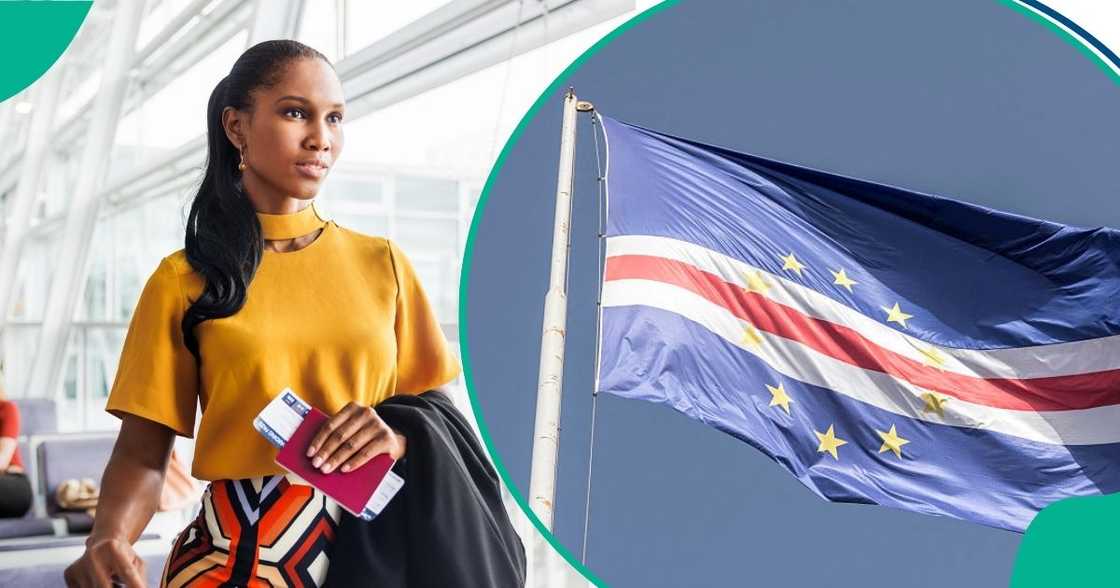
Unveiled: Why Cape Verde Dropped Visa-on-Arrival for 96 Nations

  • Cape Verde removes visa-on-entry for 96 nations, such as Nigeria, enhancing immigration regulations
  • New rules require visas to be obtained through embassies, implementing more rigorous background screenings and interviews.
  • The tourism and transportation sector could experience interruptions because of updated access rules and enhanced compliance measures.

Pascal Oparada is a reporter with Ants.ng spanning areas such as technology, energy, stock markets, investments, and the economy for more than ten years.

Cape Verde has discontinued its visa-on-arrival scheme for nationals from 96 countries, such as Nigeria, as part of a broad revision of its immigration regulations designed to enhance border control and improve passenger verification processes.

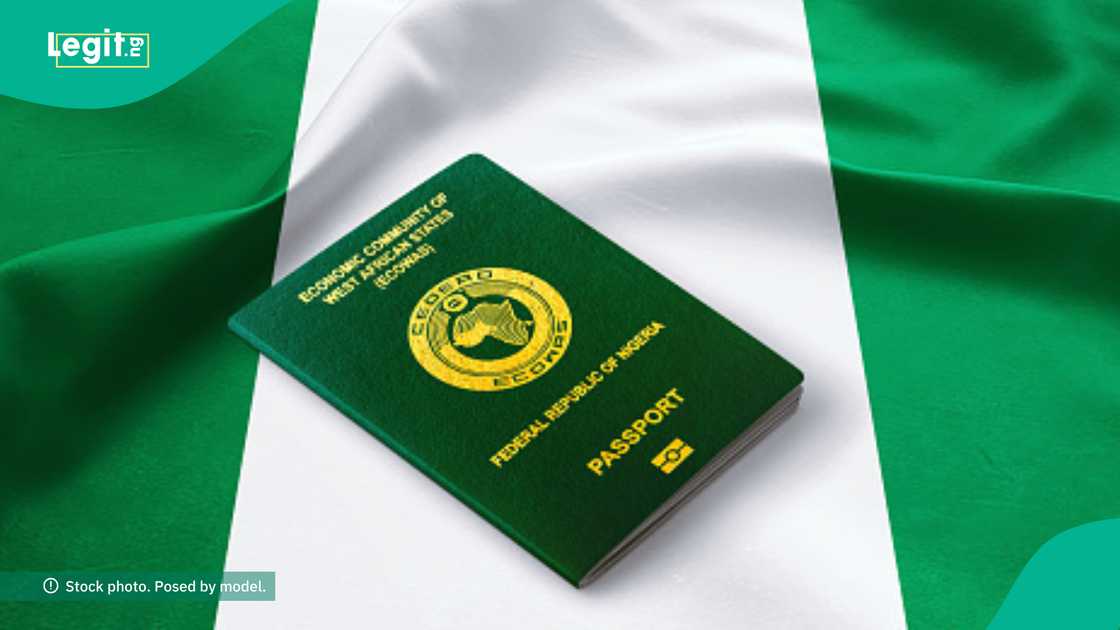
The new regulations introduced through Decree-Law No. 13/2025 and Decree No. 244/GMAI/2025, eliminates both the visa upon arrival mechanism and the Electronic Airport Security Tax (EASE) online entry system for specific nationalities. Rather, qualified travelers are required to secure a visa at a Cape Verdean embassy or consular office prior to traveling.

Nigerians and others encounter an updated visa procedure

Nigerian travelers will now find that unplanned visits to the island country can no longer be facilitated via airport-assigned visas or digital pre-screening processes.

Alternatively, candidates are required to go through the visa procedure at an embassy, where officials state that more rigorous background screenings and identification confirmation procedures, such as compulsory face-to-face meetings, will take place prior to granting authorization.

As per the Directorate of Foreigners and Borders (DEF) of Cape Verde, these changes aim to strengthen border management, boost homeland safety, and limit unauthorized movement.

Authorities stated that the earlier system, which enabled travelers to gain access via the EASE portal or receive visas when arriving at specific airports, was no longer sufficient according to the nation's revised approach to managing borders.

Tougher border controls

Cape Verde stated that the policy aligns with an overall worldwide movement towards more stringent immigration regulations and enhanced identification checks for travelers from abroad.

Under the revised regulations Travelers who arrive without a properly stamped valid visa in their passport may be denied access, expelled right away, or forced to cover the entire expense of returning to their originating country.

The authorities cautioned that airlines and tour providers must also adhere rigorously to the updated regulations by verifying that travelers have proper visas prior to embarking on journeys to the nation.

The tourism and hospitality sector might experience consequences The travel industry could face repercussions The leisure and mobility sectors may be affected The global tourism landscape could encounter challenges Travel-related businesses might suffer effects The field of international travel could see changes Leisure and tourist activities might be influenced Businesses involved in traveling could notice impacts The movement of people for recreation purposes might be impacted Activities related to visiting different places could face difficulties

Experts in the industry think the new regulations might influence tourist movements, air transport activities, and spontaneous travel plans, especially for travelers who used to benefit from visa-on-arrival options for both work-related and vacation purposes.

Stricter visa regulations are anticipated to affect most travelers from regions including Africa, Asia, the Middle East, Europe, Oceania, and the Americas who previously took advantage of Cape Verde's easier access system, as stated in a report by the Nigerian Tribune.

Countries affected

The updated rules affect 96 nations spread over four different areas.

Several countries in Africa have been impacted, such as Nigeria, Algeria, Cameroon, Egypt, Ethiopia, Kenya, Libya, Mauritius, Namibia, Rwanda, Somalia, South Sudan, Sudan, Tanzania, and Tunisia, along with other regions.

The list includes 31 nations across Asia and the Middle East, such as India, Pakistan, Bangladesh, Indonesia, Iran, Iraq, Jordan, Nepal, Sri Lanka, Vietnam, and Yemen.

Several nations in the Americas and the Caribbean, including Mexico, Colombia, Chile, Peru, Costa Rica, Panama, and Venezuela, experience these effects, whereas Belarus along with various Pacific island states fall within the categories of Europe and Oceania.

The newest immigration update represents one of the major adjustments to Cape Verde's border policies in recent times. It indicates a move towards stricter evaluation of foreign travelers prior to their arrival in the nation.

U.S. introduces $750 expedited visa interview process for Nigerian citizens

Ants.ng previously mentioned that the United States has launched a new premium visa interview service which enables Nigerians and other international travelers applying for business or tourist visas to obtain interview slots within 10 working days by paying an extra charge of $750.

A newly introduced program, revealed by the U.S. Department of State through a publication in the Federal Register on June 9, offers an accelerated option for individuals applying for B1/B2 visas.

As per a statement from TheCable, the high-end service will be available exclusively at certain U.S. embassies and consulates, even though authorities have not revealed which specific sites will offer it.

Monday, July 13, 2026

The World's Most Powerful Passports in 2026

While a passport could seem like a key allowing entry into any nation globally, though certain ones offer travelers greater benefits than others.

The influence of visa arrangements and political relations significantly impacts the power of passports, with modifications to border regulations also influencing international mobility.

Currently, the fifth annual release of the Global Passport Index (GPI) has been announced, showcasing the strength of passports from different countries.

Europe has once more taken the top position, securing nine of the ten places.

Coming shortly after the 10th anniversary of Brexit , this year’s rankings also highlight how the UK’s position has shifted over the past decade.

Which passport holds the highest power globally in 2026, as per the Global Passport Index?

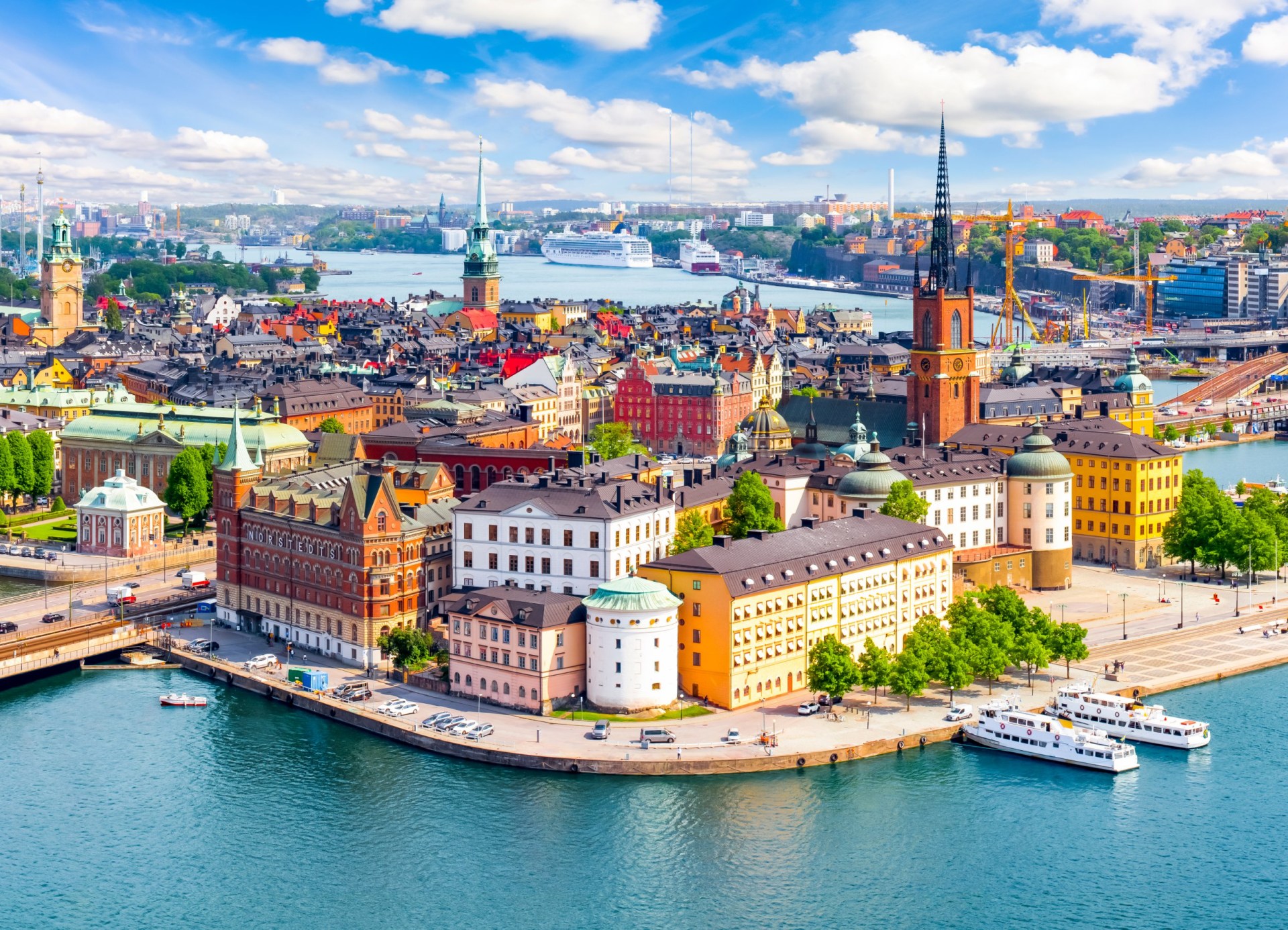
  1. Sweden
  2. Switzerland
  3. Finland
  4. Germany
  5. The Netherlands
  6. Denmark (tied for 5th place with the Netherlands)
  7. Ireland
  8. United Kingdom
  9. Norway
  10. Singapore

How is it judged?

The ranking evaluates three key factors among 199 nations.

  • Mobility access The portion of the total score determined by how many visa-free visits a passport permits, accounting for 50%.
  • Investment attractiveness the tax system and economic competitiveness of the nation, accounting for 25% of the total score.
  • Quality of life The quality of healthcare and social services within the country where your passport was issued, contributing to the remaining 25%.

As per the GPI, Sweden leads the ranking, placing 11th in mobility, 9th in investment, and 2nd in terms of quality of life.

Sweden has maintained first place for the third year in a row, achieving a total score of 96.05.

Second place goes to the well-known neutral country of Switzerland.

The nation ranked seventh in terms of mobility, second in investment, yet topped in quality of life.

Although Finland secured third position, they had previously been placed fourth in terms of mobility, twenty-eighth in investment, yet topped the list for quality of life.

The top nine strongest passports globally in 2026 are all from Europe, with Sweden, Switzerland, and Finland leading the pack," said Patricia Casaburi, CEO of Global Citizen Solutions (GCS). "What stands out is their success.

Singapore outperforms all others when it comes to unrestricted travel, and in terms of strong investment appeal, several Gulf and Asian countries match up against it.

The boundary of Europe exists somewhere else. It is the sole area that combines almost complete worldwide accessibility with the planet's top standard of living.

The single aspect that no administration can establish via agreements or financial inducements.

What was the situation in the UK like?

Although the UK was included in the ranking, it barely managed to reach eighth position, thanks to its high standard of living and strong economy. However, it performed poorly in terms of mobility.

"The UK passport remained within the global top ten during this time, securing an 8th position globally in 2026, supported by a quality of life rating that ranks among the highest in the world," says Patricia.

'Nevertheless, despite its esteemed status, the passport's mobility ranking is notably low, approximately 30th, significantly lagging behind the top-tier position it generally holds. This discrepancy quietly reflects the impact of Brexit.'

The index evaluates access without visas, with the British passport still performing well, yet it fails to reflect what was truly lost—the automatic entitlement for UK nationals to reside, work, and establish themselves in twenty-seven European countries.

Who was excluded?

Many nations that showed great performance in this year's Henley Passport Index —including Japan, South Korea, Luxembourg, and Spain—did not manage to enter the GPI's top 10.

Additionally, the US who finished 10th in this year's Henley Passport Index also did not achieve a high rating in the GPI.

GCS stated that the United States has seen the most significant five-year drop from any G7 nation. It was ranked number one in 2021, dropped to 14th position the previous year, and then improved marginally to 12th place in this year's survey.

The drop has resulted from several mutual visa adjustments, such as Brazil's choice to reintroduce visa mandates for American travelers in April of the previous year. The United States currently holds the 41st position regarding travel freedom.

At the opposite end of the ranking, towards the bottom of the list, came North Korea in 198th place, followed by Afghanistan in 197th, Sudan in 196th, and Somalia occupying the 195th position.

This is evident in their limited movement, financial struggles, and lack of international recognition. For instance, Afghans will be able to visit just four nations without a visa in 2026.

Currently, the UK still ranks among the world's strongest passports, yet it no longer matches the top tier of European passports.

Would you like to tell a tale? Reach out by sending an email to AntsLifestyleTeam@Ants.co.uk

A special seven-day travel plan designed to help you journey with assurance.

Tea Stuck in Mombasa: Farmers Face Growing Losses

Approximately 1.7 million kilograms of tea intended for Sudan is still stuck in storage facilities in Mombasa, over a year since Sudan halted the importation of Kenyan tea.

The Kenya tea industry keeps experiencing financial setbacks due to the shutdown of the Sudanese market, ongoing restrictions on access to the Iranian market, and the implementation of a new tea tax based on product value. Traders have expressed concerns that these factors together are negatively affecting farmers, export businesses, and the nation's standing in the Mombasa Tea Auction.

Kenyan traders lament the loss of an $80 million opportunity in Iranian and Sudanese tea markets The East Africa Tea Trade Association (Eatta), responsible for overseeing the Mombasa Tea Auction, stated that the prohibition has had a severe impact on the BP1 tea category, mainly acquired by purchasers from Sudan. "We still hold over 1.7 million kilograms of tea intended for the Sudanese market, which were procured in April 2025, and remain labeled and kept in storage facilities in Mombasa," mentioned Eatta’s Managing Director, George Omuga.

The tea was specially packed for Sudanese customers, preventing exporters from rerouting the shipments without facing extra expenses. Purchasers still cover warehousing fees as the tea gradually deteriorates in quality and decreases in market worth during storage.

Apart from the stranded tea, importers had previously poured significant resources into basic and additional packing supplies labeled specifically for the Sudanese market, increasing their monetary setbacks."We possess packaging items valued at several hundred dollars meant for Sudanese tea. We can’t utilize them anymore. This constitutes a loss for us," mentioned Hussein Gulam, a tea seller based in Mombasa.

Eatta mentioned that following Sudan's implementation of the import restriction, the price of BP1 tea has not bounced back. Although certain shipments manage to reach Sudan via third countries after being restocked, this roundabout trading method greatly raises expenses."Farmers are struggling as prices remain low, whereas Sudanese customers end up paying considerably more once the tea passes through other nations before arriving in Sudan," Mr. Omuga stated.

Tea merchants are calling on the Kenyan administration to communicate with Sudanese officials to reinstate direct commerce, contending that Khartoum continues to be one of Kenya's key markets due to its closeness.

In contrast to numerous international markets, tea transported through the Port of Mombasa arrives in Sudan in just three to five days, positioning it as one of the quickest and most economical routes for exporting Kenyan tea.

Market Forces: The organization also voiced worry about Kenya's inability to restore access to the Iranian market, which has traditionally been one of the nation's major purchasers of Orthodox tea.

Even though the Orthodox Tea Auction began effectively in Mombasa in September 2025, those involved in the sector believe growing this area will face challenges unless commerce with Iran is revived.

They caution that extended delays might prompt Iranian purchasers to seek tea from rival production nations, diminishing Kenya's sustained standing in the high-quality Orthodox tea sector.

The sector is pushing manufacturers to shift their focus from conventional Crush, Tear and Curl (CTC) tea towards a greater output of Orthodox and premium varieties.

Mr. Omuga stated that worldwide output of CTC tea has exceeded consumer needs, leading to an imbalance that keeps prices low.

Increasing the output of Orthodox and specialized teas would enhance Kenya's range of products, distribute market risks more evenly, and enable farmers to achieve higher profits through high-value offerings.

The group also stated that dialogue with Iran must persist amid ongoing turmoil in the Middle East, emphasizing that commercial ties should remain intact as much as feasible.

Effect of levy Meanwhile, traders state that market conditions this year should have supported much higher tea prices.

Last year, Kenya's tea output fell by over 50 million kilograms, leading to lower stock levels carried forward into 2026.

Sri Lanka, Kenya's primary exporter rival, is expected to experience a drop in output ranging from 25% to 30% as a result of significant storm-related destruction in its tea-producing areas.

As resources become scarcer among two of the top global tea suppliers, market participants expected a significant rise in prices during the Mombasa Tea Auction.

This projection was interrupted when Nairobi implemented the tea tax in May 2026.

As per merchants, the market responded swiftly, with tea consumption decreasing in the initial two weeks following the policy launch, especially for high-quality teas manufactured east of the Rift Valley.

Rwandan tea makes an appearance at auctions while Kenyan supplies face accumulation due to export charges. Tea merchants link this drop to the choice of implementing the tax based on the worth of tea instead of the amount sold. They claim that a valuation-focused charge disadvantages premium teas by increasing their cost for purchasers, leading numerous global traders to seek out different providers. Consequently, consumers have started favoring teas from western Kenya, Rwanda, Burundi, Tanzania, and Uganda.

As per weekly updates from Eatta, the uptake of tea in nearby nations continues to be robust, surpassing 95% in Uganda and achieving full coverage in both Tanzania and Burundi.

Stakeholders in the industry claim that Kenyan farmers have experienced the highest impact from the tax, noting that high-quality tea produced in eastern regions of the Rift Valley has had difficulty recovering since May even though market demand has improved.

They believe that, in the absence of the tax, bid prices might have ranged from $2.70 to $2.80 per kilogram, backed by lower worldwide output and increased foreign demand.

Tea merchants are currently calling on the government to reconsider the tax and propose charging it based on quantity, or per kilogram, instead of depending on the price of the tea.

As per Eatta, a tax based on volume is the globally recognized approach and would prevent punishing those who produce more expensive teas, while also ensuring income for oversight purposes.

The Mombasa Tea Auction, catering to growers across 10 African nations, continues to be the area's most significant venue for tea transactions.

Key industry players have cautioned that without Kenya regaining important export markets and revising policies impacting competitiveness, local tea growers may continue to lose ground in the global market, even with positive worldwide supply trends. Provided by SyndiGate Media Inc. Syndigate.info ).

Drones Over RAF Bases Linked to Russian Tanker Near UK, Report Says

  • Receive your daily news directly by 7 am – subscribe to our latest Morning Mail newsletter at no cost.

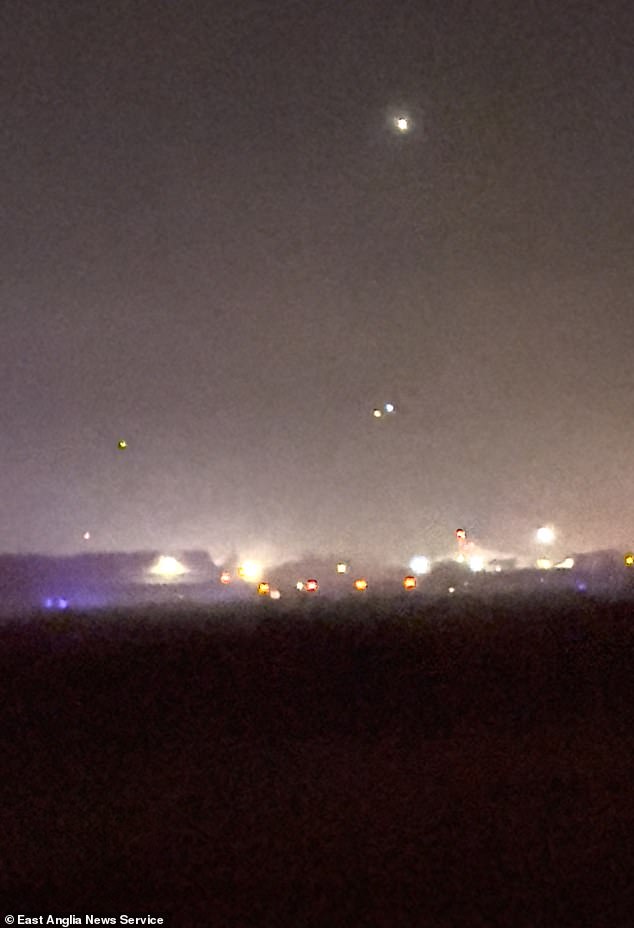
Russian unmanned aerial vehicles have entered British skies and remained hovering above RAF and U.S. military installations, a report has found.

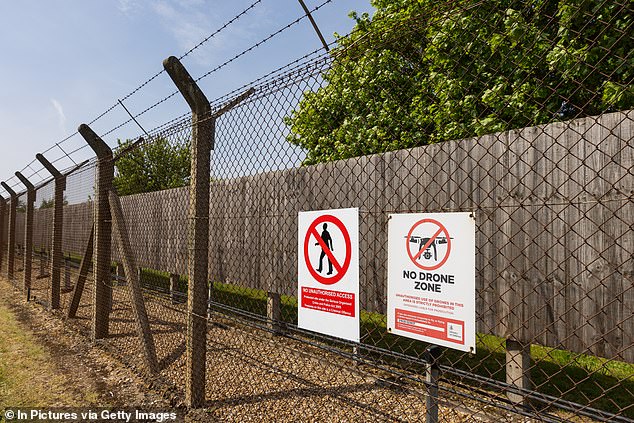
Unmanned air vehicles struck the Lakenheath and Mildenhall facilities in Suffolk, RAF Fairford located in Gloucestershire, and RAF Feltwell situated in Norfolk across four days in 2024.

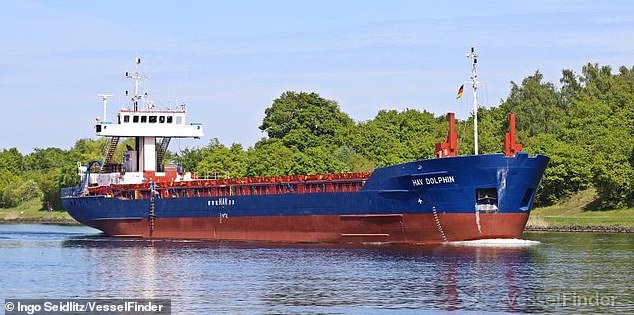
The small platforms were deployed from a Russian intelligence vessel known as the HAV Dolphin, which was observed near the shores of Humberside during the mission.

A security emergency led to the deployment of specialized British forces, equipped with skills and tools for countering Russian drones, at these facilities.

New information about a classified Russian mission has come to light today. In November 2024, the UK government refused to recognize the source of the drones.

Currently, the International Institute for Strategic Studies stated that the action formed part of a widespread Russian government initiative across the continent.

According to the IISS, Russia has employed hidden fleet ships operating in international waters to deploy drones above the UK and mainland Europe, revealing significant weaknesses in NATO's aerial defense systems.

The startling revelations emerged just days following the Labour Party's release of its significantly delayed Defence Investment Plan (DIP), sparking intense controversy due to their decision not to fulfill the demands of military leaders for increased funding toward British national security.
Even though high-ranking officials urged otherwise and Defence Secretary John Healey along with Armed Forces Minister Al Carns stepped down, former Prime Minister Sir Keir Starmer declined to challenge the Treasury regarding funding for the Army, Royal Navy, and Royal Air Force.

Only a few weeks ago, the highest-ranking military official in the UK, Air Chief Marshal Sir Richard Knighton, informed Parliament that critical missions aimed at countering Russia would need to be scaled down because of financial constraints.

Even with that caution, the Prime Minister's office revealed early this week a military funding agreement which includes an extra £15 billion added to planned investments within four years.

In order to reach NATO financial goals, the UK administration must secure an extra £25 billion annually through 2035. Specialists suggest this would necessitate raising the standard income tax rate by 3 pence.

According to the IISS, from August 2024 until February 2026, Russia focused its attention on 12 NATO countries as well as Ireland, which is not part of NATO.

Infiltrations of the airspaces of these nations led to significant commercial airports shutting down and interruptions in military operations.

According to the IISS, Russian forces entered the boundaries of several highly secure defense facilities across Europe — including nuclear-related locations where U.S. B61-12 free-fall bombs are stationed and France’s naval base at Ile Longue, which houses ballistic missile submarines.

It is very probable that the Kremlin carried out a drone (UAV) operation across Europe. Our evaluation suggests that Russian-affiliated ships and the "shadow fleet" may have served as launching and recovery points for drones as part of the broader irregular warfare strategy against Europe.

The initiative probably involved several objectives, such as testing reaction speeds and determining decision points, identifying weaknesses in crucial national infrastructure, causing financial and mental burdens on European communities, and interfering with civil air travel.

As soon as Russian drones were spotted, 60 Royal Air Force electronic warfare experts were deployed to safeguard the facilities, which are used jointly by British and American staff.

Highly specialized forces were instructed to stop any unmanned aerial vehicles (UAVs) that could endanger planes or military staff and to maintain mission secrecy.

Russian helicopter missions could have been initiated as a reaction to Ukraine launching American and British ballistic missiles into central Russia for the initial instance.

Specialists from the Royal Air Force's 34 Squadron, stationed at RAF Leeming in North Yorkshire, arrived.

They had thermal imaging cameras, radio frequency and sound detectors, GPS blockers, and extended range drone-defeating weapons.

At approximately the same time, an unknown drone was also seen following the UK's £3.5 billion aircraft carrier, HMS Queen Elizabeth. Russian drones were spotted in Latvia and Romania.

During that period, the Royal Navy's main ship was arriving at the harbor in Hamburg, located in northern Germany. A 1.5-meter-by-1.5-meter unmanned aerial vehicle, which remained unidentifiable, was subjected to HP-47 jamming devices by security personnel prior to its departure.

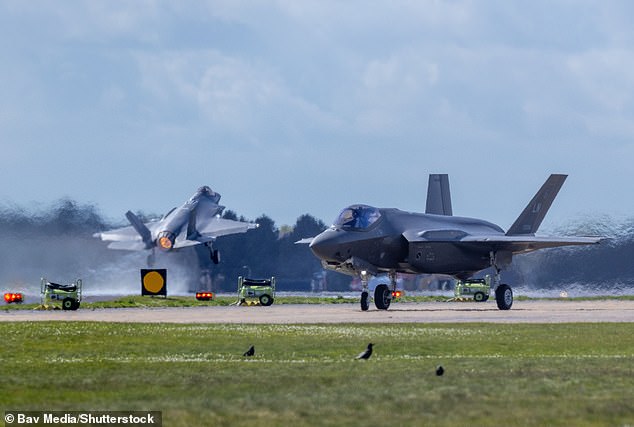
The three locations hold significant importance and represent symbolism for the Kremlin. Currently, RAF Lakenheath in Suffolk serves as the base for the U.S. Air Force's 48th Fighter Wing, which operates F-15 and F-35A supersonic aircraft.

Throughout the Cold War, it was one of the U.S. Air Force installations designated for holding nuclear arms within this nation. Earlier this year, reports surfaced indicating that atomic weaponry might make a comeback at the facility.

Reports indicated that RAF Lakenheath was getting ready to accommodate and secure weapons possessing destructive potential far exceeding that of the atomic bombs used during World War II on Hiroshima.

Aircraft stationed there have been modified to deploy what are known as "tactical gravity nuclear weapons."

Articles were also released, later quickly taken down by U.S. defense authorities, indicating further protective bunkers might be built at RAF Lakenheath for an "imminent nuclear operation."
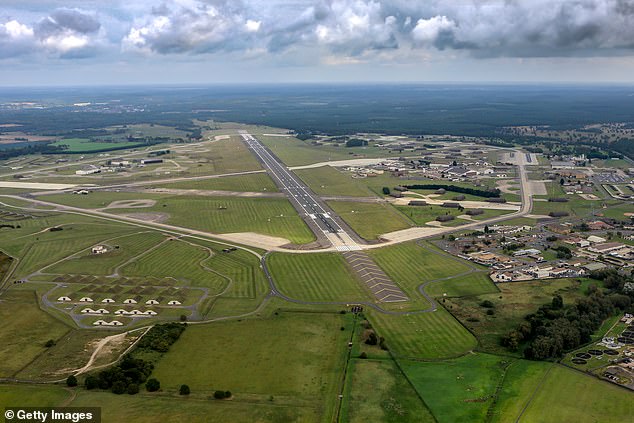
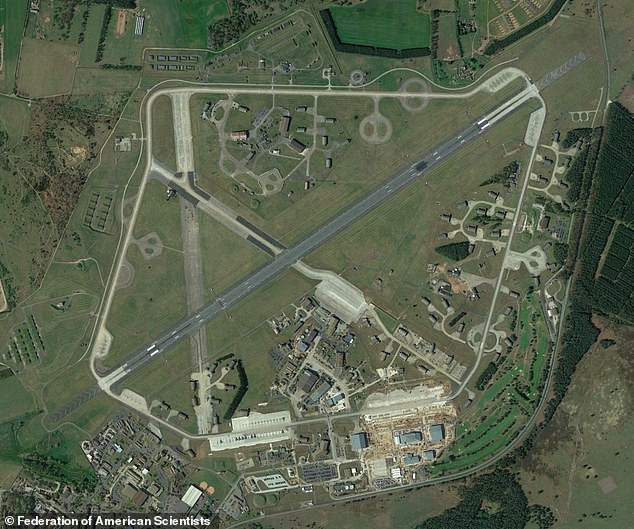
As per open-source information, over 4,000 American soldiers are stationed there.

Close by, RAF Mildenhall aids US Air Force activities and hosts its 100th Air Refueling Wing, which operates Boeing KC "Stratotankers."

RAF Feltwell, located in Norfolk, holds equal importance because it contains the U.S.'s enigmatic radomes—weather-resistant domes designed to safeguard advanced radar and electromagnetic equipment.

The U.S. Space Force along with the 73rd Intelligence, Surveillance, and Reconnaissance Wing are also located there.

In 2024, former MI5 head Ken McCallum stated that Russian intelligence services were instructed to create ongoing chaos on UK and European streets.

Several mysterious fires and acts of destruction were believed to have occurred.

Bases are secured using radio transmitters that, upon activation, send out signals meant to interfere with a drone's communication systems.

This severs the connection between the drone and its remote control. Additional systems function as what are known as "electronic barriers," preventing drones from passing through.

Scholars determined that the Kremlin probably utilized Orlan-10 drones, which have been part of the Russian armed forces and intelligence services since 2010.

A two-member land-based team controls the UAV, which readily accommodates the deck area of an average-sized merchant vessel. The Orlan-10 boasts a range exceeding 300 miles and can remain airborne for 12 hours at top speeds reaching 80 mph.

Importantly, these operational metrics align with the Orlan-10 being deployed from a Russian covert naval ship in the North Sea and operating to and from classified military locations in Suffolk and Norfolk.

Residents also remembered hearing a sound resembling the operation of the Orlan-10’s internal combustion engine — unlike the high-pitched hum typical of electric motors found in more sophisticated first-person view (FPV) drones.

Read more

Relebohile Mofokeng Joins Union Saint-Gilloise in Major Move

The South African player Relebohile Mofokeng has started a fresh phase in his soccer journey after leaving Orlando Pirates.

A 21-year-old player has committed to a four-year contract with the Belgian club Royal Union Saint-Gilloise, set to expire in June 2030. The agreement includes an additional one-year extension clause.

"I'm extremely pleased to be here," stated Mofokeng following the completion of his contract.

It's a dream to perform in Europe and start our UEFA Champions League qualification campaign shortly. The last year has been truly remarkable, winning the league championship, my debut FIFA World Cup with South Africa, and now taking this significant step in my professional journey. I aim to keep growing as an athlete here. With the support of the team, we will strive to win all possible titles.

A winger from Sharpeville took part in the FIFA World Cup held in the USA, Canada, and Mexico last week as part of Bafana Bafana.

He played in two games, including the elimination match versus Canada, where he teamed up with his new colleague Promise David. Besides his contributions to Bafana Bafana, Mofokeng has been an essential member of Orlando Pirates for many years. During the previous season, he assisted them in securing the league championship.

He played in 125 games for the Buccaneers, netting 29 goals and providing 31 assists. He secured seven significant titles with the Pirates.

Cyber Threat Maps Vary by Region: Japan, Taiwan, Middle East

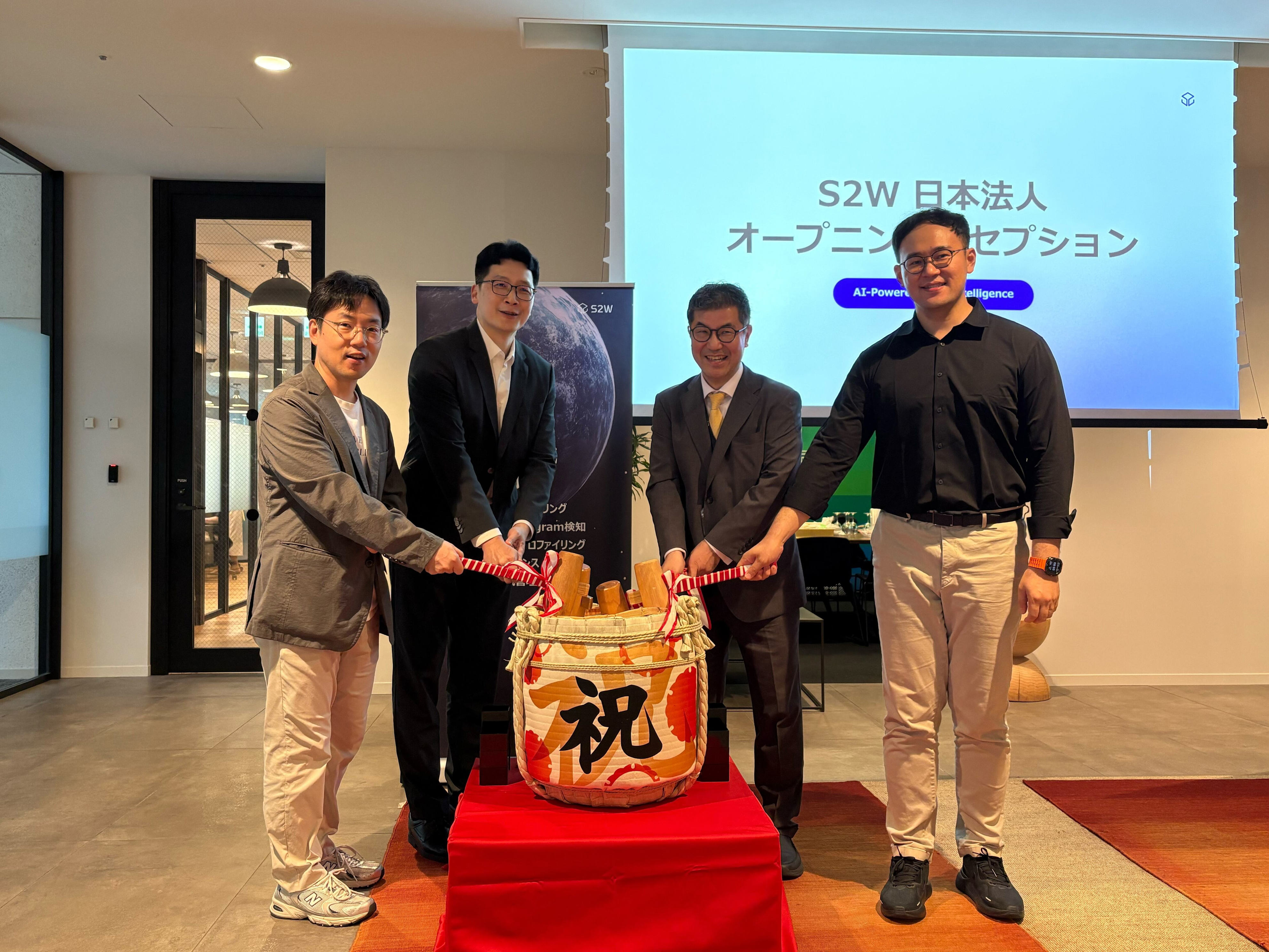
The Interpol organization, responsible for combating international criminal activities, consistently collaborates with a South Korean enterprise when dealing with cybercrime cases. This business entity is known as S2W, an artificial intelligence-driven cybersecurity company specializing in large-scale data analytics, often referred to as the "South Korean equivalent of Palantir." Their main offerings include "Jarvis" and "Quasar," advanced tools designed to process extensive datasets obtained from platforms such as the dark web, Telegram, blockchain, and more, utilizing AI technology to identify and notify governmental bodies and corporations regarding potential security risks and cyberattacks.

S2W is the sole Korean domestic firm involved in Interpol's public-private collaboration initiative known as the "Gateway Initiative." Due to this engagement, it enjoys greater recognition internationally compared to within South Korea itself. The company distributes its offerings across countries such as Singapore, Taiwan, Indonesia, Saudi Arabia, Greece, and various other regions. On June 23, it established a local branch office in Tokyo, Japan, aiming to expedite its expansion into the Japanese marketplace.

The CEO of S2W, Suh Sang-duk, was interviewed at the firm's office in Seongnam, Gyeonggi Province, on June 18 regarding current cybersecurity challenges across different nations. Suh remarked, "Cyber dangers transcend national boundaries," emphasizing, "It is essential to consistently gather and examine threat information worldwide, while adapting effectively to local conditions."

◇ Japan Braces for Proliferation of "South Korean-Type Cybercrime"

S2W's present emphasis lies on Japan. It extended its agreement with a Japanese governmental body in March, increasing the contract amount threefold. Suh stated, "A traditional society that depended on cash transactions and direct interactions witnessed numerous changes toward contactless systems following the COVID-19 pandemic, resulting in an increase in cybercriminal activities." Specifically, Japan remains vigilant because cybercrime trends initially observed in South Korea—nations undergoing swift digital transformations—are anticipated to appear later. Both nations encounter regular cyberattacks originating from North Korea and China.

A significant market is Taiwan. Being a major center for semiconductors and production, it faces substantial threats from cybercriminals and ransomware organizations. Suh stated, "By the first half of this year, Taiwan experienced the highest number of ransomware incidents in Asia," further mentioning, "Government departments, international technology corporations, maritime businesses, and more are all facing these assaults."

Indonesia encounters substantial security challenges as well. He stated, "Political unrest has resulted in numerous hacktivist groups directing their efforts toward the government, further intensified by strong cyber abilities possessed by nearby nations such as China." Singapore, an international financial center, specifically concentrates on protecting itself from assaults originating from North Korea and China, along with overseeing illicit trafficking pathways that go through the nation.

◇ A 'Cyber Conflict' Between the Middle East and Europe

The present-day digital environment can be described as a "battlefield." Suh highlighted four nations—North Korea, China, Russia, and Iran—as major actors, noting, "These regimes back hacker teams that breach enemy countries in advance of causing severe damage to essential systems such as electricity networks."

This scenario is particularly clear in the Middle East, where disputes involving Israel and instances of Iranian cyberattacks occur regularly. There is a strong demand for analyzing Telegram data. Suh noted, "Telegram is easier to access compared to the dark web, resulting in quicker uploads and greater sharing of information. Following the conflicts in the Middle East, advanced persistent threat (APT) groups and hacktivists have chosen Telegram as their primary platform, greatly boosting local interest." The area tends to prefer offerings from South Korea, Russia, and China rather than American services.

In Europe, rules such as the European Union's General Data Protection Regulation (GDPR) have emerged as a key factor for security firms. Suh mentioned, "Although Western Europe continues to be a bigger market, interest in cyber protection in Eastern Europe has increased consistently since the conflict between Russia and Ukraine began."

Expanding into international markets hasn't been without challenges. After setting up a U.S. branch in 2022, S2W faced difficulties because of powerful regional rivals. This situation highlighted the significance of employing local specialists to manage activities and developing an effective distribution system. As for upcoming objectives, Suh stated, "S2W is shifting from merely gathering and managing data to organizing it within relevant contexts for decision-making purposes, with the aim of becoming a worldwide data analytics firm connecting security and various industries."

Sunday, July 12, 2026

Flavoured Noodles Trigger Over 100 Salmonella Outbreaks Across Europe

Health authorities from Europe have identified an increase in salmonella cases associated with flavored noodle items, with 106 verified instances spread over 14 nations.

Most of the incidents involved children and young adults, with at least 49 individuals needing hospital treatment, as reported by the European Food Safety Authority and the European Center for Disease Prevention and Control.

"Flavored noodle products are considered the primary cause of a continuing multinationwide infection outbreak, with proof connecting the cases to goods from the same manufacturer," stated the authorities.

Authorities from Europe mentioned that instances have been recorded in Austria, United Kingdom, Czech Republic, Denmark, Estonia, France, Germany, Hungary, Latvia, Lithuania, Netherlands, Norway, Poland, and Sweden.

The organizations stated that the actions implemented, such as withdrawals and product recalls across various nations, "greatly decrease the chance" of additional cases linked to the incident.

Health studies have revealed that the confirmed cases in Denmark, Estonia, Germany, Latvia, and Lithuania were linked to eating flavored noodle items from the same manufacturer.

They didn't mention the supplier, but stated that instances associated with Salmonella Stanley and other types were related to a manufacturer in Ukraine.

Reeva Foods mentioned in a statement from last week about an "alleged finding" of Salmonella Stanley within a particular batch of its ready-to-eat noodles sold in the Baltic region, which were manufactured by Euro Food Service, a Ukrainian company responsible for producing Reeva’s goods.

The organization stated that it initiated an internal investigation and removed the affected batches. It mentioned that actions have been implemented, such as third-party lab analysis, compliance inspections, environmental checks, and further precautionary measures.

"Ensuring the safety of our customers is our main concern," Reeva stated. It mentioned that it is working alongside officials.

Common signs of salmonella infection are diarrhea, fever, abdominal cramps, feeling sick, and throwing up, usually lasting several days.

Many individuals who become ill find they feel better within seven days; however, illnesses may pose greater risks for infants, elderly persons, and those with compromised immunity.

Beijing: China-EU Trade Talks Set for Fall, Held Annually

China and the European Union will conduct high-level trade discussions one or two times annually, according to China's Ministry of Commerce on Thursday, as both parties aim to boost and adjust their commercial relations.

The European Union is experiencing increasing demands to cut down its trade imbalance with China, which expanded to approximately 360 billion euros ($410 billion) in the previous year, equivalent to almost one billion euros daily. Chinese automobiles and battery products are some of the goods being more frequently shipped to Europe.

According to a new China-EU trade and investment dialogue framework, Beijing has also extended an invitation for European Union Trade Commissioner Maroš Šefčovič to travel to China during the fall, stated Ministry spokesman He Yadong to journalists.

He mentioned that both parties plan to enhance their cooperation in fields such as artificial intelligence and the shift toward sustainable energy sources.

Beijing's comments came after a discussion held between Šefčovič and Wang Wentao, China's trade minister, on Monday in Brussels. Following the meeting, Šefčovič stated he plans to visit Beijing this autumn.

With the growing trade deficit between China and the European Union, Europe must "protect our manufacturing sector and continue striving for fair competition worldwide," Šefčovič stated. He has established an October deadline for substantial progress on balancing trade relations.

On Wednesday, fresh EU regulations aimed at safeguarding the European steel sector and restricting small online shipments came into force, primarily directed at Chinese companies and imported goods.

A social media account affiliated with Chinese state media, Yuyuantantian, stated in a recent posting that China is open to boosting its purchases from the European Union; however, the EU must ease restrictions on exporting advanced technology goods to China and avoid turning trade and economic matters into tools for confrontation.

In June, heads of state from the G7 countries released a shared statement emphasizing the importance of strengthening their supply networks for essential minerals, which are vital for numerous advanced technology and military industries, as part of efforts to decrease dependence on China.

Supplied by SyndiGate Media Inc. ( Syndigate.info ).

How the Entry-Exit System Is Haunting Europe’s Summer Travelers

A ghost is lingering over Europe, or at least its outer boundaries—the Entry/Exit System (EES), an automatic tool designed to track foreigners coming into and departing from the Schengen Zone, potentially disrupting the vacation period for countless travelers.

The European Entry System is slowly moving away from traditional passport stamps, implementing a digital process that tracks travelers' entry and departure times within the Schengen Zone for brief visits. This new approach gathers biometric details like face scans and handprints, alongside personal information obtained from travel papers.

It has been implemented across all external boundaries of the 29 nations within the visa-free zone, which includes all European Union member states excluding Cyprus and Ireland, along with Switzerland, Liechtenstein, Iceland, and Norway.

To whom does it apply?

The policy covers individuals from outside the EU/Visa-free zone who are visiting Schengen or European Union nations for brief visits.

A "brief visit" refers to a duration of up to 90 days within an 180-day timeframe, intended for leisure travel, professional visits, or familial gatherings. Non-residents are required to obtain a "short-term" visa prior to entering Europe and must not surpass the authorized length of their stay upon arrival.

Individuals traveling from specific nations, including the United States, United Kingdom, Australia, or various Latin American countries, do not need a visa; however, they must comply with the EES system.

Residents of the EU and Schengen area countries do not undergo these inspections, along with citizens of Andorra, San Marino, Vatican City, and Monaco.

Additional exemptions apply to non-citizens holding long-term visas or residency documents issued by a Schengen nation, as well as airline and railway staff traveling internationally, and military personnel.

What is the reason for establishing the EES?

The EES aims to speed up and enhance the efficiency of border controls, simultaneously strengthening security through providing border officials and national agencies with travelers' data, enabling them to identify threats linked to international crime and terrorism.

A primary objective is to hinder unauthorized immigration. The EES monitors arrivals and departures by capturing biometric information such as fingerprints and face recognition details into an electronic system, aiming to stop individuals from remaining beyond their authorized stay in a Schengen area nation or employing false identification.

According to the European Commission, over 40,000 individuals have been denied access since the implementation of the policy, with causes including outdated or fake documentation, or failing to adequately explain the purpose of their trip.

Over 1,000 individuals have additionally been recognized as presenting threats to Europe's safety.

What's the problem?

The EES started functioning completely on 10 April 2026, after a step-by-step introduction that commenced on 12 October 2025. The deployment has taken place gradually over six months, once every Schengen country submitted its "statement of preparedness" for adopting the system. Nevertheless, the process hasn't been entirely smooth.

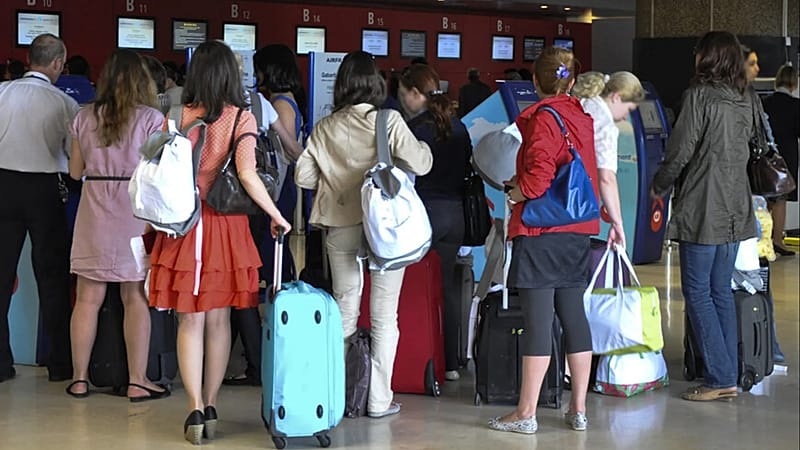
The EES operates at land, sea, and air borders, yet its execution is causing delays and congestion primarily at airport terminals, resulting in extended lines and intricate processes.

Airports and airlines are facing operational challenges, resulting in delayed flights and lost connections, affecting not only Europe's biggest hubs but also smaller airports that cater to popular tourist areas, since certain terminals lack sufficient functionality, such as adequate staffing for customs, proper facilities, and automatic border control systems.

As a result, multiple partially empty flights remain at the gates when they close, with travelers still waiting in line for border checks. The wait times at immigration have risen sharply, occasionally extending up to five hours during busy travel seasons, affecting millions of passengers.

According to a letter submitted to the European Commission by groups representing airlines and airports, the current state has "become critically urgent."

The European Airlines Association, ACI Europe, and the International Air Transport Association called for "urgent action" and sought leniency to fully halt the EES system during July and August "if passenger numbers surpass the capabilities of border control infrastructure."

Over the next two months, with the holiday period reaching its height, European airports are projected to manage around 40 million additional travelers compared to the numbers seen in May and June.

Uku Särekanno, an assistant head of the European Union border authority Frontex, said that conditions will become stable within one or two years, since obtaining fingerprints from travelers outside the EU during their initial arrival at the Schengen Zone is "likely the hardest aspect" of implementation.

What actions is the Commission taking?

As per the regulations, countries within the Schengen area have some limited temporary permission to stop collecting biometric information when their immigration officials face challenges managing the number of travelers.

Nevertheless, no additional exceptions are permitted.

Greece considered Halting the gathering of biometric information from UK travelers because of strain on its tiny island airports throughout the festive period, although the European Commission stated that pausing the system is allowed solely during times of heavy traveler flow at particular border crossings and does not extend to any nationality group.

In response to feedback from the aviation industry, a representative of the European Commission stated that every possible action is underway to minimize effects on passengers across the EU, asserting that in the majority of EU airports, the consequences remain minimal.

"The Commission has been strongly assisting member countries and the air transport sector in adopting the new system, and we will maintain and enhance our assistance when necessary," the representative stated.

The Commission has requested an "emergency session" with government officials and aviation sector representatives, scheduled for the near future.

German Tourist Killed, Son Injured in Ngorongoro Safari Crash

Arusha: A German visitor was fatally struck, with her 17-year-old son sustaining serious injuries, following an incident where a safari vehicle allegedly experienced brake malfunction and crashed into tourists at a well-known viewing spot within the Ngorongoro Conservation Area.

A woman thought to be around 45 years old was traveling through Tanzania with her husband and child as part of a family safari trip that featured a stop at the famous protected region. Her identity remains undisclosed upon the request of her relatives, so they can have space for grief.

Based on initial police reports, the incident happened soon after a safari truck—a long-range Toyota Land Cruiser bearing the license plate T665 BSR—belonging to Kimgoni Tanzania Safaris reached the Ngorongoro viewing area following a journey from Serengeti to Arusha.

The car, carrying four people, was operated by Hillary Mallya, who has been arrested by authorities as the inquiry proceeds.

The head of Kimgoni Tanzania Safaris, Mr. Philipo Kimgoni, stated that the driver first mentioned the car's brakes had stopped working, but the company subsequently indicated there might have been a short-term technical issue.

"Nevertheless, upon examining the car, we discovered the brake system was undamaged. There might have been a short-term mechanical issue," he stated, mentioning that authorities had already initiated an investigation.

Eyewitnesses reported that the car abruptly lost control just after reaching the viewing area, where multiple visitors had exited their game drive vehicles to enjoy the breathtaking vista of the Ngorongoro Crater.

A speeding car was said to have crashed through protective barriers and hit people at the location.

The victim and her son, who were traveling in an individual safari jeep from Zara Tanzania Adventures based in Moshi, had exited at the viewing area when they were struck.

A teenage individual suffered severe wounds and is currently undergoing medical care, whereas his mother passed away on-site even after attempts were made to provide emergency assistance.

Authorities stated that the family was following a planned safari route through northern Tanzania at the time of the event.

The German Embassy in Arusha stated that it has not yet been officially informed about the event by officials.

The Arusha regional police chief, SACP Justine Masejo, stated that inquiries are still underway to identify the precise reason behind the accident and assess if any carelessness or legal responsibility played a role.

Officials are set to investigate the car's mechanical status, the driver's behavior, and the safety measures in place at the location during the investigation.

Supplied by SyndiGate Media Inc. ( Syndigate.info ).

The Power of Travel Cards: What Every Explorer Gains

By Kwame OFORI-OFFEI

Every year, millions of individuals journey around the globe for various motivations, yet irrespective of their intent, they typically experience a blend of enthusiasm and nervousness. The thrill of encountering fresh traditions and adventures is frequently accompanied by worries related to finances. Is cash acceptable here? Will my credit card function properly? What will be the total expense? For numerous contemporary travelers, a single remedy has helped alleviate these issues: the preloaded travel card.

In Ghana, where the cedi's instability adds complexity to financial management, this issue becomes even more critical. Suffering losses due to currency fluctuations, concealed transfer charges, or credit card theft can ruin a vacation, put pressure on a business journey, or create challenges for studying overseas. Gaining knowledge about how travel cards function, as well as their development over time, can greatly enhance financial assurance during travels.

From an abandoned purse to a credit card

Payment cards can be traced back to 1950, when an American entrepreneur named Frank McNamara left his wallet behind at a restaurant in New York City. Feeling embarrassed yet motivated, he helped establish Diners Club—the first charge card accepted by multiple merchants—enabling customers to settle bills at eateries and accommodations without needing physical money. By the middle of the 1950s, Diners Club had grown to include air travel companies, lodging facilities, vehicle rental services, and cruise lines, setting the stage for today's electronic transaction systems.

The emergence of pre-paid cards

Prepaid cards became popular in the 1980s within the telecommunications sector, where they were used as telephone cards for payphones. By 1996, U.S. welfare changes substituted paper-based food coupons with Electronic Benefit Transfer (EBT) cards, spurring the growth of reusable and broadly recognized prepaid options. This represented an important change: a payment card could now serve effectively without being connected to a banking account or credit facility.

As time passed, prepaid cards expanded past their initial uses for welfare and gifts. They developed into a secure, manageable, and widely recognized method of carrying funds — known as a Digital Wallet. Modern pre-paid travel cards are usually associated with leading international payment brands that enable digital payments, offer multiple currencies, can be refilled, and come with mobile applications allowing users to track balances, review transaction history, access PIN details, and quickly lock cards when needed.

The unseen price of ease

Carrying out transactions overseas with a regular debit or credit card typically incurs hidden charges. Many financial institutions impose international processing fees, which are generally included within currency conversion rates. In Ghana, such costs may amount to as much as 7.5% for each transaction.

Furthermore, if retailers allow you to pay in your local currency — a method called Dynamic Currency Conversion (DCC) — the additional fee might be greater.

On their own, these expenses might appear minor, yet they can accumulate rapidly. During a two-week journey, a traveler relying on a regular debit card might end up losing the value of multiple hotel stays due to charges they might overlook.

A travel card that is preloaded with the local currency of your destination removes many of these expenses. It incurs no international transaction charges and protects against changing exchange rates. Travelers can be certain about their available funds right from the beginning.

Fiscal restraint and currency stability maintenance

Prepaid travel cards promote controlled spending habits. When a set amount is loaded onto the card, travelers establish an automatic budget cap. In contrast to debit or credit cards connected to a banking account, which may lead to excessive spending, a prepaid card ceases to function once the balance is depleted.

This framework enables tourists to remain within their financial limits and minimizes monetary remorse after their journey.

Travelers visiting countries with unstable economic conditions find the advantage of exchange rates highly significant. When money is added to a travel card, it is fixed at the current exchange rate. This means that even if the local currency becomes weaker prior to or throughout the journey, the traveler remains safeguarded. For instance, if a person from Ghana adds foreign currency to their card three months ahead of time, any decline in the value of the cedi over this period won’t affect their purchasing ability abroad. In contrast, someone using a regular debit or credit card would suffer this financial loss.

Why it is important for travelers from Ghana

Ghanaians frequently journey far — students head to the UK, U.S., Canada, and European countries; business professionals go to major international finance hubs; entrepreneurs venture to China, Turkey, and Dubai; families move throughout West Africa; and individuals seek medical treatment in South Africa, India, and Europe.

Throughout these travels, one recurring issue persists: how can you transport funds securely, conveniently, and cost-effectively, particularly in societies that are becoming more digital?

Although debit and credit cards may act as alternatives, they are often not the best choices for regular use because of international transaction charges, poor currency conversion rates, and the possibility of revealing your full banking amount or available credit.

A pre-paid travel card provides a safer option. By adding foreign currency prior to traveling, via a bank, the traveler removes exposure to fluctuating exchange rates. Any changes in the cedi-dollar rate throughout the journey do not affect the amount available; the value remains fixed.

Another key benefit is enhanced security and ease of use. Should the card be misplaced or taken, the main banking account stays protected. Specialized applications offer instant monitoring and management, along with worldwide customer service to provide help regardless of location.

No matter whether you're paying at a New York hotel, a London supermarket, a Paris restaurant, or online platforms in China, the dependability of a pre-paid card offers reassurance.

Conclusion

The pass has evolved significantly, transitioning from a basic charging card used by New York professionals into an advanced, application-supported, multi-currency financial service available to regular travelers.

In a setting where currency fluctuations are uncertain and global transfer charges may be high, travelers from Ghana merit more efficient monetary options.

With features like budget management, safety, and reliability, prepayment travel cards—like the Stanbic MoneyWallet Prepaid Travel Card, which is currently the sole option of its type in Ghana—are an effective and innovative solution for travelers seeking peace of mind financially.

Supplied by SyndiGate Media Inc. ( Syndigate.info ).

Saturday, July 11, 2026

Why Hospital Libraries Matter: Aga Khan University Launches Cutting-Edge Research Hub

Dar es Salaam. With diseases growing increasingly complicated and medical knowledge advancing faster than ever before, health professionals state that hospitals can no longer depend only on advanced technology and specialized physicians to provide high-quality treatment. Availability of current scientific research has now emerged as just as essential a component of healthcare.

Amidst this setting, the Aga Khan University (AKU) has introduced an advanced research library at the Aga Khan Hospital in Dar es Salaam, an initiative anticipated to enhance clinical judgment, medical studies, and ongoing professional development for health professionals.

In contrast to traditional university libraries, the newly built space is located inside the hospital, enabling physicians, nursing staff, experts, trainees, and also patients to obtain medical and learning materials without needing to exit the healthcare setting.

During the event held on July 1, 2026, Professor Paschal Ruggajo, Head of AKU Medical College, stated that the library was created to connect education, research, and medical treatment.

"Esta biblioteca única fue creada dentro del entorno de la clínica para garantizar que los médicos, estudiantes y hasta los pacientes tengan acceso fácil a información y oportunidades para el aprendizaje continuo", dijo él.

He mentioned that the library contains a variety of medical textbooks addressing undergraduate, specialized, and highly specialized education, along with research materials and non-medical books to meet wider educational requirements.

"we think high-quality education, research, and top-notch medical care are closely connected. To keep enhancing health services, we need to maintain our support for learning," said Professor Ruggajo.

He stated that the majority of specialty trainees dedicate a significant portion of their time to seeing patients in hospital wards.

"Having the library inside the hospital allows a physician to step away from the ward, access up-to-date medical resources, examine research findings, and come back to the patient with more knowledge. This enhances the standard of treatment," he stated.

The facility was formally opened by Dr Sulaiman Shahabuddin, president of Aga Khan University, highlighting the organization's dedication to combining educational initiatives with medical services.

Around the world, medical systems are progressively adopting evidence-based medicine, wherein clinical choices are guided by recent scientific findings instead of just standard procedures.

As per the World Health Organization (WHO), ongoing professional growth plays a crucial role in ensuring an effective healthcare team and attaining Comprehensive Healthcare Access (UHC).

The group highlights that medical professionals need continuous access to current information since illnesses, tools, and therapeutic standards keep evolving.

In addition to healthcare professionals, AKU states that the new library will also assist patients and their relatives by offering informative resources that can enhance their comprehension of illnesses, available treatments, and ways to maintain a healthy life.

The head librarian of AKU in Tanzania, Dr. Jacqueline Kiwelu, stated that the organization once managed a significantly smaller library which was no longer sufficient for its expanding number of students.

"Previously, the library had insufficient space, which made it challenging for students to study in comfort. The new building offers expanded reading spaces, meeting rooms, and improved educational materials for students studying medicine, nursing, and midwifery," she stated.

She mentioned that specific areas have been set up for personal study along with sessions for group conversations to encourage teamwork in education.

The significance of these resources is growing clearer as Tanzania develops specialized health care offerings and focuses on educating additional medical personnel.

As referral hospitals deal with an increasing number of patients facing cancer, heart disease, diabetes, and other complicated illnesses, medical professionals must constantly refresh their expertise to stay aligned with worldwide developments.

Professionals emphasize that although funding for advanced diagnostic tools and hospital facilities continues to be crucial, having access to reliable scientific data is what allows medical practitioners to utilize these technologies efficiently.

From the perspective of patients, the influence of a hospital library might not always be obvious. However, beneath each precise diagnosis, well-chosen treatment strategy, and effective medical operation typically stands a healthcare professional who can quickly obtain up-to-date medical information.

By making information more accessible at the point of care, the Aga Khan University library aims to enhance both learning and research, as well as improve the standard of medical services provided to people in Tanzania.

Supplied by SyndiGate Media Inc. ( Syndigate.info ).

Russia's Drone War Against the UK and Europe Unveiled

Russia deployed hundreds of drones and secret UAVs throughout Britain and Europe using their hidden fleet as part of preparations for an upcoming war.

The International Institute for Strategic Studies has released a sobering report where they discovered Vladimir Putin's hidden fleet of vessels deploying drones over Britain and Europe, aiming at airports, military installations, and nuclear facilities.

Several locations impacted by the surveillance drones included RAF Fairford, Feltwell, Lakenheath, and Mildenhall, along with numerous locations throughout mainland Europe.

They cautioned that it is probable that Russian-connected ships and the 'shadow fleet' served as takeoff or retrieval bases for drones as part of Moscow's broader irregular conflict against Europe.

Starting from 2024, unexplained drone encounters have caused concerns at airports, military installations, and residential zones, with Russia continuing to push the boundaries of its surveillance technology.

The IISS noted that the Kremlin probably could identify response times, coverage holes, and constraints within Europe's combined air defense systems.

Drones monitored key facilities too, prompting a 'crucial initial action in intense warfare,' according to the report.

Chatham House specialist on Russia, Keir Giles, stated Ants that the study's conclusions come as no surprise.

The shadow fleet was previously identified as the probable origin of some of these drones," he said. "Russia discovers what can be done, but it also gains insight into how willing the target nation is to react.

That provides valuable insight if they're expanding their limits or determining how much they can manage in preparation for a direct assault prior to initiating it.

The absence of reaction from nations targeted by these drones merely 'motivates' Russia to persist with this conflict, he further stated.

The nations affected by Russian aggression must be assured by their governments that they can prevent and protect themselves from a possible assault, he stated.

'Unluckily, currently, none of those points holds true. Therefore, whatever is occurring behind the curtain isn't reaching the general public, and this will further reinforce the perception that Russia is permitted to conduct these activities, which in numerous respects resemble acts of warfare, with absolutely no repercussions.'

For many years, top specialists in the United Kingdom have cautioned that Russia is already engaged in conflict with the UK.

Foreign entities have been linked to cyber attacks, strange drone activities, and other issues. At the end of 2024, it was revealed that a 'highest-ever number of events' affected the UK's 'essential' water supply systems in 2024 — not officially announced, as per Recorded Future News .

From August 2023 to March 2024, approximately 46,000 flights took place in regions including the Baltic area, Black Sea and eastern Mediterranean reported instances of interference – thought to be caused by Russian involvement.

In early 2023, MP Oliver Dowden exposed the National Cyber Security Centre (NCSC) released an ' "official warning message" to individuals involved in managing essential national facilities referring to an "emerging threat from state-backed opponents" due to the conflict between Russia and Ukraine.

Keep informed of the latest discussions by subscribing to Ants's News Updates publication.

ILO Reaffirms Commitment to Labor Justice Amid Judicial Transition

Dar es Salaam. The International Labour Organization (ILO) has reiterated its dedication to enhancing labor fairness and advancing social equity in Tanzania during a send-off and welcoming event hosted at Kazi House in Dar es Salaam.

The ceremony recognized Judge Mlyambina for his contributions within the Labor Division of Tanzania's Supreme Court and introduced Honorable Judge Kerekamajenga as the new judge assigned to the division.

It gathered delegates from the Judiciary, Government, employer and worker groups, the legal community, development allies, and the ILO, all of whom praised the departing judge's efforts and emphasized the significance of ongoing collaboration in promoting labor justice.

During the event, Caroline Mugalla, the ILO Representative for Tanzania, Kenya, Rwanda, and Uganda, emphasized the partnership between the ILO and the Judicial system in advancing fair labor practices and social equity.

"A robust labor justice system is essential for promoting fair employment and social equity. The ILO highly appreciates its enduring collaboration with the Tanzanian judiciary, which has improved access to justice, encouraged adherence to workers' rights, and helped build more inclusive and stable labor market structures," she stated.

Ms. Mugalla mentioned that the organization anticipates enhancing the collaboration to assist employees, business owners, and governmental initiatives aimed at creating a more equitable workplace environment.

She further praised Judge Mlyambina for his guidance in enhancing labor legal frameworks, highlighting his involvement in projects carried out together with the ILO, such as the release of Labor Court Division court decisions and training programs designed to enhance uniformity in handling labor conflicts.

The ILO expressed appreciation for Hon Justice Kerekamajenga, highlighting its dedication to maintaining collaboration with the Judicial branch in improving access to labor justice, boosting organizational capabilities, and assisting in the enforcement of global labor norms.

The group pointed out that the shift in leadership occurs during a period where labor markets are quickly changing because of technology advancements, environmental changes, population trends, and emerging work arrangements, emphasizing the importance of flexible and easy-to-access labor justice frameworks.

Attendees of the gathering emphasized that continuous communication between the Judicial branch, government bodies, employer associations, worker groups, and developmental allies continues to be essential for establishing robust labor market structures that encourage equity, confidence, and long-term economic progress.

The ILO restated its backing for Tanzania's Decent Work Initiative, emphasizing its dedication to enhancing labor justice systems that enforce the rule of law, safeguard workplace rights, and foster fair and inclusive job markets.

Supplied by SyndiGate Media Inc. ( Syndigate.info ).

**"Ennova: Empowering Youth Entrepreneurs – AFA's Spotlight on SMEs Day"** Let me know if you'd like a version with more emphasis on the award nomination!

The ENNOVA platform, which focuses on supporting entrepreneurs within the African Development Bank Group, has received a nomination for a "Salute to Excellence Award" from The National Association of Black Journalists (NABJ).

The Bank designed ENNOVA To encourage an entrepreneurial mindset among young people in Africa. The AI-driven online platform provides resources, training programs, and connections to enhance youth business ventures, improve digital competencies, and link African entrepreneurs with employment and financial support possibilities.

The leading organization for journalists and media professionals from ethnic backgrounds in America presents these awards to honor outstanding reporting and communication efforts that effectively highlight the experiences and topics related to the African and African American diaspora.

The Bank’s ENNOVA initiative and promotional campaign has been shortlisted for the Salute to Excellence Awards in the "PR and Marketing Campaigns: Cause-Related Business" category. The Bank collaborated with five organizations focused on development to introduce ENNOVA, and the communication efforts led to a 58.8% rise in service platform users within less than ten months.

Managed by the Innovation and Entrepreneurship Lab within the Bank’s Human Capital, Youth and Skills Development Department, ENNOVA launched its initiative in February 2025 during a keynote gathering at the Sankalp Africa Summit, which is considered one of Africa's most significant events focused on entrepreneurship and sustainability. The discussion along with the Bank-sponsored exhibition stand highlighted how ENNOVA links entrepreneurs, universities, financiers, and business assistance organizations—groups committed to supporting new ventures, small businesses, and expanding enterprises to grow effectively.

The Bank's Recognition of Outstanding Achievement Awards mention a collection of Bank communications launched during the ENNOVA event and shared until the end of December 2025, including an ENNOVA explanation. videos and launch event summary video , press release exhibition stand promotion, media interaction, social media content highlighting ENNOVA offerings, a youth beneficiary blog and the ENNOVA platform itself .

View here to watch and discover additional information regarding the ENNOVA initiative aimed at young business owners.

"Being nominated for this Salute to Excellence Awards recognizes ENNOVA's role in supporting the African Development Bank Group's mission of improving skill development and employment prospects for young people and women across Africa, and turning these groups into an economic advantage," stated Dr. Martha Phiri, the Bank’s Director for Human Capital, Youth, and Skills Development.

After the event at the Sankalp Africa Summit, over a third of the approximately 1,500 participants signed up for ENNOVA.

"I learned about ENNOVA and believe it's an excellent platform since it facilitates knowledge exchange, allowing investors and entrepreneurs like me to access information all in one place," stated Nelly Ngongoro, a young entrepreneur signing up for ENNOVA.

The advancement of ENNOVA has been facilitated by supportive development partners who align with its mission to promote young entrepreneurial ventures, creativity, and employment opportunities throughout Africa. These include: the Fund for African Private Sector Assistance; the Organization of African, Caribbean, and Pacific States; Korea-Africa Economic Partnership; the European Commission; and the Swiss government.

The recipients of the Salute to Excellence Awards will be revealed at the National Association of Black Journalists Conference & Career Fair taking place in August in Atlanta, Georgia, USA.

For further information regarding ENNOVA's capabilities, click here to view the program's information leaflet.

© 2026 African Development Bank. All rights reserved. Published by AllAfrica Global Media (Ants).

Tagged: Economy, Business and Finance, Africa, International Organizations and Africa, Children and Youth, External Relations

Supplied by SyndiGate Media Inc. ( Syndigate.info ).