Homes across the globe showcase the history, weather patterns, customs, and lifestyles of various societies. Certain residences are built to endure harsh environments, whereas others focus on providing ease, sophistication, or harmony with the natural surroundings. Whether it’s a Swiss mountain lodge or a Moroccan courtyard house, every kind of dwelling has distinctive design elements and traits adapted to its setting.
Creole House – Caribbean
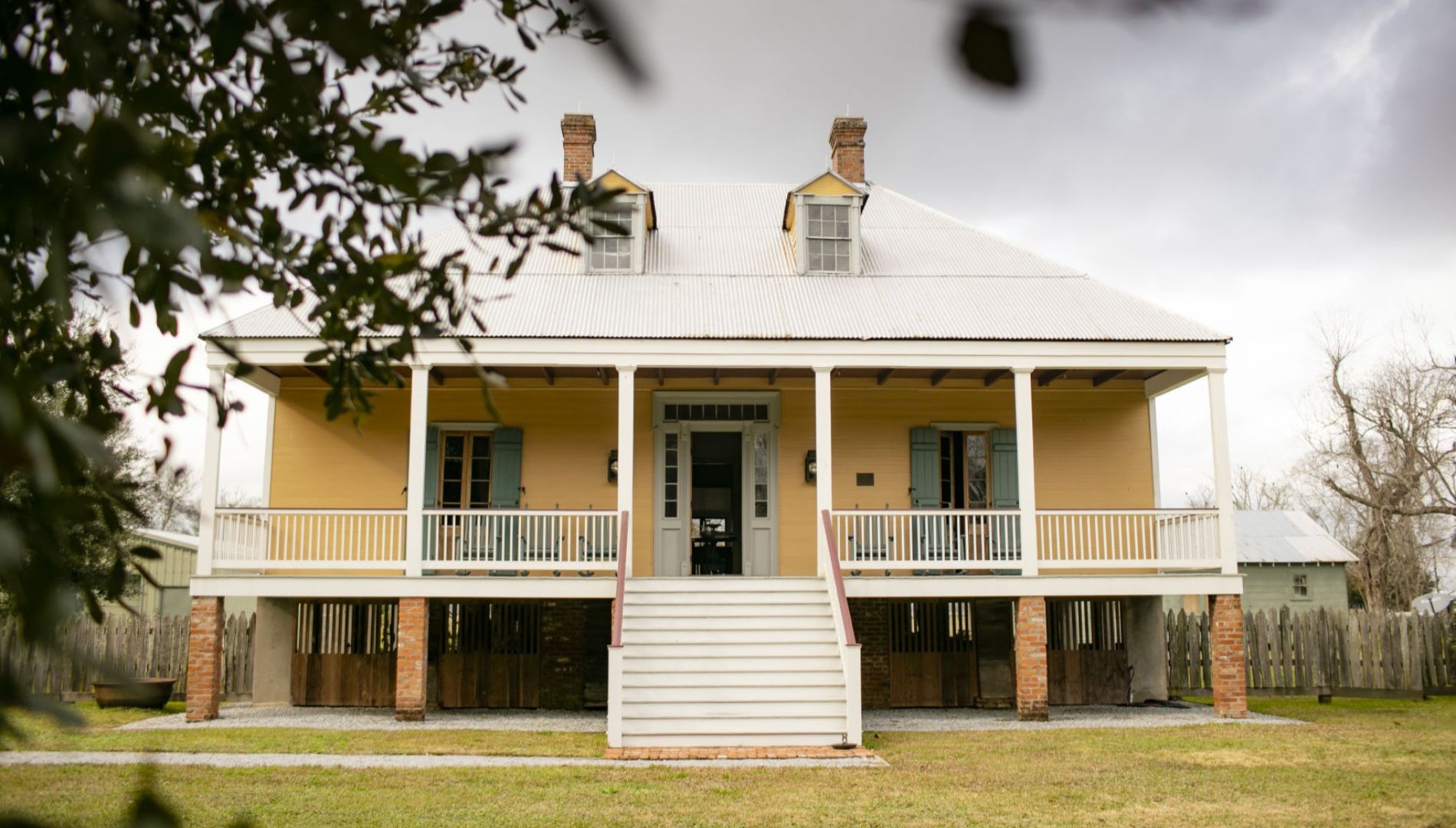
Traditional homes called Creole houses are widely seen across the Caribbean islands and some tropical areas. These structures are recognized for their vibrant hues, expansive porches, and effective airflow. Built to cope with warm and humid climates, they typically have elevated ceilings and many windows. Wooden materials are commonly utilized in their building process, alongside metal or tile roofing.
Creole homes showcase a mix of African, European, and Caribbean elements. In modern times, they continue to serve as a significant representation of tropical architecture. Their cozy and welcoming design attracts both locals and tourists who appreciate genuine character and regional appeal.
Hanok – South Korea
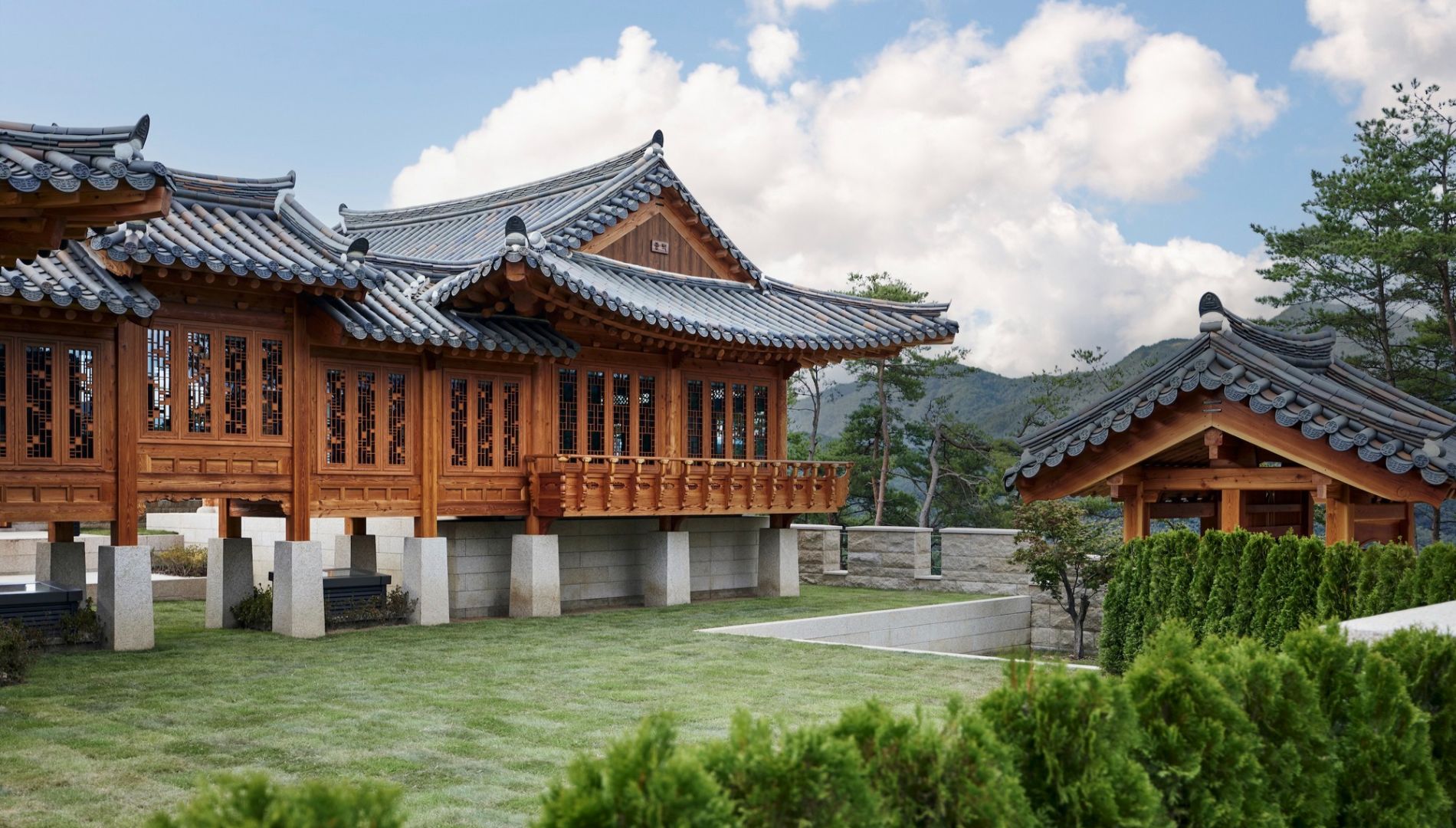
A hanok is a conventional Korean dwelling recognized for its balanced design and strong bond with the outdoors. Constructed mainly from timber, rock, and earth, hanoks employ organic elements to form a pleasant and sustainable living space. Rounded rooftops and central courtyards are distinctive aspects of such residences.
A conventional floor heating method known as "ondol" assists in keeping indoor temperatures pleasant throughout the cold season. Hanok residences are constructed to encourage efficient airflow when the weather turns warm. Currently, numerous historical villages across South Korea safeguard these traditional houses, which continue to serve as significant representations of Korean heritage and architectural style.
Hacienda – Mexico
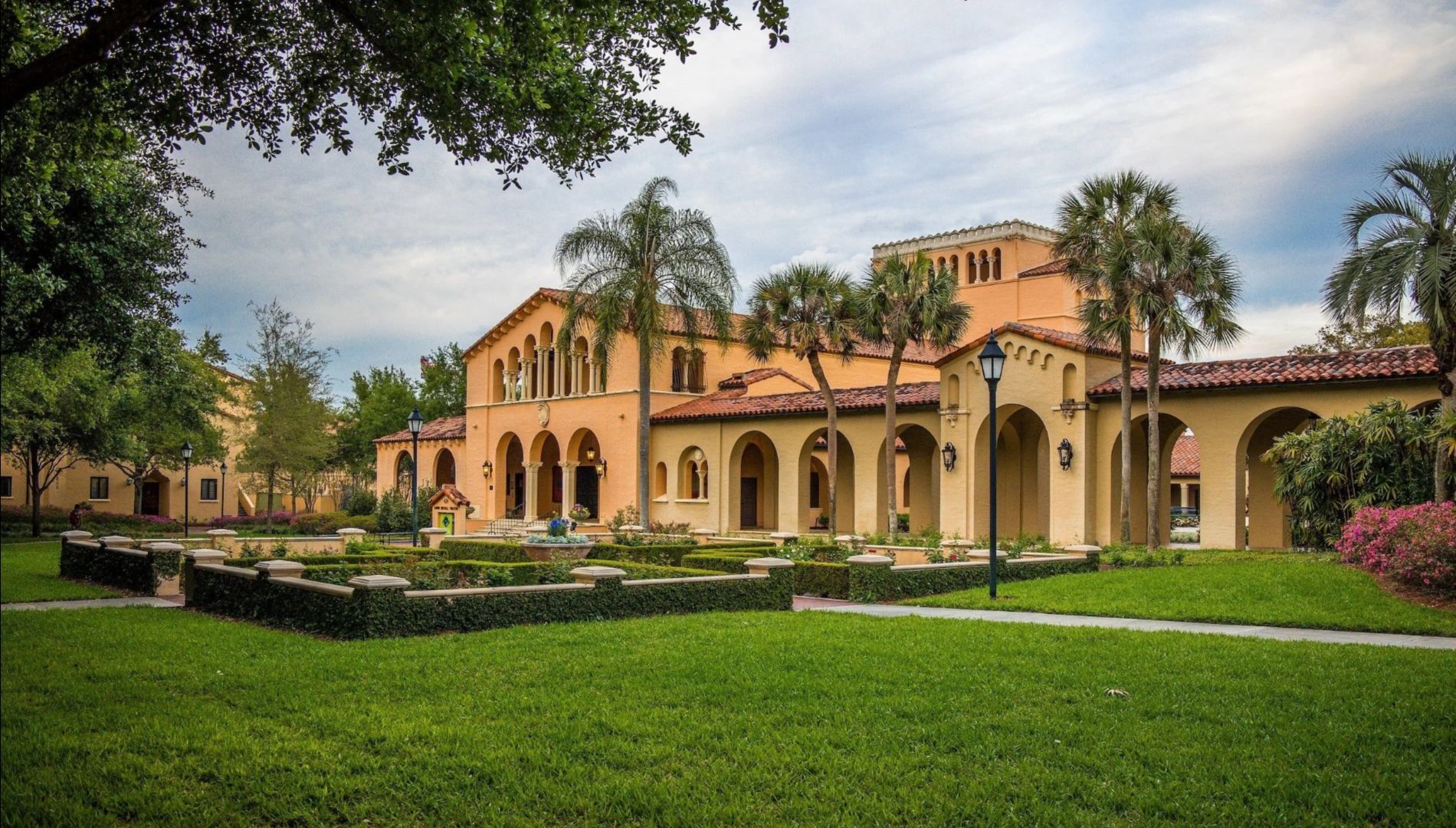
A hacienda refers to a big, classic home rooted in Spanish heritage, commonly found in Mexico and various Latin American nations. These countryside properties historically served as hubs for farming or livestock operations. Haciendas usually have wide open-air yards, sturdy walls, and stylish arches designed to maintain a comfortable temperature inside during warm weather. The design frequently blends Spanish elements with regional customs.
Numerous estates also include green spaces, water features, and expansive living areas. Currently, many have been transformed into upscale hotels or historical landmarks accessible to visitors. For hundreds of years, ranches have played a significant role in Mexico's cultural and architectural legacy.
Riad – Morocco
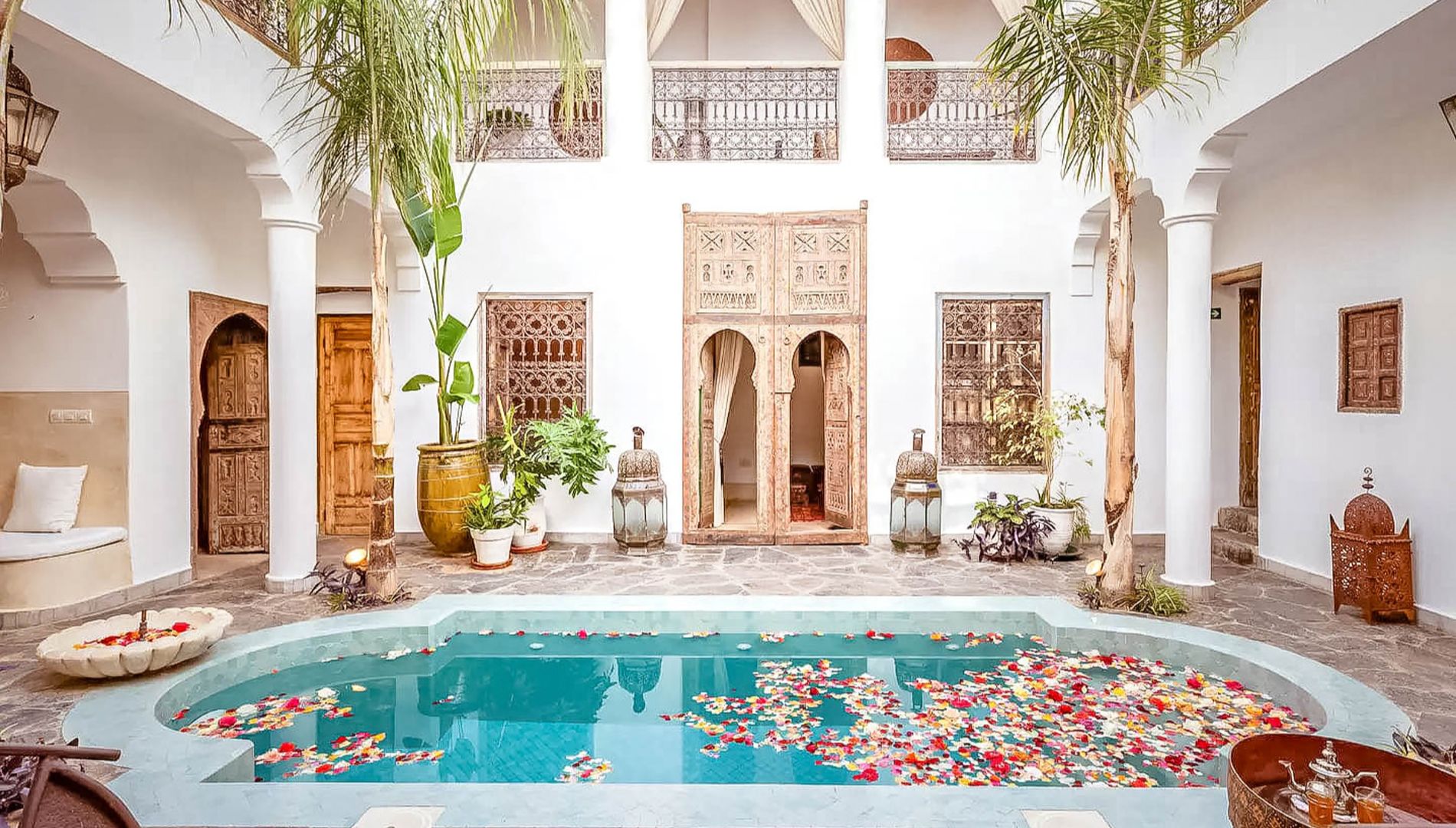
A riad refers to a conventional Moroccan home centered around an inner courtyard. Such structures are widely favored within the historic quarters of cities like Marrakech and Fez. These homes are constructed to provide inhabitants with tranquility, temperature regulation, and seclusion. The outer walls tend to be modest, whereas the inside showcases exquisite handmade embellishments, vibrant tile work, and water features.
Rooms typically face inward toward the central garden to enhance airflow in warm regions. Nowadays, numerous riads have transformed into hotels or upscale residences for visitors. Their refined design and tranquil environment fully reflect the cultural and artistic heritage of classic Morocco.
Cave house – Turkey
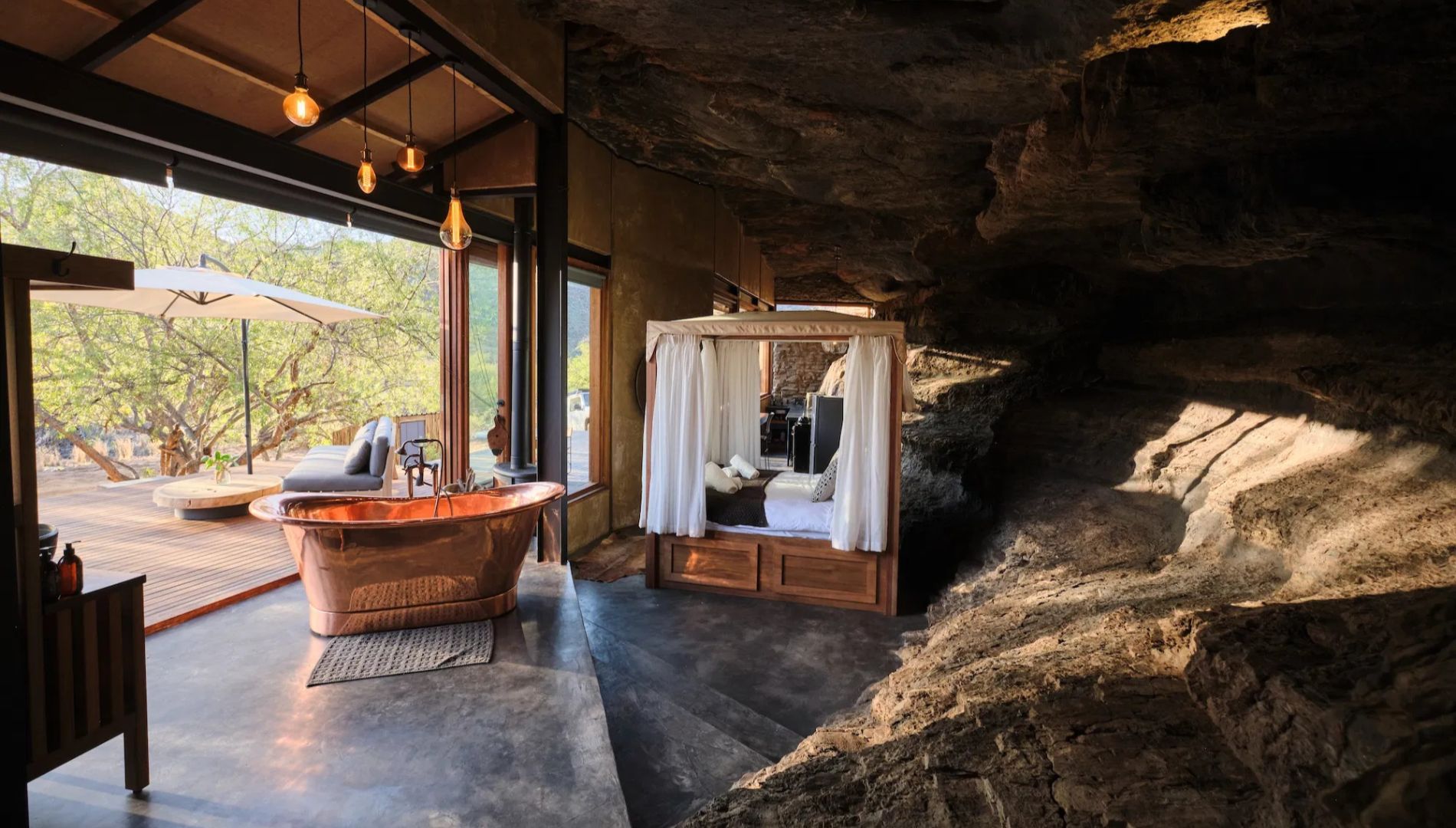
Cappadocia in Turkey is well-known for its underground homes, which are excavated right from volcanic stone. These distinctive residences have been around for centuries and provide great natural temperature regulation. During warm weather, they remain refreshing inside, whereas during colder months, they efficiently keep warmth. A significant number of these structures have been transformed into upscale guesthouses without losing their historical charm.
The breathtaking scenery of Cappadocia draws travelers from all over the globe eager to explore these extraordinary homes. These underground residences showcase a fascinating instance of how people have adjusted to their surroundings. Now, they continue to stand as a famous emblem of Turkey's architectural and historical legacy.
Yurt – Mongolia
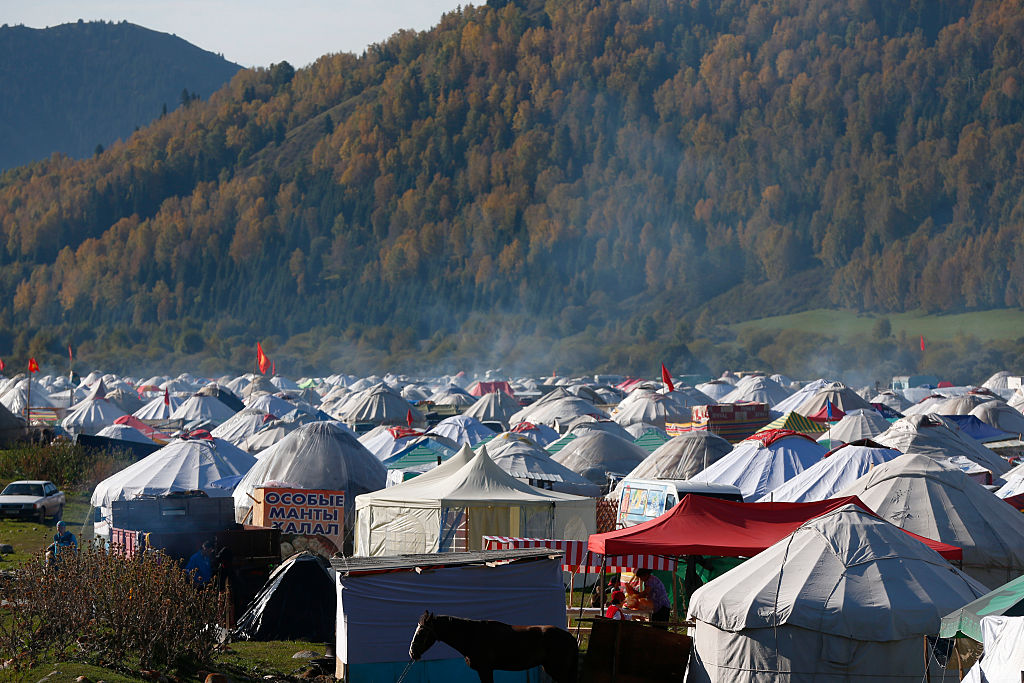
A yurt is an age-old type of shelter that has been utilized for hundreds of years by wandering people from Mongolia and Central Asia. This spacious round tent is constructed so it can be quickly taken apart and moved as needed. The framework is usually built from wooden poles wrapped in woolen blankets or heavy cloth to offer great defense against harsh weather conditions.
The inside of the tent is frequently adorned with vibrant designs and organized practically to suit the entire family. Although it seems simple at first glance, it provides significant comfort in harsh weather conditions. Nowadays, the yurt continues to be a key representation of Mongolian nomadic traditions and also draws interest from environmentally conscious travelers.
Residential Pagoda – Japan
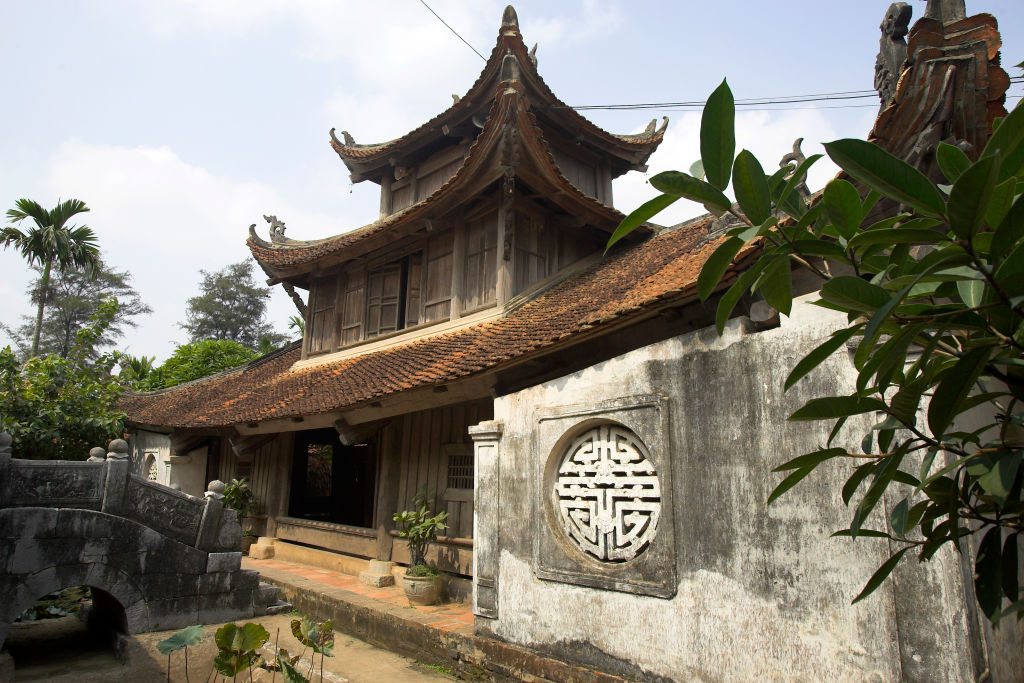
Residences influenced by Japanese temples showcase refined architectural designs strongly connected with spiritual values and the environment. These buildings stand out for their arched rooftops, use of organic materials, and simple aesthetic. Timber is commonly employed to build cozy and balanced living areas. Landscapes and natural components also hold significant importance in the construction of such houses.
The inside usually features spacious areas divided by conventional sliding doors known as "shoji." This style seeks to encourage tranquility, harmony, and minimalism. Nowadays, numerous modern Japanese residences still include aspects influenced by old temples, combining heritage with current aesthetics.
Houseboat – Netherlands

Houseboats have gained recognition in the Netherlands because of the nation's extensive network of canals and limited land availability in some urban areas. These residences are constructed right on the water, offering inhabitants a distinctive and tranquil living atmosphere. In Amsterdam, various districts feature elegant contemporary or classic houseboats. They are engineered to cope with changes in water levels and severe weather situations.
Certain homes include terraced areas, elevated farms, and modern eco-friendly technologies. As climate change and flood risks become more prevalent, this kind of residential design is gaining growing attention globally. Floating dwellings showcase the ingenuity and ability of the Dutch to adjust to their surroundings.
Adobe house – Peru
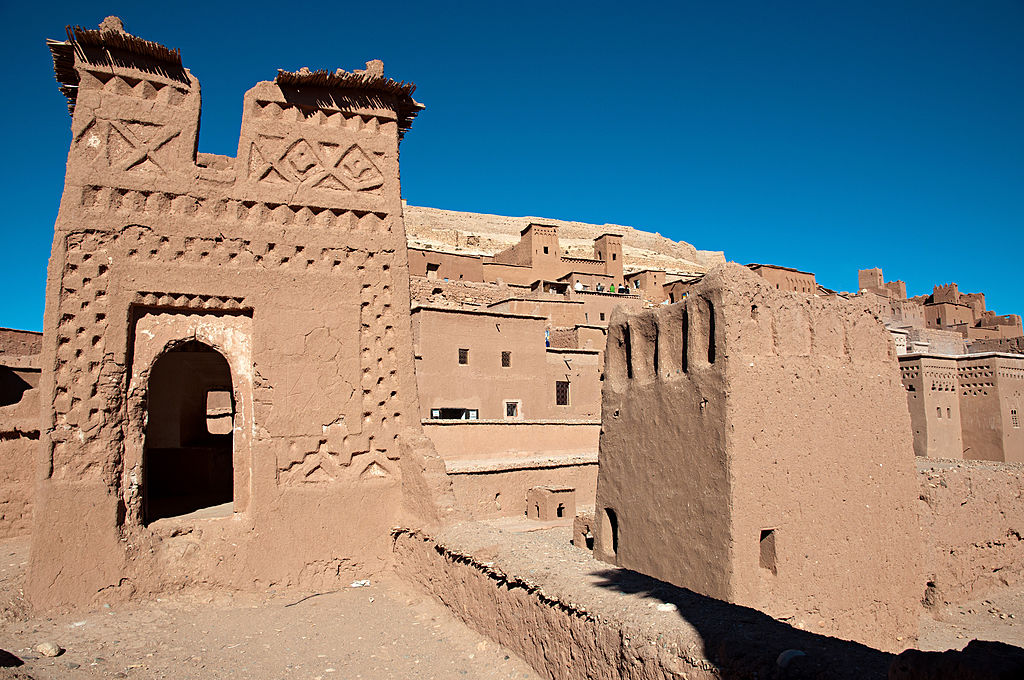
Adobe homes are widely found across various areas of Peru and South America. These structures are constructed using a naturally blended combination of sun-baked mud, sand, and grass. This environmentally friendly substance offers superior temperature regulation, keeping interiors comfortable regardless of external weather conditions. Adobe dwellings are especially ideal for arid and desert environments.
For many years, local groups have utilized them because of their affordable price and easy access to resources. Although they look basic, these dwellings can endure for a significant period if well cared for. Today, adobe structures still play a vital role in traditional building styles and represent an essential element of Peru's historical legacy.
Trullo – Italy
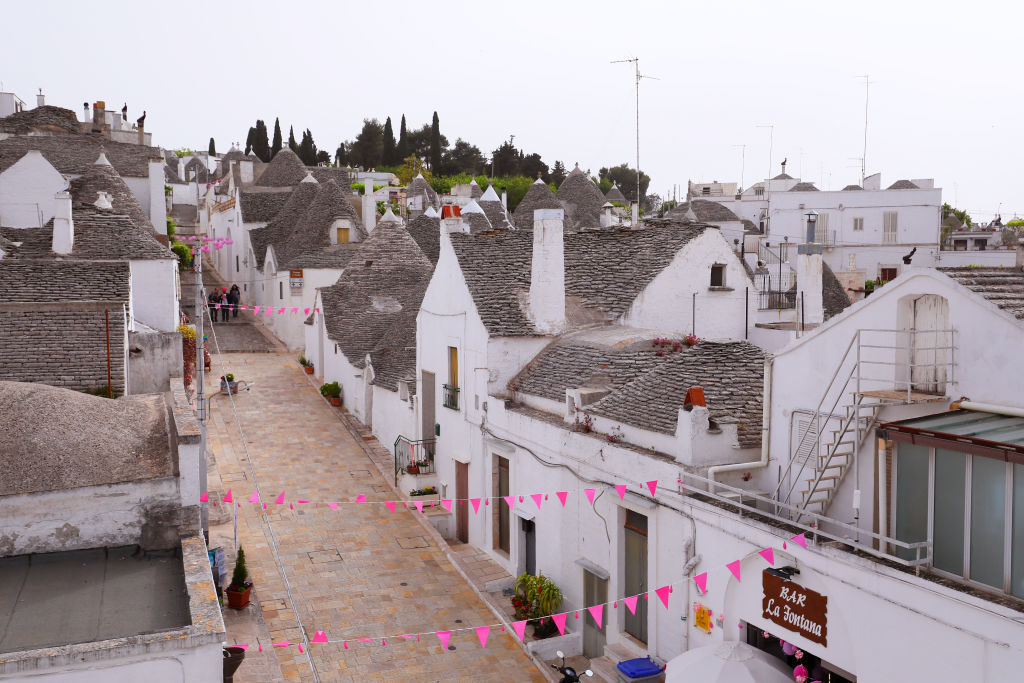
Trulli are modest historic homes primarily located in the Apulia area of southern Italy. These residences are instantly identifiable due to their whitewashed exteriors and cone-shaped stone rooftops. The distinctive design has origins spanning many centuries and was constructed without using cement, enabling the buildings to be swiftly taken apart in earlier times to evade specific levies.
Trulli provide outstanding natural cooling during hot summers. Nowadays, numerous such homes have undergone restoration and now serve as holiday accommodations or cozy hotels. Trulli have emerged as an emblem of Italian culture, drawing tourists from across the globe each year because of their appealing look.
Residential building in colonial architecture - United States
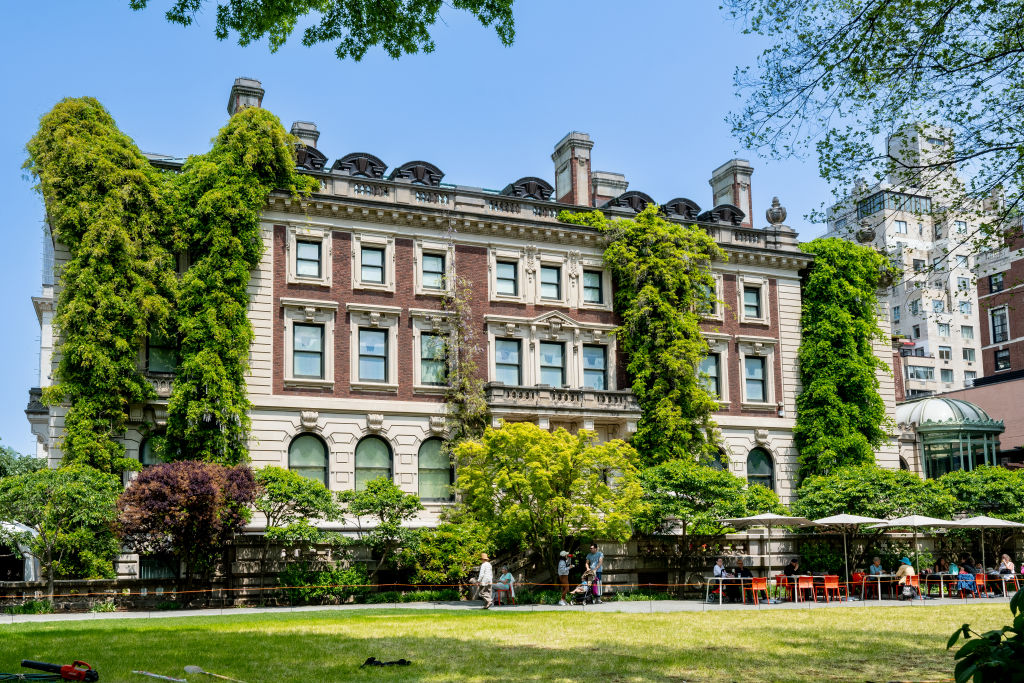
Certain residential structures stand out as some of the most easily identified building designs across America. Drawing inspiration from the architecture brought over by initial immigrants from Europe, these houses are known for their even layout, substantial hearths, and exteriors commonly made from brick or timber. Such dwellings usually feature two levels along with an expansive middle corridor. The placement of the windows follows a harmonious design, giving off an air of traditional sophistication.
Widely cherished in New England, colonial houses continue to be admired for their classic design and practicality. Numerous modern interpretations preserve conventional elements while integrating up-to-date technology and comforts suited to today’s American households.
Igloo – Arctic
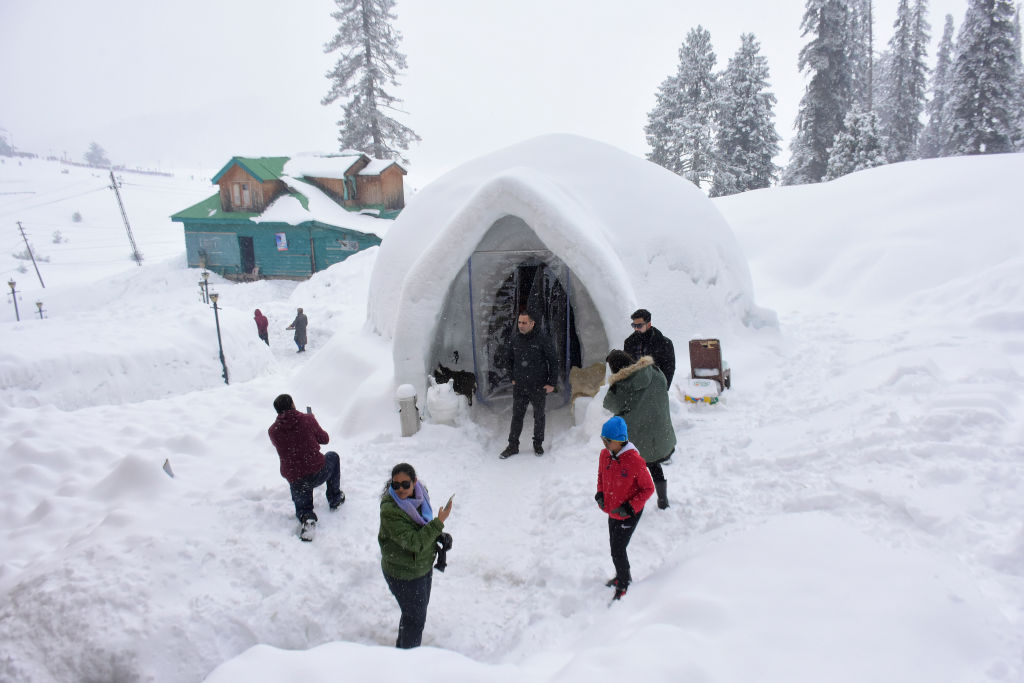
An ice house is a conventional shelter utilized by Indigenous communities residing in the northern areas of Canada and Greenland. Constructed using compressed snow bricks, the structure is intentionally made to keep warmth within even during severe cold weather conditions. The curved design enables it to endure powerful winds found in polar zones.
Even though the outside is composed of ice, the warmth generated by people inside rapidly heats up the inside. Traditionally, igloos served mainly as short-term dwellings for hunters. Now, they continue to represent a significant emblem of Inuit heritage and human creativity when dealing with the harsh weather situations found in northern Canada and the Arctic areas.
Stilt house – South-East Asia
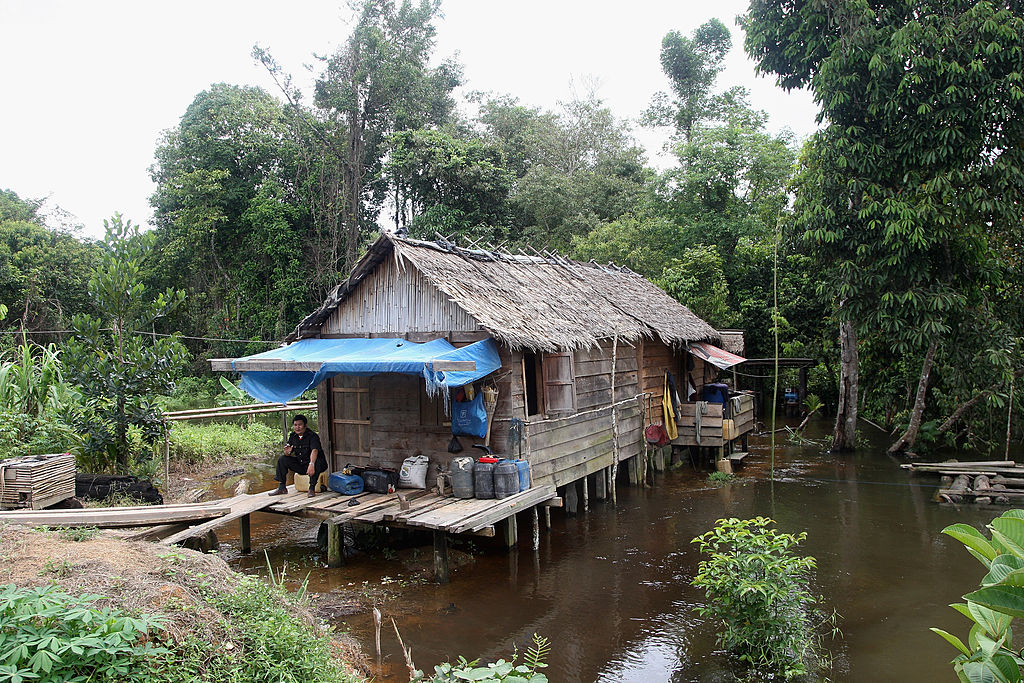
Stilt houses are widely found in various Southeast Asian nations like Thailand, Vietnam, and Cambodia. These structures are constructed off the ground with support from wood or cement pillars, helping inhabitants avoid floods, dampness, and wildlife. They are ideal for hot climates and locations close to water bodies.
The area underneath the home is commonly utilized for keeping equipment or vessels, or to form a cool zone. Traditional elements like bamboo and timber are regularly employed in building them. Such dwellings clearly demonstrate how indigenous communities have adjusted to their surrounding nature and weather conditions.
Alpine chalet – Switzerland
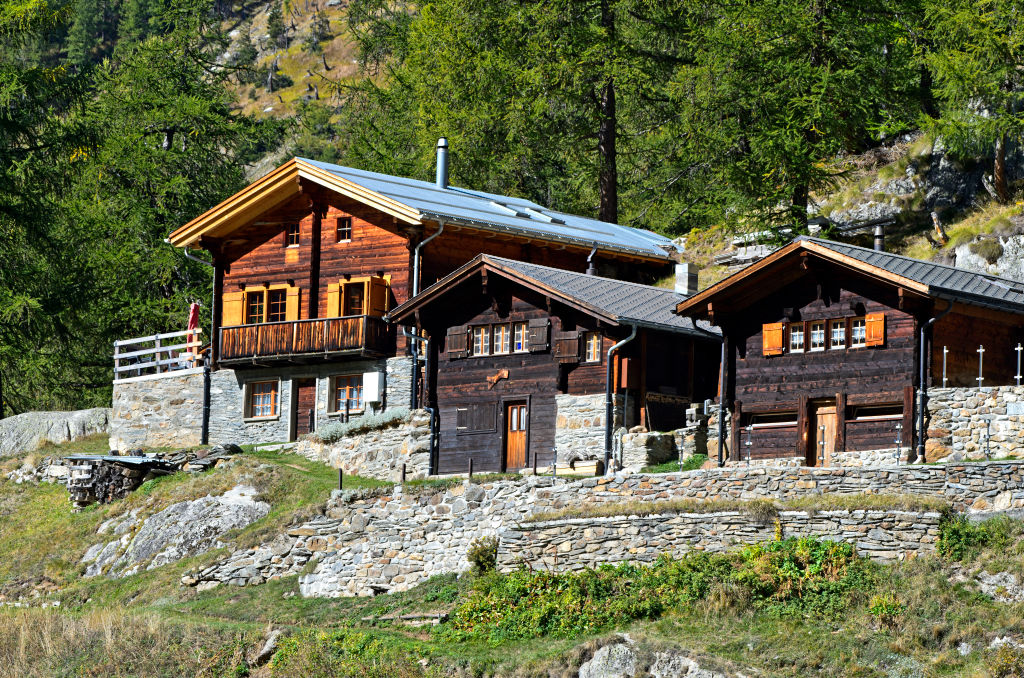
One of the most distinctive forms of residence found in the mountain areas of Switzerland and the broader European Alps is the Alpine cottage. Typically constructed from timber, these structures have slanted roofs built to handle significant snow accumulation during winters. Decorated with blooming planters on their balconies and equipped with expansive windows, they present an inviting and cozy look.
Initially, these dwellings were used as protection for farmers and shepherds residing in the mountains. Now, they have gained significant popularity as holiday homes and high-end properties within ski areas. Due to their inherent thermal insulation and warm ambiance, Alpine chalets continue to represent the essence of mountain life and winter travel across Europe.
House of the Victorian era – United Kingdom

Some of the most renowned houses in the UK date back to the Victorian era. Constructed mainly throughout the 1800s when Queen Victoria was monarch, these properties are known for their refined design and abundant ornamental elements. They typically include expansive windows, elevated ceilings, and vibrant brick or stone exteriors.
Numerous 19th-century houses include grand fireplaces and wide-open spaces ideal for extended households. Now, they are very desirable in various UK towns because of their historical appeal and distinctive personality. Even though some date back a long time, several of these residences have undergone updates without losing their initial design, which has made them quite appealing in the property sector.


No comments:
Post a Comment